




Dutch Master Portrait Painting
When you search for a dutch master portrait painting, you encounter centuries of meticulous oil work capturing noble sitters, musicians, and domestic interiors.
Dutch Master Portrait Painting
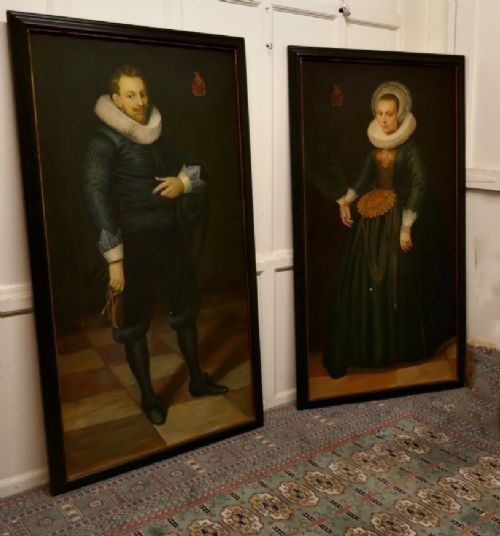
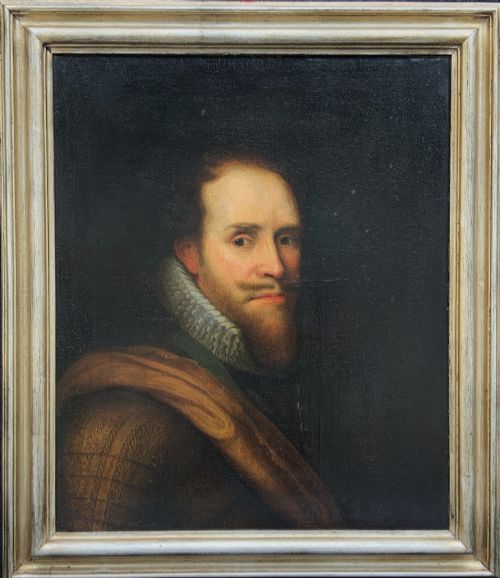
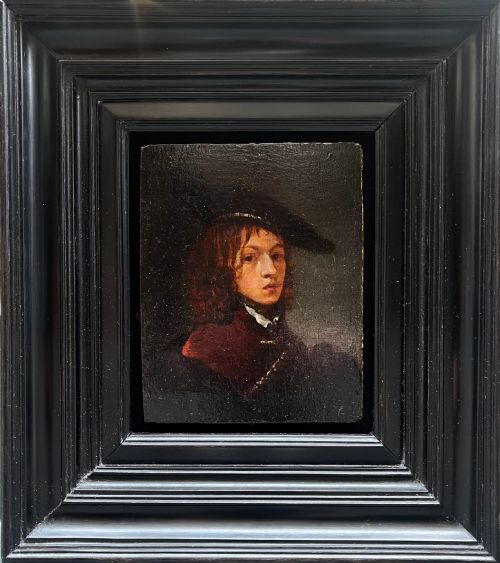
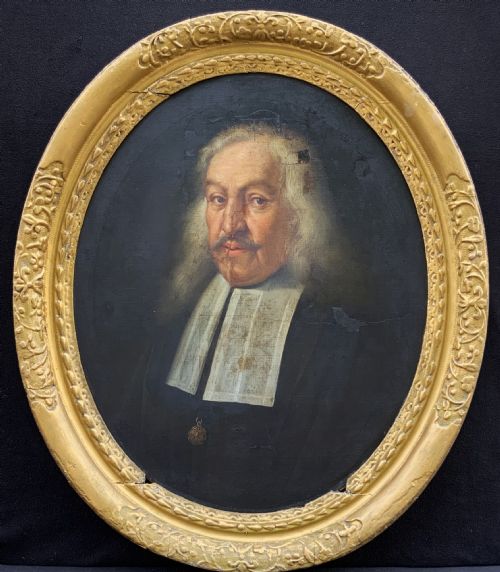
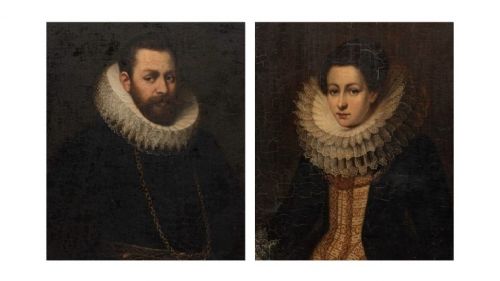
A dutch master portrait painting represents the pinnacle of seventeenth-century portraiture, capturing the likenesses of noblemen, ladies, and ordinary citizens with striking realism and psychological depth. Buyers exploring this category encounter original period works alongside later nineteenth-century interpretations and studio copies created in the enduring Dutch Golden Age style.
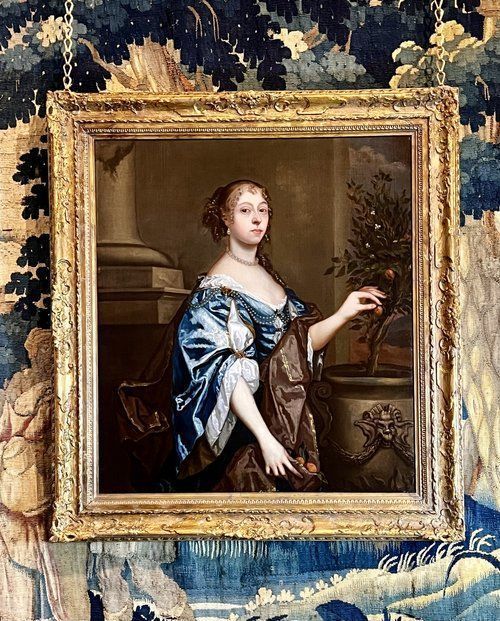
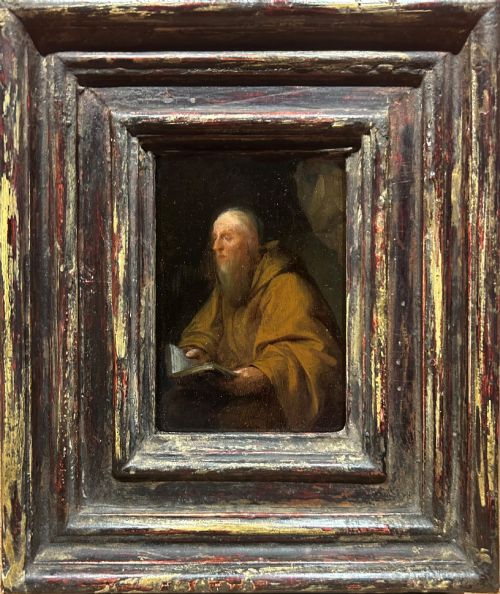
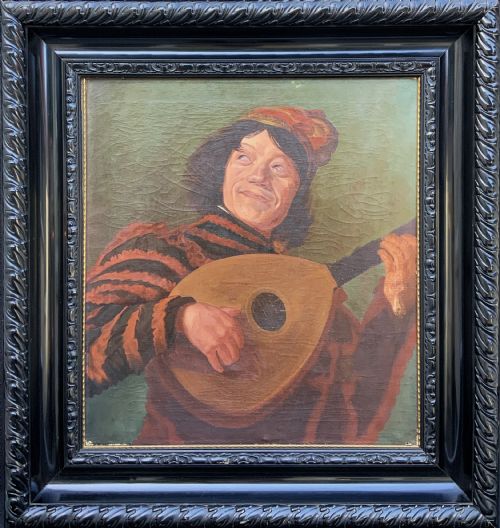
The subjects range from solitary gentlemen in stiff ruff collars to gentlefolk holding oranges, children of noble birth, and tavern musicians. Alongside strictly seventeenth-century canvases, the selection includes later nineteenth-century homages and mid-twentieth-century studies rendered in oil on canvas, wood panel, and vinyl canvas.
How They Were Made
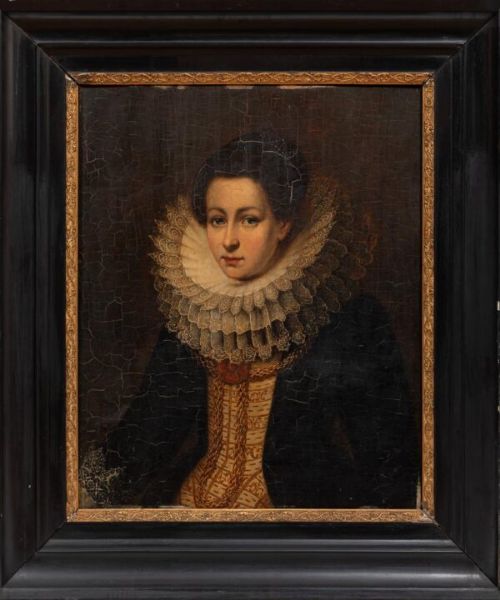
These works rely on traditional oil paint applied to stretched canvas or wooden panels, utilising rich pigments to build deep shadows and luminous highlights. Master painters and their circles employed layered glazes to achieve the lifelike textures of white satin dresses, intricate lace ruffs, and fur wraps.
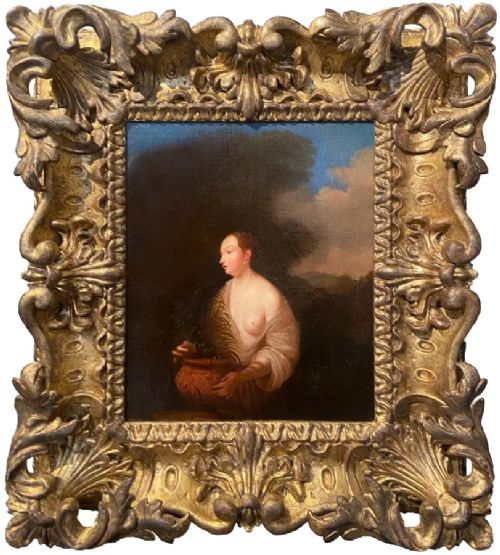
Support materials varied according to the period and workshop practice, with seventeenth-century originals utilising sturdy wooden panels or woven canvas, while later interpretations occasionally employed alternative supports like copper or modern canvas. Elaborate giltwood frames often accompany these paintings, finished with gold leaf to enhance the depth of the composition.
Listings feature works spanning from the seventeenth century through to mid-twentieth-century interpretations, executed in oil on canvas, wood panel, and copper.
What Varies In Quality
The distinction between a standard studio copy and an exceptional period piece lies in the sureness of the brushwork and the psychological presence of the sitter. Superior examples demonstrate a master's command of light and shadow, particularly in the rendering of facial expressions, delicate hand gestures, and intricate costume details such as lace collars.
Condition and historical proximity also separate the range, with original seventeenth-century execution by established circles holding greater art historical weight than later nineteenth-century or twentieth-century revivals. The harmony of the composition and the preservation of the original oil pigment layer dictate the overall artistic merit.
Cornelis Van Der Voort·Pieter Borsseler·Rembrandt van Rijn·Nicolaes Maes·David Teniers
The Dutch Master Portrait Painting Glossary
- Oil on Canvas
- A traditional painting medium where pigmented oil is suspended in a drying oil and applied to a woven fabric support. This combination allows for smooth blending and rich tonal depth.
- Giltwood
- Wood that has been treated and coated with a thin layer of gold leaf or gold paint. It frequently forms the ornate framing surrounding antique portraits.
- Dutch Golden Age
- A period in Dutch history spanning the seventeenth century characterised by remarkable achievements in trade, science, and the arts. Painters during this era produced some of the most influential portraiture in history.
- Ruff
- A prominent pleated collar worn by nobility and the upper classes during the sixteenth and seventeenth centuries. Its intricate folds provided artists an opportunity to demonstrate technical mastery in white fabric.
Dutch Master Portrait Painting: Frequently Asked Questions
What defines a Dutch Master portrait?
A Dutch Master portrait originates from the artistic traditions of the Netherlands during the seventeenth century, focusing on realistic human representation and dramatic lighting. These works often depict wealthy burghers, nobility, or everyday figures with remarkable psychological depth.
Artists utilised subtle tonal gradations and chiaroscuro techniques to give their subjects a lifelike presence. This approach set a standard for portraiture that later generations continued to emulate through copies and revivals.
How can I tell an original from a later copy?
Distinguishing an original seventeenth-century work from a nineteenth-century or later copy involves examining the materials, pigment ageing, and the confidence of the brushwork. Period works display craquelure appropriate to their age and construction methods consistent with historical workshop practices.
Attribution often relies on stylistic comparison with known works by an artist's circle or studio assistants. Archival research and signature analysis further clarify whether a piece is a contemporary record or a later tribute.
What subjects appear most frequently?
The selections frequently feature nobility, husbands and wives in companion pairs, and children rendered with formal dignity. Common motifs also include sitters holding symbolic items such as fruit, gloves, or musical instruments.
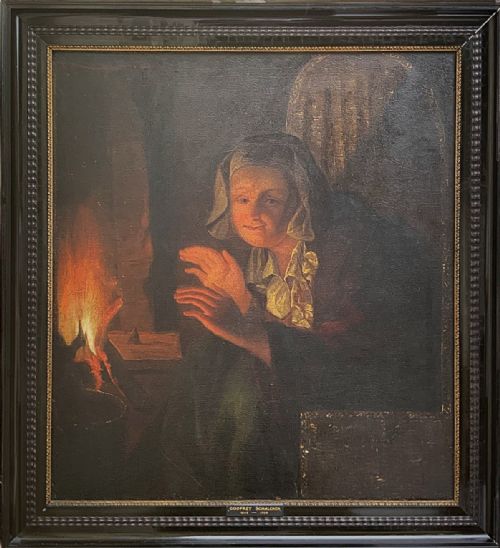
Domestic interiors and genre scenes involving musicians or readers also appear within the broader Dutch school tradition. Each subject reflects the social standing and cultural values of the period in which it was painted.
How do I care for an oil painting on canvas?
Preserving an antique oil painting requires maintaining stable indoor humidity and avoiding direct exposure to strong sunlight. Gentle dusting with a soft, dry brush keeps the surface clear without disturbing the delicate pigment layer.
Any significant conservation work or cleaning should be left to professional conservators to protect the integrity of the canvas and frame. Proper framing helps shield the reverse of the canvas from environmental fluctuations.