


Dutch Baroque Oil Painting
A dutch baroque oil painting brings the deep shadows and rich textures of the seventeenth century directly into your room.
Dutch Baroque Oil Painting
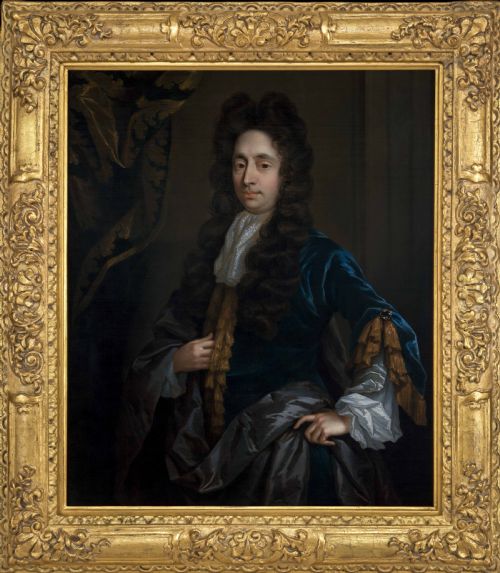
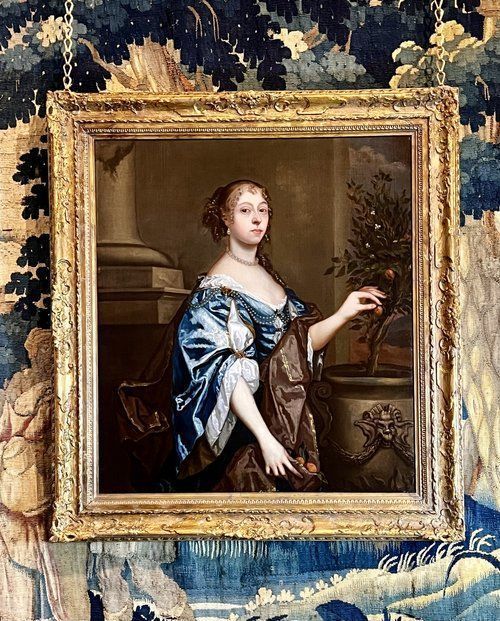
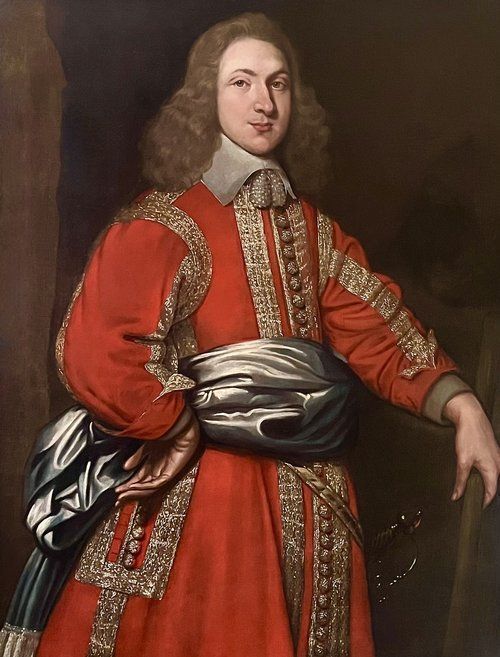
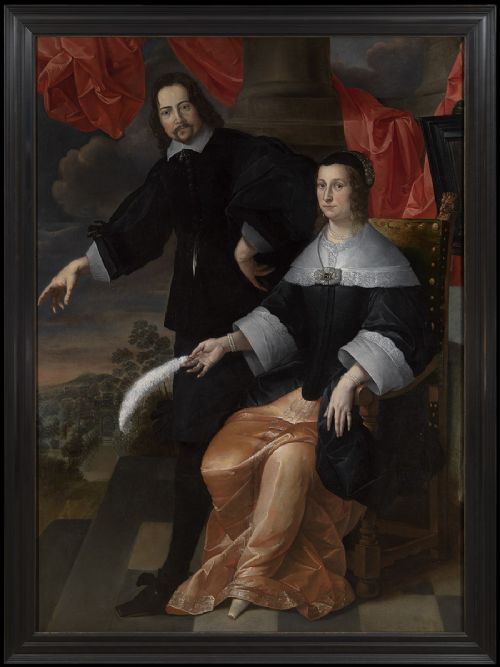
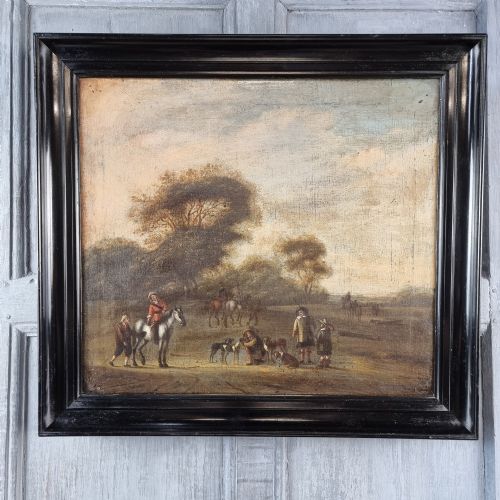
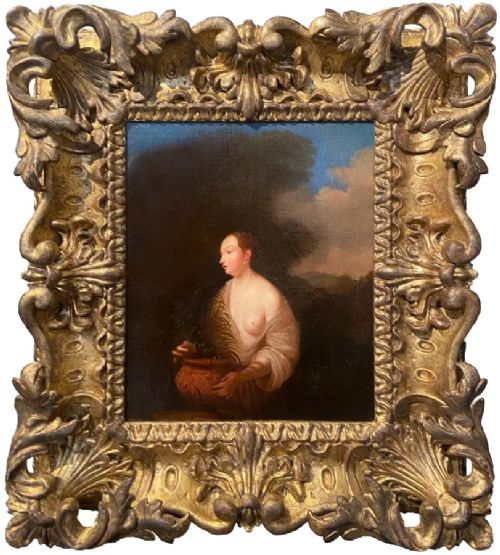
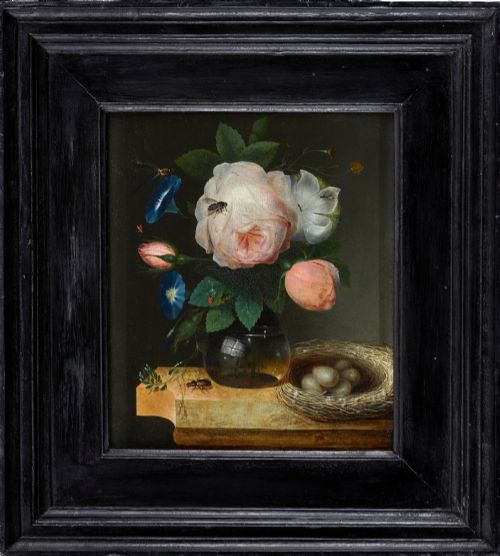
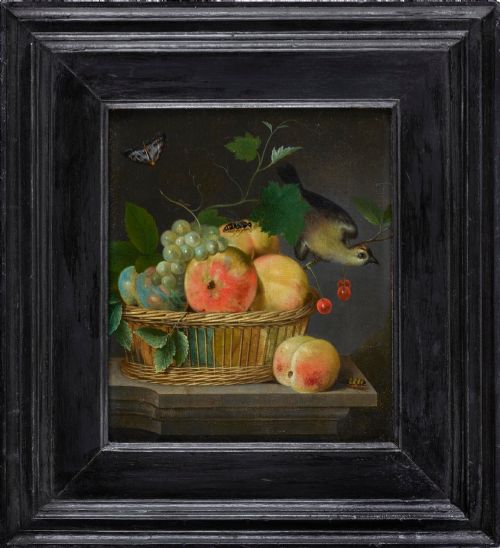
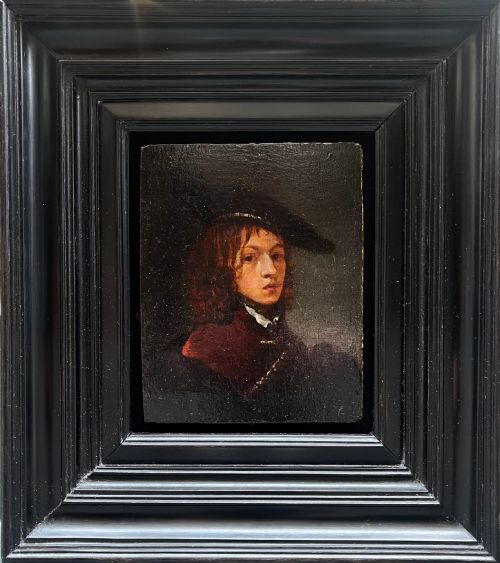
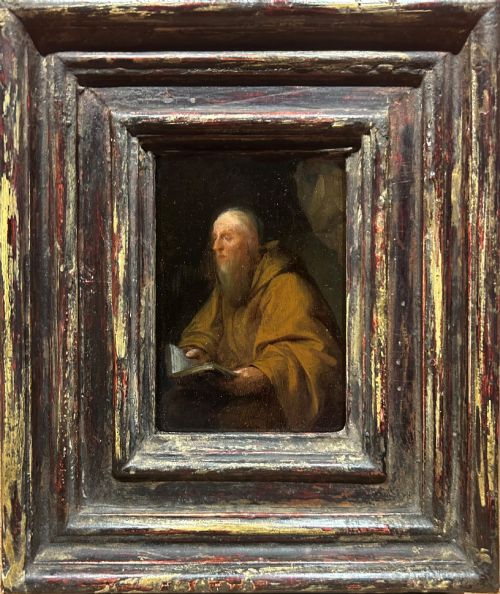
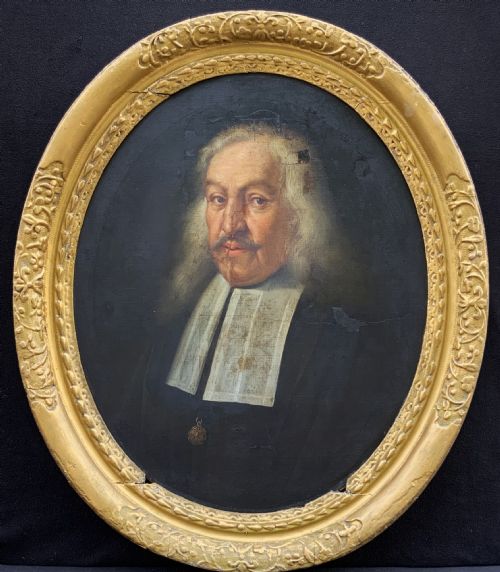
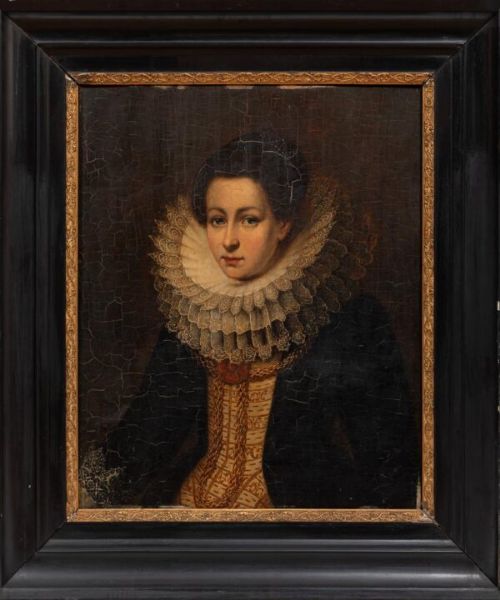
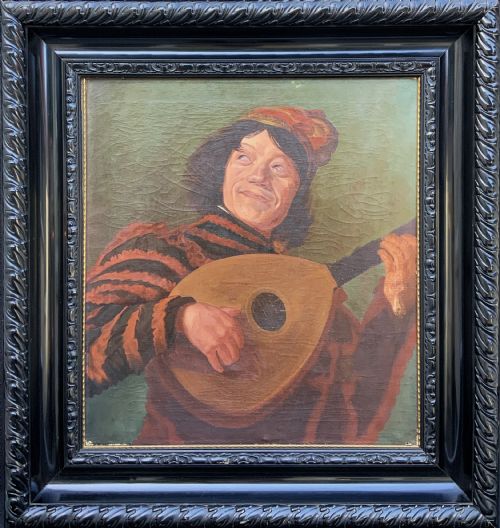
When you search for a dutch baroque oil painting, you encounter works dominated by portraiture, still life, and landscape from the golden age of European art. The selection centres heavily on seventeenth-century originals, alongside later nineteenth-century interpretations and revivals painted in the same spirit.
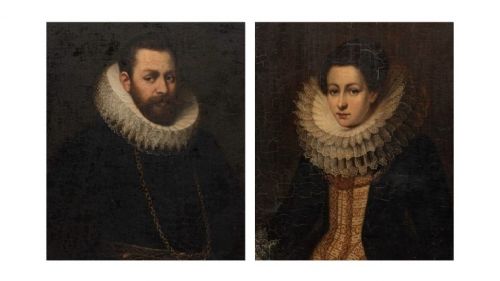
Subjects range from formal likenesses of noblemen and ladies in ruff collars to domestic animals, floral compositions, and rural vistas. You will find both signed works attributed to period masters and pieces emanating from regional schools or later followers.
How they were made
The physical foundation typically consists of oil paint applied to woven canvas or prepared wooden panels. Artists built up their compositions using rich pigments combined with drying oils, allowing for deep glazing and subtle shifts in tone.
Listings feature works spanning the seventeenth, eighteenth, and nineteenth centuries, executed primarily in oil on canvas or wood panel.
What varies in quality
The distinction between average and exceptional works lies in the handling of light, shadow, and detail within the composition. Master painters achieved a distinct depth in textiles, skin tones, and still life textures that lesser hands failed to capture.
Condition also plays a significant role in distinguishing pieces, particularly the preservation of the original paint layer and the stability of the underlying canvas or wood panel. Works that retain their early surface integrity command greater appreciation.
Constantyn Netscher·Pieter Borseler·Gaspar Peeter Verbruggen·Nicolaes Maes·Frans Snyders
The Dutch Baroque Oil Painting Glossary
- Baroque
- A style of European art spanning the seventeenth and early eighteenth centuries, characterised by drama, tension, and deep chiaroscuro lighting. It emphasises grand scale and emotional intensity.
- Chiaroscuro
- An artistic technique employing strong contrasts between light and dark to give subjects a three-dimensional volume. It defines the dramatic atmosphere typical of seventeenth-century canvases.
- Old Master
- A term used to describe a skilled European artist working before about eighteen hundred. It also refers to a painting produced by such an artist.
- Giltwood
- Wood that has been coated with a thin layer of gold leaf or gold paint. It frequently forms the decorative material of period frames.
- Provenance
- The chronological history of the ownership of a work of art. A clear record helps establish authenticity and origin.
Dutch Baroque Oil Painting: Frequently Asked Questions
Are these paintings on canvas or wood?
The works utilise both oil on canvas and prepared wooden panels as structural supports. Canvas became increasingly common for larger compositions due to its relative lightness.
Wooden panels tend to appear more often in earlier or smaller still life works and landscapes. Each material requires stable environmental conditions to prevent warping or cracking.
Where should I hang a dark seventeenth-century portrait?
Position the piece away from direct sunlight and strong heat sources to protect the sensitive oil pigments and canvas. Natural, indirect daylight allows the subtle shadow details and rich tones to emerge.
Dark backgrounds benefit from placement against neutral walls where surrounding lighting can be controlled. Consider using picture lights designed to emit minimal heat.
How can I tell a period original from a later copy?
Examine the craquelure, which is the natural network of fine cracks that develops in ageing oil paint over centuries. Pigment analysis and the construction of the stretcher frame or panel offer further clues to the age.
Stylistic execution and the quality of the brushwork also indicate whether a piece dates to the seventeenth century or represents a nineteenth-century revival.