
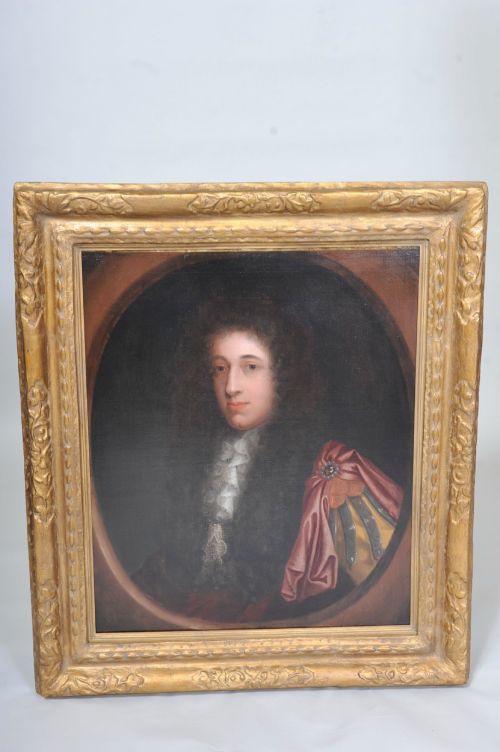



![17th Century Portrait Circle of Michael Dahl,of Sir William Cowper [1639-1706]](https://www.sellingantiques.co.uk/photosnew/dealer_countryhousefineart/dealer_countryhousefineart_full_1525617097668-7609063232.jpg)

Restoration Era Gentleman Portrait
A restoration era gentleman portrait captures the distinct gravity and elegance of the late seventeenth century through masterful oil painting.
Restoration Era Gentleman Portrait
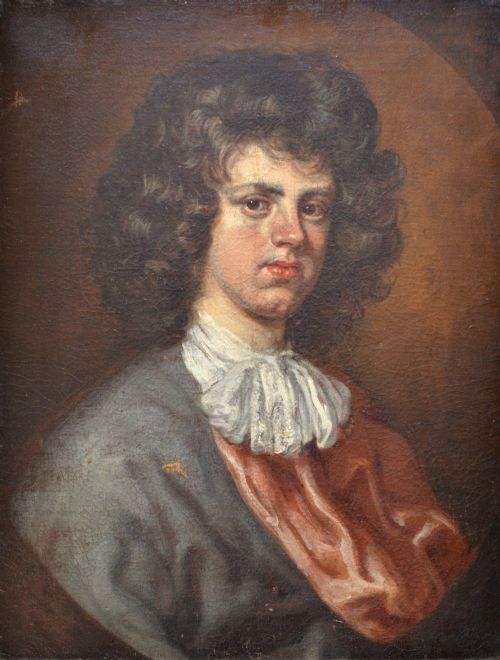
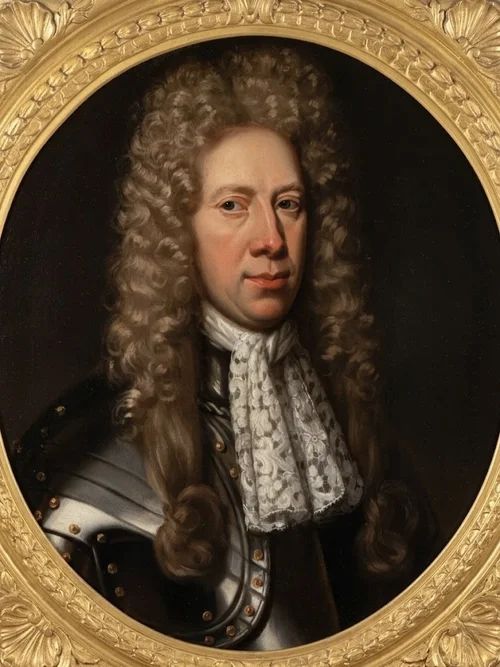
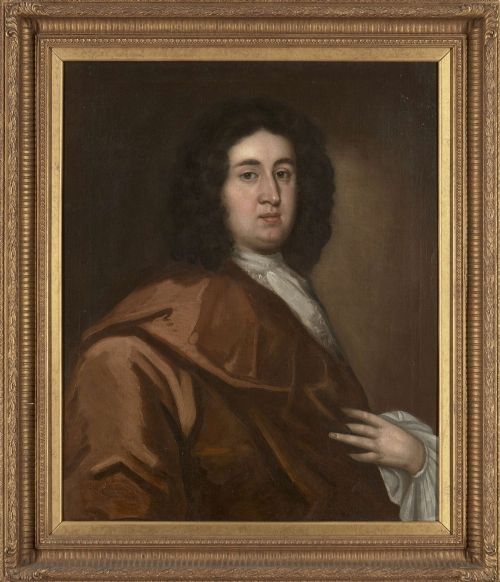
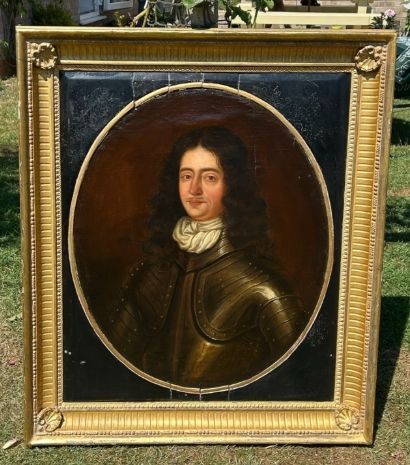
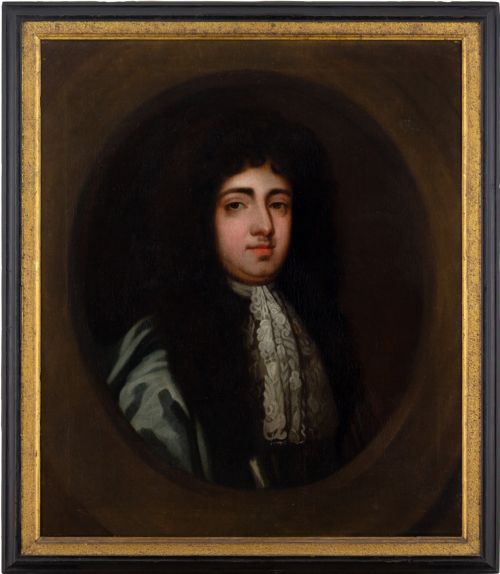
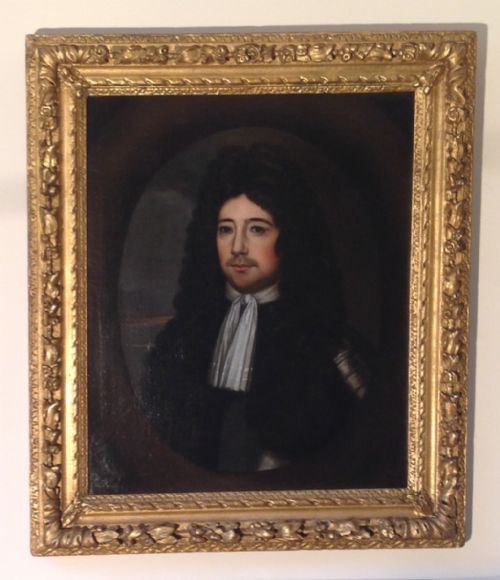
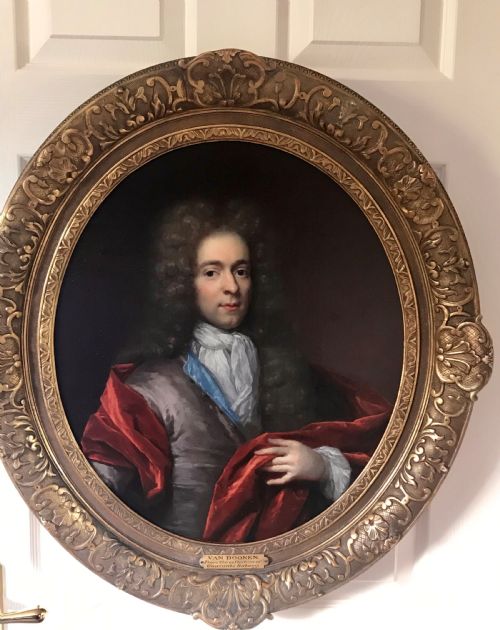
When you examine a restoration era gentleman portrait, you are looking at oil paintings predominantly assigned to the seventeenth century, spanning Stuart, Baroque, and Dutch Golden Age styles. These artworks depict notable figures, cavaliers, and gentlemen, often wearing cloaks or armour with significant historical associations.
The pieces on this page originate from English and continental schools, encompassing works attributed to esteemed circles of artists from that period. Subjects are frequently identified by name, such as Sir William Cowper or John Shute Barrington, linking the canvas directly to documented figures of the era.
Materials and construction
These works consist primarily of oil on canvas, utilising traditional pigments applied to fabric stretched over wooden supports. The handling of the medium allows for deep tonal contrasts and rich textures in clothing, such as lace bands and velvet cloaks.
Frames play an integral role in the physical structure of these portraits, commonly constructed from giltwood or wood embellished with gold leaf. The craftsmanship of the frame often reflects the ornate aesthetic of the English Baroque and seventeenth-century design.
Several sitters wear elaborate lace collars so stiff they look entirely capable of holding a cup of tea.
What separates the finest works
The distinction between standard portraiture and superior examples lies in the subtlety of facial modelling and the psychological depth captured by the artist. Masterful brushwork in the rendering of textiles, armour, and lace elevates certain canvases above workshop copies.
Attribution and provenance heavily influence the standing of a piece, with works linked directly to prominent seventeenth-century painters or their immediate circles carrying greater artistic weight. The preservation of the original canvas and the integrity of the period giltwood frame also determine the overall standing of the artwork.
Mary Beale·JOHN SCOUGALL·John Closterman·John Riley·John Greenhill·Arnold van Boonen·Michael Dahl·Johann Kerseboom·John Michael Wright·Samuel van Hoogstraten
The Restoration Era Gentleman Portrait Glossary
- Baroque
- A style of European architecture, music, and art of the 17th and 18th years that followed Mannerism and is characterised by ornate detail. In portraiture, this manifests in dramatic lighting and rich drapery.
- Giltwood
- Wood that has been treated with gold leaf or gold paint to give a metallic, decorative surface. These frames are typical of high-status seventeenth-century oil paintings.
- Cavalier
- A horseman or knight, specifically a supporter of King Charles I during the English Civil War. Portraits often depict subjects in this distinctive military fashion.
- Circle of
- A term used in art history to describe an artist working closely with a master, sharing their style and technique without necessarily being the master himself.
- Lesser George
- An insignia of the Order of the Garter worn by high-ranking noblemen during the period. Its presence in a portrait indicates the elite status of the sitter.
Restoration Era Gentleman Portrait: Frequently Asked Questions
What is a restoration era gentleman portrait?
A restoration era gentleman portrait is an oil painting on canvas depicting a male subject from the late seventeenth century. These artworks reflect the artistic conventions of the Stuart and Baroque periods.
The subjects often include named historical figures, nobility, and military officers dressed in contemporary attire or armour. They serve as historical documents as well as fine examples of period portraiture.
How do I identify the period of a portrait?
Dating a seventeenth-century portrait involves examining the style of dress, hair, and lace depicted on the sitter. Stylistic cues such as heavy wigs, cravats, and military breastplates offer precise chronological markers.
Additionally, the construction of the canvas, the pigments used in the oil paint, and the style of the giltwood frame provide further evidence of seventeenth-century origin.
How should I display an oil painting at home?
Oil paintings on canvas require stable environmental conditions away from direct sunlight and dramatic humidity changes. Proper hanging ensures the canvas remains taut on its wooden stretcher.
Pairing the artwork with a period-appropriate giltwood frame enhances its visual impact while maintaining the historical context of the piece.