57,816  PAGES BROWSED TODAY PAGES TODAY 192  ANTIQUES UPLOADED TODAY NEW ARRIVALS
ID #SA1027345
FOR SALE
£9,500
Email
Save
17th Century English Portrait Oil Painting of John Ludford, Circa 1680, Circle of Mary Beale (1633-1699)
Isherwood Fine Art
for sale €11,115     $12,065
£9,500
Isherwood Fine Art

Isherwood Fine Art

Sellingantiques Verified Since Oct 2023
View Dealers Stock Page
  • About Us
    16th to 19th century old master, british and european paintings and sculpture, specialising in period portraiture. Member BADA, LAPADA.
  • Trade Associations
    Isherwood Fine Art is a registered member of LAPADA  BADA 
Id #SA1027345
PDF SHARE
SAVE

17th Century English Portrait Oil Painting of John Ludford, Circa 1680, Circle of Mary Beale (1633-1699)

17th century
Description

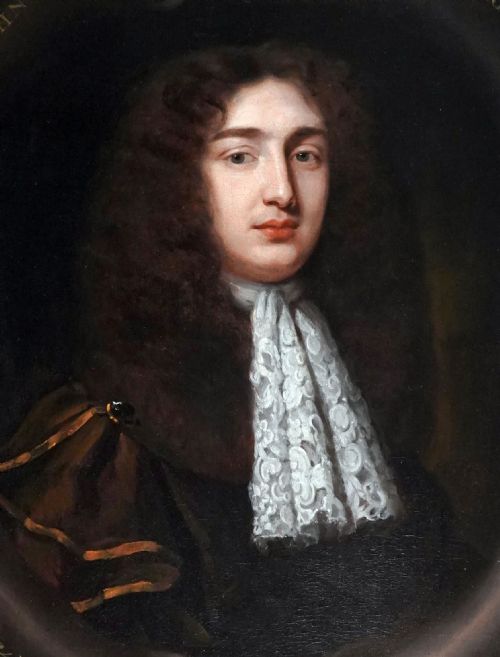
Portrait of John Ludford (1653-1681), wearing a lace jabot and brown and gold trimmed cloak in a feigned stone oval cartouche. Inscribed 'John Ludford, Esq, nat. 14th March 1653, Ob, 15th September 1681', with old plaque titled 'Mary Beale'

Provenance: Private collection, Surrey

Mary Beale (born Craddock in March 1633) was a prolific English portrait painter, becoming one of the most important portrait painters of the middle classes in 17th century England, being described as one of the first professional female English portrait painters. Her sitters included her family, her immediate circle of friends, particularly the protestant clergy, the landed gentry and nobility.

She was born in Barrow, Suffolk where her father was a rector and she married Charles Beale in 1651. She possibly studied under Robert Walker but later was chiefly influenced by Peter Lely who was a friend and whose work he sometimes allowed her to make copies of. Her most active period was in the 1670's and 80's. After Charles's employment in the government patents office came to an end and Mary`s painting became the principle source of income for the family, Charles worked alongside Mary in managed her studio, mixing her paints and keeping detailed notes of her studio activities and commissions. The notebooks for 1677 and 1681 survive and are found at the Bodleian Library, Oxford and The National Portrait Gallery, London, and Vertue published partial transcripts of others.

Mary Beale was ahead of her time as a woman in 17th century England as not only was she successful as an artist in a working environment dominated by men, but during a stay in the country whilst escaping London from the plague of 1666, she wrote about her views on equality between men and women in marriage in her 'Discourse on Friendship', putting into practice these beliefs in her own life.

Her work often displays her talent in depicting her subjects with a particular sensitivity and empathy such as in the intimate portraits of her two young sons, Bartholomew and Charles, found in Tate Britain, London and in her own self portrait in the National Portrait Gallery, London. She died in Pall Mall and was buried in St James's London in October 1699.

Literature:

Walsh and Jeffree The Excellent Mrs Mary Beale 1975/6

Tabitha Barber Mary Beale - Portrait of a seventeenth century painter, her family and her studio 1999.

Physical Dimensions
Height
93cm (36.61")
Width
80cm (31.50")
Declaration

Isherwood Fine Art has dated this 17th Century Oil Portrait to the 17th Century.
Reference Numbers
Sellingantiques Reference
SA1027345
Dealers Notes

Isherwood fine art

Description
Portrait of John Ludford (1653-1681), wearing a lace jabot and brown and gold trimmed cloak in a feigned stone oval cartouche. Inscribed 'John Ludford, Esq, nat. 14th March 1653, Ob, 15th September 1681', with old plaque titled 'Mary Beale'
fig 1. A 17th-century oil portrait depicting a gentleman with dark curly hair and a white lace cravat set within a feigned oval border and a carved giltwood frame.
fig 1. 17th Century English Portrait Oil Painting of John Ludford, Circa 1680, Circle of Mary Beale (1633-1699)

Provenance: Private collection, Surrey

Mary Beale (born Craddock in March 1633) was a prolific English portrait painter, becoming one of the most important portrait painters of the middle classes in 17th century England, being described as one of the first professional female English portrait painters.

Her sitters included her family, her immediate circle of friends, particularly the protestant clergy, the landed gentry and nobility.
Isherwood Fine Art

She was born in Barrow, Suffolk where her father was a rector and she married Charles Beale in 1651. She possibly studied under Robert Walker but later was chiefly influenced by Peter Lely who was a friend and whose work he sometimes allowed her to make copies of. Her most active period was in the 1670's and 80's. After Charles's employment in the government patents office came to an end and Mary`s painting became the principle source of income for the family, Charles worked alongside Mary in managed her studio, mixing her paints and keeping detailed notes of her studio activities and commissions. The notebooks for 1677 and 1681 survive and are found at the Bodleian Library, Oxford and The National Portrait Gallery, London, and Vertue published partial transcripts of others.

Mary Beale was ahead of her time as a woman in 17th century England as not only was she successful as an artist in a working environment dominated by men, but during a stay in the country whilst escaping London from the plague of 1666, she wrote about her views on equality between men and women in marriage in her 'Discourse on Friendship', putting into practice these beliefs in her own life.

Her work often displays her talent in depicting her subjects with a particular sensitivity and empathy such as in the intimate portraits of her two young sons, Bartholomew and Charles, found in Tate Britain, London and in her own self portrait in the National Portrait Gallery, London. She died in Pall Mall and was buried in St James's London in October 1699.

Literature:

Walsh and Jeffree The Excellent Mrs Mary Beale 1975/6

Tabitha Barber Mary Beale - Portrait of a seventeenth century painter, her family and her studio 1999.

Height
93cm (36.61")
Width
80cm (31.50")
Date of Manufacture

Isherwood Fine Art has dated this 17th Century Oil Portrait to the 17th Century.

Reference Numbers
Sellingantiques Ref
SA1027345
Isherwood Fine Art
Isherwood Fine Art
Sellingantiques verified Since Oct 2023

16th to 19th century old master, british and european paintings and sculpture, specialising in period portraiture. Member BADA, LAPADA.

Dealer Profile

You can view the stock and full dealer information on the Isherwood Fine Art Profile Page

Trade Associations

Isherwood Fine Art is a registered member of LAPADA  BADA 

PDF SHARE
SAVE
A 17th-century oil portrait depicting a gentleman with dark curly hair and a white lace cravat set within a feigned oval border and a carved giltwood frame.
1 / 2
Archive I A 17th-century oil portrait depicting a gentleman with dark curly hair and a white lace cravat set within a feigned oval border and a carved giltwood frame.

17th Century English Portrait Oil Painting of John Ludford, Circa 1680, Circle of Mary Beale (1633-1699)

Archive II A 17th-century oil portrait depicting a gentleman with dark curly hair and a white lace cravat set within a feigned oval border and a carved giltwood frame. View II
FURTHER BROWSING

Visitors also looked at these ⇣

Enlarged Archival View
Telephone 07984 699799
Location
Bath and London
United Kingdom

By appointment only.
Verified Since Oct 2023
Items For Sale 43
Items Sold 32
Isherwood Fine Art
Isherwood Fine Art
Verified Since Oct 2023
View Dealer Info
Location: Bath and London, United Kingdom, , By appointment only.
Verified
Oct 2023
For Sale
43
Sold
32
A 17th-century oil portrait depicting a gentleman with dark curly hair and a white lace cravat set within a feigned oval border and a carved giltwood frame.
17th century English portrait oil painting of John Ludford, circa 1680, Circle of Mary Beale (1633-1699)
Ref: SA1027345
A 17th-century oil portrait depicting a gentleman with dark curly hair and a white lace cravat set within a feigned oval border and a carved giltwood frame.
Detail View 1
Archival Detail
Every single antique dealer on our platform is individually approved by our internal team. We verify their professional trade history, ethical standards, and photographic quality to ensure a secure, high-standard buying environment. Upon joining, every dealer agrees to a strict 9-point code of conduct. While issues can occasionally arise, our dealers typically resolve them swiftly and directly with the buyer. In fact, since our founding in 2002, Sellingantiques has only had to step in to help resolve an issue on roughly five occasions—a true testament to the quality of our dealers and their dedication to your happiness.
Our dealers are highly experienced in packing and shipping fragile, high-value antiques. Because you are in direct contact with the dealer, you will be able to easily go through all available shipping and insurance options together to ensure your item arrives safely.
Antiques are the ultimate green purchase. By choosing historical pieces over newly manufactured goods, you completely eliminate the carbon footprint of modern mass production while preserving exceptional, timeless craftsmanship.

English portraiture of the late 17th century, particularly during the Restoration period, often featured sitters framed within feigned stone ovals or cartouches. Influenced by court painters such as Sir Peter Lely and Mary Beale, these works emphasized muted backgrounds, detailed lace neckwear, elaborate wigs, and draped fabrics to reflect high social standing.

Portraits from this era were painted using hand-ground oil pigments on hand-woven linen canvas. Frames were typically crafted from hand-carved wood coated in gesso and finished with gold leaf gilding.

Authentic paintings from this period usually exhibit natural age craquelure across the paint surface, historic wooden stretchers or strainers with hand-forged nails, and hand-stitched canvas seams. Pigment analysis and signs of historic canvas lining also help verify age.

Positioning a historical portrait above a fireplace mantel or integrated into an eclectic gallery wall creates an engaging focal point. The rich tones and gilded frame pair well with contemporary neutral walls, dark wood cabinetry, or library panelling.

Keep the canvas away from direct sunlight, dampness, and severe temperature fluctuations. Dust the surface lightly with a soft, clean brush, and consult a professional fine art conservator for surface cleaning or structural canvas stabilization.
items
Add keywords to the filter
Price
£100
£250000
Era
Movements
Material
Origin
Stock Location
Freshness
Online Payments
Categories