

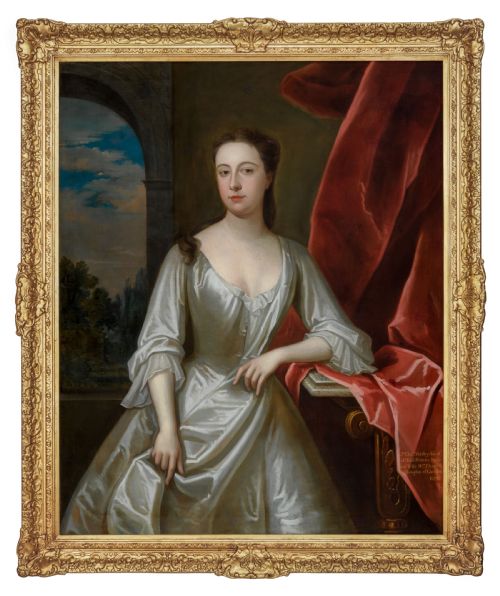
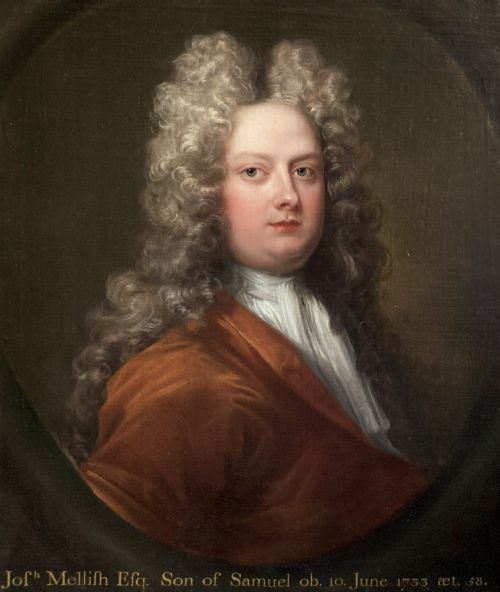
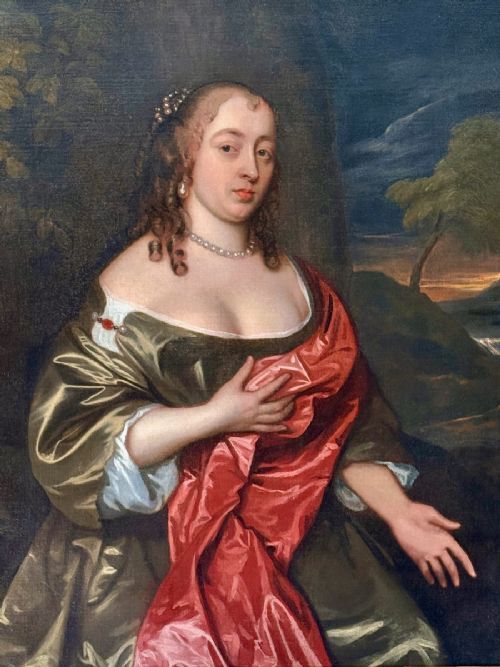
English Oil Portrait
An authentic english oil portrait captures the presence of past centuries through layered pigment on canvas or panel.
English Oil Portrait
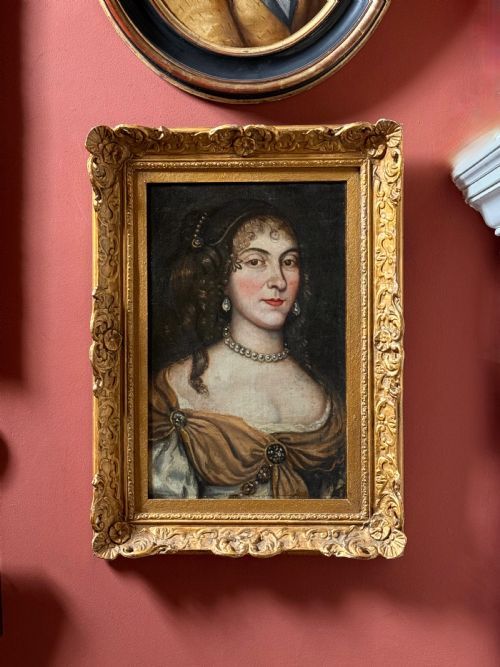
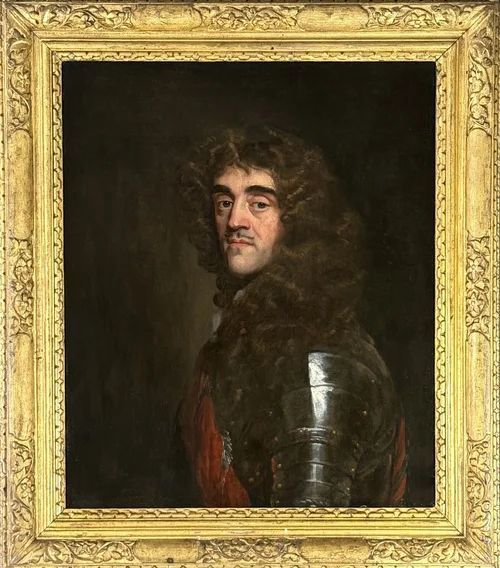
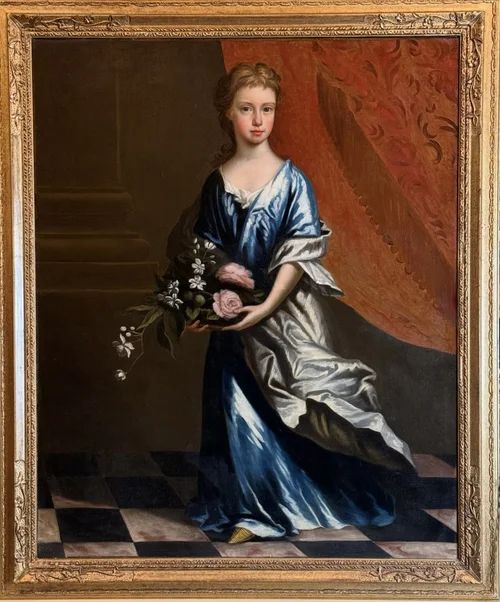
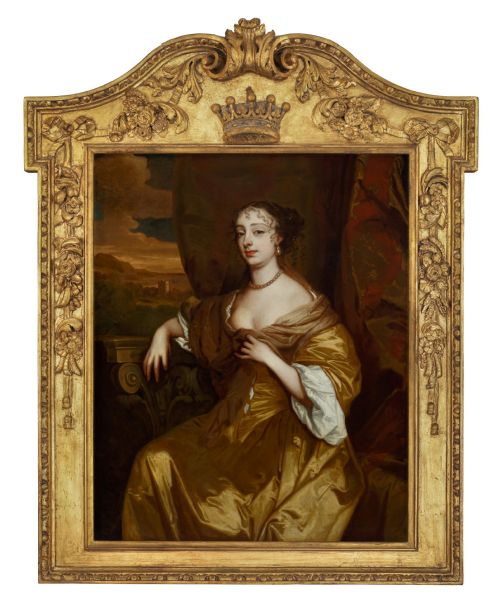
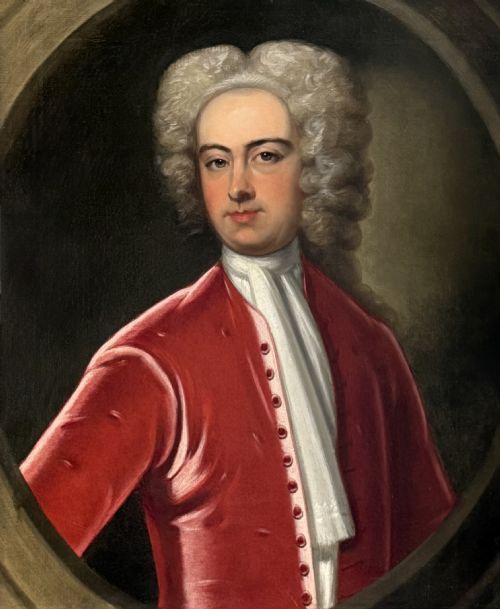
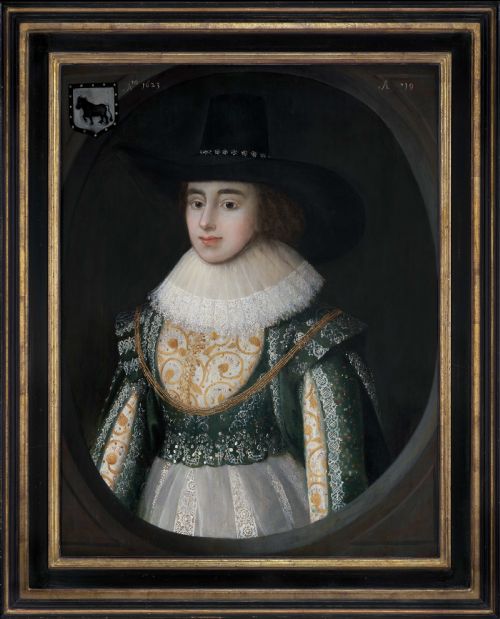
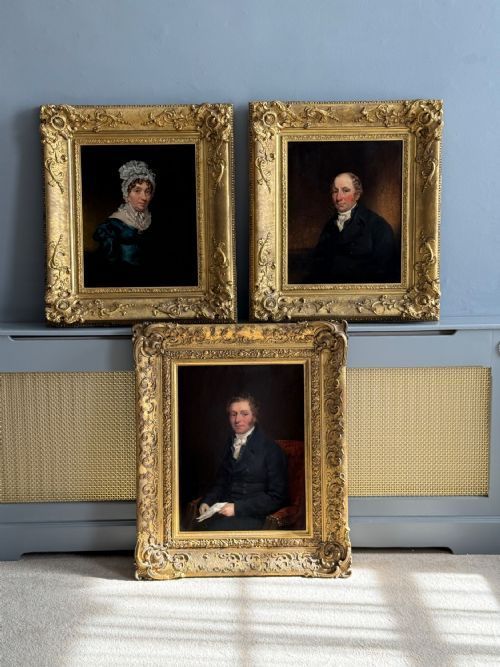
An english oil portrait records the likenesses of nobility, gentry, and notable figures across the seventeenth, eighteenth, and nineteenth centuries. These works span aristocratic commissions by leading court painters and anonymous regional studies produced by the English School.
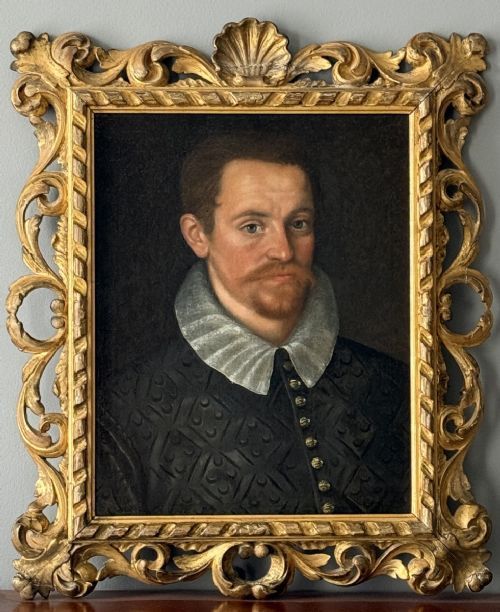
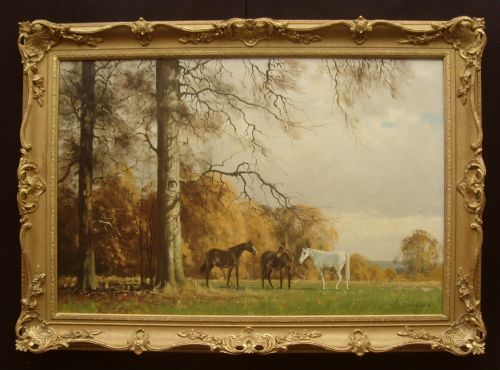
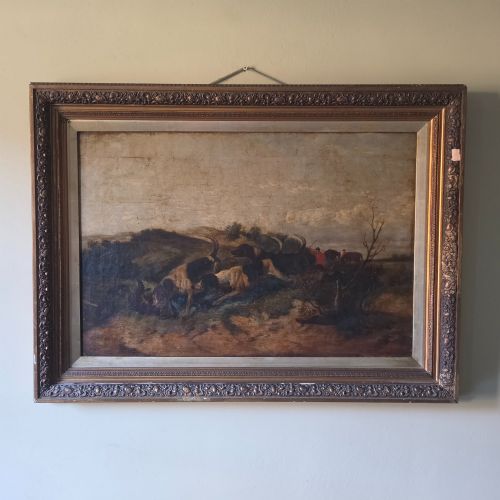
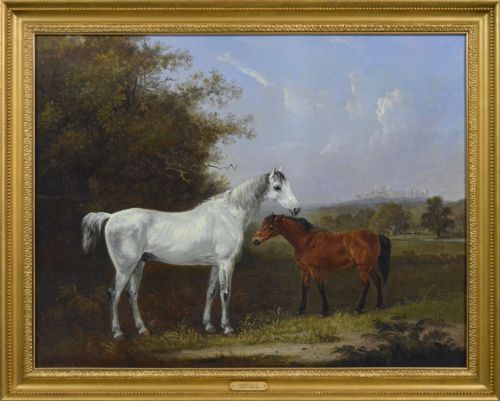
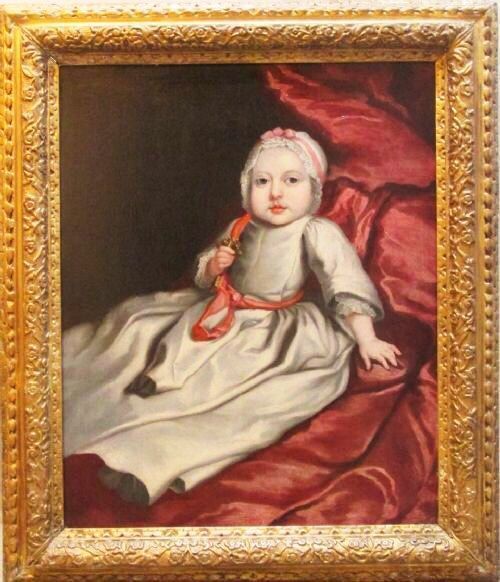
Subjects range from formal half-length depictions in elaborate lace ruffs and dark doublets to seated gentlemen, noblewomen, children, and occasional animal studies including prize bulls and racehorses. Surviving examples reflect the shifting fashions of Georgian, Regency, and Victorian portraiture.
How they were made
Artists built these compositions primarily using oil paint applied to woven canvas supports or rigid wood panels. Many historical canvases remain unlined on their original stretchers, while others show the marks of later restoration.
Frames play an integral structural role, with period pieces frequently housed in heavily carved, gilded giltwood or gilt wood mouldings that complement the depth of the painted surface.
Listings feature oil on canvas and wood panel works spanning the 17th century through the Victorian era.
What varies in quality
Execution separates grand studio productions from provincial output, visible in the handling of facial anatomy, hands, and textile folds. Master painters achieved a distinct psychological depth and luminous skin tones that lesser hands missed.
Condition dictates overall integrity, distinguishing undisturbed historical surfaces with original varnish layers from heavily retouched panels or re-stretched canvases that have lost their initial tension.
Sir Godfrey Kneller·Charles Jervas·John Hayls·Joshua Reynolds·Michael Dahl·Thomas Murray·Mary Beale·Thomas Beach·Thomas Lawrence·John Greenhill·John Closterman·Robert Byng·William Beechey·John Opie·John Michael Wright
The English Oil Portrait Glossary
- Canvas
- A heavy woven fabric stretched across a wooden frame to serve as the primary support for oil paintings. Painters prepared these grounds with size and gesso before applying pigment.
- Panel
- A flat wooden board used as a rigid painting support instead of canvas. Panel paintings frequently date to earlier periods before canvas became dominant.
- Giltwood
- Wood carved and covered with a thin layer of gold leaf. Elaborate giltwood frames define the presentation of formal historic paintings.
- English School
- A designation for anonymous artists working within Britain whose specific identities remain unrecorded. These makers followed the prevailing stylistic conventions of their era.
- Circle of
- A term indicating a painter working in close association with a named master, absorbing their direct style and workshop practices.
English Oil Portrait: Frequently Asked Questions
How do I date an english oil portrait?
Dating relies heavily on the sitter's costume, hair styling, and ruff or collar design, which changed rapidly across the seventeenth and eighteenth centuries. Inscribed dates, heraldry, or documented biographical details of the subject also provide secure chronological markers.
Stylistic comparisons with dated works by the same studio or the prevailing English School help narrow the decade of execution when records are incomplete.
What is the difference between canvas and panel portraits?
Panel portraits utilise flat wooden boards and typically indicate earlier seventeenth-century production before woven fabric became the standard support. Wood panels offer a rigid surface that behaves differently under environmental shifts than flexible textiles.
Canvas supports became widespread by the Georgian era, allowing for larger compositions and simpler transport of finished portraits.
Who were the English School?
The English School refers to generations of native and immigrant portraitists working within Britain whose individual names are lost or unrecorded. These practitioners trained in regional workshops or major London studios, following contemporary academic standards.
Their surviving output forms the vast majority of historical portraiture available to collectors today.
How should I care for an antique portrait?
Antique portraits require stable indoor humidity and temperature levels away from direct sunlight to prevent the oil paint and canvas from drying out or cracking. Avoiding rapid environmental fluctuations protects both the wooden stretcher and the fragile surface varnish.
Dusting should be performed gently with a dry, soft brush, leaving any deep cleaning or canvas consolidation to professional conservators.