

17th Century Fine Art
When you search for 17th century fine art, you step into an era defined by oil portraits and woven tapestries.
17th Century Fine Art
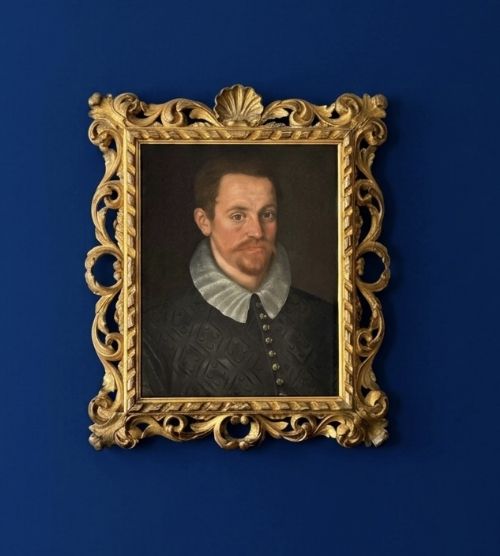
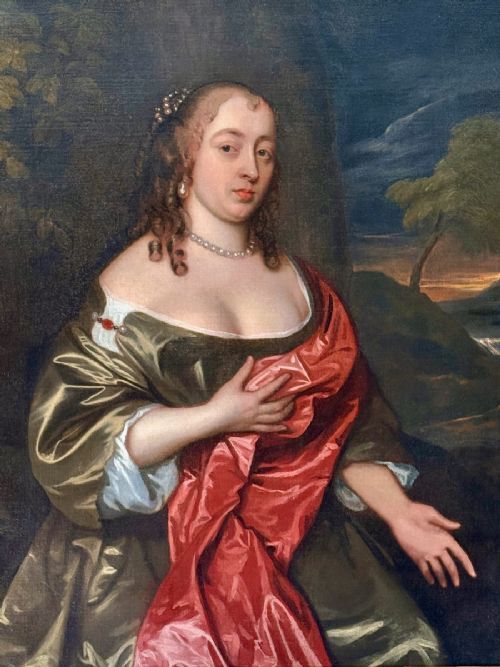
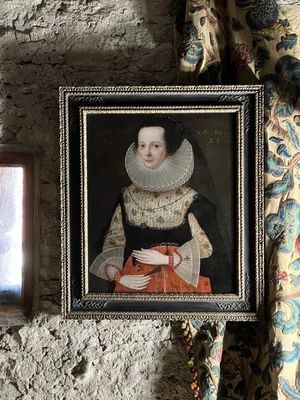
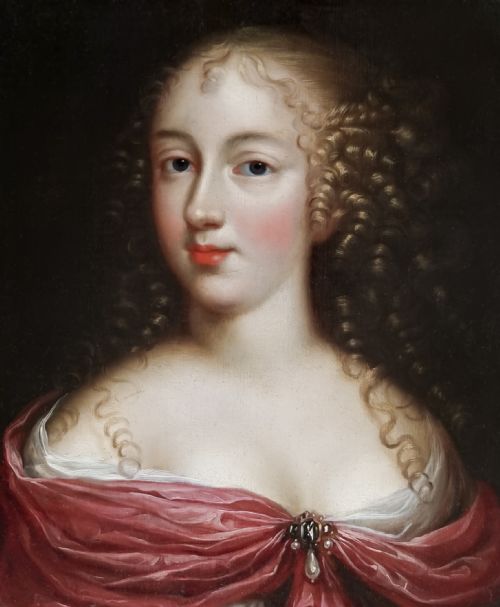
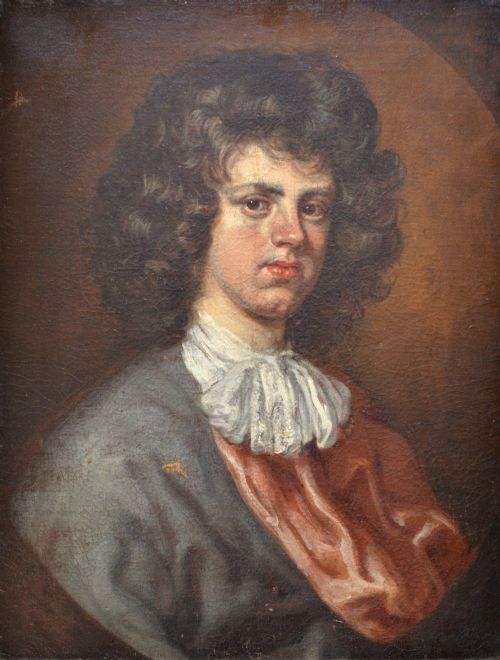
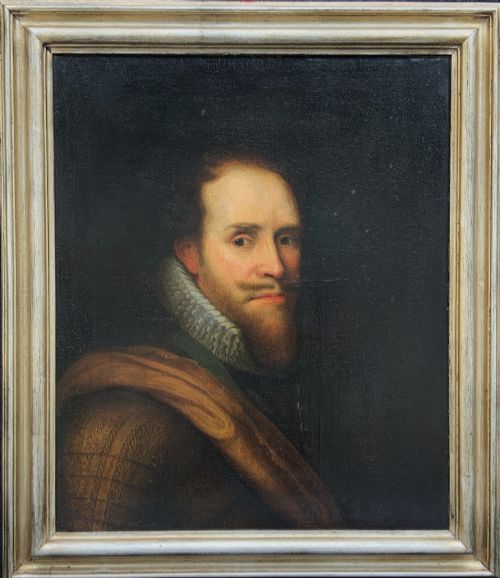
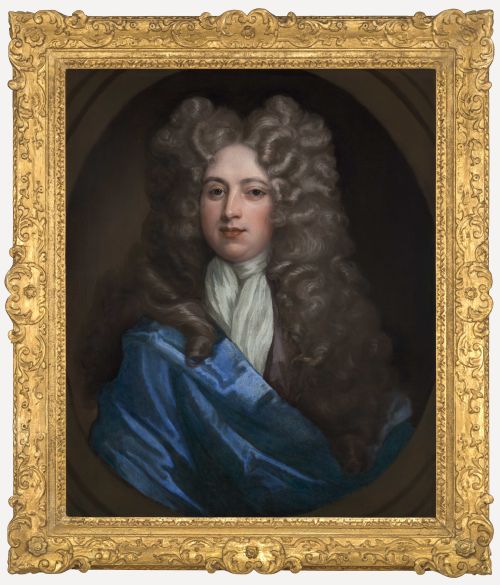
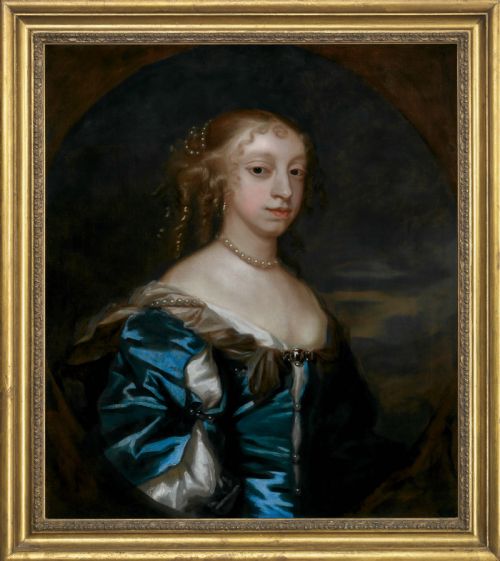
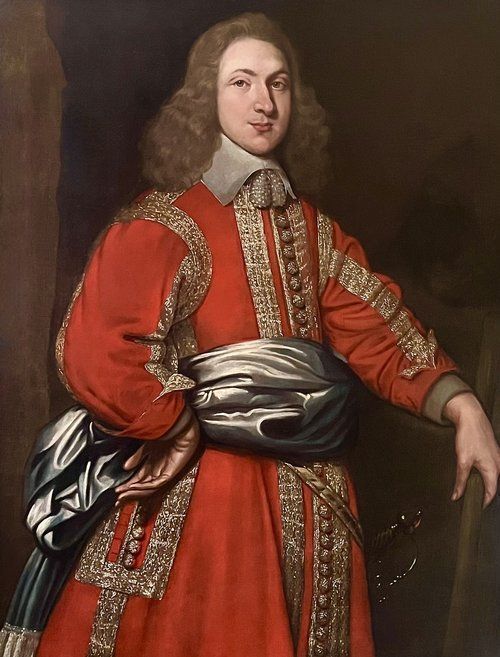
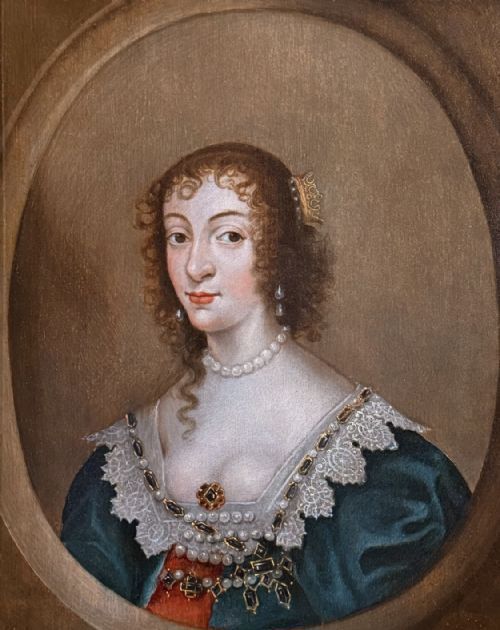
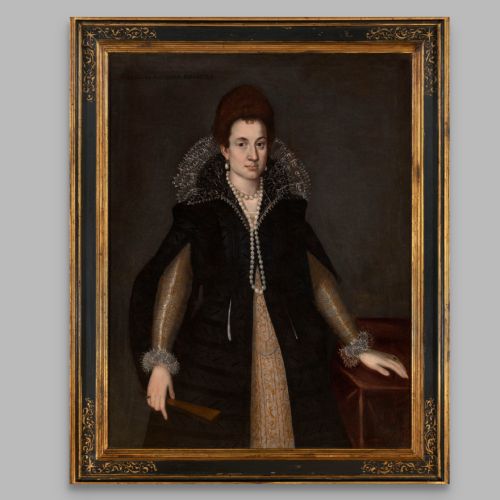
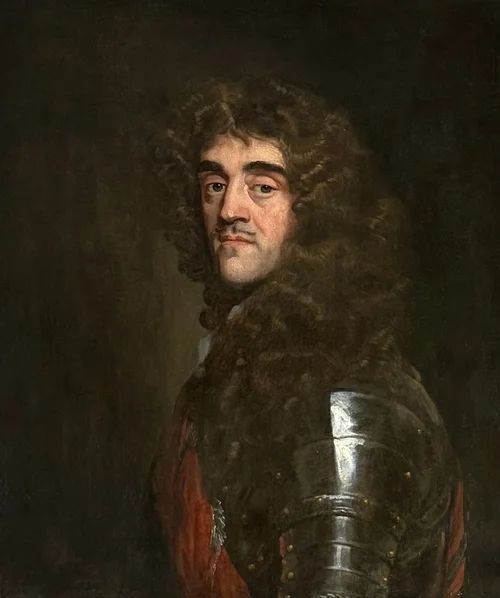
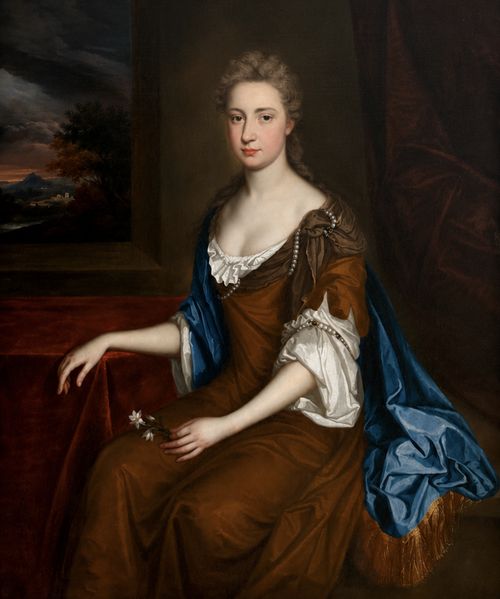
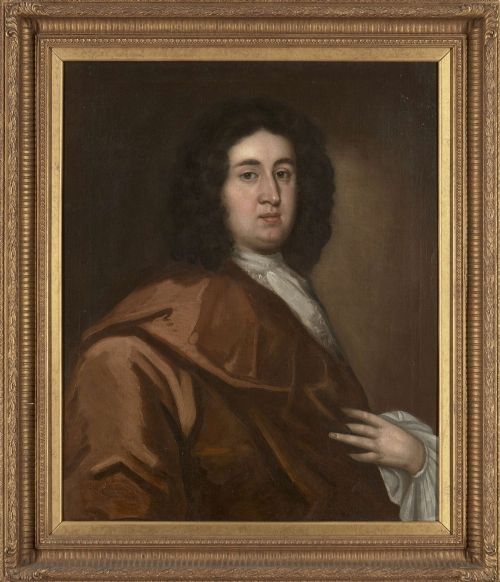
Buyers seeking 17th century fine art encounter predominantly oil paintings, specifically portraiture depicting nobility, military officers, and gentlefolk in elaborate costume, armour, or ruffs.
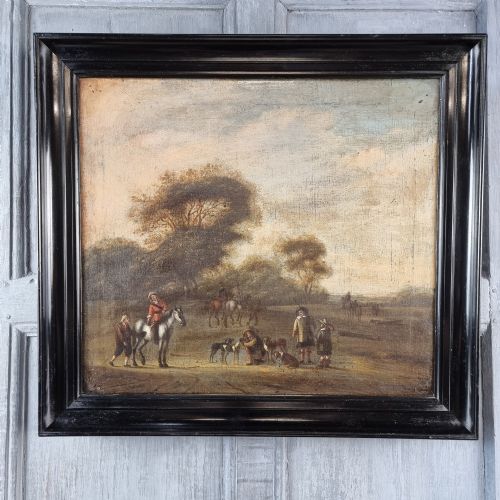
The selection also includes wall tapestries alongside landscape and biblical scenes originating from English, Dutch, Flemish, and German schools.
Works on this page span the 17th century itself, with occasional later interpretations from the 18th and 19th centuries rendered in Baroque and Jacobean styles.
Materials and techniques
Artisans applied oil paint using canvas or wooden panels made from oak as their primary supports.
Many frames utilise carved and gilded wood, known as giltwood, incorporating gold leaf to accent the sculptural detail around the paintings and tapestries.
17th Century Fine Art Retail Price Guide 2026
Typical asking prices for 17th century fine art among the pieces listed under this phrase on Sellingantiques today, from the lower quarter to the upper quarter. They describe what is for sale here now, not the wider market.
Listings feature oil on canvas, oil on panel, and giltwood frames across English, Dutch, and Flemish schools.
Factors of quality
Condition of the canvas, panel stability, and the preservation of original pigments influence the standing of each piece within its period.
John Hayls·Sir Anthony van Dyck·Pierre Mignard·Mary Beale·Thomas Murray·John Greenhill·John Closterman·Sir Peter Lely·Cornelius Johnson·Michael Dahl·Nicolaes Maes·Cornelis Van Poelenburgh
The 17th Century Fine Art Glossary
- Baroque
- A style of European architecture, music, and art of the 17th and 18th centuries that featured ornate detail and dramatic tension. This movement manifests in dynamic portrait poses and rich lighting.
- Jacobean
- Pertaining to the reign of James I in England, noting a specific stiffness and elaborate linear detail in portraiture. Costumes from this period display heavy embroidery and stiff ruffs.
- Giltwood
- Wood that has been covered with gold leaf or gold paint for decorative effect. This finish frequently appears on the antique frames housing the paintings.
- Old Master
- A term for a European painter of skill born before about 1800. These artists form the foundation of historical painting traditions.
17th Century Fine Art: Frequently Asked Questions
What subjects appear most frequently in 17th century fine art?
Human subjects dominate the category, featuring individual portraits of gentlemen in armour, noblewomen in sumptuous attire, and monarchs like Charles I.
Alongside portraits, listings occasionally include landscape views, biblical scenes, and large verdure tapestries.
Which regions produced these artworks?
Production spans across England, the Netherlands, Flanders, and Germany, reflecting the dominant artistic centres of the period.
Anglo-Dutch and Anglo-Flemish schools also emerge where artists crossed borders or trained within mixed traditions.
How do panel paintings differ from canvas works?
Early works often utilise wooden panels made from oak as a rigid support for the oil paint before canvas became the dominant medium.
Panel paintings require careful environmental controls to prevent the wood from warping over the centuries.
What defines the Jacobean style in these portraits?
Jacobean painting highlights rigid, formal postures paired with extraordinarily detailed rendering of lace collars, embroidery, and jewels.
The sitters wear stiff garments that reflect the strict fashion protocols of early seventeenth-century courts.