


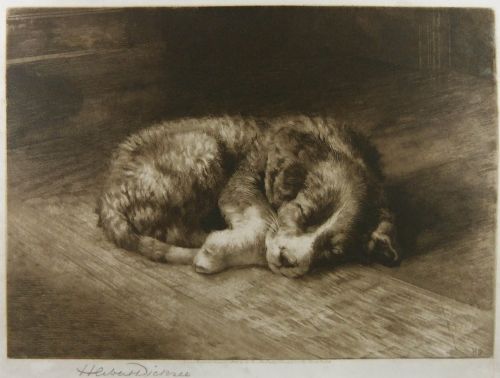
Monochrome Paper Engraving
Monochrome paper engraving works capture historical portraiture, classical antiquity, and domestic scenes through inked impressions on paper sheets.
Monochrome Paper Engraving
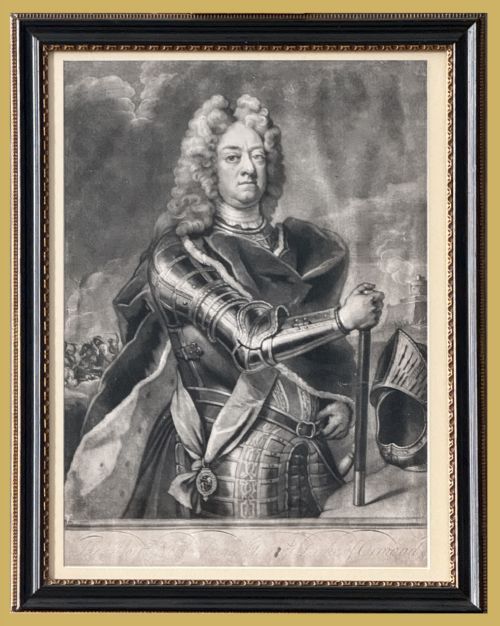
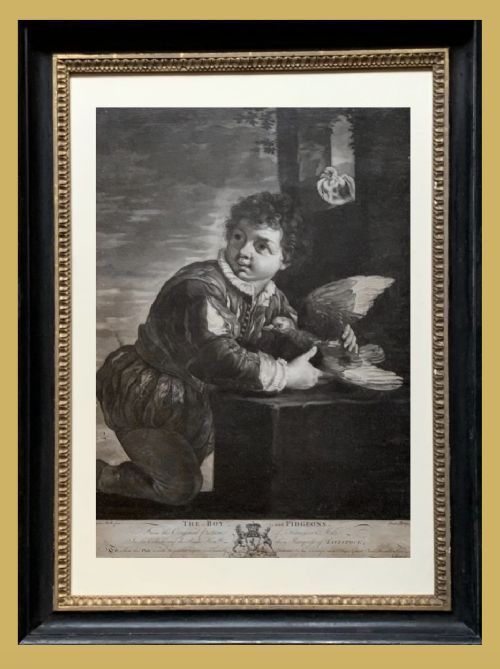
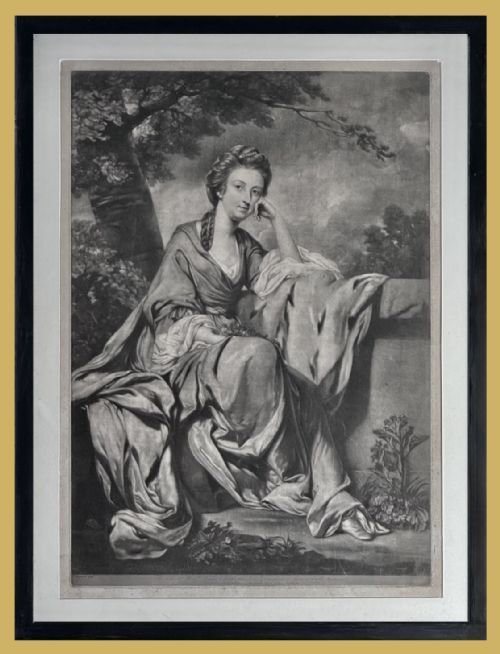
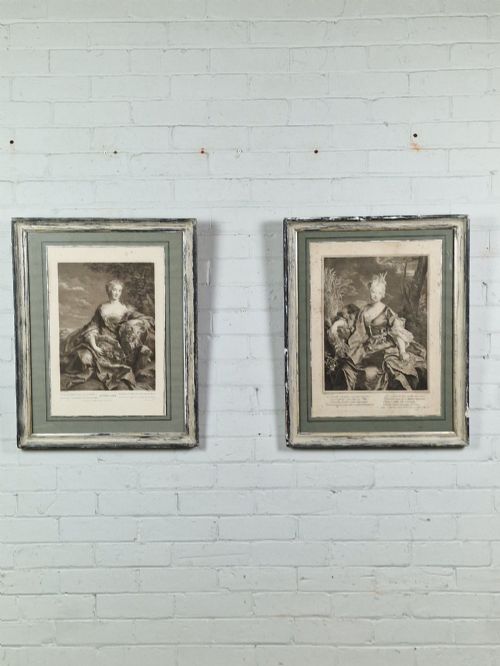
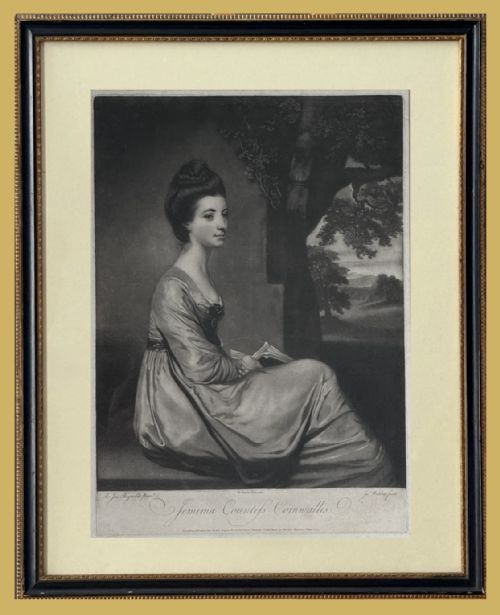
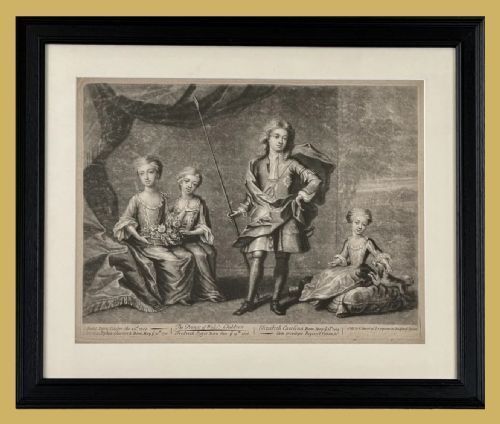
A monochrome paper engraving selection comprises printed works spanning from the seventeenth century through the early twentieth century, including Georgian and Victorian periods. Buyers encounter framed prints, wall art, and bound maps alongside portrait mezzotints and etchings.
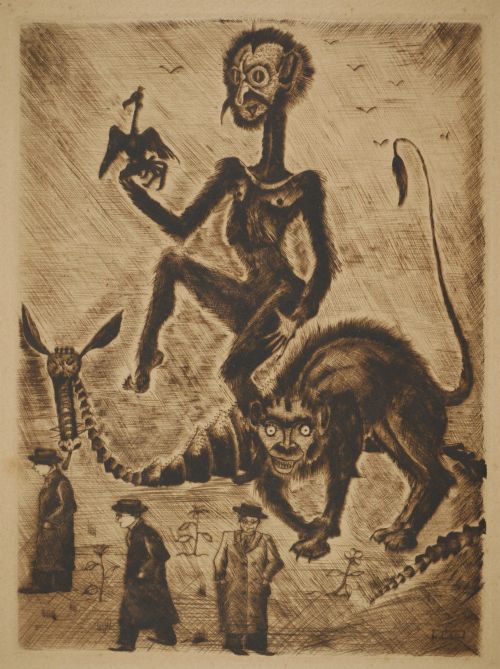
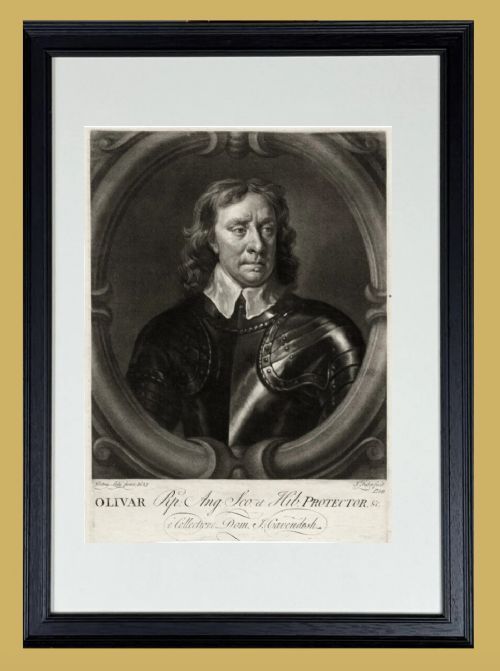
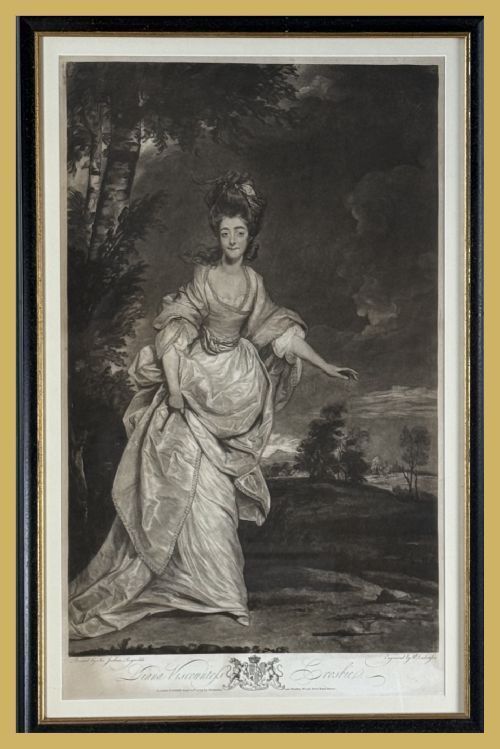
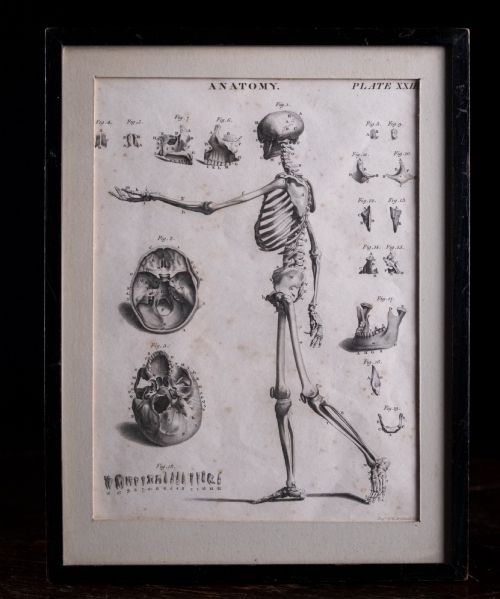
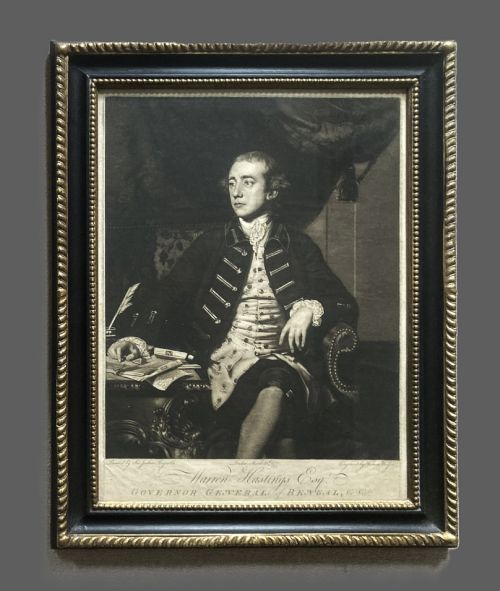
The predominant format on this page is the eighteenth-century portrait print or series, frequently rendered in black and white ink on paper. Examples range from classical antiquity scenes to social satires and anatomical studies.
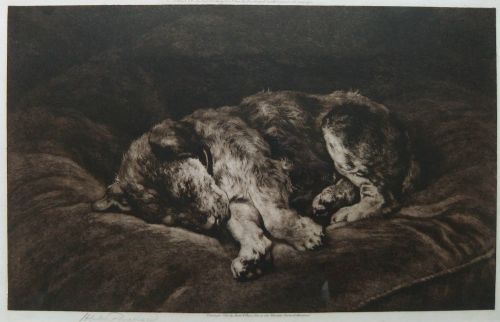
Subjects include British nobility, historical figures, and animal studies by makers like Herbert Dicksee. These works provide a direct record of historical printmaking techniques across baroque, neoclassical, and surrealist styles.
Materials and methods
These works utilise paper sheets inscribed with ink via copperplate engraving, etching, or mezzotint techniques. Artisans transferred images from metal plates onto paper support.
Framing materials commonly incorporate wood, glass, cloth, board, and giltwood. Original frames often accompany the paper prints, maintaining period consistency.
Monochrome Paper Engraving Retail Price Guide 2026
Typical asking prices for monochrome paper engraving among the pieces listed under this phrase on Sellingantiques today, from the lower quarter to the upper quarter. They describe what is for sale here now, not the wider market.
Listings span multiple centuries, uniting seventeenth-century portrait mezzotints with early twentieth-century signed etching proofs on paper.
Quality and execution
Quality rests upon the clarity of the ink impression and the preservation of the paper substrate. Early print runs yield sharper lines and richer tonal gradations in mezzotints.
The integrity of the original frame, when present, influences the object. Contemporary mountings differ from period wooden and giltwood frames that retain their original patination.
John Simon·John Boydell·Edward Fisher·John Smith·James Watson·Joseph Sympson·W Dickinson·Andrew Bell·Thomas Watson·François Perrier·Robert Williams·Valentine Green·James Macardell·Jacobus Howbraken·Richard Houston·Herbert Dicksee·Simon François Ravenet
The Monochrome Paper Engraving Glossary
- Mezzotint
- A printmaking process where the copper plate is roughened to achieve dark tones and smoothed areas for lighter tones. This technique allows for subtle tonal gradations in portraits.
- Etching
- A method where lines are bitten into a metal plate with acid before ink is applied for printing. Artists draw through a protective ground to expose the metal.
- Copperplate engraving
- A process where an artisan cuts lines directly into a copper plate using a burin. The resulting grooves hold the ink for transfer to paper.
- Artist proof
- An impression printed for the artist to check the state of the plate before the main edition. These proofs often carry specific signatures or annotations.
- Baroque
- An artistic style from the seventeenth and early eighteenth centuries characterised by drama and rich detail. Engravings from this era reflect these ornate compositional elements.
Monochrome Paper Engraving: Frequently Asked Questions
What subjects appear in these engravings?
The subjects span historical portraits of nobility, classical antiquity scenes, and anatomical studies. Narrative series and social satires also feature prominently across the inventory.
Animals and natural history subjects appear in later nineteenth and early twentieth-century works, alongside maps from global voyages.
How do I care for antique paper prints?
Protect the paper from direct sunlight to prevent fading of the ink and discolouration of the sheet. Keep them away from damp environments to avoid foxing and mould growth.
Ensure framing materials are acid-free if reframing, and maintain stable indoor humidity levels in the room where they hang.
Are these prints original period pieces?
The listings comprise period impressions created during the seventeenth, eighteenth, nineteenth, and early twentieth centuries. Many bear attribution to the original engraver and publisher.
Dates associated with the pieces reflect the era of production, ranging from early copperplate engravings to signed artist proofs from the twentieth century.
How can I distinguish between an etching and a mezzotint?
An etching relies on fine, incised lines cut by acid into the metal plate to form the image. It presents a crisp linear structure.
A mezzotint builds up rich, velvety areas of dark tone and smooth gradients rather than depending purely on line. The plate is roughened across the surface to hold dense ink.