


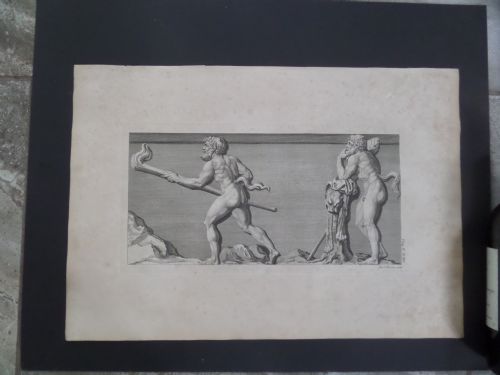


James Basire Engraving
A james basire engraving captures the austere grandeur of the Neoclassical age, offering sharp architectural precision and mythic detail on aged paper.
What these prints are
A james basire engraving is a work on paper produced during the eighteenth century, frequently documenting classical architecture, antiquities, and mythological figures. These prints draw heavily upon the archaeological discoveries of the period, particularly the monuments of Athens and the wider Grand Tour tradition.
The most common examples on this page derive from the major recording projects of the era, showcasing precise line work and ink monochrome. Subjects range from monumental facades and architectural fragments to satyrs, gladiators, and classical deities.
The material form is straightforward: dark ink printed onto laid or wove paper sheets. These works served both as scholarly records for eighteenth-century intellectuals and as decorative pieces for contemporary collectors.
How they were made
These works rely upon intaglio printmaking techniques, where lines are incised directly into a metal plate using a sharp tool or bitten with acid. The plate holds the ink within these grooves, which is then transferred under pressure to dampened paper.
The resulting medium consists of fine ink lines on high-rag paper stock. Because the process requires significant pressure, the paper often displays a distinct plate mark surrounding the printed image.
Retail Price Guide 2026
Typical UK retail prices for james basire engraving, calculated from the Sellingantiques database of over a million retail prices indexed since 2003. This retail price guide relies exclusively on Sellingantiques data; no external sources or auction records are used, so the figures do not describe the wider market.
Certain plates capture ancient Athenian domestic items alongside grand temples, proving that eighteenth-century tourists loved a souvenir keychain equivalent.
What varies in quality
Quality in these prints rests primarily upon the clarity and crispness of the ink impression. Early impressions from a fresh plate display sharp, deep lines, whereas later printings yield softer details and shallower tonal depth.
The condition of the paper surface also dictates standing. Sheets retaining full margins, even historical toning without heavy foxing, and clean platemarks command greater appreciation than trimmed or heavily restored examples.
James Basire·J.M.W. Turner·J. Schnebbelie
The James Basire Engraving Glossary
- Engraving
- A printmaking process where an artist cuts lines directly into a metal plate with a burin. This mechanical method produces clean, precise lines characteristic of architectural illustration.
- Plate mark
- The indentation left in the paper by the edge of the metal printing plate during the press run. This physical depression confirms an authentic intaglio print.
- Grand Tour
- The eighteenth-century custom of a traditional trip through Europe undertaken by upper-class young men. Prints of this genre often recorded the classical sites visited along the route.
- Neoclassical
- The dominant artistic style of the later eighteenth century inspired by the classical art and culture of ancient Greece and Rome. It prioritises symmetry, proportion, and straight lines.
- Foxing
- Brown spots and discolouration that develop on old paper due to chemical reactions over centuries. It appears frequently on eighteenth-century book illustrations and unbound prints.
Frequently Asked Questions
How should I frame an eighteenth-century print?
Protect the paper by using acid-free mounts and framing materials that keep the sheet away from direct contact with the glass. Conservation-grade UV-blocking glazing helps prevent the ink and paper from fading under ambient light.
Keep the piece away from direct sunlight and damp environments to ensure the paper remains stable over time.
Are these prints original eighteenth-century impressions?
The listings comprise works printed during the eighteenth and early nineteenth centuries using traditional plate methods. Paper characteristics, plate marks, and ink density help distinguish period impressions from later reproductions.
Examine the margins and reverse of the sheet for signs of age-appropriate paper stock and historical binding offsets.
What subjects are typical of these engravings?
Common subjects include Greek and Roman architectural monuments, classical statues, and scenes from mythology involving satyrs, gladiators, and deities. Natural history subjects such as anatomical skull studies also appear.
These varied themes reflect both the academic interests of the period and the desire to document classical antiquity.
How do I care for antique paper?
Store or display works on paper in rooms with stable temperature and humidity levels to prevent warping and mould growth. Avoid hanging prints where they catch direct, strong daylight.
Consult a paper conservator if the sheet requires cleaning or repair, rather than attempting home remedies.