

18th Century Copperplate Print
An 18th century copperplate print offers a direct window into Georgian and Rococo visual culture through finely worked ink on paper.
What an 18th Century Copperplate Print Is
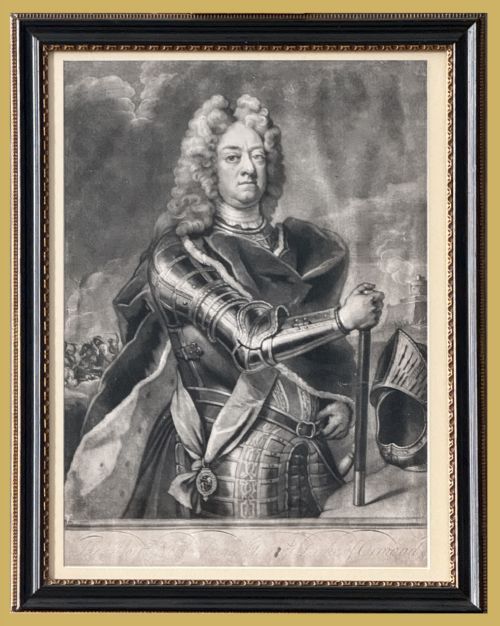
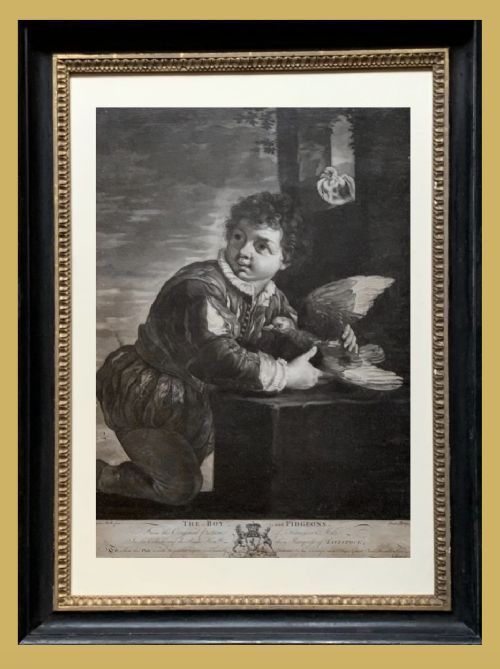
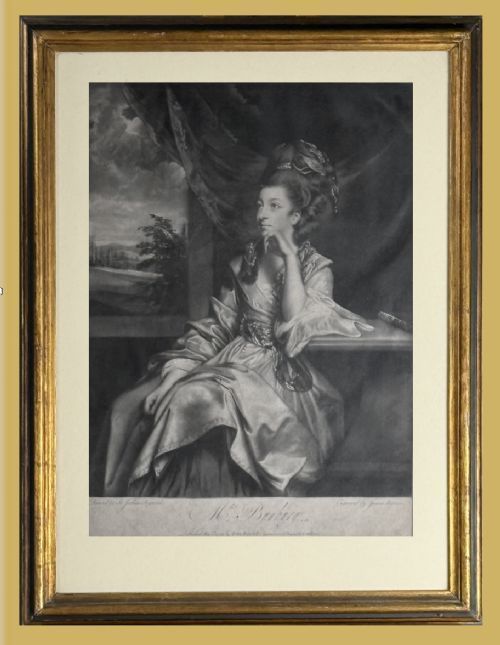
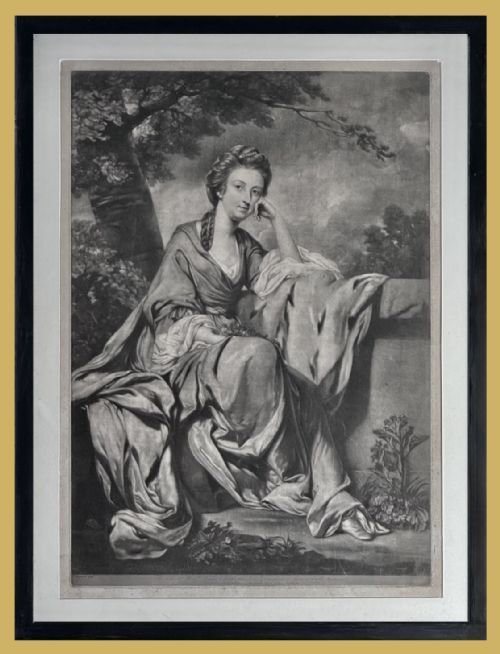
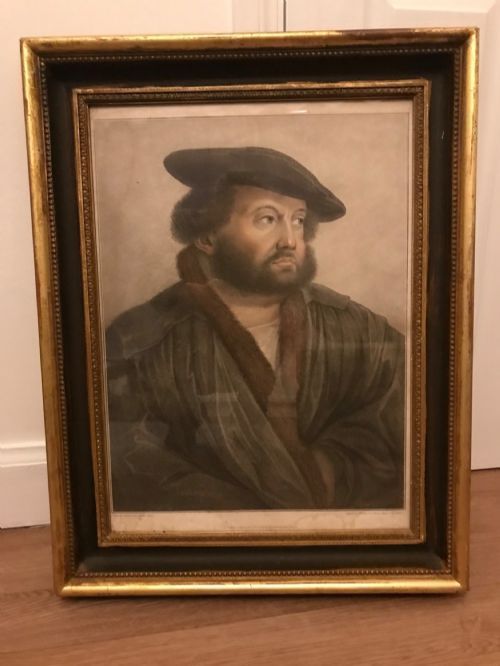
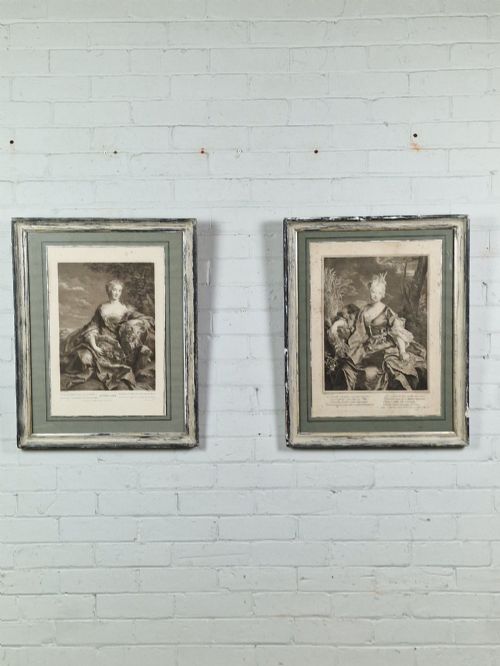
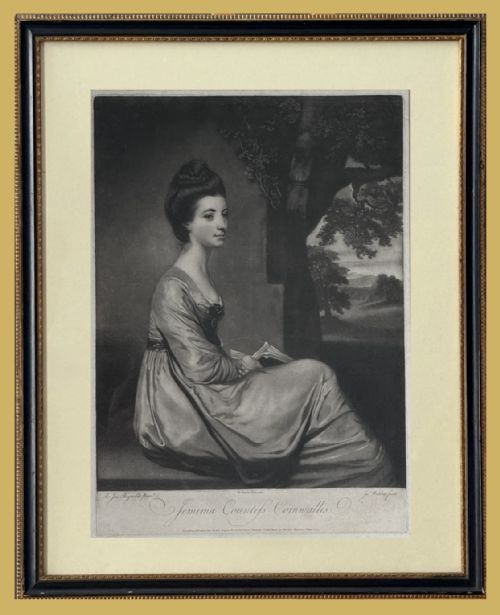
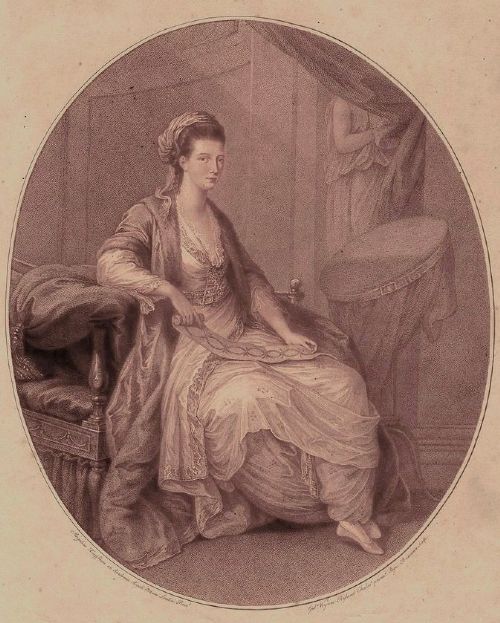
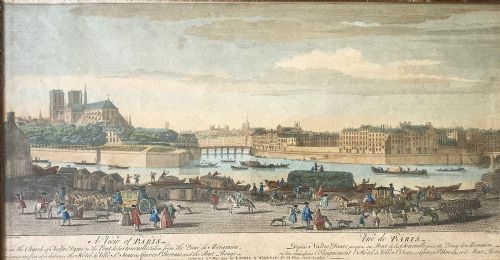
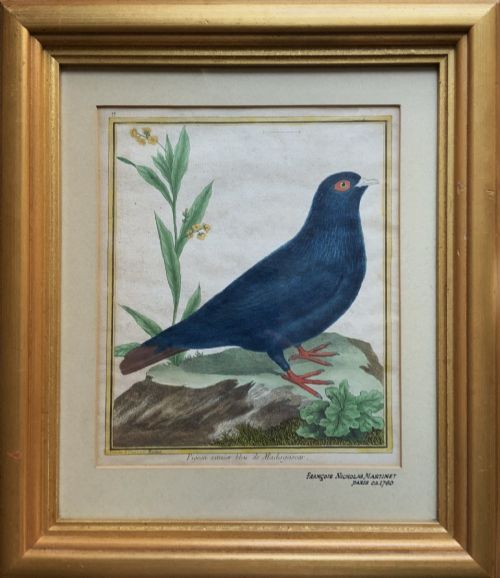
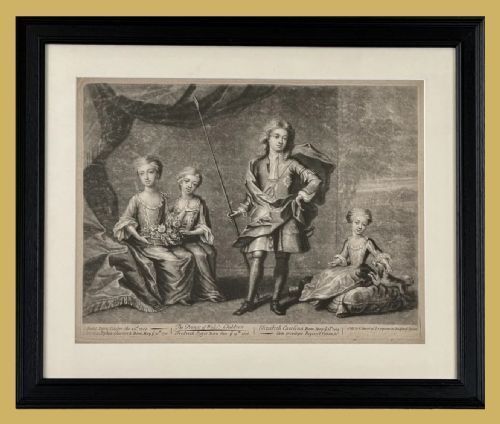
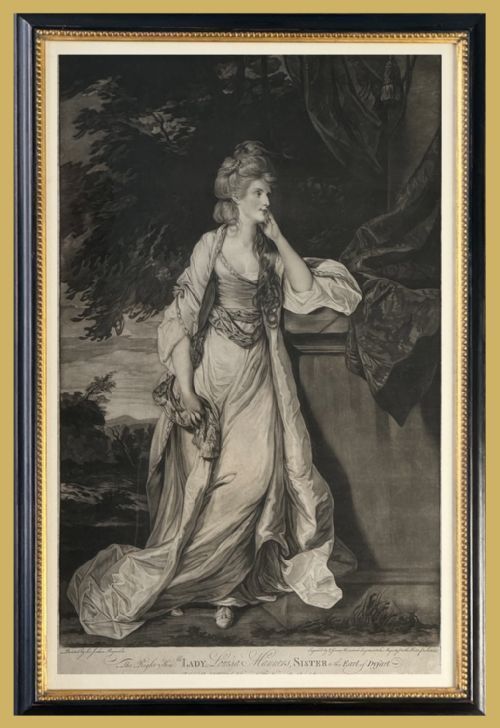
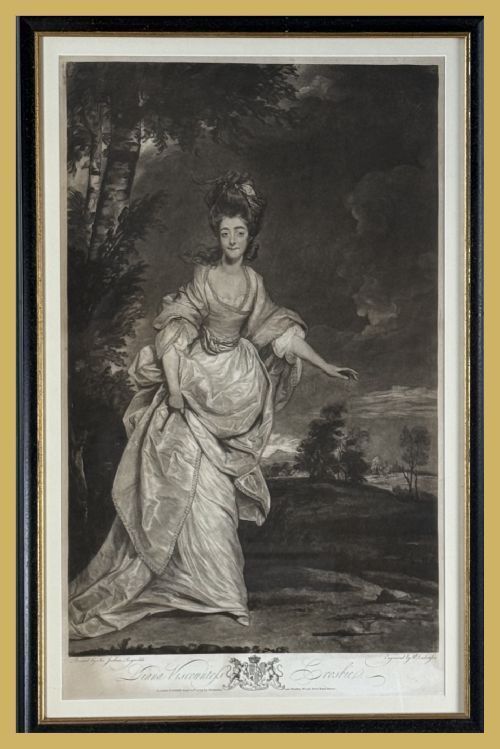
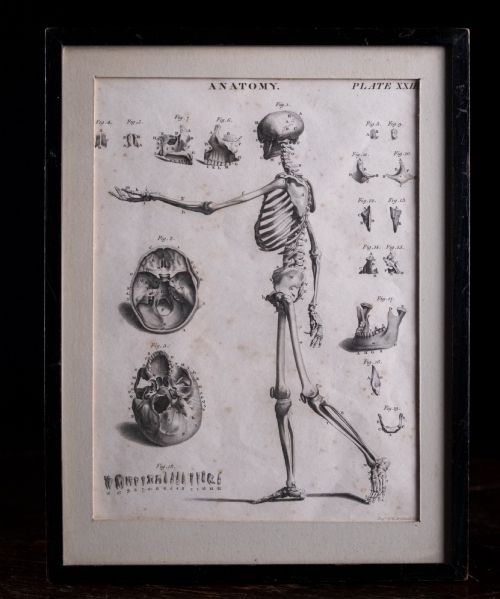
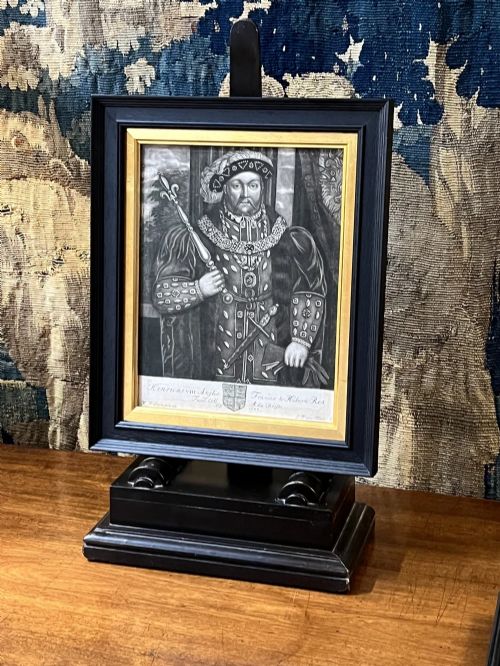
When you search for an 18th century copperplate print, you encounter works spanning architectural studies, mythological scenes, and topographical prospects framed behind glass. The examples on this page are paper works dated to the eighteenth century, presented in wood or gilt wood frames as wall art and fine art prints. These pieces record the detailed graphic output of the Georgian and French Rococo periods.
The subjects range from the classical architectural details of Athens and mythological figures such as winged gods and satyrs to landscape hunting scenes and English town prospects. Most bear the specific hallmarks of eighteenth-century engraving technique, utilising fine lines incised into metal plates. They function as both historical documents and decorative objects suitable for domestic display.
How They Were Made
Makers produced these works by incising lines into copper plates using sharp tools, then applying ink to the surface and pressing dampened paper into the grooves under heavy pressure. The resulting prints capture exceptional fine detail, from architectural masonry to landscape foliage, using dark ink on traditional paper. Artisans then housed these works behind glass within timber frames, often finished in gilt wood.
The materials recorded in the listings consist simply of paper, ink, glass, wood, and gilt wood. This straightforward combination relies entirely on the precision of the engraved lines and the quality of the presswork to define the image. Framing materials from the period or later additions protect the delicate paper surface from atmospheric damage.
Retail Price Guide 2026
Typical UK retail prices for 18th century copperplate print, calculated from the Sellingantiques database of over a million retail prices indexed since 2003. This retail price guide relies exclusively on Sellingantiques data; no external sources or auction records are used, so the figures do not describe the wider market.
Ancient Greek architectural ruins and winged gods share wall space here with eighteenth-century English town prospects.
What Varies in Quality
Quality in an 18th century copperplate print rests upon the crispness of the engraved line and the clarity of the impression transferred to the paper. Early strikes from a freshly worked plate display sharp, deep details in architectural masonry or figures, whereas worn plates yield softer, shallower impressions. The depth of the ink and the preservation of the paper sheet further distinguish finer impressions from standard examples.
The presentation also contributes to the overall character, notably the retention of original or period-appropriate wood and gilt wood frames. Clear glass and clean margins around the printed image elevate the visual impact of architectural subjects and topographical prospects. The reputation of the engraver adds a further dimension of distinction to specific plates.
C de Falens·Buck·James Basire
The 18th Century Copperplate Print Glossary
- Copperplate
- A printing technique where an artist incises an image directly into a copper sheet with a burin or etching acid. This method allows for extreme fineness of line and tonal subtlety.
- Engraving
- A method of printmaking where lines are cut into a hard plate using a sharp metal tool. The incised grooves hold the ink that transfers to the paper during printing.
- Topographical prospect
- A detailed panoramic view of a specific town, building, or landscape. These prints serve as historical records of Georgian architecture and townscapes.
- Gilt wood
- Wood coated with a thin layer of gold leaf or gold paint. This finish commonly appears on frames housing fine art prints from the period.
- Neoclassical
- A style drawing inspiration from the classical art and culture of ancient Greece and Rome. It appears frequently in architectural engravings and academic studies of the eighteenth century.
Frequently Asked Questions
What subjects do these prints show?
The subjects cover a diverse range of eighteenth-century interests, including classical architecture from Athens, mythical figures, and detailed architectural studies. You also find British town prospects and French landscape hunting scenes.
These varied themes reflect the intellectual and decorative tastes of the Georgian and Rococo periods. Each genre demonstrates the precision achievable through copperplate engraving.
How should I frame and display them?
These works require framing behind glass to protect the delicate paper surface from dust, moisture, and direct sunlight. Many arrive already housed in wood or gilt wood frames suited to domestic walls.
Keep them away from direct heat sources and strong light to preserve the ink and paper over time. Proper framing ensures the longevity of these eighteenth-century works on paper.
How do I identify the period?
Period identification relies on the paper characteristics, the style of the engraving, and the subject matter typical of the eighteenth century. Neoclassical and Rococo artistic conventions provide strong visual indicators of the era.
Maker signatures and published titles often record specific dates or working periods, such as the mid-eighteenth century. Comparing the style of lettering and imagery helps confirm the age of the print.
Were these prints made as books plates?
Many large engravings originated as plates for dedicated folio volumes documenting antiquities, architecture, or travels. Works such as studies of Athens were frequently published in structured plate books before individual distribution.
Over time, collectors often separated these sheets for framing and independent display as wall art. This history accounts for the generous margins and fine detail found on architectural engravings.