

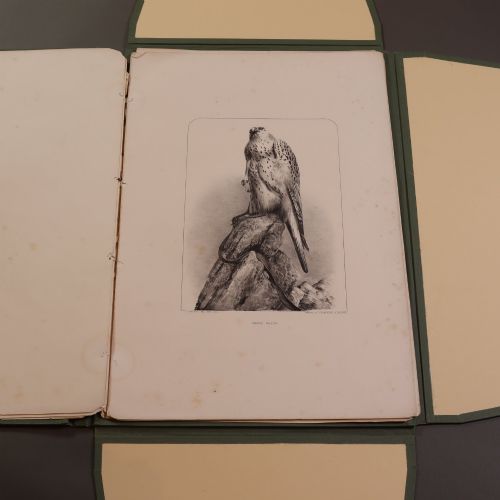


Cream Paper Engraving
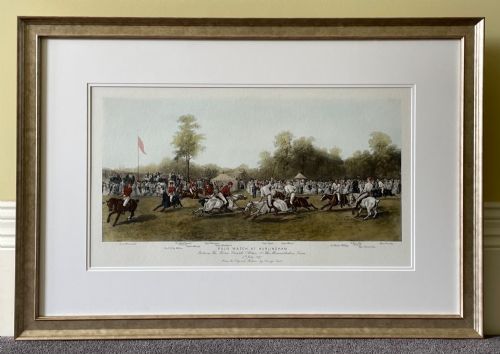
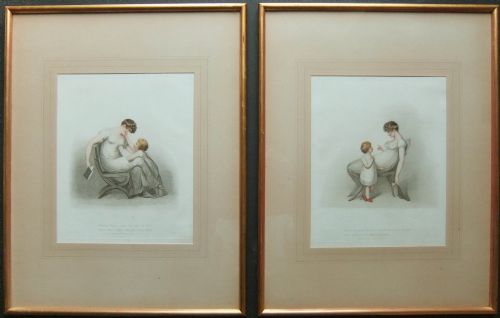
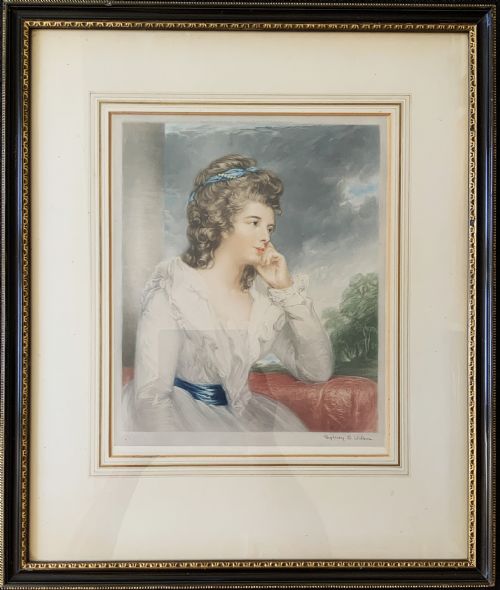
These cream paper engraving pieces are printed works on paper and cardboard, collected for their historical architectural subjects and classical imagery.
What cream paper engraving pieces are
A cream paper engraving is a printed work on paper or cardboard, spanning periods from the eighteenth century to the twentieth century. These items include prints, graphic art, and fine art prints.
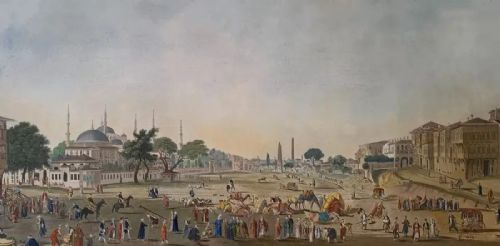
The selections available here feature neoclassical and modern British styles, alongside Victorian architectural revival designs. Buyers encounter subjects ranging from architectural studies to mythical scenes and academic prints.
Originating from British and continental European printmaking traditions, these works capture classical deities, academic colleges, and architectural antiquities. Each piece presents a distinct visual record from its respective period.
How they were made
These works utilise ink applied to paper and cardboard supports. Printmakers employed engraving and wood engraving techniques to transfer detailed lines onto the cream paper surface.
Makers mounted or printed these images using traditional presses. The physical media rely on the interaction between dark ink and the aged tone of the paper or card.
Retail Price Guide 2026
Typical UK retail prices for cream paper engraving, calculated from the Sellingantiques database of over a million retail prices indexed since 2003. This retail price guide relies exclusively on Sellingantiques data; no external sources or auction records are used, so the figures do not describe the wider market.
Materials documented across the available selection are restricted to paper, ink, and cardboard.
What varies in quality
Quality rests in the precision of the line work and the clarity of the printed image. Sharply defined architectural details and clean mythical figures distinguish superior examples from softer impressions.
The condition of the paper surface and the preservation of the ink tone influence the visual impact. Strong contrasts between the ink and the cream paper elevate the overall presence of the print.
Clare Leighton·Charles Henri Toussaint·Giovanni Ottaviani·James Basire
The Cream Paper Engraving Glossary
- Engraving
- A printmaking technique where an artist cuts lines into a plate to hold ink. This method produces fine, precise details.
- Wood engraving
- A relief printing process utilising the end-grain of hard wood blocks. It allows for intricate tonal variations and dark lines.
- Neoclassical
- An artistic style drawing inspiration from the classical art and culture of ancient Greece and Rome. It emphasises symmetry, dignity, and classical motifs.
- Cardboard
- A heavy-duty paper-based material used as a support for certain prints. It provides structural rigidity compared to standard paper.
Frequently Asked Questions
What is a cream paper engraving?
A cream paper engraving is an inked print on paper or cardboard, typically featuring historical architecture, classical figures, or landscape scenes from past centuries.
These works reflect the artistic and technical standards of printmakers working during periods such as the eighteenth century and the Victorian era.
How were these engravings originally used?
Many of these engravings served as book illustrations, academic records, or standalone works for portfolio collection and framing.
Publishers and artists created them to document antiquities, architectural achievements, and classical mythology for educated audiences.
How should I frame an old engraving?
Old paper and cardboard works require conservation-grade materials to protect them from environmental damage and degradation over time.
Using acid-free mounts and UV-filtering glass helps preserve the ink and the cream paper tone within domestic display spaces.
How do I identify eighteenth-century prints?
Eighteenth-century prints often feature specific typographic styles, laid paper characteristics, and classical subjects like architectural antiquities.
Examining the plate marks, paper texture, and recorded attribution helps connect the piece to its historical production period.