


Baroque Art Print
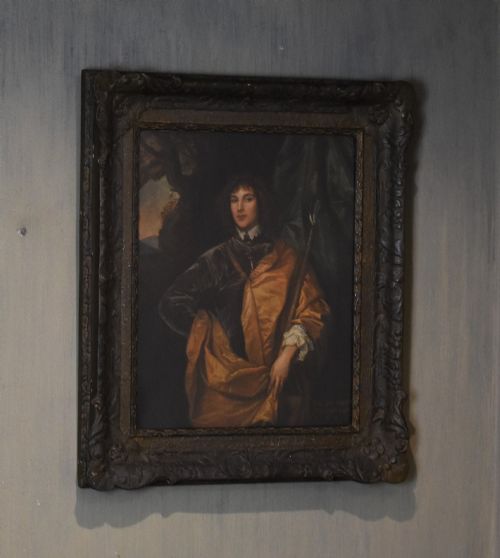
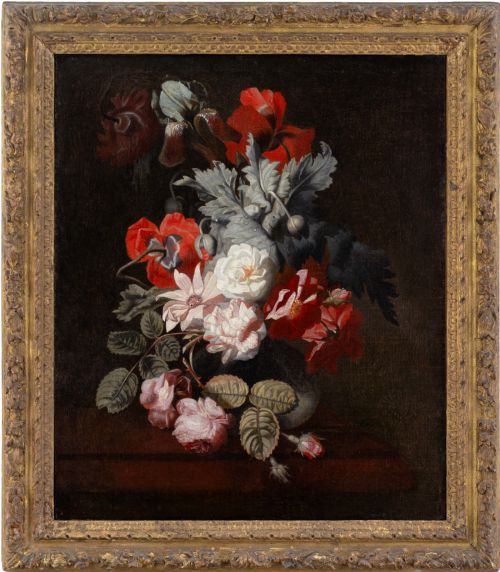
These baroque art print pieces bring striking 17th and 18th-century portraiture and classical subjects into a room, offering rich historical character through fine early printmaking.
Baroque Art Print
A baroque art print typically presents historical portraiture, classical mythology, or religious scenes originating from the seventeenth and eighteenth centuries. These works frequently arrive framed in period materials like walnut or gilded wood, retaining their original aesthetic context.
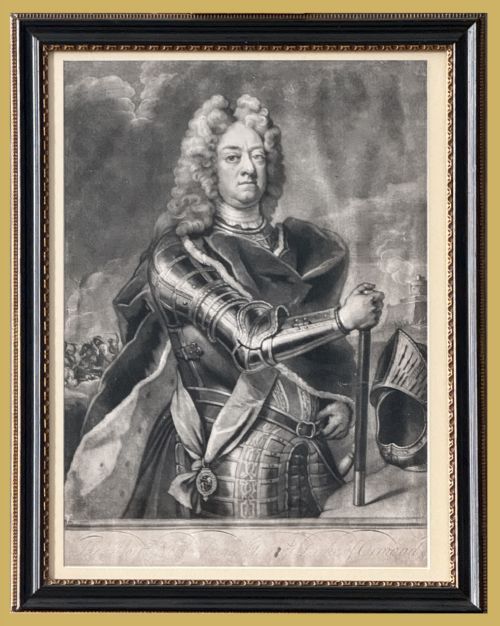
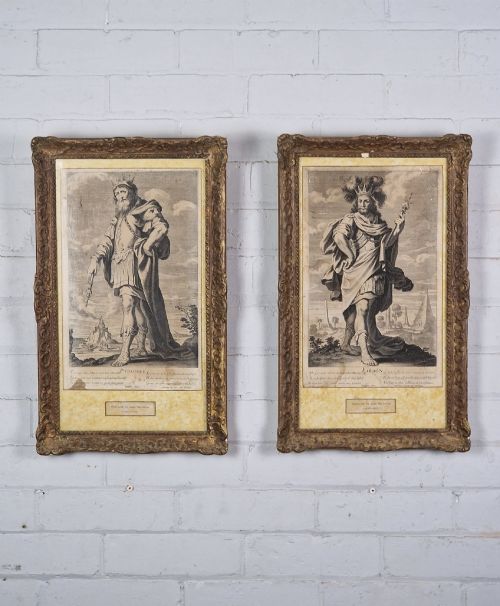
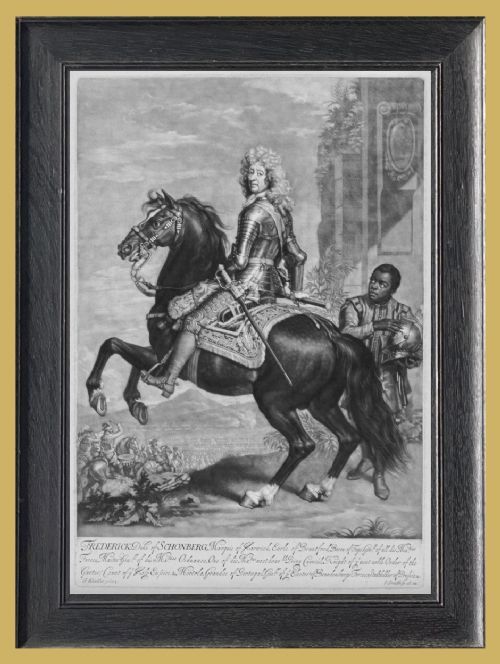
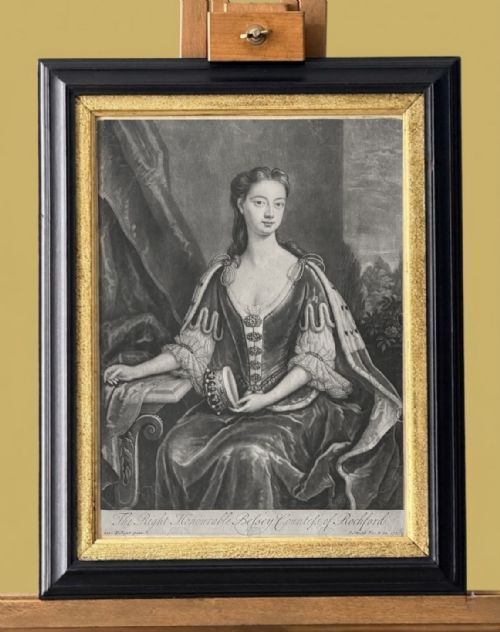
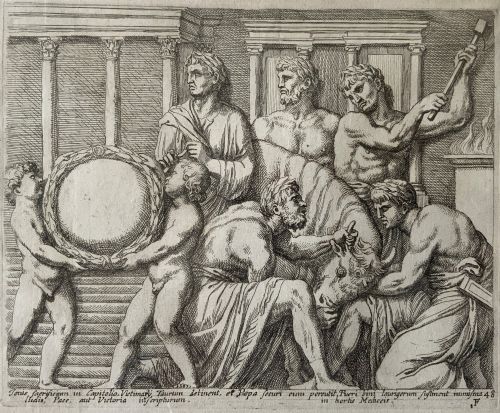
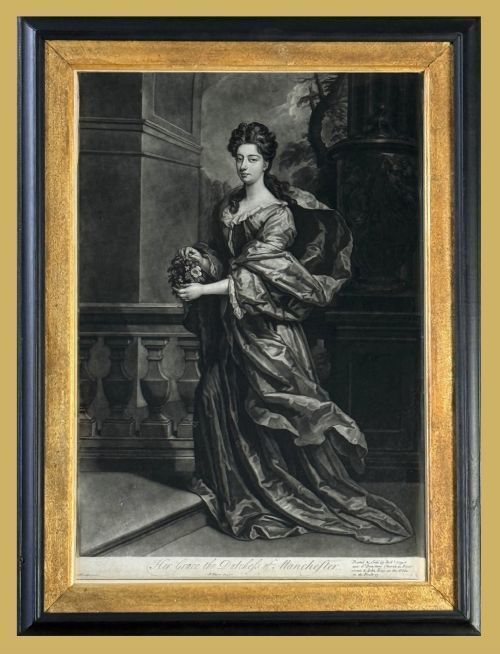
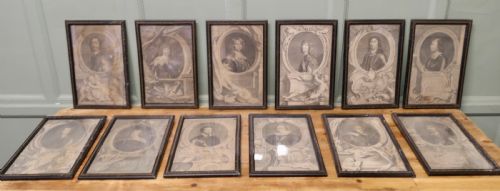
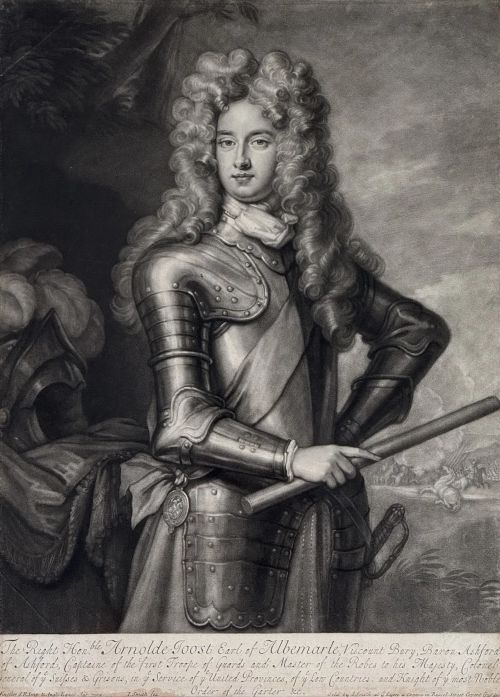
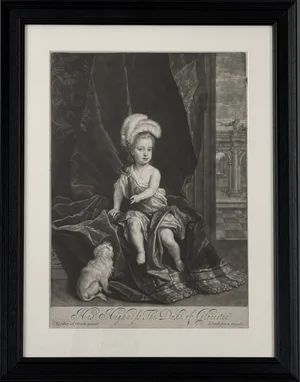
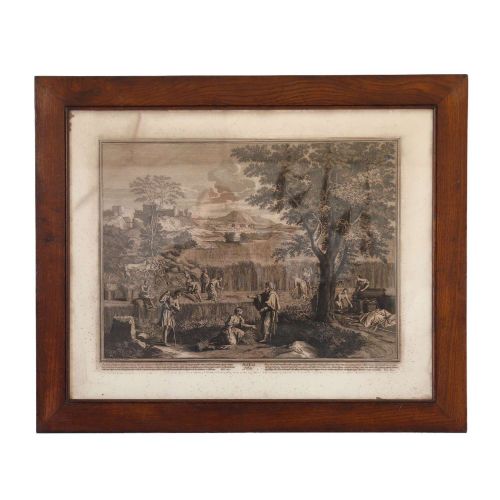
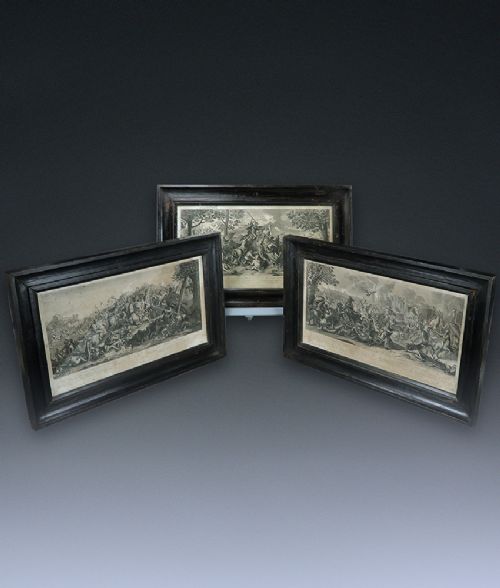
Buyers encountering this selection will most often find mezzotints and engravings created by master printmakers after prominent painters such as Sir Godfrey Kneller and van Dyck. These pieces range from individual framed portraits of nobility to sets of classical engravings.
The assortment spans several centuries, including seventeenth-century works alongside eighteenth-century interpretations and later nineteenth-century examples. Each item reflects the ornate sensibilities and dramatic compositions characteristic of the era.
Assessing quality in early prints
The impression quality on the paper dictates much of the distinction, as plates worn down through excessive printing yield softer, less defined lines. Crisp, deep ink transference indicates an early impression directly from the copperplate.
The integrity of the surrounding frame and the survival of the original paper surface contribute significantly to the character of the piece. Conservation of the paper without excessive intervention preserves the historical authenticity valued by collectors.
Several portraits capture stern historical figures peering out intently from behind antique glass, seemingly unimpressed by modern interior design choices.
John Smith·John Simon·John Faber Jr·François Perrier·Jacobus Howbraken
The Baroque Art Print Glossary
- Mezzotint
- A printmaking process where the copperplate is roughened evenly to produce dark areas, then scraped and burnished to create light tones. This method allows for subtle gradations of light and shade.
- Engraving
- A technique of cutting lines into a metal plate with a burin to hold ink for printing. It produces sharp, precise lines that define the subject.
- Reverse glass painting
- An artwork created by applying paint or ink onto the reverse side of a glass panel and viewing it from the front. This method imparts a distinct gloss and depth.
- State
- A stage in the development of a printed image, determined by changes made to the plate by the artist. Early states are generally more desirable.
- Plate mark
- The indentation left on the paper by the edge of the metal printing plate under pressure. Its presence confirms an authentic hand-pulled print.
Baroque Art Print: Frequently Asked Questions
What is a mezzotint portrait?
A mezzotint portrait is a print created by roughening a copperplate to hold ink, producing rich dark tones and smooth gradients. This technique was widely utilised in the seventeenth and eighteenth centuries to reproduce paintings of notable figures.
The resulting prints offer a velvety texture and dramatic lighting that distinguish them from standard line engravings. They capture the likeness of nobility and public figures with remarkable depth.
How should I frame an old print?
An old print is best housed in a period wooden frame, such as walnut or gilded moulding, which complements its historical context. Proper framing utilises acid-free materials to protect the fragile paper from degradation over time.
Keeping the work away from direct sunlight prevents the ink and paper from fading. Maintaining stable humidity levels further ensures the longevity of the artwork.
What is reverse glass printing?
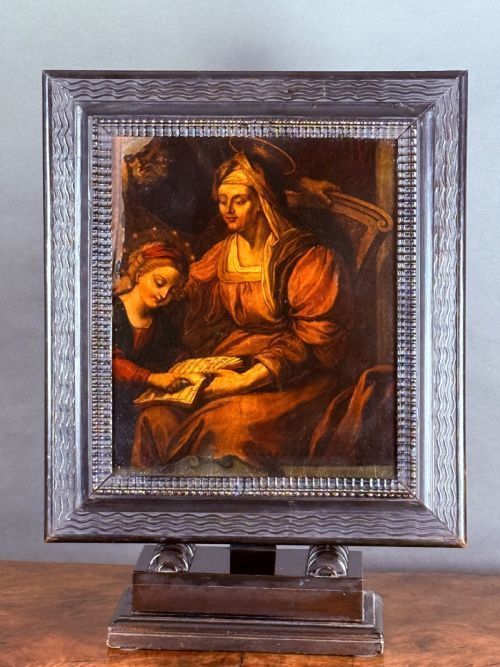
Reverse glass printing involves applying ink or paint directly to the back of a glass sheet so the image is viewed through the front. This technique creates a luminous surface quality unique to certain historical decorative works.
These pieces require careful handling due to the fragile nature of the glass support. They are typically displayed in simple frames that secure the glass panel safely.
How do I date an antique engraving?
Dating an antique engraving involves examining the paper type, watermark, plate marks, and the style of the script or sitter's costume. Printers often inscribed the publication date and the names of the artist and engraver directly beneath the image.
Comparing the impression quality and paper characteristics with known archival examples helps confirm the era of production. Expert guidance can also clarify the specific printing period.