





Classical Relief Etching
Classical relief etching brings seventeenth and eighteenth-century antiquity straight to your walls through works by master printmakers.
Classical Relief Etching
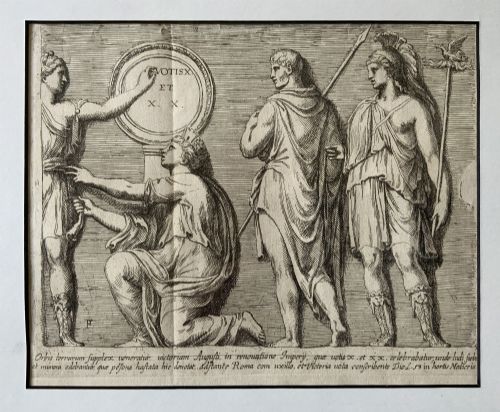
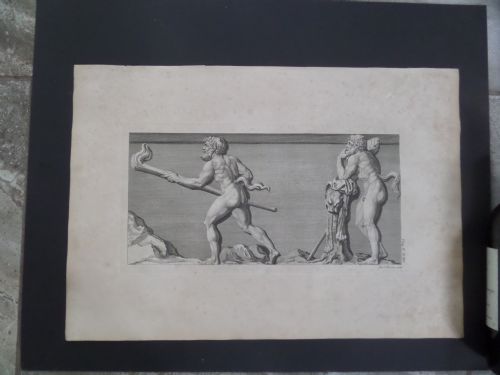
When you search for classical relief etching, you are looking at works on paper that capture architectural monuments, mythological figures, and antiquities. The selection ranges from seventeenth-century Roman Baroque prints to eighteenth-century architectural engravings.
You are most likely to meet large eighteenth-century engravings depicting the antiquities of Athens, featuring subjects such as Greek gods, satyrs, serpents, and classical architecture.
These prints bridge the gap between classical archaeology and fine art printmaking, offering a window into how past centuries recorded ancient history.
How they were made
The works rely on ink applied to paper through traditional printmaking techniques, producing crisp lines and detailed tonal variations. Master hands etched architectural elevations, sculptural reliefs, and mythological narratives onto plates before transferring them to paper.
The physical survival of these pieces depends heavily on the quality of the paper and the stability of the ink over centuries. Each print reflects the meticulous labour of draughtsmen and engravers documenting classical sites.
Classical Relief Etching Retail Price Guide 2026
Typical asking prices for classical relief etching among the pieces listed under this phrase on Sellingantiques today, from the lower quarter to the upper quarter. They describe what is for sale here now, not the wider market.
Athens managed to squeeze onto your wall through the dedication of eighteenth-century engravers and a surprising number of observant serpents.
What varies in quality
Quality separates through the sharpness of the plate impression and the depth of the ink on the sheet. Finer prints retain crisp architectural lines and clear contrasts between shadow and highlight.
The distinction also lies in the provenance of the printmaker and the preservation of the paper margins. Stronger examples command attention through bold composition and careful execution of classical detail.
François Perrier·James Basire·Edward Rooker
The Classical Relief Etching Glossary
- Etching
- A printmaking process where lines are bitten into a metal plate with acid before ink is applied and transferred to paper.
- Engraving
- A technique where an artisan cuts lines directly into a metal plate using a sharp tool called a burin.
- Neoclassical
- A style inspired by the classical art and culture of ancient Greece and Rome, prominent during the eighteenth century.
- Roman Baroque
- An artistic style from the seventeenth century characterised by dramatic movement, grandeur, and emotional intensity.
Classical Relief Etching: Frequently Asked Questions
What subjects do these prints show?
The pieces display classical architecture, ancient Athenian monuments, and mythological figures including satyrs and Greek gods. These subjects reflect a deep fascination with archaeological discovery.
Artists meticulously recorded ruins and sculptures, translating stone and marble into ink and paper for contemporary scholars and collectors.
How old are these prints?
The available pieces span the seventeenth and eighteenth centuries, originating from distinct artistic movements. Seventeenth-century examples showcase Roman Baroque styles.
Later eighteenth-century works focus heavily on the detailed recording of Athenian antiquities and classical architectural forms.
How should I frame them?
These works on paper require conservation-grade framing to protect them from environmental damage and light exposure. Using acid-free mounts preserves the integrity of the paper over time.
Keeping the prints away from direct sunlight ensures the ink remains stable and distinct within the margins.
Who created these works?
Renowned printmakers and engravers such as James Basire, François Perrier, and Edward Rooker produced these visual records. Their workshops translated classical antiquity into circulating art.
Each credited hand brought specific technical expertise to the depiction of architecture and mythological scenes.