


Classical Mythology Print
A classical mythology print brings ancient gods, heroes and architectural antiquities into a room through centuries of ink, paper and framing.
Classical Mythology Print
A classical mythology print captures figures from Greek and Roman pantheons, including deities, satyrs and legendary narratives drawn from antiquity. Buyers seek these works to anchor a study, library or drawing room with subjects derived from the Grand Tour, Homeric epics and classical sculpture.
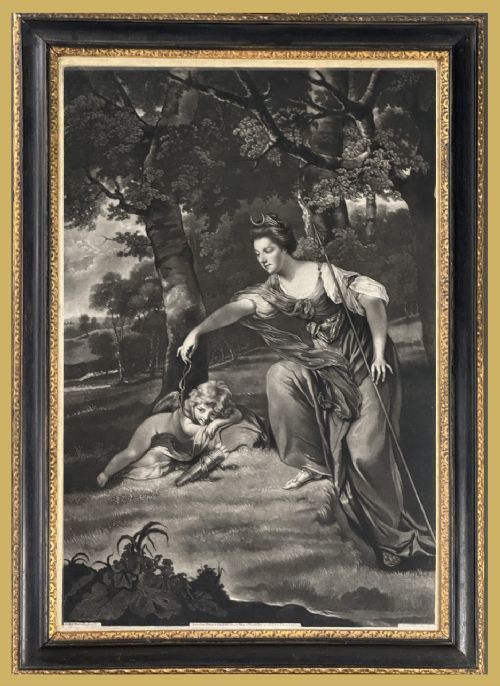
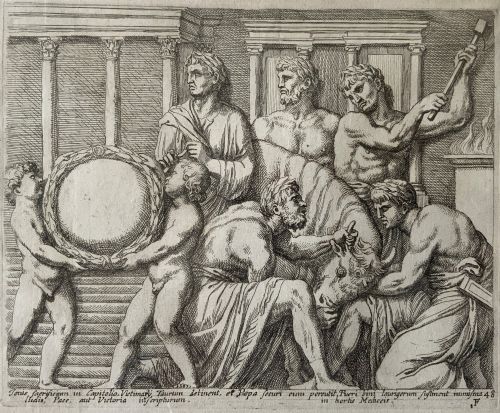
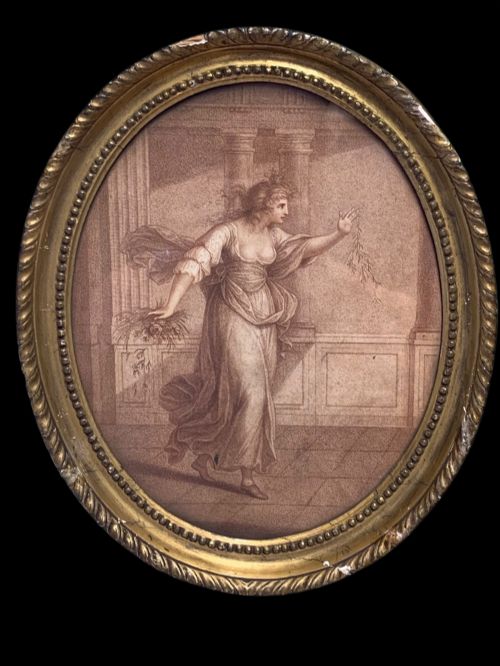
Most examples encountered here take the form of 18th-century engravings, etchings and stipple engravings recording architectural ruins, statues and mythological scenes. Alongside these paper works, the selection holds framed oils, chromolithographs and mezzotints spanning the seventeenth century to the 1930s.
How They Were Made
Printmakers and painters worked with ink on paper, oil on canvas and chromolithography, setting images into timber frames finished in gold leaf, giltwood or period walnut. Engravers and etchers carved lines into metal plates by hand to produce detailed impressions of architectural antiquities and divine figures.
Publishers often bound these plates into comprehensive folio volumes documenting excavations at Athens, Herculaneum and Rome before later framers separated them for wall display.
Classical Mythology Print Retail Price Guide 2026
Typical asking prices for classical mythology print among the pieces listed under this phrase on Sellingantiques today, from the lower quarter to the upper quarter. They describe what is for sale here now, not the wider market.
Winds blow forever from the Tower of Athens on these old paper gods.
What Varies In Quality
The clarity of the printed line and the crispness of the plate impression dictate the visual strength of an engraving. Early pulls from a copper plate deliver sharp details on figures and architectural masonry, whereas later impressions lose definition in the shadows and fine textures.
The choice of framing material contributes significantly to the integrity of the piece, with period wooden frames providing appropriate historical context for seventeenth and eighteenth-century plates.
James Watson·Sir Joshua Reynolds·François Perrier·Margaret Maitland Howard·John Flaxman·Arthur Hacker·Andrea Mantegna·James Basire·Edward Rooker
The Classical Mythology Print Glossary
- Engraving
- A printmaking technique where an artist cuts lines directly into a metal plate with a burin. This method yields sharp, precise lines that define mythological figures and architectural elements.
- Etching
- A process where acid bites the lines drawn through a ground on a metal plate. It allows for free, expressive linework often seen in seventeenth-century classical subjects.
- Mezzotint
- A tonal printmaking method that achieves rich darks and subtle gradations without relying on line. Portraits and mythological scenes utilised this technique to render soft flesh and drapery.
- Chromolithography
- A colour lithographic printing process using multiple stones. This technique produced vivid reproductions of Renaissance masterpieces in the early twentieth century.
- Stipple engraving
- A method of dotting the plate to create soft tonal effects and varied skin textures. Eighteenth-century portraiture frequently employed this technique for figurative subjects.
Classical Mythology Print: Frequently Asked Questions
What subjects appear on these prints?
These works depict Greek and Roman gods, architectural ruins, mythological narratives and sculptural antiquities recorded during the Grand Tour. Common subjects include deities such as Diana, Eros, Pan and deities from the Athenian towers.
Collectors find figures from Homer's Odyssey and classical myths rendered through various historical printmaking techniques.
How should I frame an antique print?
Protect works on paper behind glass using acid-free mounts to prevent light damage and paper degradation. Selecting period walnut or giltwood frames maintains the historical context of the piece.
Keep framed works away from direct sunlight and damp environments to preserve the integrity of the paper and ink.
How do I distinguish eighteenth-century engravings?
Examine the paper quality, plate marks and typographic styles used in the captions or margins. Eighteenth-century impressions often feature handmade laid paper with distinct watermarks and plate indentations around the image.
The subject matter frequently relates to archaeological expeditions recording Athenian antiquities and Herculaneum discoveries.
What is the Grand Tour context?
The Grand Tour was a traditional trip through Europe undertaken by young scholars to study classical art and architecture. Wealthy travellers collected engravings and paintings of statues and ruins to document their travels.
Publishers gathered these architectural studies into large folios that later provided individual plates for framing.