

Georgian Copperplate Engraving
When you search for georgian copperplate engraving, you encounter period prints, portraits and maps transferred from metal plates onto paper.
Georgian Copperplate Engraving
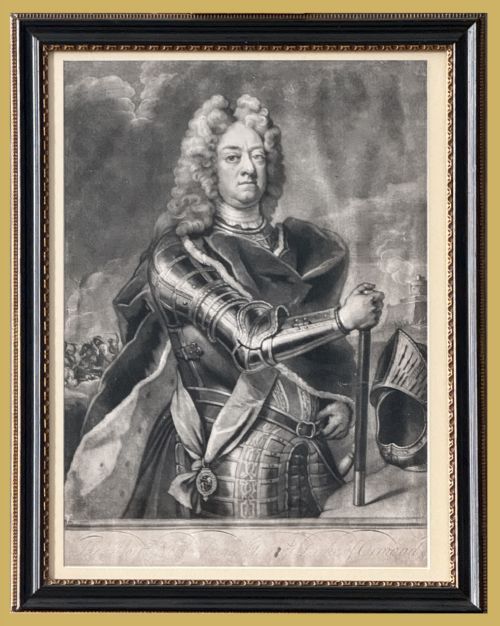
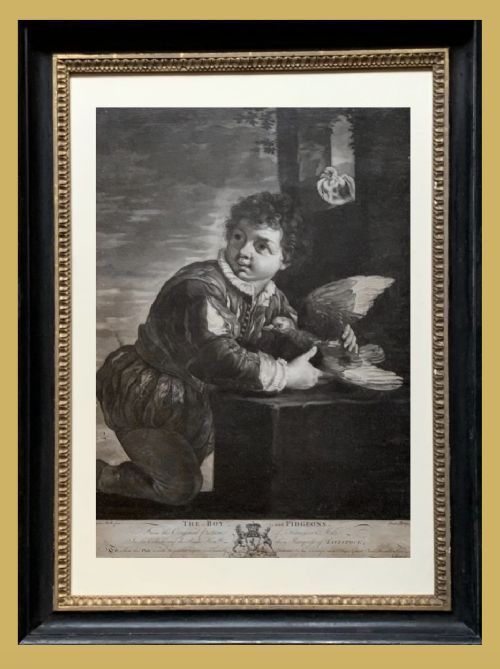
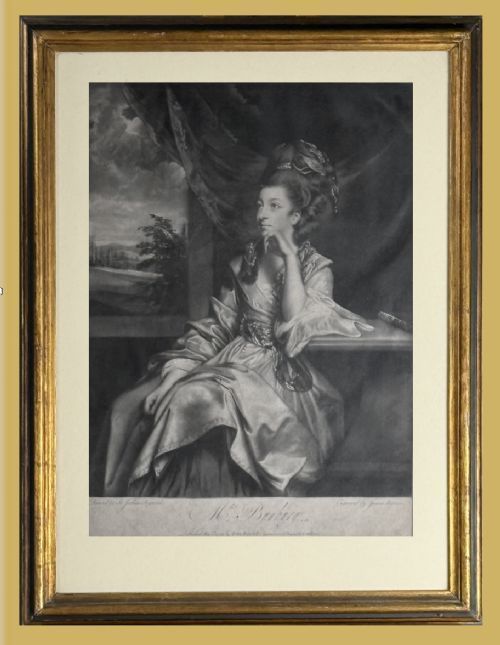
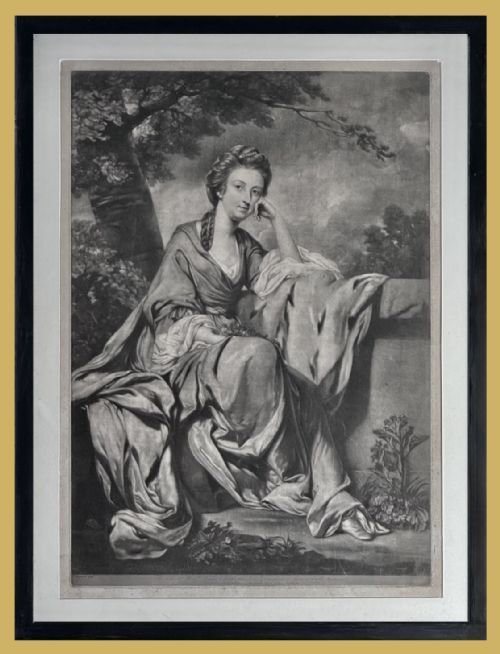
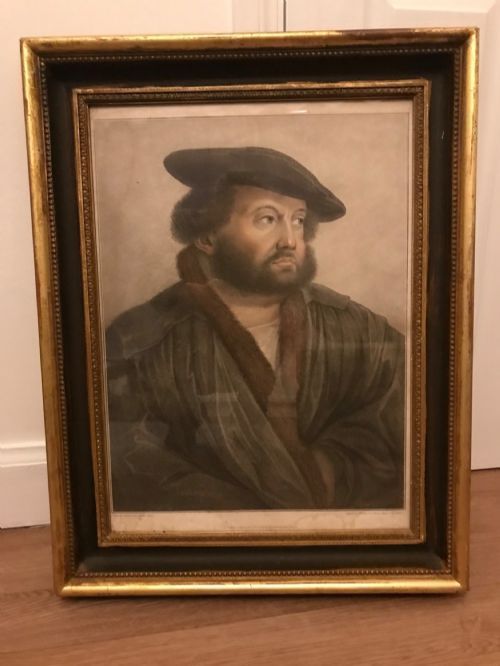
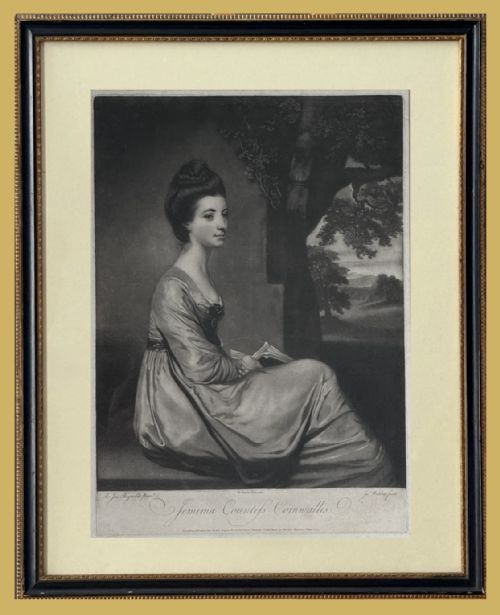
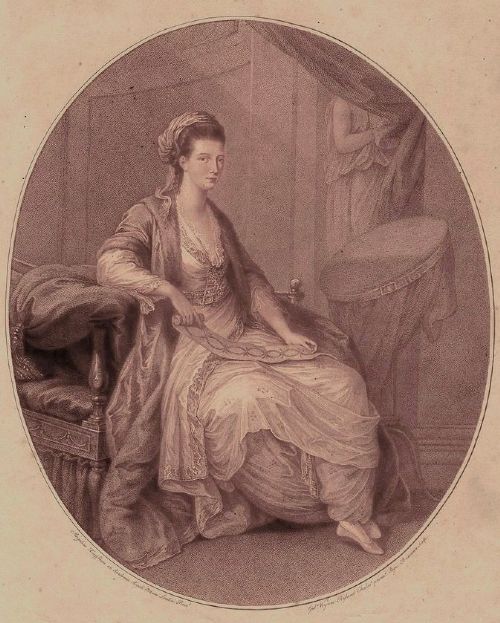
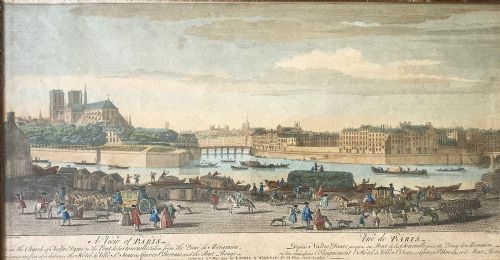
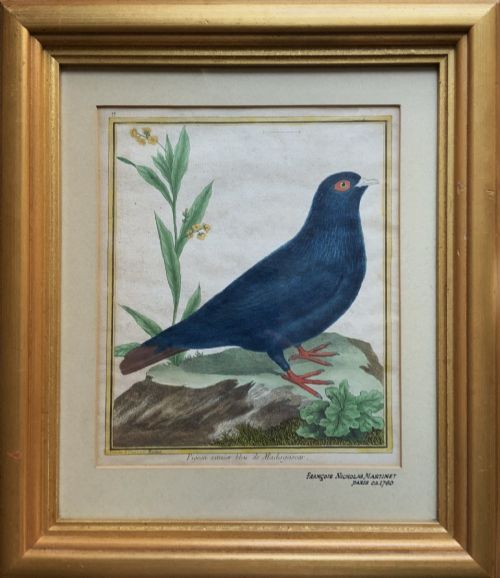
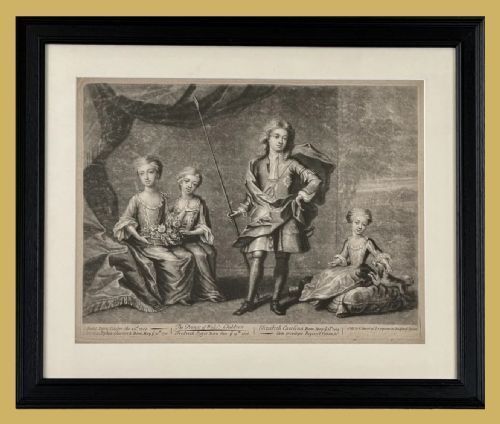
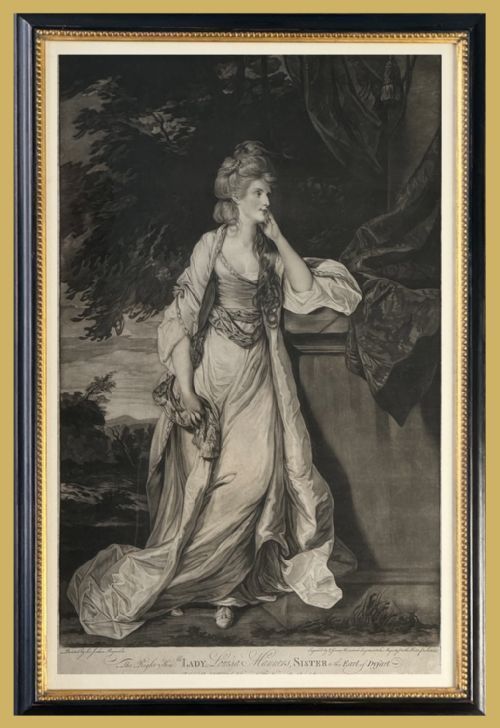
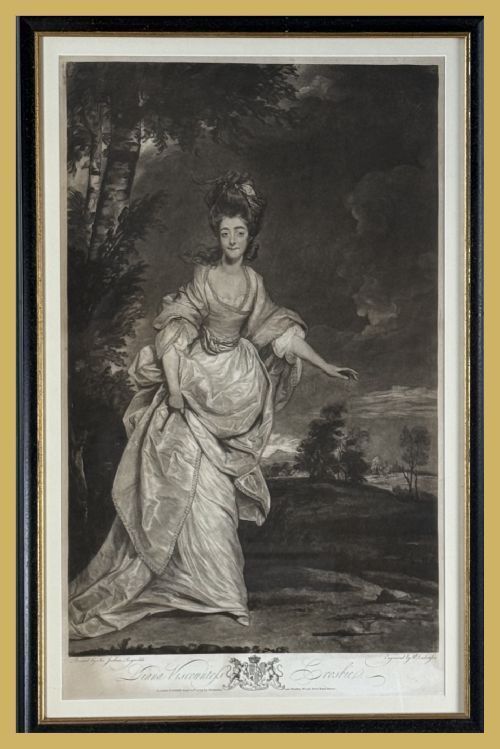
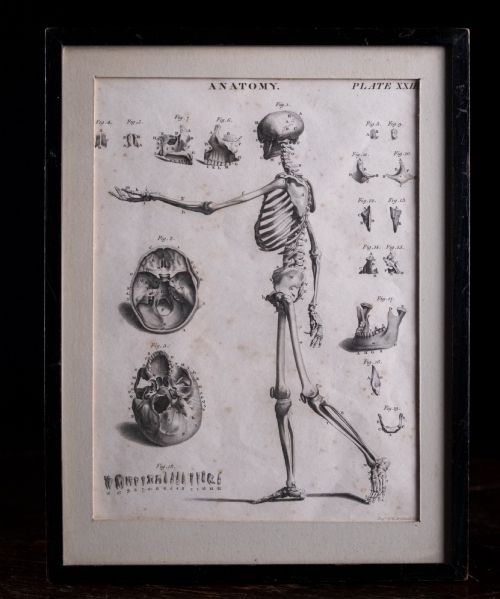
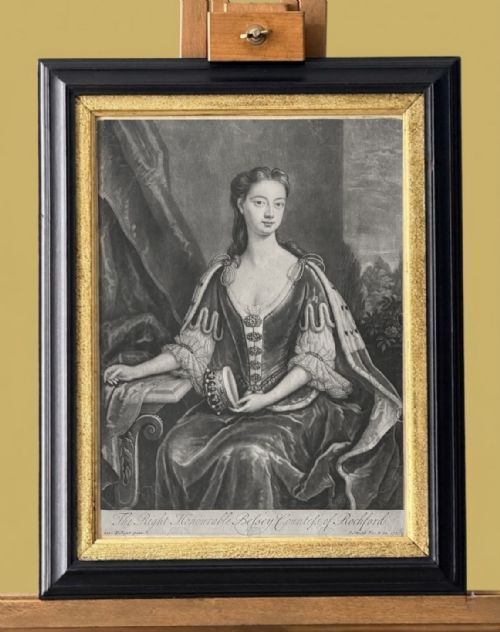
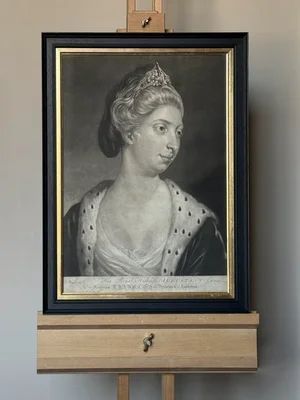
A buyer examining a georgian copperplate engraving typically looks at framed portraits, topographical views, natural history plates and cartography from the eighteenth century. These works capture the visual culture of the period through detailed line work, stipple or mezzotint methods. The listings here predominantly feature framed prints and wall art rendered on paper using ink and watercolour.
The subjects range from aristocracy and military figures by notable painters to sporting scenes, anatomical studies and French cartography. Many examples arrive in period frames of wood, glass and gilt wood, preserving the original presentation of the artwork. The selection spans the eighteenth century alongside related nineteenth-century impressions.
Materials and Techniques
Makers produced these works by incising lines directly into a copper plate with a burin or etching them with acid before applying ink to the surface. Printers then transferred the image under pressure onto dampened paper, occasionally adding hand colouring with watercolour to enhance details such as botanical specimens or military uniforms. The resulting prints utilise high-grade rag paper that retains the impression of the plate edges over centuries.
Framing often incorporates maple, gilt wood and glass to protect the delicate paper surface from atmospheric moisture and handling. Artisans sometimes applied gold leaf to the mouldings, matching the neoclassical and baroque aesthetic prevalent during the period.
Georgian Copperplate Engraving Retail Price Guide 2026
Typical asking prices for georgian copperplate engraving among the pieces listed under this phrase on Sellingantiques today, from the lower quarter to the upper quarter. They describe what is for sale here now, not the wider market.
Materials recorded across the inventory include paper, ink, glass, maple, gold leaf and watercolour set within wooden and gilt frames.
Assessing Quality and Execution
Quality in these prints depends upon the crispness of the plate impression and the skill of the engraver translating an artist's oil painting or drawing. Early impressions pulled from a fresh copper plate exhibit sharp, dark lines and subtle tonal gradations, whereas worn plates produce softer, shallower details. The precision of contemporary hand colouring also distinguishes finer plates from standard impressions.
The integrity of the paper and the presence of original framing elements significantly influence the character of each piece. Surviving margins, clear publisher imprints and period frames of wood or gilt wood reflect careful historical preservation.
John Simon·John Boydell·James Watson·Edward Fisher·Francesco Bartolozzi·John Smith·Valentine Green·W Dickinson·James Heath·Thomas Watson·John Faber Jr·James Macardell·Jacobus Houbraken·James Ward·Luke Sullivan·Robert Sayer·George Edwards
The Georgian Copperplate Engraving Glossary
- Mezzotint
- A printmaking method where the copper plate is roughened uniformly to hold ink for dark areas, then scraped and burnished to create highlights and gradations. This technique allows for rich tonal depth, frequently utilised for portraiture.
- Stipple engraving
- A method of creating images on metal plates using a pattern of dots rather than continuous lines. Artists employed this to achieve soft flesh tones and gentle shadows, popular in late-eighteenth-century portraiture.
- Plate mark
- The indentation left on the paper by the outer edges of the copper plate under the pressure of the printing press. Finding a clear plate mark confirms an authentic print pulled directly from an engraved metal plate.
- Aquatint
- A variant of etching that produces large areas of tonal shading resembling watercolour washes. It frequently appears in topographical views and sporting prints from the period.
Georgian Copperplate Engraving: Frequently Asked Questions
What is a copperplate engraving?
A copperplate engraving is a print created by cutting lines into a sheet of copper with a sharp tool called a burin. Printers then filled these grooves with ink and pressed paper against the metal to transfer the image.
This technique allowed artists to produce detailed illustrations, maps and portraits that circulated widely during the eighteenth century.
How should I care for antique prints?
Antique paper requires protection from direct sunlight and high humidity to prevent fading and foxing spots. Keeping framed pieces on interior walls away from direct heat sources helps preserve the paper and the original wood or gilt frame.
Glazing shields the ink and any watercolour additions from dust and atmospheric pollutants while allowing safe viewing.
Are these prints original?
The listings comprise original impressions pulled from engraved metal plates during the eighteenth and nineteenth centuries rather than modern photographic reproductions. Details such as plate marks, watermarks and paper texture help verify their period origin.
Publishers and engraver credits printed directly beneath the image further document the historical lineage of each work.
What subjects are most common?
Portraits of nobility, military commanders and literary figures dominate the selection, reflecting the eighteenth-century taste for commemorative likenesses. Other frequent subjects include natural history plates of birds, anatomical diagrams, architectural views and cartography.
These diverse subjects served both scientific recording and domestic decoration in Georgian homes.