




Georgian Architectural Print
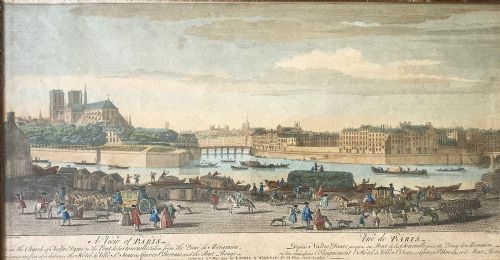
A georgian architectural print brings the grand scale of classical buildings and historic monuments directly into a room through precise line work.
Georgian Architectural Print
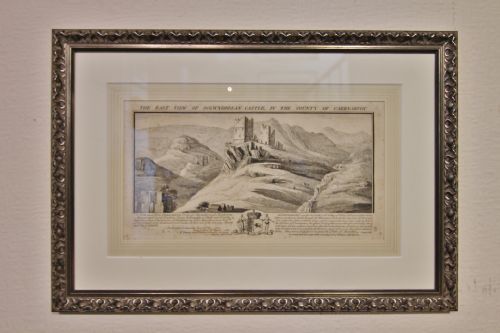
Most examples originate from comprehensive plate books documenting classical ruins, such as the antiquities of Athens or Roman sites. These sheets present precise elevations, perspectives, and structural details intended for scholars and gentlemen of the period.
Framed examples typically appear within period surrounds such as maple or giltwood, often retaining their original margins and monochrome ink or hand-coloured details.
Materials and Techniques
These works rely primarily on copperplate engraving or etching on laid paper, allowing draughtsmen to achieve exceptional architectural precision. Artisans occasionally applied watercolour by hand to enhance specific elements of the composition.
Publishers housed collections of these plates within bound volumes before individual sheets were mounted and framed behind glass in wooden mouldings, occasionally utilising maple or giltwood.
Georgian Architectural Print Retail Price Guide 2026
Typical asking prices for georgian architectural print among the pieces listed under this phrase on Sellingantiques today, from the lower quarter to the upper quarter. They describe what is for sale here now, not the wider market.
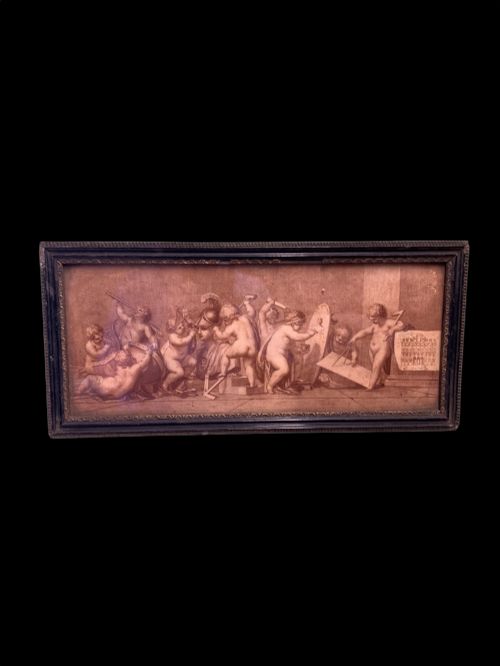
Several architectural plates feature mythical Greek gods sharing space with meticulous masonry and stone-cutters at work.
Assessing Quality and Execution
The distinction in quality rests upon the crispness of the impression pulled from the copperplate and the preservation of fine marginal details. Early impressions display sharp, deep lines where the metal plate held the ink firmly, whereas worn plates yield softer, blurred edges.
Condition of the paper surface and the presence of contemporary hand colouring also influence the overall character of the piece. Clean paper without heavy foxing and original framing materials elevate the standing of an individual print.
James Basire·Edward Rooker·Francesco Piranesi·T.M Baynes·J. Mitan
The Georgian Architectural Print Glossary
- Engraving
- A printmaking technique where an artist cuts lines directly into a copper plate using a sharp steel tool called a burin. This method produces clean, precise lines capable of rendering intricate architectural details.
- Etching
- A process where acid bites lines into a metal plate prepared with a protective ground. This technique allows for greater freedom of line than traditional engraving.
- Lithography
- A planographic printing method based on the chemical repulsion of oil and water. It came into use during the nineteenth century for producing tonal prints.
- Giltwood
- Wood carved and covered with a thin layer of gold leaf. It forms a traditional reflective frame finish for formal prints.
- Foxing
- Brown age spots that appear on old paper due to chemical reactions over time. Its presence is common in works of this age.
Georgian Architectural Print: Frequently Asked Questions
How do I care for an antique print?
Keep the framed piece away from direct sunlight to prevent the paper from fading and the hand colouring from washing out.
Maintain a stable room humidity to protect the paper and the wooden framing components from warping over time.
Were these prints originally bound in books?
Many of these plates were published as loose folios or bound within large architectural volumes before being separated for framing.
Collectors often find platemarks at the edges of the paper where the printing press applied heavy pressure.
What is the grand tour context?
Wealthy young Englishmen undertook the Grand Tour across Europe during the eighteenth century to study classical art and architecture firsthand.
They brought back prints and drawings of Greek and Roman antiquities to decorate their country houses and libraries.
How are different periods identified?
Dating relies upon the paper stock, typography of the captions, and the stylistic evolution from eighteenth century neoclassicism to nineteenth century lithography.
Engravers' signatures and publication dates printed in the lower margins provide definitive chronological anchors.