



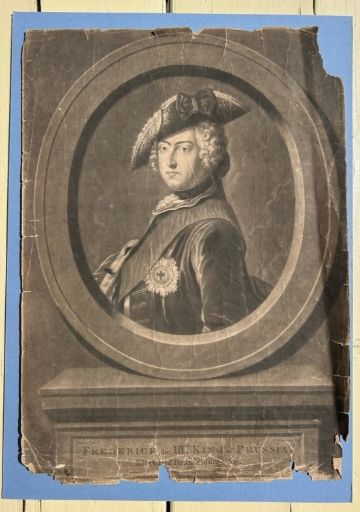
Black and White Engraving
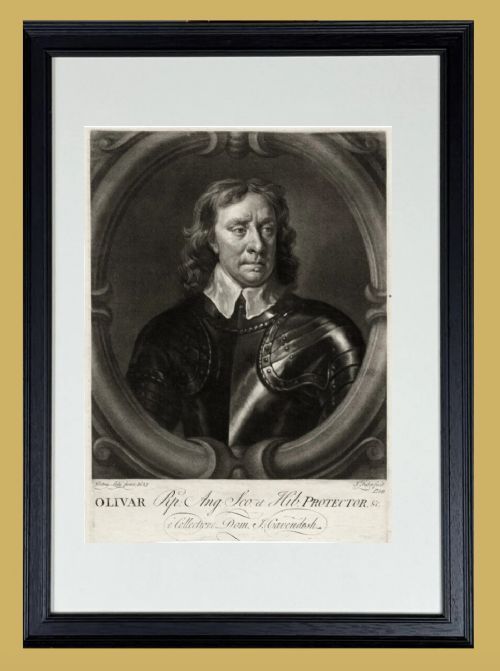
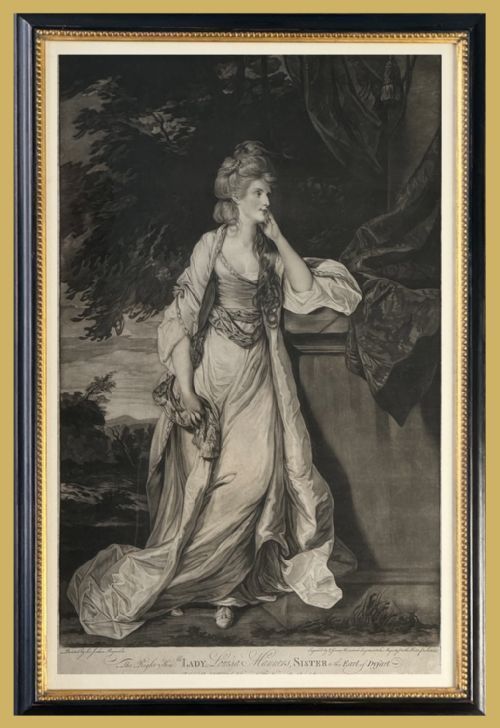
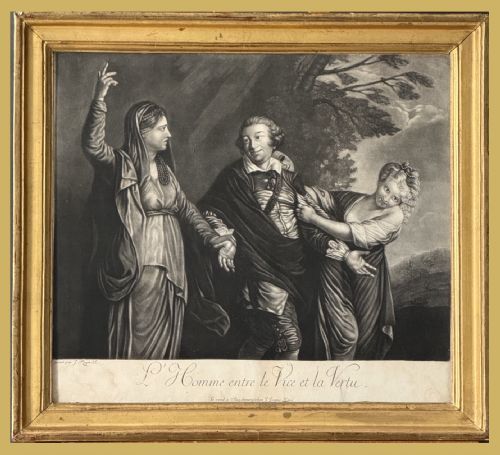
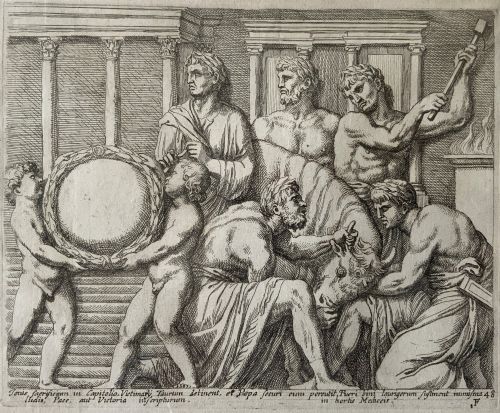
A black and white engraving brings historical portraiture, classical antiquity and social satire directly into domestic interiors through centuries of printed ink.
Black and White Engraving
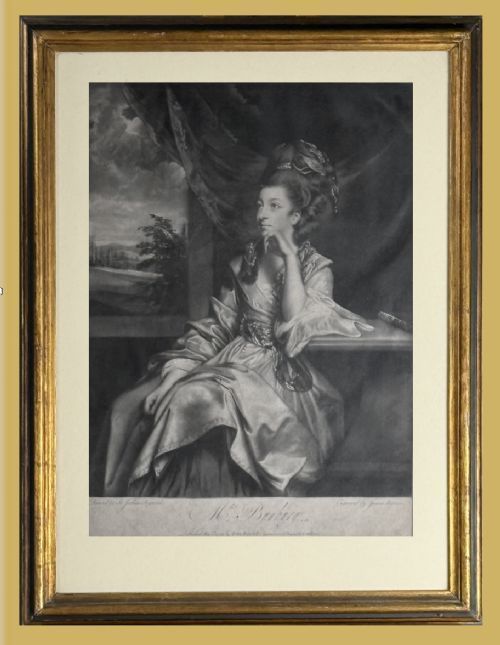
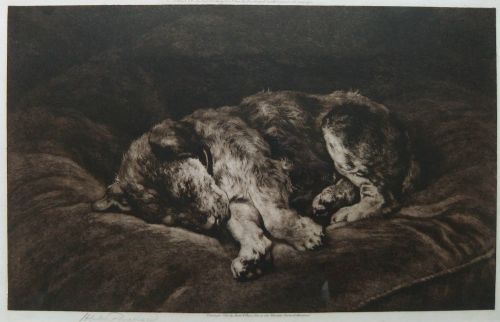
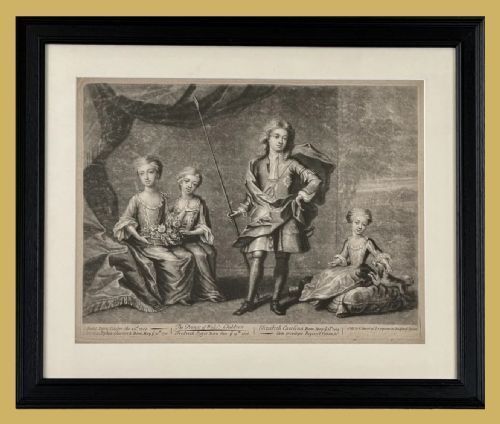
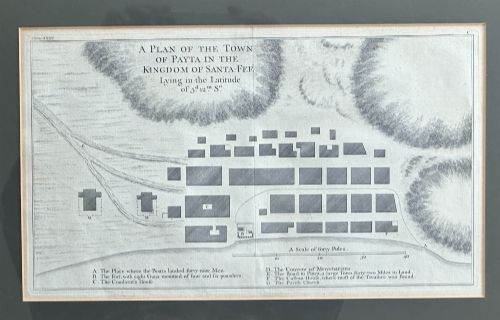
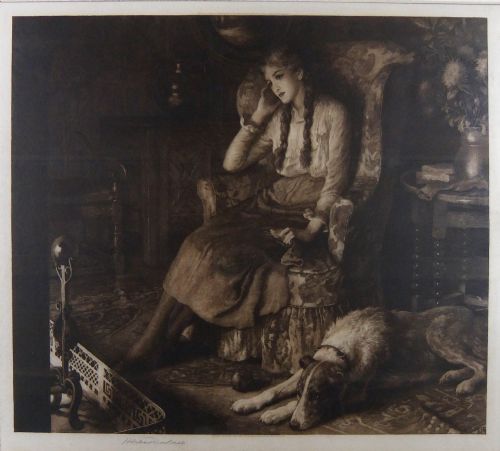
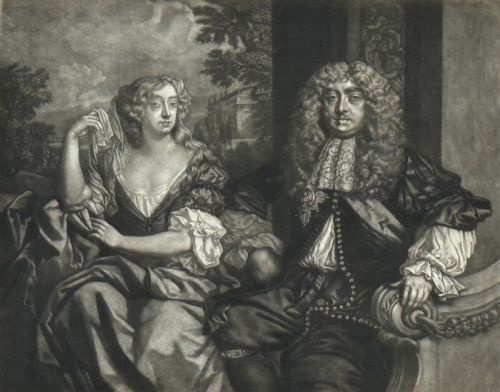
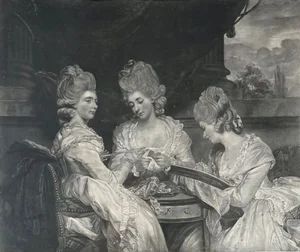
A black and white engraving encompasses printed works executed on paper using ink plates, spanning portraiture, maps, landscapes and narrative scenes. Buyers seeking this phrase encounter subjects ranging from seventeenth-century mezzotint portraits to twentieth-century animal etchings.
The selections recorded here cross Georgian, Victorian, Edwardian, Baroque, and Neoclassical styles. Groupings include complete series such as Hogarth satires alongside individual plates by notable printmakers.
The physical form is predominantly framed wall art utilising glass and wood, frequently preserving early frames alongside the original paper sheets.
Materials and execution
The fundamental components recorded are paper and ink, manipulated through intaglio techniques including engraving, etching, and mezzotint. Copper plates received incisions or tonal roughening to hold ink before transferring the image under pressure.
Framing materials incorporate traditional timber, gold leaf, and giltwood which protect the delicate paper surfaces from atmospheric degradation.
Black and White Engraving Retail Price Guide 2026
Typical asking prices for black and white engraving among the pieces listed under this phrase on Sellingantiques today, from the lower quarter to the upper quarter. They describe what is for sale here now, not the wider market.
Bulldogs, leopards, and jungle fowl share the printing press with statesmen and actors.
Distinctions in craftsmanship
The distinction between tiers rests upon the clarity of the printed lines, the depth of the ink impression within the paper fibres, and whether the sheet is an early artist's proof or a later restrike. Sharp tonal gradation in mezzotints and crisp plate marks indicate superior execution.
Preservation of the paper sheet, absence of heavy foxing, and the retention of period mountings and frames significantly elevate the standing of an individual piece.
James Watson·John Smith·Valentine Green·Herbert Dicksee·William Hogarth·Gustave Doré·Francesco Piranesi
The Black and White Engraving Glossary
- Engraving
- A printmaking process where lines are cut directly into a metal plate with a burin. The resulting impressions display precise, clean lines.
- Mezzotint
- A tonal printmaking method where the metal plate is roughened uniformly to produce rich dark areas and scraped for lighter tones. It creates smooth transitions without reliance on line.
- Etching
- A technique where acid bites into metal plate lines exposed through a protective ground. This process allows fluid, spontaneous draughtsmanship.
- Foxing
- Brown spots caused by chemical reactions in ageing paper storage. Collectors monitor these spots for stability.
- Plate mark
- The indentation left on paper by the edge of the printing plate under high pressure. Its presence confirms an intaglio print.
Black and White Engraving: Frequently Asked Questions
How do I care for antique prints?
Keep framed pieces away from direct sunlight to prevent the ink and paper from fading over time. Maintain stable indoor humidity levels to protect the delicate paper fibres.
Ensure that backing materials are acid-free when re-framing to stop chemical degradation from staining the historic sheet.
What is the difference between an etching and an engraving?
An engraving is made by physically cutting lines into a metal plate using a sharp tool called a burin. This requires considerable force and yields precise, disciplined lines.
An etching uses acid to bite the lines into the metal through a protective wax coating. This technique allows for softer, more painterly strokes.
Are these works original antique prints?
The pieces recorded derive from their original historical periods of production, ranging from the seventeenth century through to the early twentieth century. They are printed from the plates during or close to the stated era rather than being modern digital reproductions.
Individual listings distinguish between signed artist proofs, contemporary published editions, and later nineteenth-century printings.
How are these prints usually displayed?
Most pieces arrive already preserved behind glass within wooden or giltwood frames that complement their historical period. Hanging them on interior walls away from moisture ensures the paper remains stable.
Matching sets, such as seasonal series or satirical sequences, are often grouped together to recreate historic domestic arrangements.