

Georgian Portrait Engraving
A georgian portrait engraving captures the likeness of nobility and artists through finely worked ink on paper, offering collectors a direct link to eighteenth-century society.
Georgian Portrait Engraving
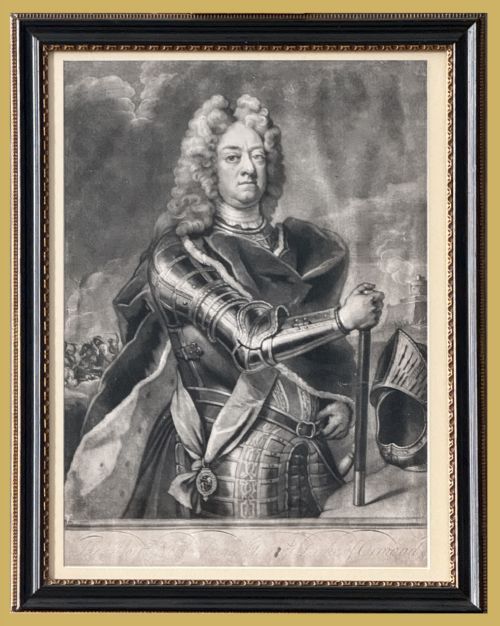
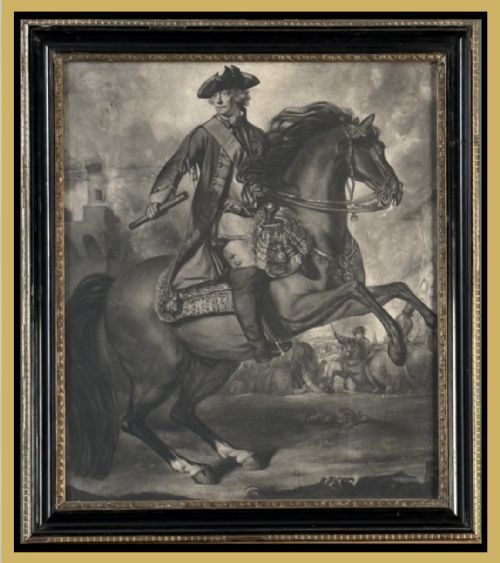
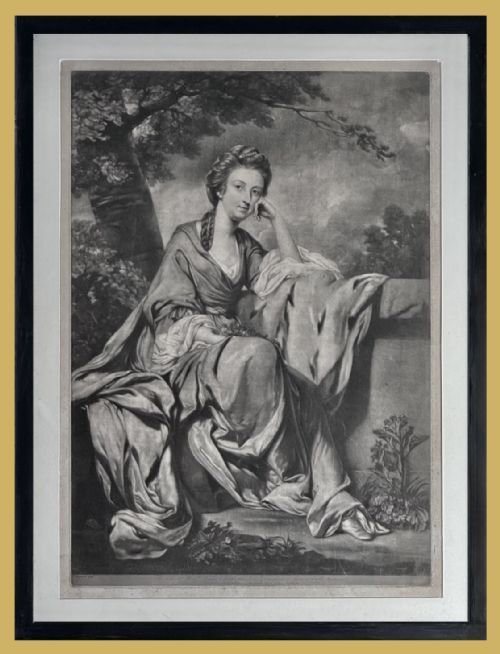
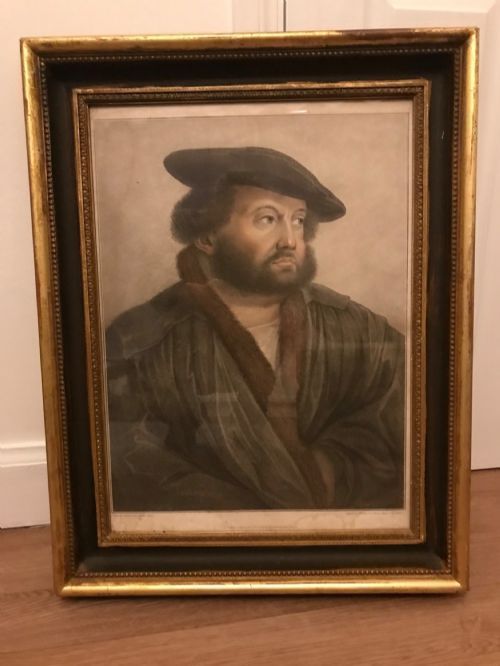
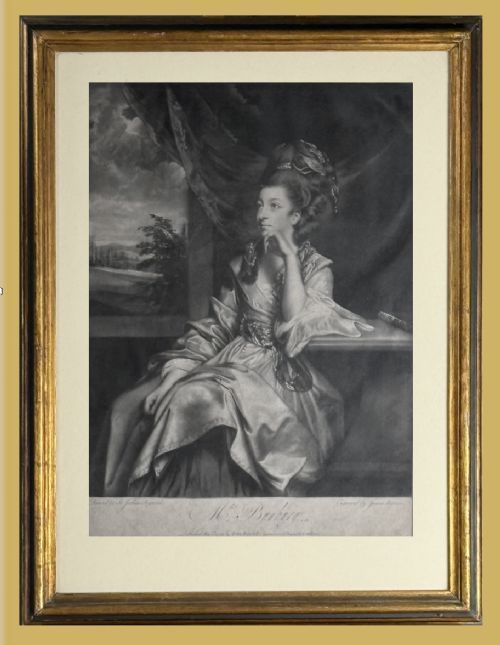
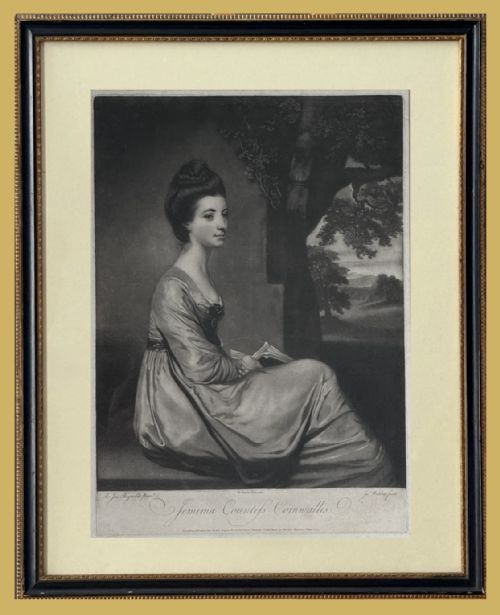
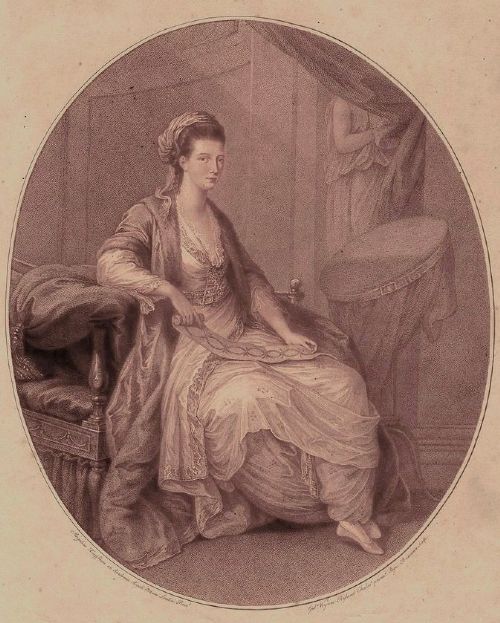
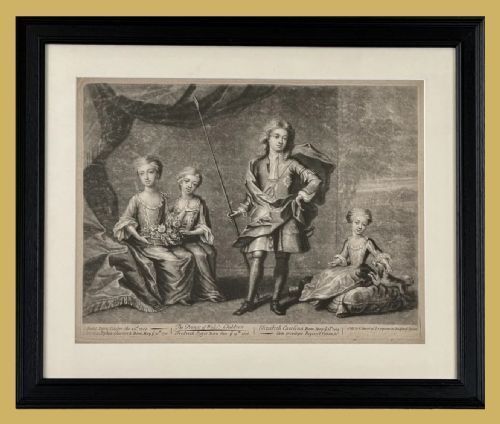
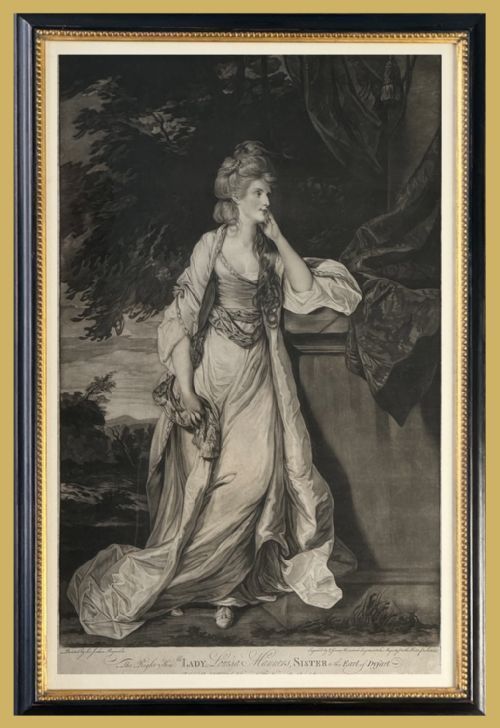
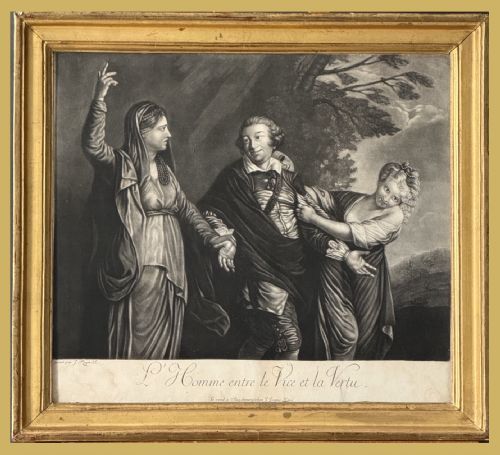
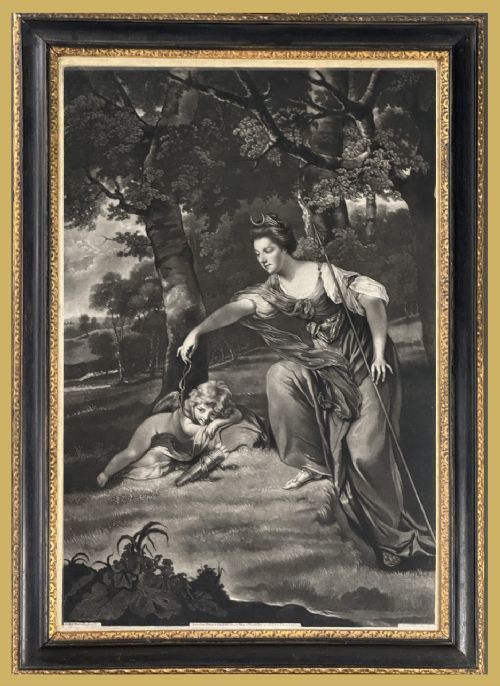
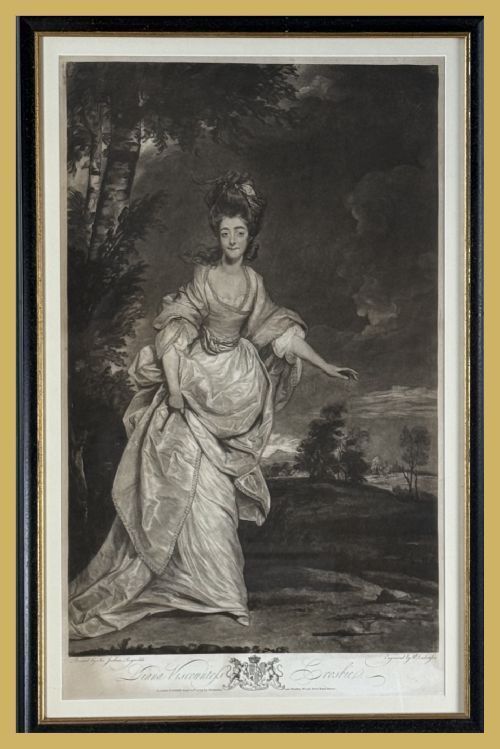
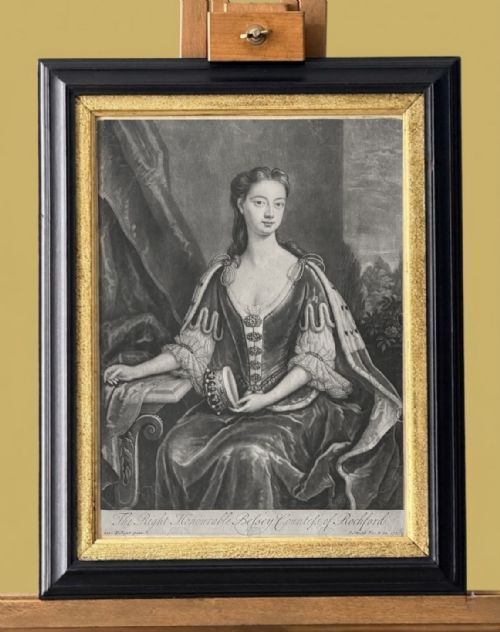
A georgian portrait engraving typically depicts notable historical figures, royals, and aristocrats rendered through intricate printmaking techniques. These works frequently arrive framed in period materials such as wood, glass, and giltwood.
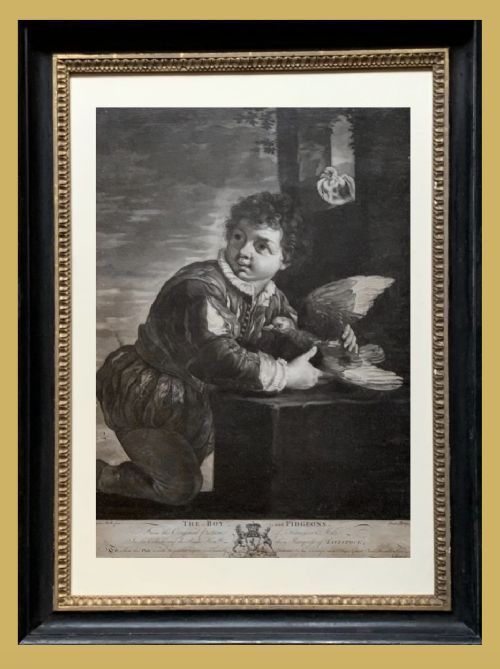
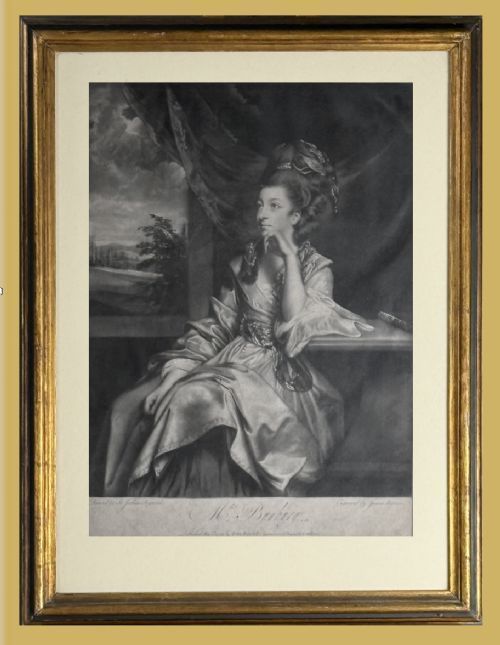
Collectors encounter both single sheets and paired prints originating largely from the eighteenth century. Subjects range from nobility and military commanders to duchesses and children, often after paintings by celebrated artists of the era.
Evaluating the Work
The impression strength dictates the visual clarity, where early pulls from a plate display crisp details and deep tones while worn plates yield softer, fainter lines. The fidelity of the transfer from the original painted portrait heavily influences the overall success of the piece.
The preservation of the paper sheet and the presence of a contemporary or period frame contribute significantly to the standing of the work. Skilled scraping in mezzotints and precise stipple dot patterns distinguish superior plates from standard productions.
Georgian Portrait Engraving Retail Price Guide 2026
Typical asking prices for georgian portrait engraving among the pieces listed under this phrase on Sellingantiques today, from the lower quarter to the upper quarter. They describe what is for sale here now, not the wider market.
Listings span the eighteenth and nineteenth centuries, featuring paper, glass, wood, and gold leaf materials.
John Simon·Edward Fisher·John Boydell·James Watson·Francesco Bartolozzi·John Smith·Valentine Green·Jacobus Houbraken
The Georgian Portrait Engraving Glossary
- Mezzotint
- A printmaking process where the copper plate is roughened to produce dark tones and rich shadows. Scraped areas create lighter highlights, allowing for subtle tonal gradations.
- Stipple engraving
- A technique using dots of varying sizes and densities to form the image rather than continuous lines. This method excels at rendering soft flesh tones and fabric textures.
- Line engraving
- A method where incisions are cut directly into a metal plate with a sharp tool called a burin. The resulting image relies on precise, clean lines.
- Giltwood
- Wood carved and coated with gold leaf or gold paint. This material is standard for period frames encasing fine eighteenth-century prints.
Georgian Portrait Engraving: Frequently Asked Questions
What is a mezzotint portrait?
A mezzotint portrait is a print created by working from dark to light on a roughened metal plate, producing velvety shadows and smooth tonal transitions.
This technique was widely used in the eighteenth century to reproduce oil paintings of prominent individuals with remarkable fidelity.
How do you date these prints?
Dating relies on the sitter's lifespan, the publication lines printed on the sheet, and stylistic clues within the engraving itself.
Paper characteristics and the presence of a period wooden frame also assist in confirming the era of production.
Were these prints originally framed?
Many works were sold unmounted so owners could commission custom frames to match their interiors.
Surviving examples in period giltwood or wood frames reflect the framing fashions popular during the Georgian and Regency periods.
Who painted the original portraits?
Printmakers frequently translated works by prominent painters such as Sir Joshua Reynolds, Sir Godfrey Kneller, and Hans Holbein.
These reproductive prints allowed a wider audience to own likenesses of famous paintings displayed in private collections.