


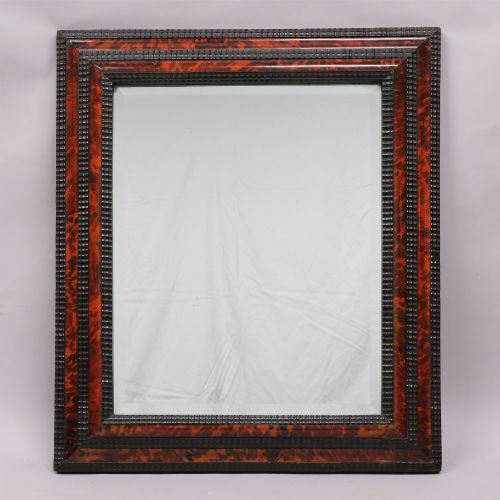

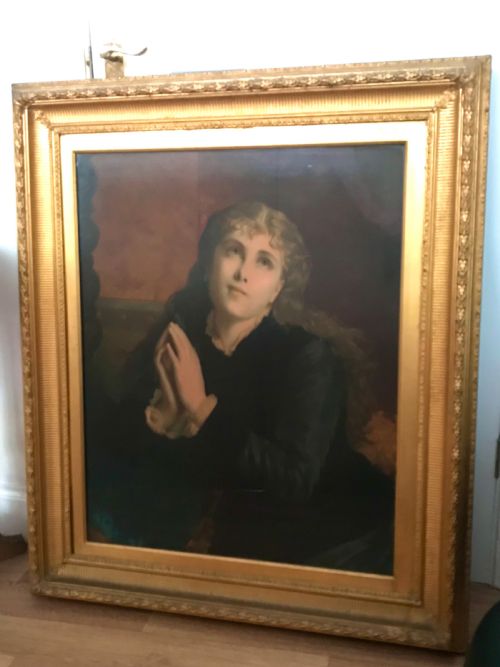
Antique Glass Picture
These antique glass picture examples combine printmaking with reverse glass technique to create lasting decorative wall art from past centuries.
Antique Glass Picture
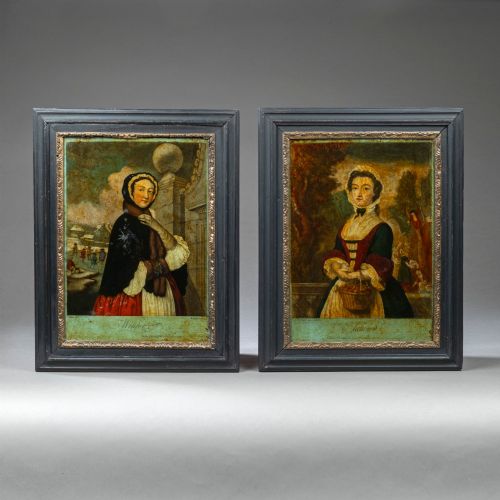
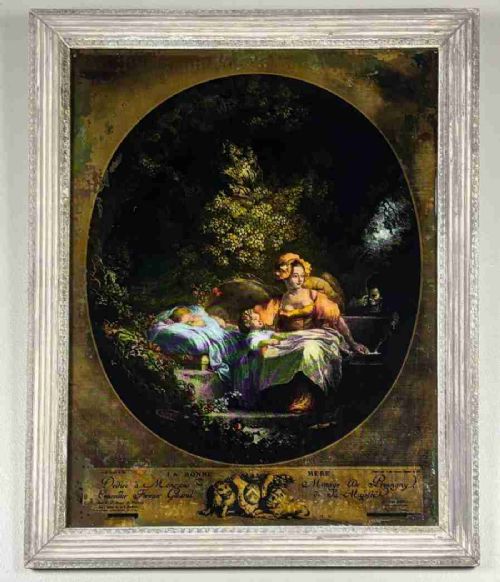
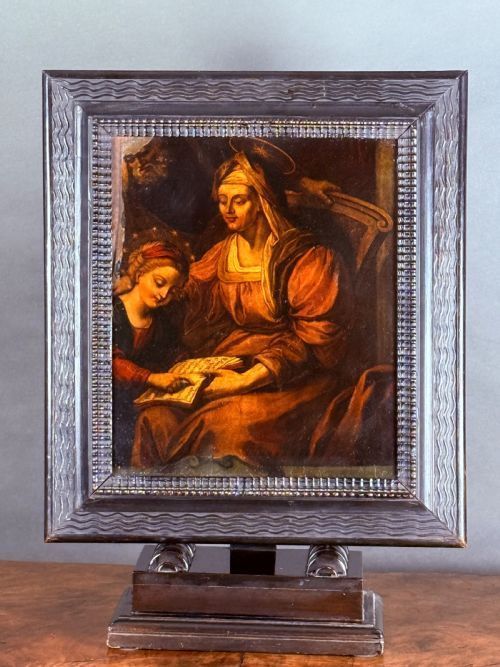
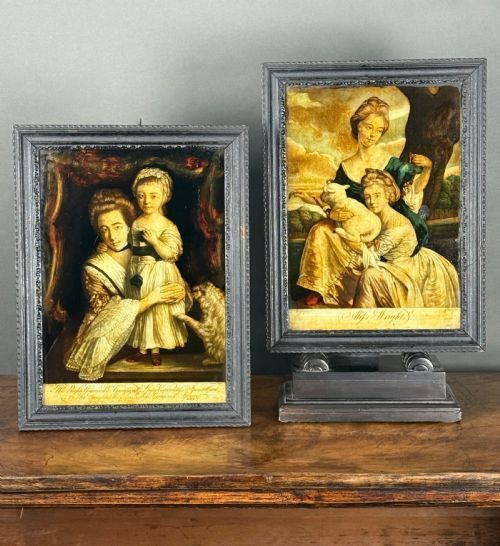
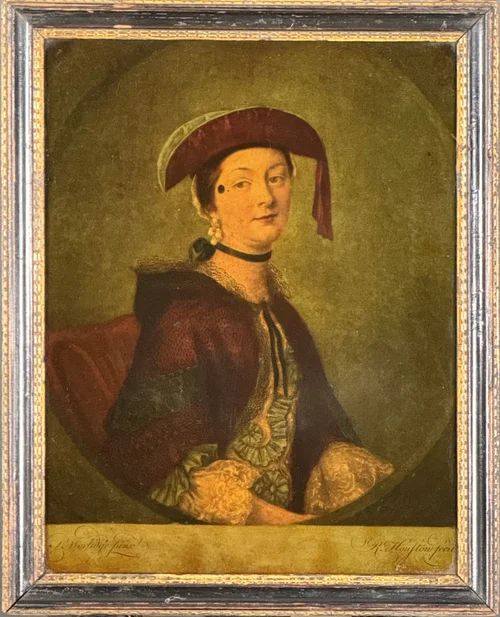
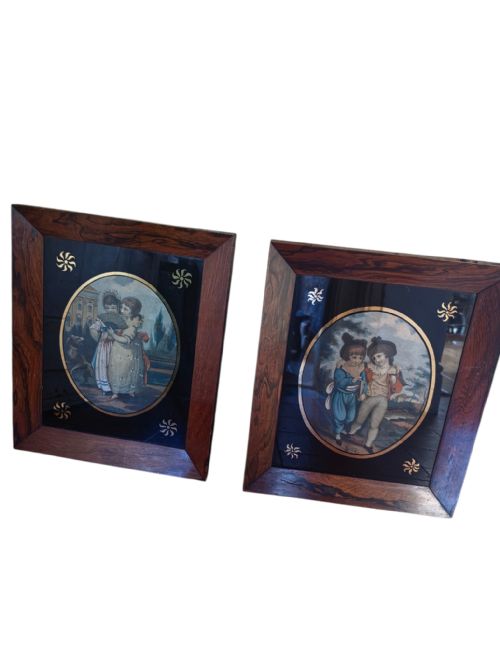
An antique glass picture involves applying a print, mezzotint, engraving or painting directly to the rear surface of a glass panel. This method protects the delicate image media beneath the glass layer while producing a distinctive reflective sheen.
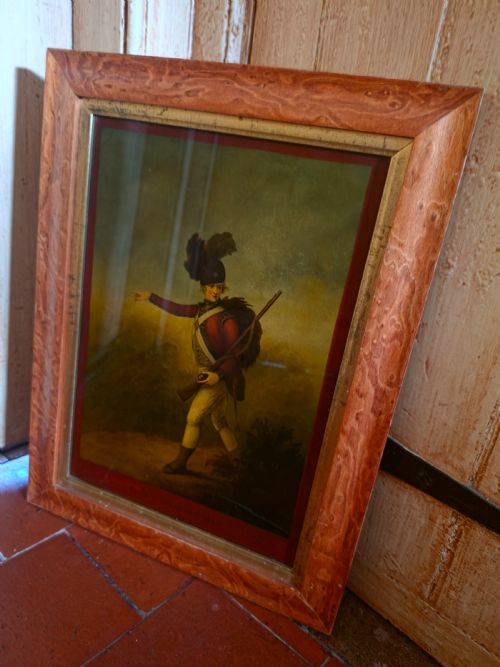
The pieces available span the 18th Century, Georgian and Regency periods, representing traditional British and European visual culture. Common subject matter ranges from historical battle scenes and royal portraits to moral narratives after earlier masters.
Makers mounted these fragile works in supportive frames made of wood or gilt materials to secure the glass panel safely on the wall. Surviving examples demonstrate how these decorative wall art pieces maintained their visual clarity across generations.
Materials and construction
The primary substrate consists of flat glass panels, which makers paired with supporting wooden frames to protect the vulnerable edges. Artisans applied paper prints, mezzotints or engravings face down onto the glass before adding pigments, oil paint or gold leaf.
Applying colour and pigment from the rear required working in reverse, painting fine details first and broader background layers last. This technique demanded precise control from the artist, as any error on the underside of the glass remained permanently visible from the front.
Antique Glass Picture Retail Price Guide 2026
Typical asking prices for glass picture among the pieces listed under this phrase on Sellingantiques today, from the lower quarter to the upper quarter. They describe what is for sale here now, not the wider market.
Early makers painted subjects entirely backwards, trusting that a monarch's nose would point the correct way once the glass was flipped.
Distinctions in quality
Quality in an antique glass picture rests upon the finesse of the underlying print and the precision of the hand-applied pigment or gold leaf. Superior works exhibit careful alignment during the transfer process, ensuring the intricate details remain crisp through the transparent pane.
The handling of the materials also dictates the enduring visual impact, with finer examples retaining vibrant colour saturation and minimal pigment flaking beneath the glass. Frame integrity and original mounting materials contribute further to the overall standard of preservation.
Fletcher·Sebastiaan Vrancx
The Antique Glass Picture Glossary
- Reverse glass painting
- A technique where the artist applies paint, pigment or gold leaf to the back of a glass sheet so the image is viewed through the front. This method protects the paint layer from atmospheric damage.
- Mezzotint
- A printmaking process of the tonal engraving variety that achieves subtle gradations of light and shade. Artisans often utilised this method to create rich pictorial surfaces before transferring them onto glass.
- Regency
- An architectural and artistic period spanning the early nineteenth century in Britain, characterised by classical restraint and specific portraiture styles. Pieces from this era often depict contemporary historical figures and events.
- Gold leaf
- Extremely thin gold beaten into sheets, used by artisans to add reflective highlights and borders to the reverse side of the glass panel. It enhances the luminosity of the composition when viewed under light.
Antique Glass Picture: Frequently Asked Questions
What is an antique glass picture?
An antique glass picture is a piece of wall art where an engraving, print or painting is adhered to the reverse side of a glass panel. Artisans then hand-coloured these images using pigments, oil paint or gold leaf.
Because the artwork sits behind the glass, the surface is naturally shielded from dust and direct physical contact. This construction technique gives the finished picture a unique luminous depth and reflective quality.
How do I hang a glass picture safely?
Hanging these pieces requires sturdy fixings that securely support the weight of the wooden frame and the glass panel together. Ensure the wall anchors match the weight distribution of the specific frame.
Keep the picture away from direct sunlight and areas prone to high moisture or temperature fluctuations. Stable indoor conditions prevent the backing materials and pigments from deteriorating over time.
How do I identify a Regency glass picture?
Regency glass pictures often feature specific portraits of contemporary public figures or military scenes from the early nineteenth century, such as the Battle of Waterloo or Queen Caroline. The framing styles and engraving techniques typical of this era help confirm the period.
Examining the materials used in the construction and the style of the lettering or subject matter provides further clues to the date of origin.