
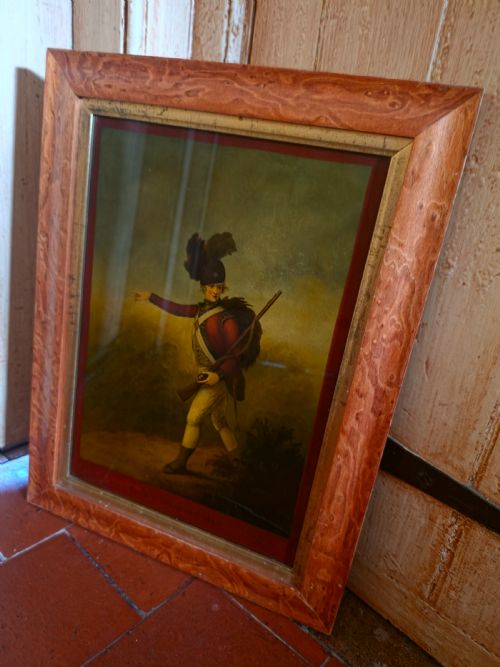
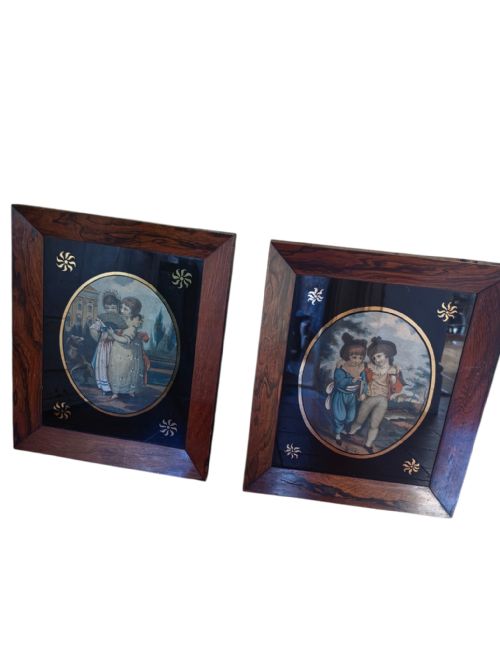
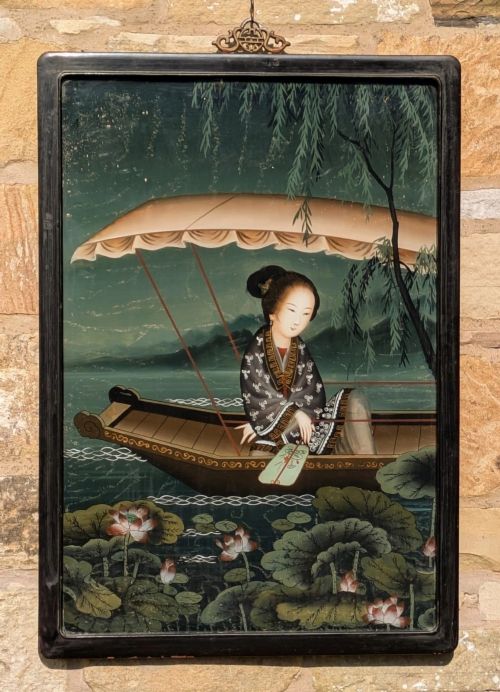
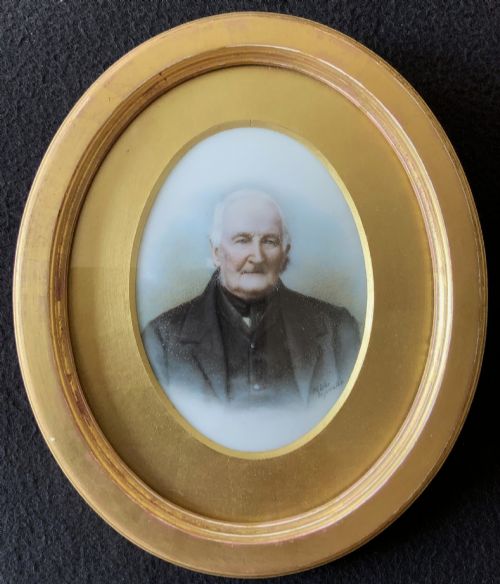
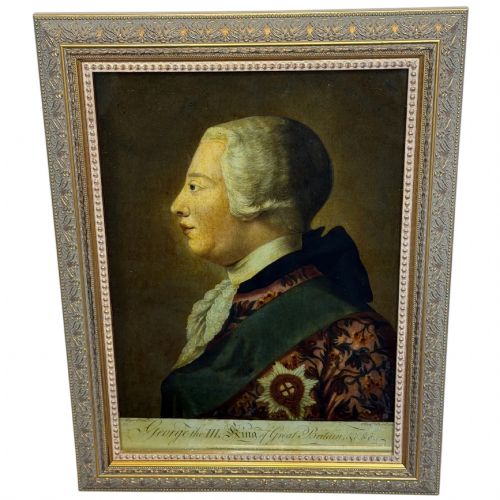
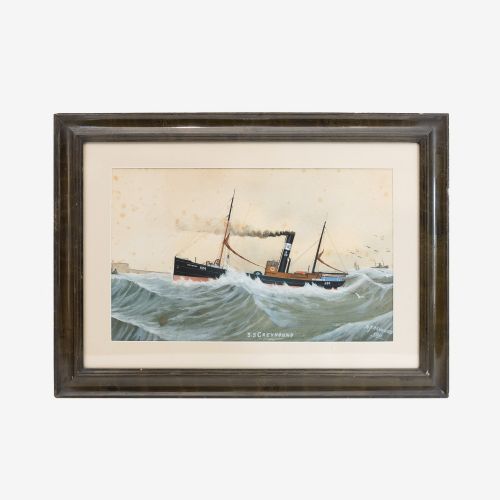
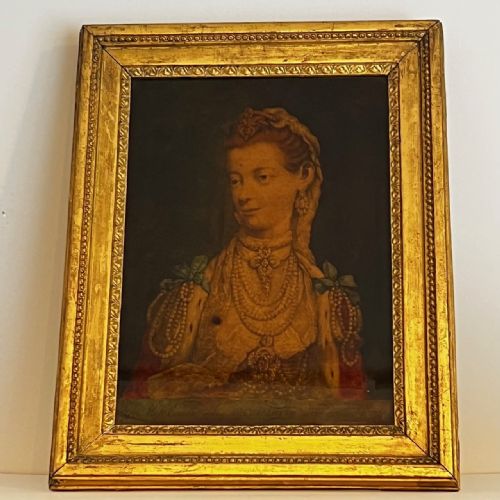
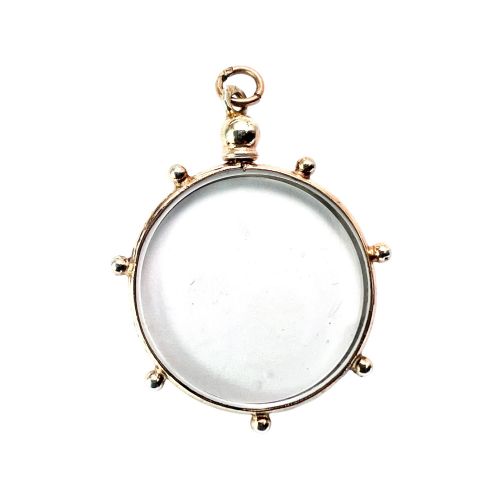
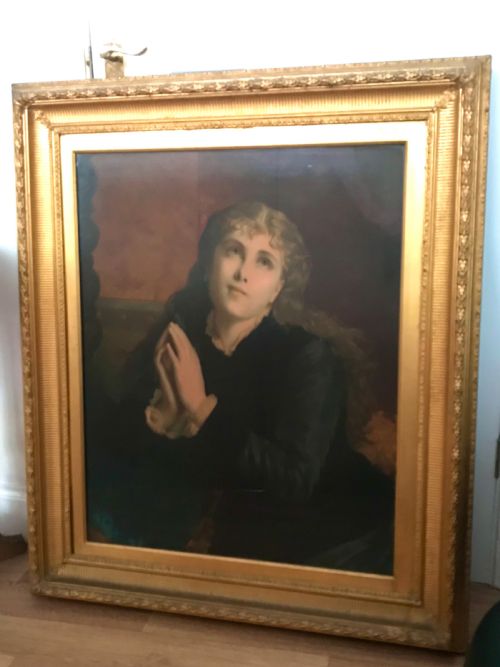
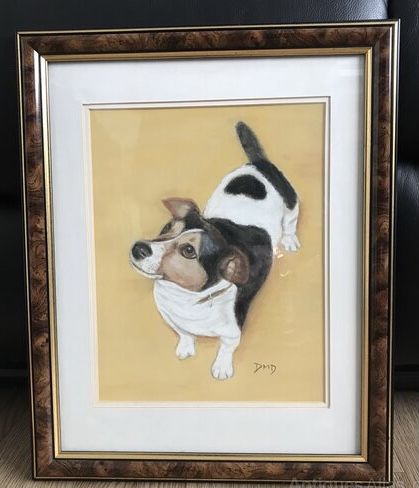


Framed Glass Portrait
These framed glass portrait pieces combine delicate handwork and historical likenesses, offering collectors a direct window into Georgian and Victorian faces.
Framed Glass Portrait
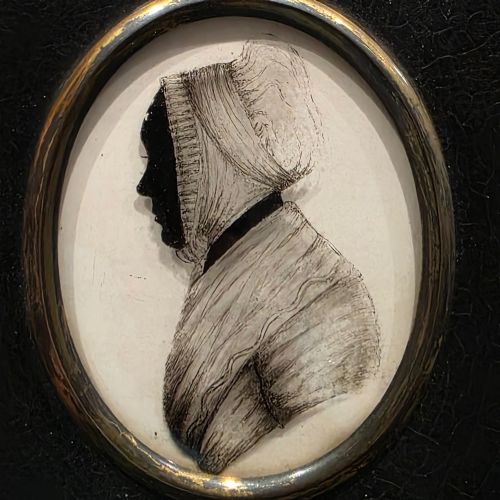
A framed glass portrait brings together historical subjects, silhouettes, and decorative wall art produced across the Georgian, Victorian, and Regency periods.
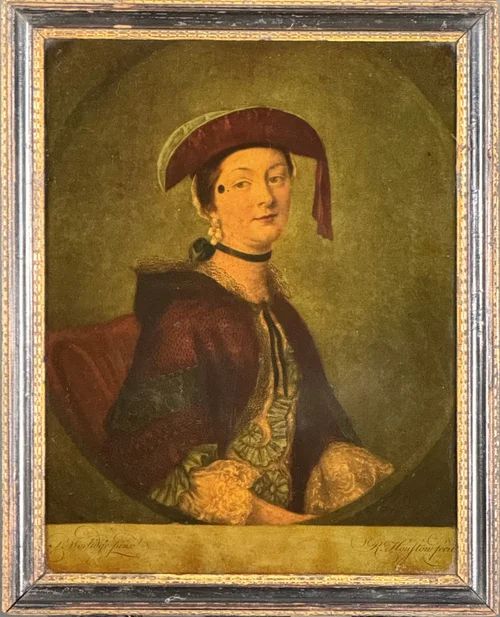
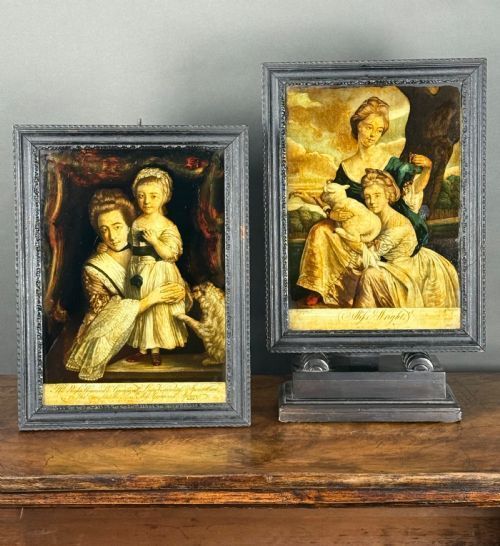
Collectors frequently encounter reverse glass prints and painted miniatures, often housed in original wood or giltwood frames from the eighteenth and nineteenth centuries.
The selections span English country house subjects, maritime pieces, and Chinese reverse paintings on glass, recording royalty, nobility, and everyday figures alike.
Materials and construction
Makers utilised glass as the primary surface for reverse painting, mezzotints, and watercolour applications, requiring reversed execution before framing.
Frames rely on wood, rosewood, walnut, and giltwood, frequently paired with brass hardware and protective glass layers.
Pigments, oil paint, watercolour, and gouache combine with paper and occasionally silkwork to build the visual depth seen in these portraits.
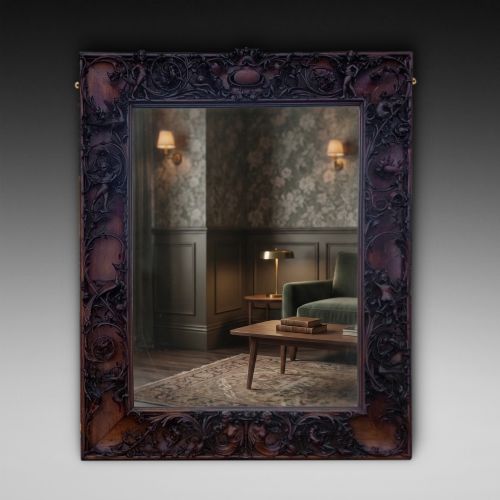
The inventory spans wall mirrors, silhouette miniatures, and reverse glass prints originating from British and Chinese workshops.
Assessing quality
Execution and fine brushwork separate standard decorative prints from superior hand-painted portrait miniatures and signed works.
Original framing integrity, particularly matching rosewood, walnut, or period giltwood surrounds, elevates the standing of an individual piece.
Clarity of the reverse glass medium and preservation of underlying pigments determine the visual impact of the portrait.
Charles Spooner·Richard Purcell·Robert Sayer·Abraham Cooper·Takabatake Kasho·John Miers·Alexander Harwood
The Framed Glass Portrait Glossary
- Reverse glass painting
- A technique where the artist paints directly onto the rear side of a glass panel so the image is viewed correctly from the front. This method requires precise planning since background details must be applied before foreground elements.
- Mezzotint
- A printmaking process of the intaglio family where the plate is roughened to achieve rich tonal gradations. These prints were frequently transferred to glass and hand-coloured in the eighteenth century.
- Silhouette
- A solid dark profile portrait, typically cut from paper or painted on card, glass, or plaster. Georgian examples often recorded family likenesses with stark economy.
- Eglomise
- A method of applying cold painting and gold or silver leaf to the rear of glass to create a mirrored or metallic decorative finish. The term derives from the eighteenth-century French decorator Jean-Baptiste Glomy.
- Portrait miniature
- A small, highly detailed painting designed for intimate viewing or personal wear. These works utilised watercolour, enamel, or oil on specialised grounds beneath protective glass.
Framed Glass Portrait: Frequently Asked Questions
How do I hang a heavy framed glass portrait?
Ensure your wall fixings match the weight of the timber frame and glass panel, utilising appropriate screws and wall plugs.
Position the piece away from direct sunlight to protect delicate pigments and reverse painted surfaces from fading.
What is reverse glass painting?
Reverse glass painting involves applying paint to the back of a glass sheet so the finished image is seen through the front.
Artists must paint details in reverse order, starting with highlights and finishing with background layers.
How should I clean my framed glass portrait?
Dust the wood or giltwood frame gently with a dry, soft cloth, avoiding any moisture near exposed joins.
Clean the glass surface sparingly with a mild cleaner applied to a cloth rather than sprayed directly onto the frame.
Are these portraits original period pieces?
The selection includes genuine Georgian, Regency, and Victorian works alongside occasional twentieth-century reproductions.
Examining the backing materials, frame construction, and glass characteristics helps confirm the age of each item.