




Dark Wood Glass Picture
These dark wood glass picture examples are framed works where pigment meets reflective surfaces, offering rich colour and historic depth for your walls.
Dark Wood Glass Picture
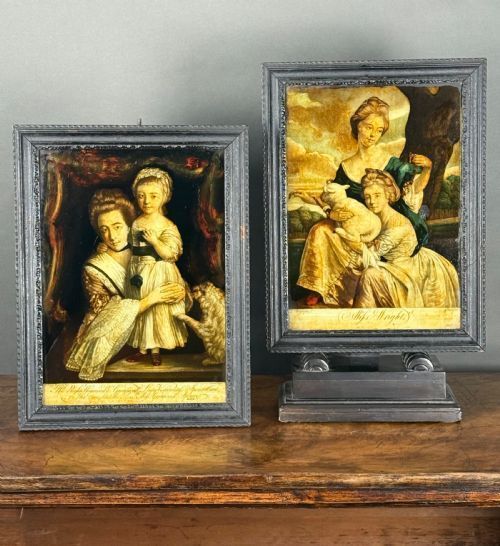
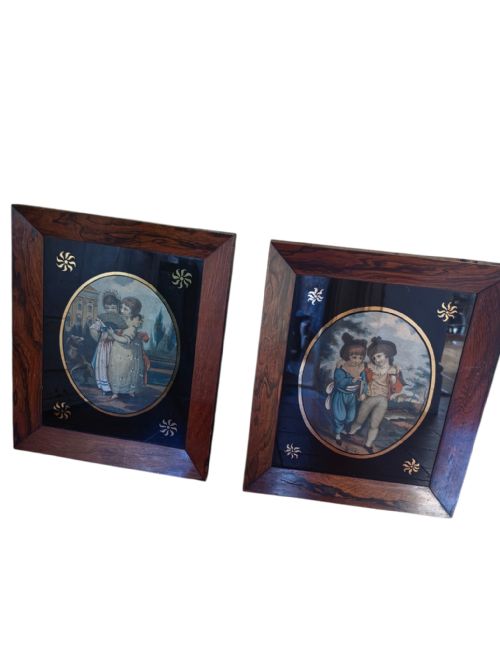
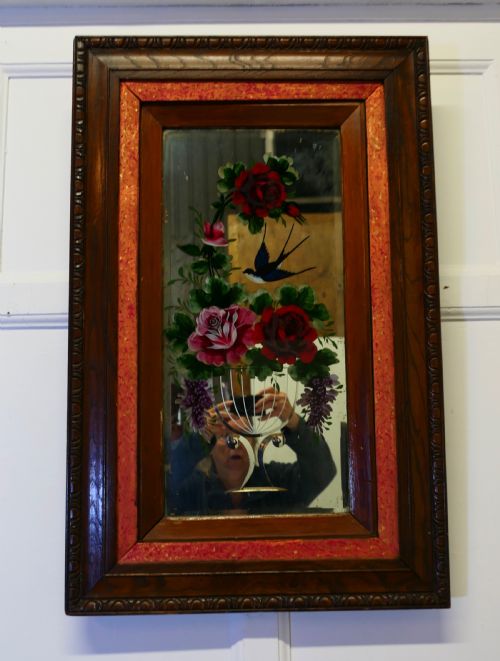
When you search for a dark wood glass picture, you encounter pieces that span centuries of decorative craft, from Georgian trade items to Victorian portraits. The selection on this page relies heavily on reverse glass paintings, prints, and mirror-glass works housed in hardwood or rosewood frames.
The objects take various forms including wall art, framed prints, and specialised painted panels. Most pieces combine dark timber surrounds with delicate imagery rendered directly onto glass plates.
Originating from British, European, and Asian workshops, these works frequently depict historical figures, religious icons, sporting scenes, and traditional beauties. They function primarily as wall art that brings reflective luminosity and deep wooden tones into an interior space.
How they were made
Makers utilised glass as the primary canvas, applying paint, pigment, and gold leaf directly onto the reverse side so the final image appeared correctly when viewed through the front. This technique required precise brushwork because any error applied first remained permanently visible on the exterior surface.
The resulting glass panels were secured within frames fashioned from hardwood, rosewood, or dark gilt timber. Some examples incorporated etched mirror-glass or photographic elements like autochromes and chrystoleums to achieve distinct visual textures.
What varies in quality
The refinement of the painted detail and the complexity of the reverse glass technique separate standard decorative items from superior examples. Master work displays crisp linework and deliberate use of gold leaf that enhances the luminosity behind the glass.
The integrity and age of the surrounding wood frame contribute significantly to the overall character of the piece. Well-matched rosewood or hardwood frames that retain their original patination elevate the visual balance between the dark timber and the reflective panel.
The Dark Wood Glass Picture Glossary
- Reverse glass painting
- A technique where the artist paints the image on the back of a glass sheet, viewed from the front. This method creates a glossy, vibrant finish that protects the pigment from dust and damage.
- Eglomise
- A process of applying cold gilding and painting to the rear face of glass. It produces a reflective, mirror-like metallic sheen often seen in decorative panels and historic frames.
- Chrystoleum
- A method of applying hand-colouring to a photograph pasted face-down on glass, then thinning the paper and adding more paint behind it. It creates a rich, three-dimensional painted effect from a photographic base.
- Autochrome
- An early colour photography process using dyed potato starch grains on a glass plate. These plates produce distinctive pointillist colour imagery.
- Chinese Export
- Goods manufactured in China specifically for Western markets and trade. These items frequently blend Eastern subjects with European framing and stylistic preferences.
Dark Wood Glass Picture: Frequently Asked Questions
How do I hang a glass picture safely?
Ensure your wall fixings match the weight of the dark wood frame and the glass panel inside. Use sturdy picture wire and secure hooks attached directly to the wall studs.
Avoid hanging these pieces in areas with direct sunlight or high humidity, as moisture can affect both the wooden frame and the pigments behind the glass.
How do I clean a reverse glass picture?
Dust the dark wood frame gently with a dry, soft cloth to prevent buildup. Clean the glass surface using a minimal amount of glass cleaner applied to a cloth rather than sprayed directly onto the piece.
Keep moisture away from the edges where the glass meets the wood to protect the painted layers underneath.
What periods do these pieces come from?
The listings span multiple eras including the seventeenth, eighteenth, and nineteenth centuries, alongside early twentieth-century examples. Georgian and Regency pieces often feature historical portraits and trade subjects.
Victorian and later examples introduce etched mirrors, photographic elements, and diverse international styles like Chinese export and Taisho Roman works.
How can I tell an older glass painting from a reproduction?
Examine the materials used in the construction of the frame and the backing boards behind the glass panel. Older pieces display hand-cut glass irregularities and traditional joinery within the hardwood or rosewood surrounds.
Inspect the pigment application under magnification to identify hand-painted brushstrokes rather than modern mechanical printing techniques.