



18th Century Glass Art
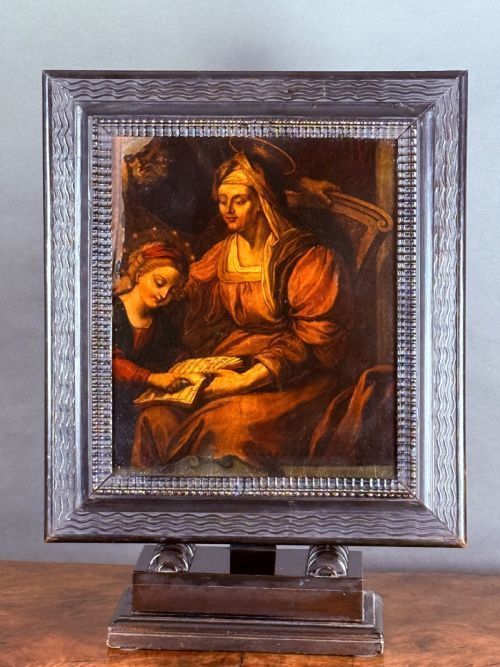
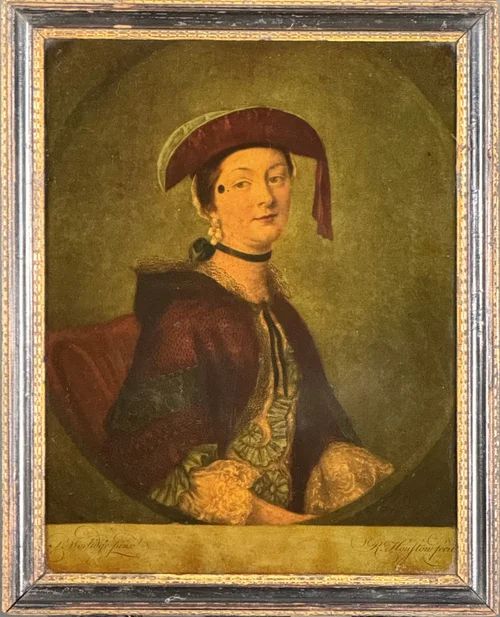
These 18th century glass art pieces bring together delicate reverse paintings, painted bottles, and miniature portraits that capture Georgian portraiture and folk traditions.
18th Century Glass Art
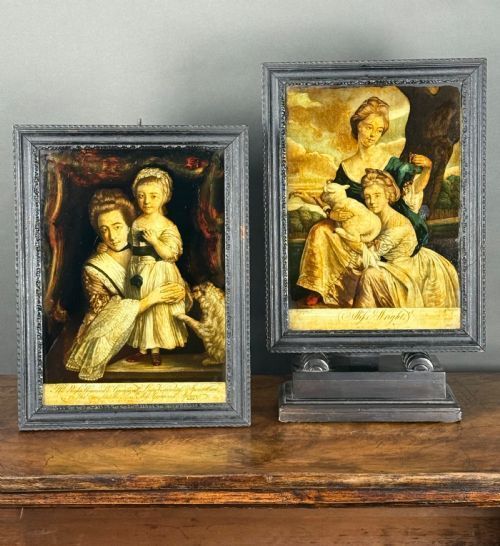
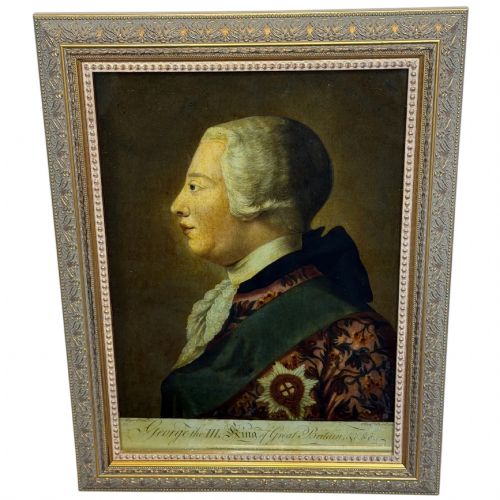
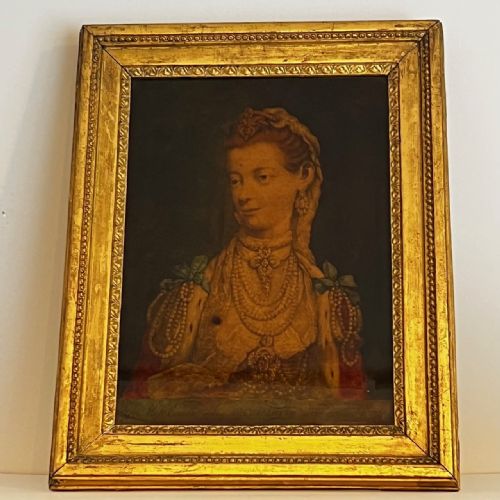
When searching for 18th century glass art, collectors encounter a specialised group of objects spanning reverse glass prints, painted vessels, and framed shadow boxes. The most frequent discoveries on this page are reverse glass mezzotints and painted portraits depicting royalty, literary figures, and domestic scenes.
The material record includes framed wall art alongside decorative glassware like polychrome enamelled schnapps flasks, tumblers, and decorated bottles. Pieces date predominantly from the Georgian period through to the early nineteenth century, drawing on English, French, Chinese export, and German folk traditions.
Vessels and wall pieces display distinct regional styles, ranging from Nevers glass figures in devotional shadow boxes to Bohemian and Bristol glass containers. Buyers find both intimate portrait silhouettes and larger narrative scenes designed for display.
How they were made
Bottles, flasks, and tumblers were formed in glass and subsequently decorated with polychrome enamels fired onto the surface. Shadow boxes combined glass figures with wood and paper elements to construct three-dimensional devotional scenes.
18th Century Glass Art Retail Price Guide 2026
Typical asking prices for 18th century glass art among the pieces listed under this phrase on Sellingantiques today, from the lower quarter to the upper quarter. They describe what is for sale here now, not the wider market.
Several portraits depict domestic animals and children, including a young Bristol glass maker holding a glass.
What varies in quality
Quality rests upon the precision of the brushwork and the clarity of the underlying mezzotint or print. Finer examples exhibit crisp facial expressions, careful handling of colour, and minimal pigment flaking.
The integrity of the original framing and the preservation of the glass plate heavily influence desirability. Pieces retaining their early wooden frames and clear, undisturbed paint layers stand apart from those with extensive pigment loss or later repairs.
Fletcher·Sebastiaan Vrancx·Charles Spooner·Richard Purcell·Robert Sayer·W. Bishop·John Miers·John Barry·Edward Bird
The 18th Century Glass Art Glossary
- Reverse glass painting
- An artwork created by applying paint or coloured pigments directly to the back of a glass sheet to be viewed from the front. This technique protects the pigment from surface dust and atmospheric damage.
- Mezzotint
- A printmaking process where the copper plate is roughened to produce dark tones, allowing subtle graduations of light to emerge. When transferred to glass, these prints received hand colouring.
- Enamelled glass
- Glassware decorated with powdered glass mixtures fused to the vessel through heat. This method produces durable, colourful motifs like floral patterns and inscriptions.
- Shadow box
- A deep, framed container used to display three-dimensional objects protected behind glass. Devotional examples often house intricate glass figures and paper backgrounds.
- Silhouette
- A portrait profile filled in with a solid dark pigment, frequently painted on glass or paper during the Georgian era. These concise likenesses captured subjects without photographic equipment.
18th Century Glass Art: Frequently Asked Questions
How do I hang reverse glass art?
Reverse glass pieces require stable wall fixings and protection from direct sunlight, which can fade underlying pigments. Hang them away from heat sources to prevent stress on the glass plates and wooden frames.
Ensure the hanging wire and original wooden backing remain secure. Professional framing support helps distribute the weight evenly without pressing against the delicate glass surface.
Are these glass pieces fragile?
These items utilise historic glass and delicate pigments that demand careful handling. Sudden temperature changes and impact can cause cracking or pigment separation.
Keep pieces in stable indoor environments during transit and display. Cleaning should involve only a dry, soft cloth on the frame without moisture touching the painted glass.
How do I identify Georgian glass art?
Georgian pieces often feature distinct portrait subjects, contemporary costume details, and eighteenth-century printing techniques such as mezzotints on glass. Examining the framing materials, backing boards, and glass characteristics helps confirm the period.
Signatures, publisher labels, and handwritten inscriptions on the reverse provide further clues regarding origin. Comparing style elements with documented works by makers of the era aids attribution.