


Reverse Painted Glass Portrait
These reverse painted glass portrait pieces capture delicate likenesses beneath gleaming panes, offering an intimate glimpse into past centuries.
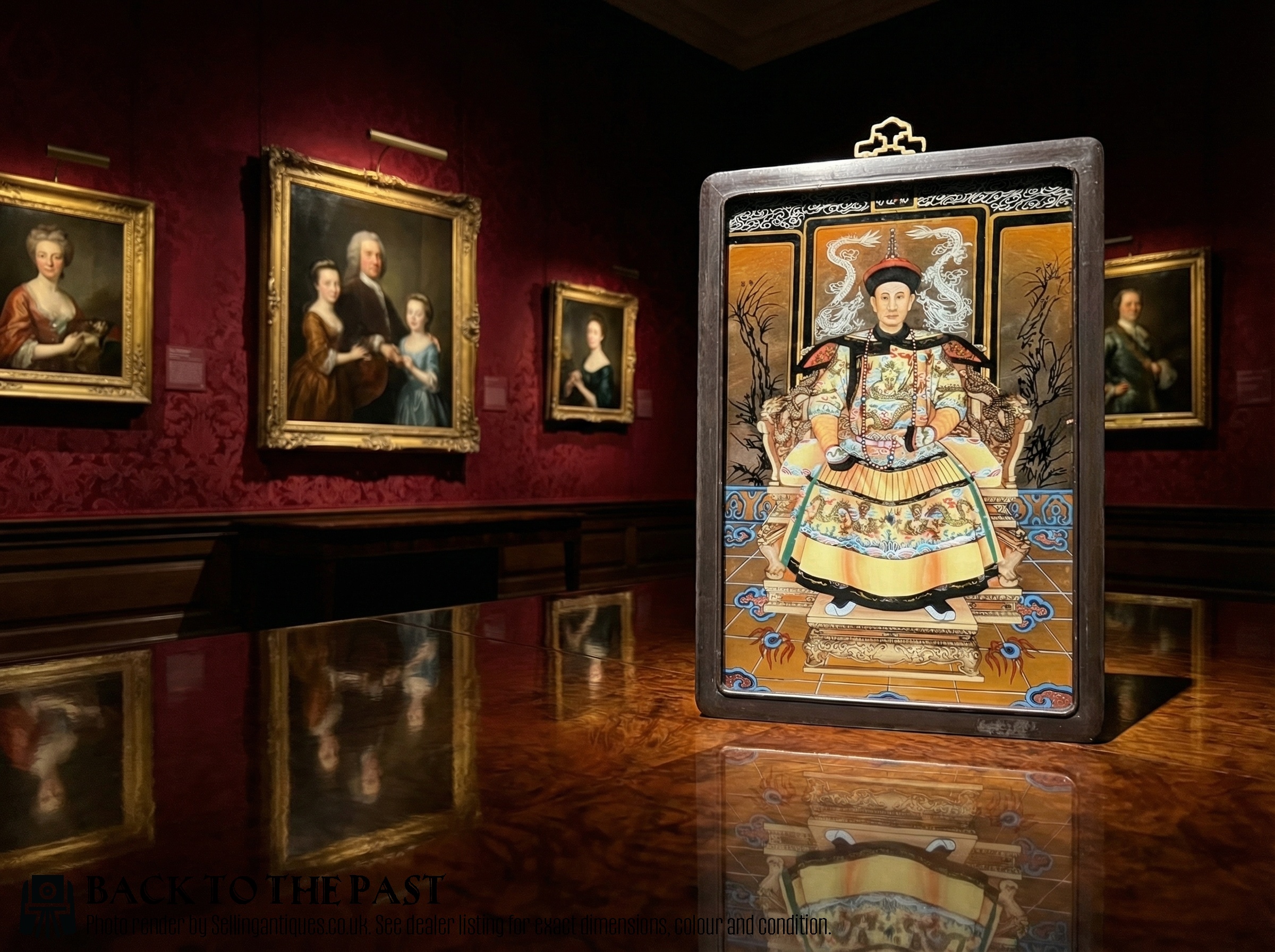
Identifying reverse painted glass portrait
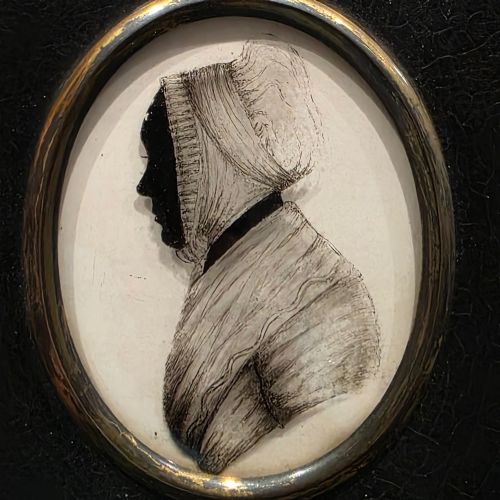
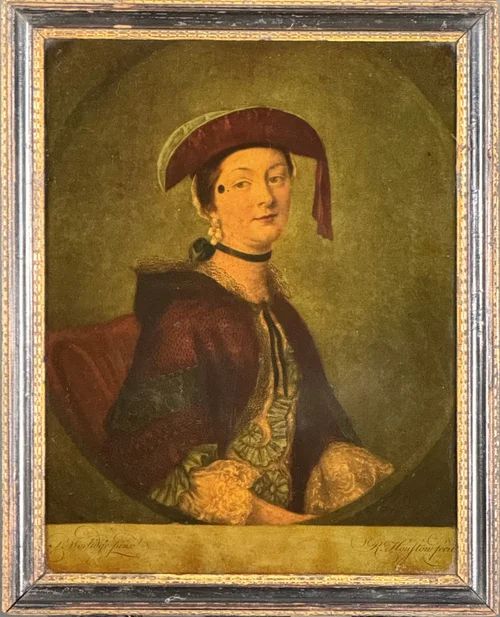
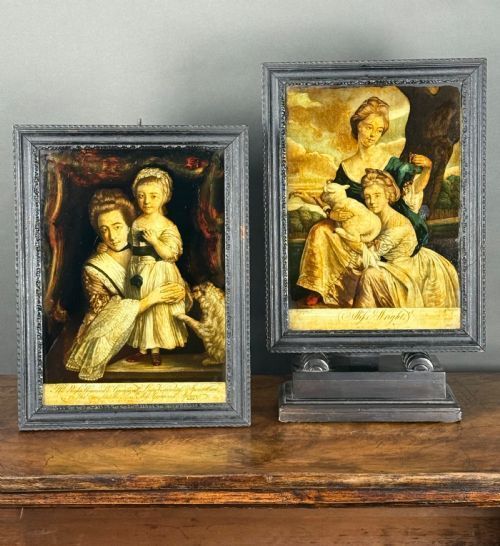
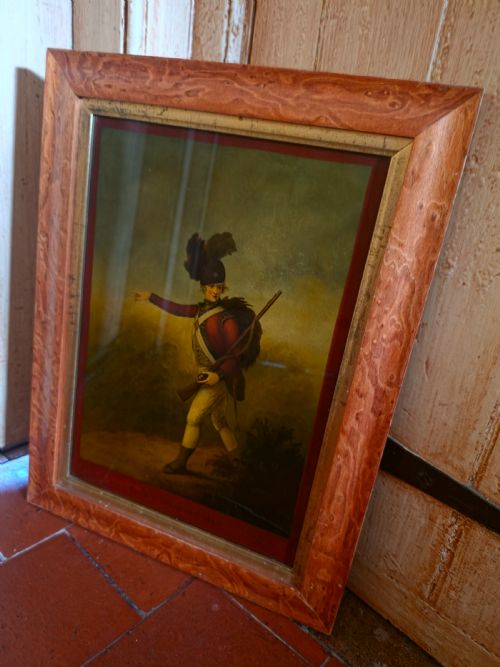
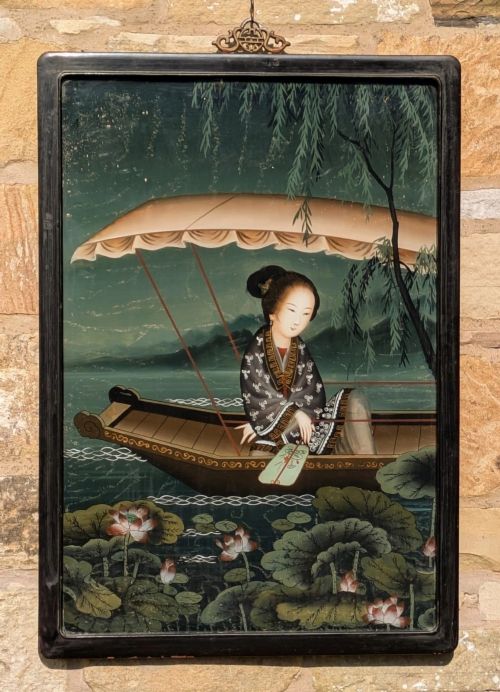
A reverse painted glass portrait presents an image applied directly to the rear of a glass sheet, creating a glossy finished surface when viewed from the front. This page displays examples originating from the eighteenth and nineteenth centuries, including Georgian works and pieces from the Qing Dynasty.
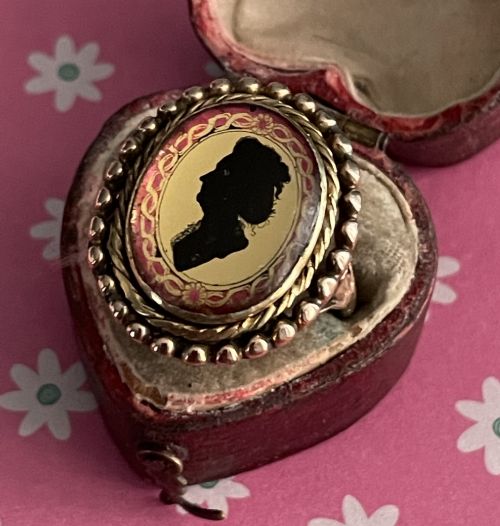
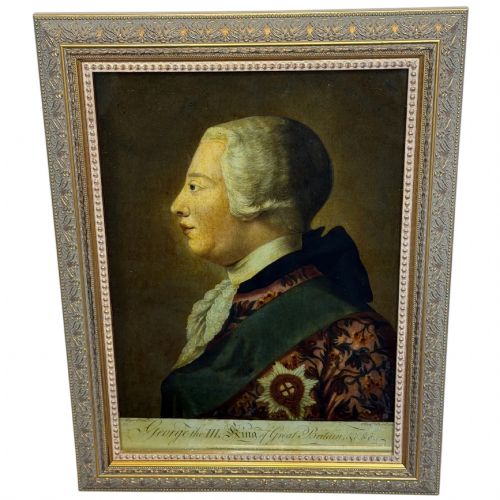
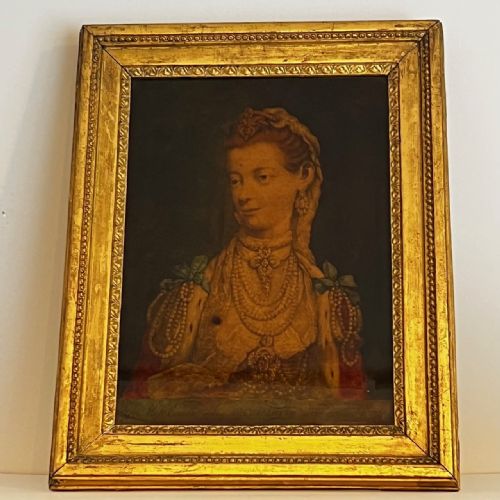
Buyers frequently encounter portrait miniatures, silhouette miniatures, and framed prints depicting subjects ranging from named sitters like Mrs Grace Williams and King George III to anonymous dignitaries and aristocratic ladies. These works function primarily as wall art or small intimate portraits housed in wooden frames.
The material composition encompasses glass, paint, oil paint, paper, brass, gold leaf, and giltwood frames such as pear wood oval designs. Both single pieces and pairs appear across the listings, showing subjects executed through various painterly and print techniques.
Methods of creation
Certain works incorporate mezzotint engravings or printed silhouettes affixed to the glass surface and subsequently hand-coloured with paint. Frames fashioned from pear wood, brass fittings, and giltwood complement these panels, protecting the delicate edges of the glass.
Retail Price Guide 2026
Typical UK retail prices for reverse painted glass portrait, calculated from the Sellingantiques database of over a million retail prices indexed since 2003. This retail price guide relies exclusively on Sellingantiques data; no external sources or auction records are used, so the figures do not describe the wider market.
Listings feature periods spanning the eighteenth century, nineteenth century, and nineteen hundred, alongside Georgian and Qing Dynasty styles.
Distinguishing quality
Superior quality in a reverse painted glass portrait emerges from the precision of the brushwork and the delicacy of the facial likeness. Master hands achieved subtle shading in oil paint and gold leaf that elevates a simple silhouette or portrait into a striking character study.
The preservation of the glass and the originality of the frame significantly influence the standing of a piece. Intact nineteenth-century pear wood frames and well-preserved Chinese export or Georgian glass panels retain their original visual depth far better than compromised examples.
The Reverse Painted Glass Portrait Glossary
- Reverse glass painting
- A technique where the artist paints directly onto the back of a glass sheet so the image is viewed through the front. This method imparts a distinctive glossy sheen to the finished portrait.
- Mezzotint
- A printmaking process of the intaglio family where tones are created by roughening the copper plate with a rocker. Eighteenth-century examples were frequently coloured and mounted behind glass.
- Silhouette
- A solid dark image of a profile, typically cut from paper or painted. In portrait miniatures, these were often enhanced with delicate highlights in gold leaf.
- Pear wood
- A dense, fine-grained wood utilised by period framers for small oval enclosures. Its smooth texture allowed for slender, elegant mouldings around portrait miniatures.
- Giltwood
- Wood carved and treated with gold leaf or a gold-coloured finish. This material adorned frames to provide a rich border for Georgian wall art.
Frequently Asked Questions
How do I hang a reverse painted glass portrait?
Most pieces feature original hanging loops or rings attached to their wooden frames. Ensure the wall fixing is secure and supports the weight without straining the antique joinery.
Keep these artworks away from direct sunlight and damp environments to protect the fragile paint layers behind the glass from degradation.
Are these portraits signed by the artists?
Many historical reverse painted works remain unsigned, as artisans of the period rarely marked their portrait miniatures. Attribution usually relies on style, subject matter, and framing conventions.
Published engravers like Richard Purcell occasionally signed their printed works, but painted miniatures are typically identified through period inscriptions on the reverse.
What frames are typical for these portraits?
Period pieces frequently appear in narrow wooden surrounds, oval pear wood frames, or gilded mouldings designed to complement domestic interiors. Brass hangers and bezels are also common on miniature formats.
Original frames contribute significantly to the character of the artwork, showing the wear and patina expected of eighteenth and nineteenth-century items.