


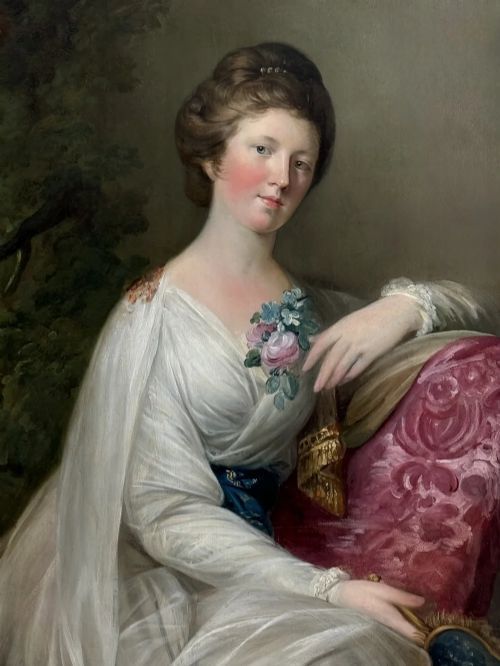
18th Century Framed Portrait
An 18th century framed portrait brings immediate character to a room, offering genuine historical depth through oil, ink, or print.
What They Are
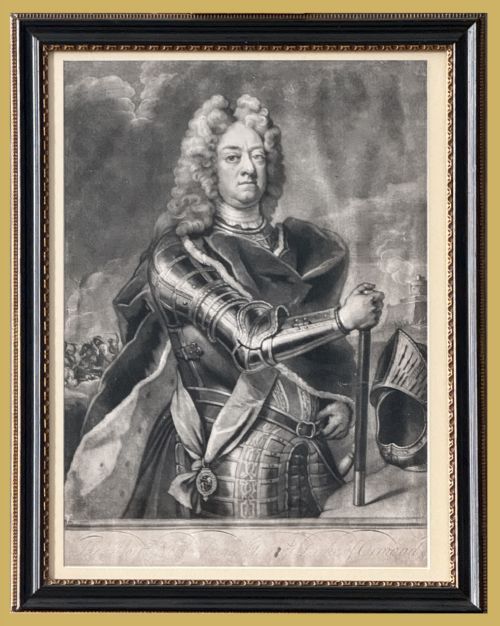
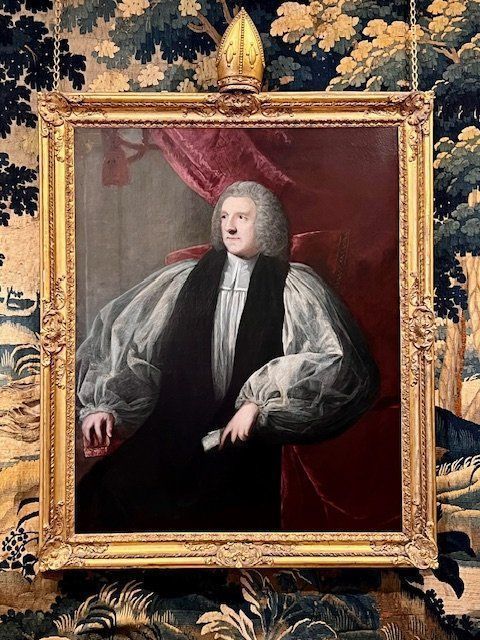
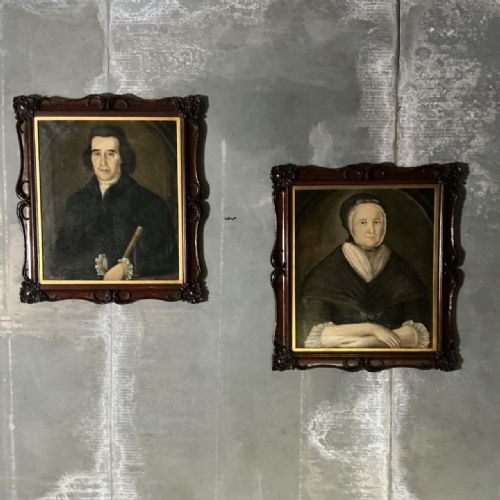
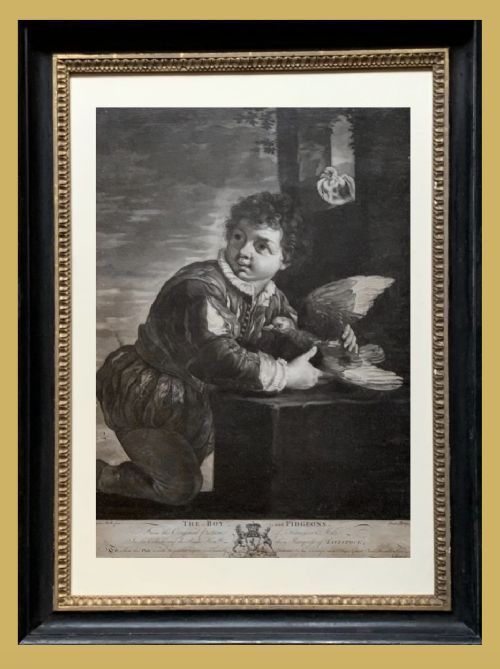
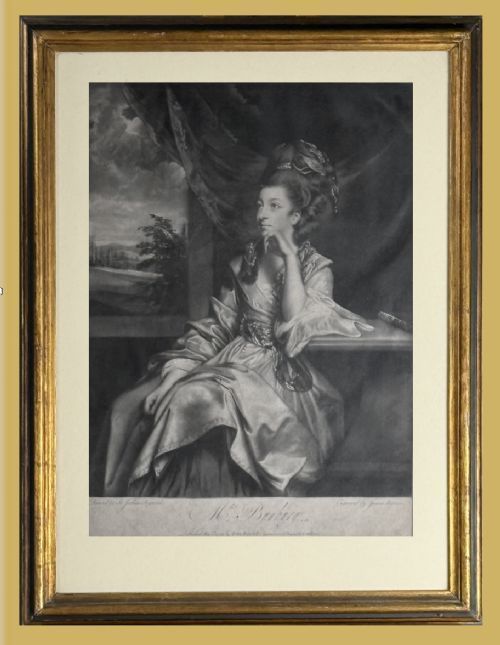
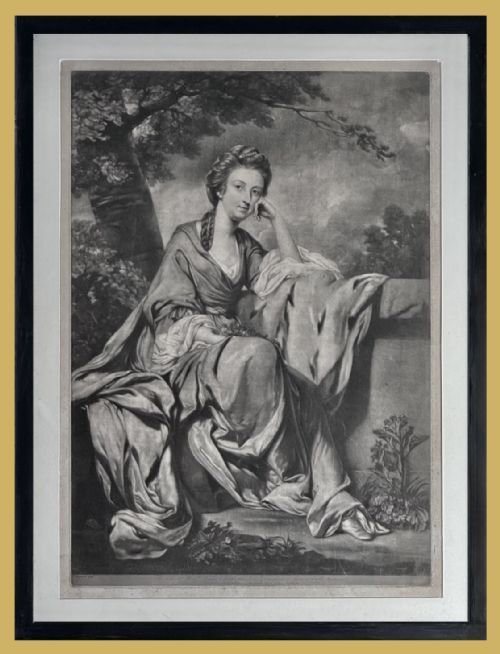
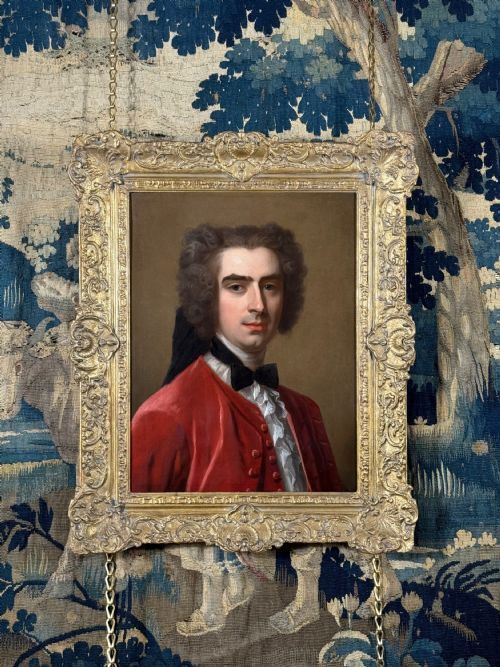
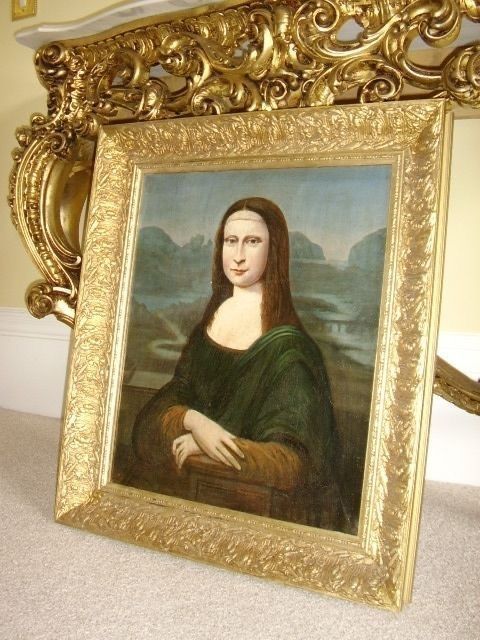
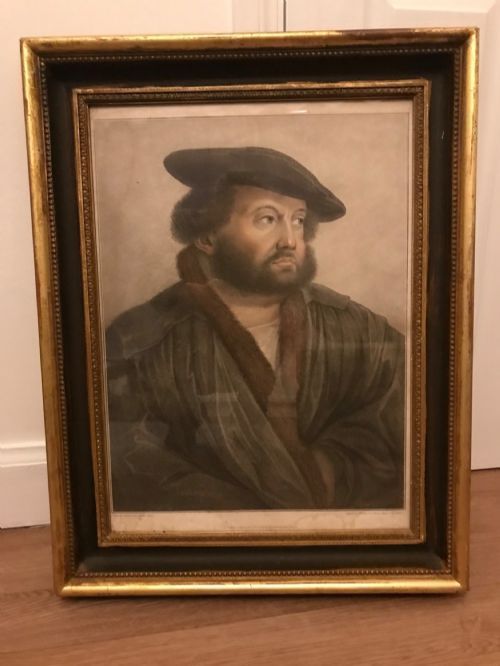
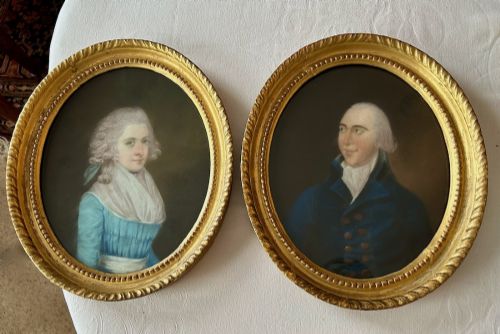
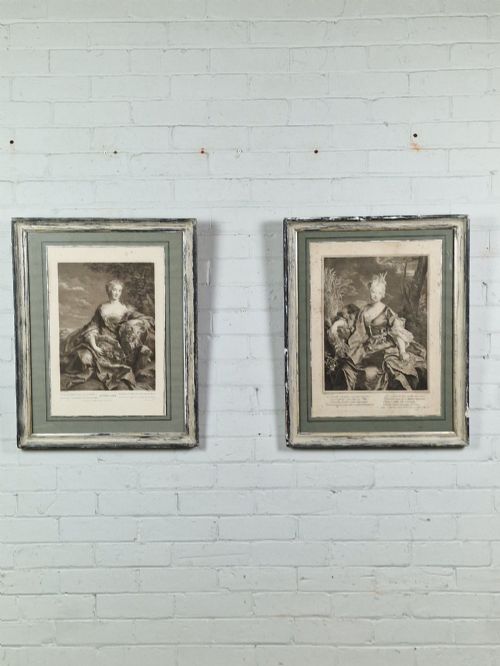
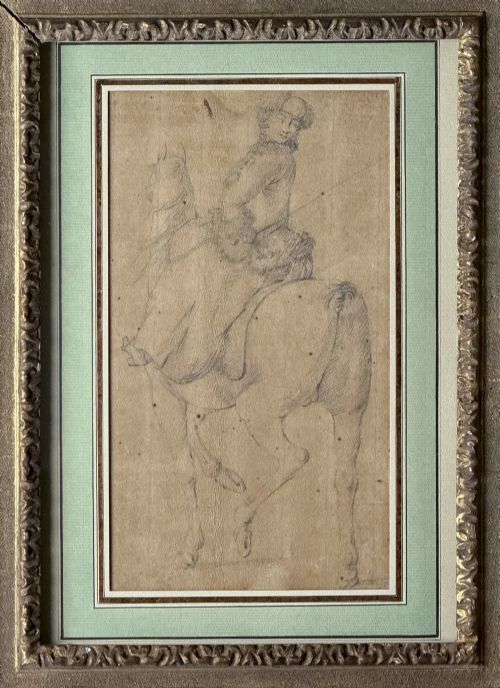
An 18th century framed portrait encompasses oil paintings on canvas and wood panel, alongside reverse glass prints, mezzotints, and pen and ink drawings. These works capture notable figures, clergymen, nobility, and family members within period frames.
The selections span the Georgian era and the eighteenth century, featuring wall art and framed artwork. Subjects range from King George III and Queen Charlotte to private individuals like William Sandeman and the Reverend Edward Stillingfleet.
Mezzotint engravings and reverse glass prints offer accessible avenues into this category alongside original oil paintings. Each piece retains its original framing context, whether gilt rectangular scroll mounted wood or simpler surrounds.
How They Were Made
Artists applied oil paint to canvas or wood panel support, sometimes working in miniature scale. Engravers produced mezzotints on paper, while reverse glass prints involved painting directly onto the reverse side of the glass.
Makers housed these artworks in wooden frames, frequently enhanced with gold leaf and giltwood finishes. Pen and ink works utilised paper housed beneath protective glass within decorative scroll mounted frames.
Retail Price Guide 2026
Typical UK retail prices for 18th century framed portrait, calculated from the Sellingantiques database of over a million retail prices indexed since 2003. This retail price guide relies exclusively on Sellingantiques data; no external sources or auction records are used, so the figures do not describe the wider market.
Listings feature works utilising oil paint, ink, and gold leaf across wood, canvas, paper, and glass substrates.
What Varies in Quality
Frame craftsmanship contributes significantly to the overall distinction of the piece. Intricate giltwood and scroll mounted wooden frames display superior carving and gilding that elevate the presentation of the artwork within.
Jiohan Elis Haid·Sir Joshua Reynolds·Richard Purcell·Frye·Allan Ramsay·Johan Horner
The 18th Century Framed Portrait Glossary
- Mezzotint
- A printmaking process of the intaglio family where the plate is roughened to achieve tones. This method allows for subtle gradations of light and shade suited to portraiture.
- Reverse Glass Print
- An image transferred or painted onto the underside of a glass sheet. Viewers observe the finished work through the smooth front surface of the glass.
- Wood Panel
- A rigid wooden board utilised as a support for oil paintings before canvas became universal. Panel paintings often survive in stable condition when properly seasoned.
- Georgian
- The period spanning the reigns of the first four Georges from 1714 to 1830. This era defines the classical design sensibilities seen in these frames and portraits.
Frequently Asked Questions
How do I care for an oil portrait?
Keep the painting away from direct sunlight and dramatic temperature shifts to protect the canvas and wood panel. Dust the frame gently with a dry, soft cloth without applying liquid cleaners.
Ensure the room maintains stable humidity levels to prevent the wood and canvas from expanding or contracting. Professional conservators should handle any deep cleaning or structural repairs.
What is a reverse glass print?
A reverse glass print involves applying ink or paint directly to the back of a glass sheet. The final image appears through the front, creating a glossy finish unique to this technique.
These prints require careful handling because the delicate pigment layer sits unprotected behind the glass pane. Original frames often secure these fragile pieces tightly against the backing.
How can I tell an oil painting from a print?
Examine the surface closely under a strong light to check for visible brushstrokes and raised texture from the oil paint. Prints display a flat, uniform surface pattern composed of ink dots or lines.
Canvas and wood panel supports generally indicate an original painting, whereas paper behind glass points toward an engraving or drawing.
Where should I hang a framed portrait?
Select an interior wall with indirect lighting to showcase the details of the portrait without fading the pigments. Living rooms, studies, and hallways serve as traditional placements for historical wall art.
Ensure the wall mount securely supports the weight of the heavy wooden and giltwood frames. Keep the artwork away from heat sources like radiators to protect the aged materials.