



18th Century Glass Painting
These pieces combine oil paint, pigment and engraving directly on glass, offering a glimpse into eighteenth-century portraiture and domestic display.
18th Century Glass Painting
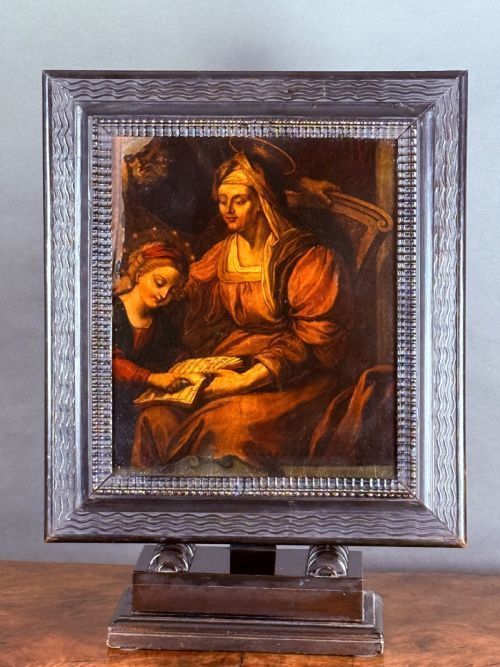
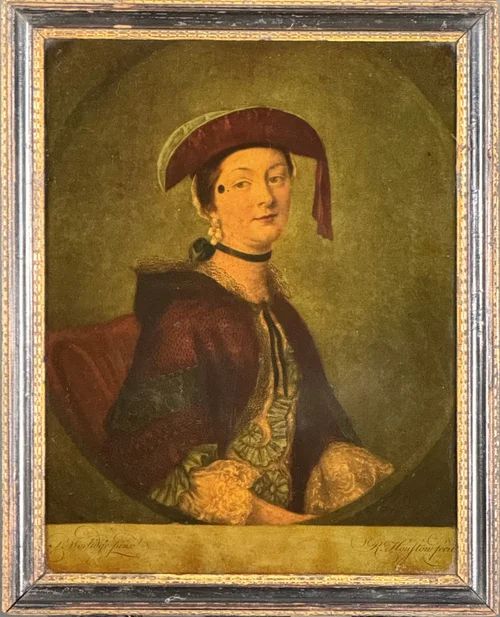
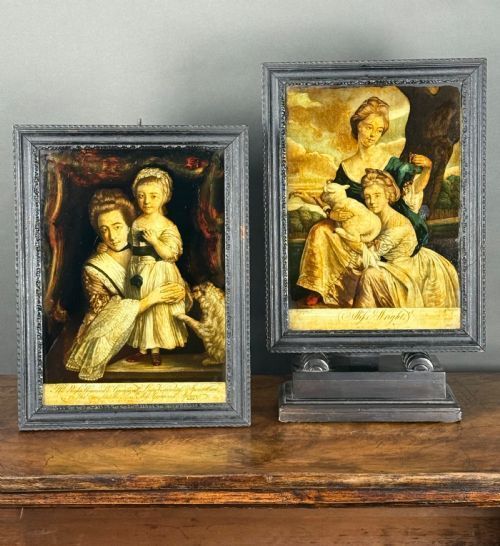
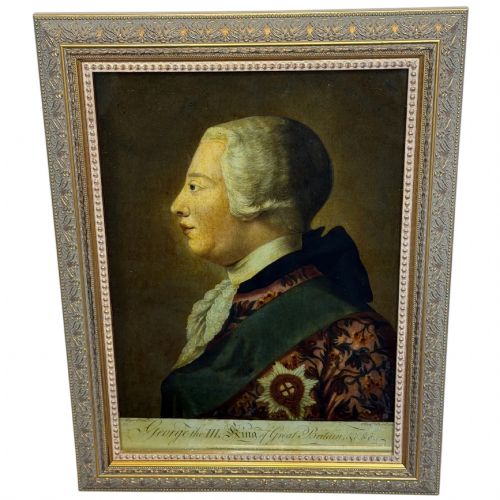
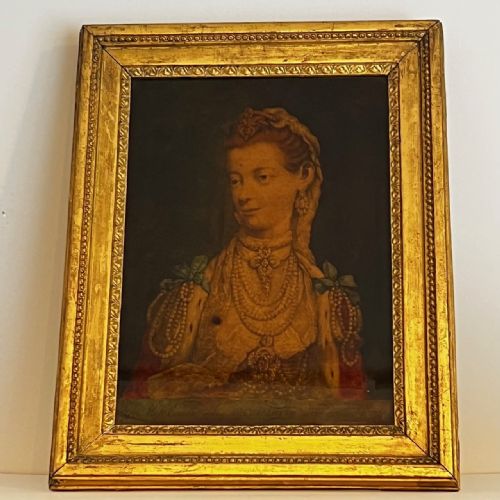
An 18th century glass painting comprises delicate reverse glass prints, mezzotints, and hand-painted portraits executed during the Georgian period. Buyers seeking these works encounter subjects ranging from classical religious scenes to portraits of royalty such as King George III and Queen Charlotte.
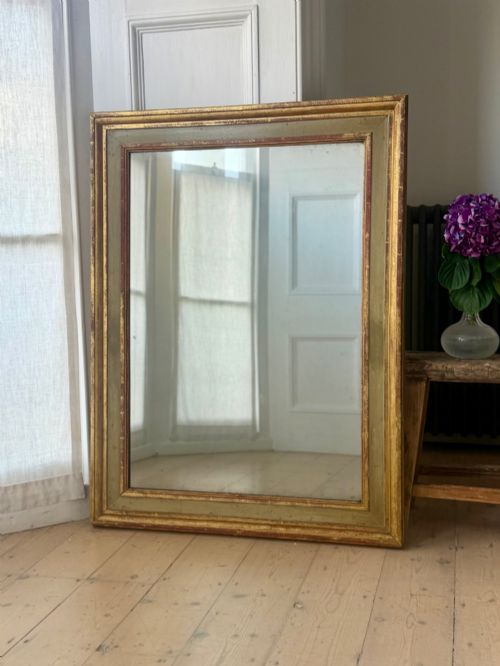
Most examples on this page take the form of wall art and framed pictures, though related decorative items like mirrors and small vessels also appear. The physical process requires applying pigment and oil paint to the rear surface of the glass pane, so that the finished image is viewed correctly through the front.
The style spans English mezzotints after painters, Continental works, and Chinese export pieces designed for Western interiors. The survival of these fragile panels depends on their original framing and subsequent care.
Materials and technique
The primary technique relies on applying oil paint, pigment, and sometimes gold leaf directly onto the reverse side of a glass sheet. Engraved mezzotints were often transferred to the glass and subsequently hand-coloured with pigments to create vibrant interior furnishings.
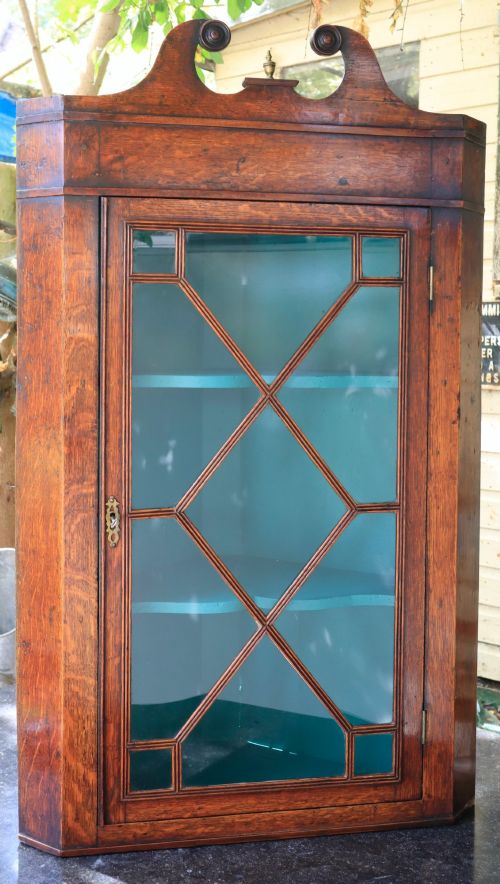
Giltwood, wood, and paper frequently support these glass panels within frames, trumeau mirrors, or cabinet doors. Enamel and mercury glass also appear in related decorative objects from the same periods.
18th Century Glass Painting Retail Price Guide 2026
Typical asking prices for 18th century glass painting among the pieces listed under this phrase on Sellingantiques today, from the lower quarter to the upper quarter. They describe what is for sale here now, not the wider market.
Listings feature 18th century glass painting alongside related works in glass, wood, paper, oil paint, gold leaf, and enamel.
Distinctions in quality
The preservation of the pigment layer against flaking or moisture damage dictates the visual integrity of the surface. Original framing and the stability of the glass plate itself contribute substantially to the standing of any individual piece.
Fletcher after Sebastiaan Vrancx·Charles Spooner·Richard Purcell
The 18th Century Glass Painting Glossary
- Reverse glass painting
- A technique where the artist paints or transfers an image onto the back of a glass pane to be viewed from the front. This method protects the pigment from dust and environmental wear.
- Mezzotint
- A printmaking process of the intaglio family where tones are developed by roughening the copper plate with a rocker. It produces rich gradations of light and shade suited to portraiture.
- Verre eglomise
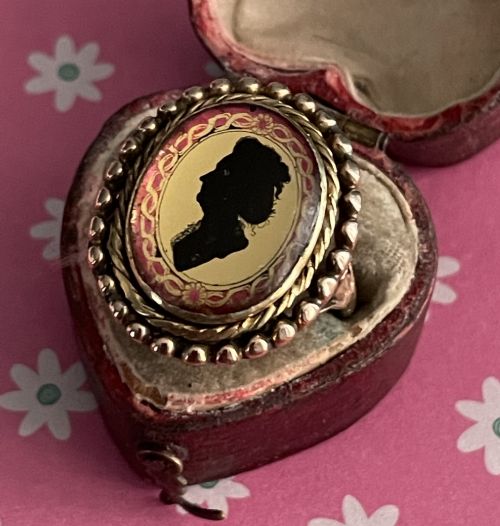
- A method of applying cold painting and gold or silver leaf to glass. The metal leaf is often etched to create decorative borders or silhouettes.
- Trumeau mirror
- An architectural wall mirror paired with a painted panel or artwork above the glass plate. These items originated in grand European interiors.
- Chinoiserie
- A European artistic style reflecting Chinese motifs and decorative patterns. It gained popularity during the Georgian period in both furniture and wall art.
18th Century Glass Painting: Frequently Asked Questions
How do I hang these fragile pictures safely?
Ensure the wall hooks are securely fixed into solid masonry or wall studs rather than plaster alone. Use professional mirror or picture wire rated well above the weight of the frame.
Keep the piece away from direct sunlight and damp environments to protect the pigments and paper backing from deterioration.
What is the difference between a print and a painting?
A reverse glass print typically starts as an engraved mezzotint transferred to the glass surface before receiving hand-applied colour. A painting relies entirely on direct brushwork with oil paint or pigments.
Both types are viewed through the front of the glass, which gives the colours a characteristic depth and lustre.
How do I clean an antique glass picture?
Dust the frame gently with a dry, soft-bristled brush. Avoid using liquid glass cleaners or moisture near the edges of the glass.
Because the paint sits on the rear surface, liquid applied to the front can sometimes seep behind the pane if the sealing is compromised.
Were these pieces always framed?
Most examples were framed in wood, giltwood, or integrated into furniture like cabinets and trumeau mirrors from the time of their creation. The frame protects the delicate edges of the glass pane.
Replacement frames do occur, so examine the rebate and backing boards to understand the history of the object.