


Georgian Glass Portrait
A georgian glass portrait captures likenesses through reverse painting and prints, offering a glimpse into eighteenth and nineteenth century society.
Georgian Glass Portrait
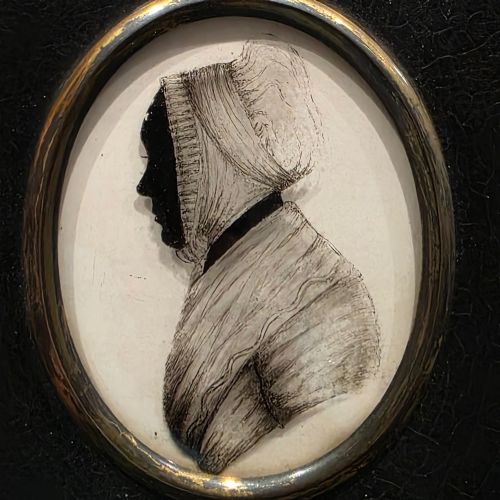
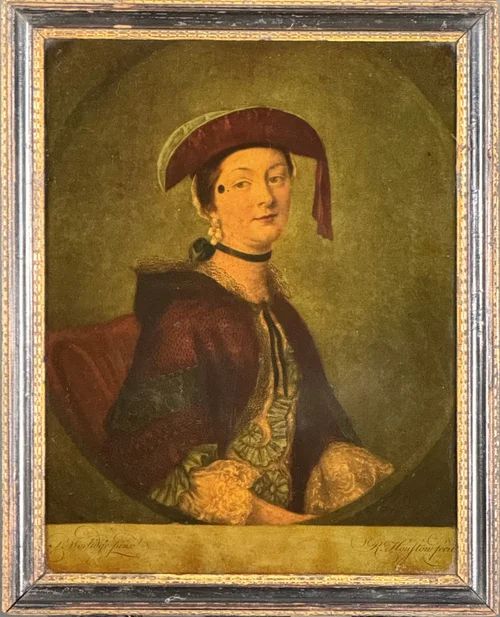
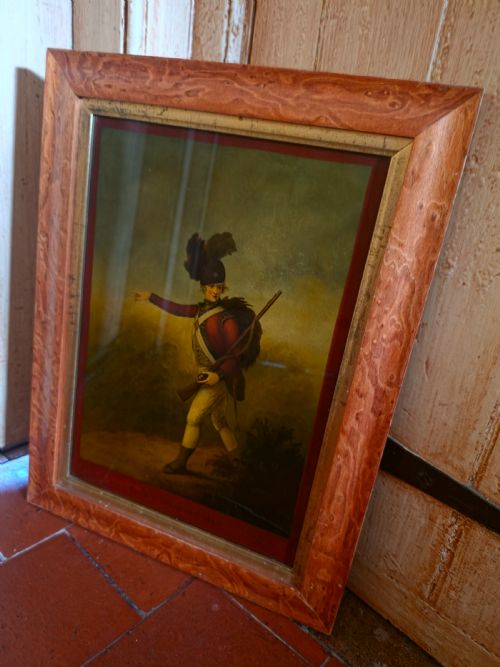
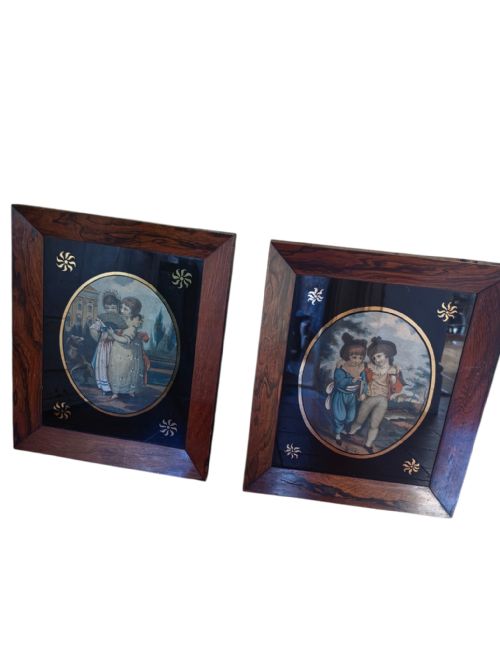
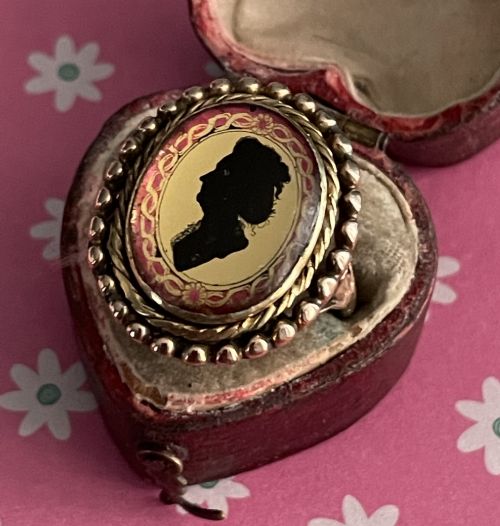
A georgian glass portrait encompasses reverse glass paintings, mezzotints, and silhouettes executed behind glass panels. These works depict subjects ranging from royalty and military figures to literary characters and private individuals.
The version most frequently encountered on this page is the reverse glass print or painted silhouette, often housed in original wooden or gilt frames. Dating spans the eighteenth century through the regency period, with occasional later revivals.
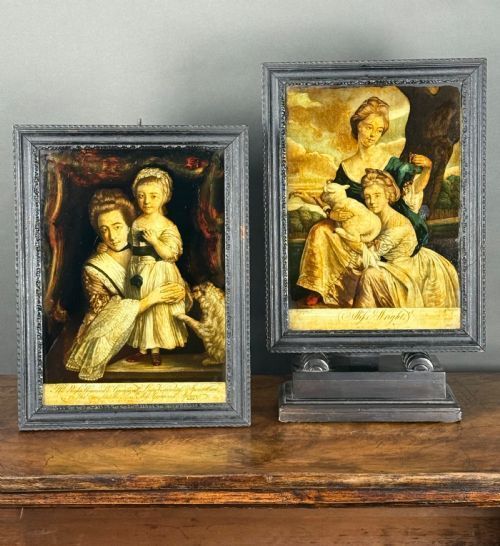
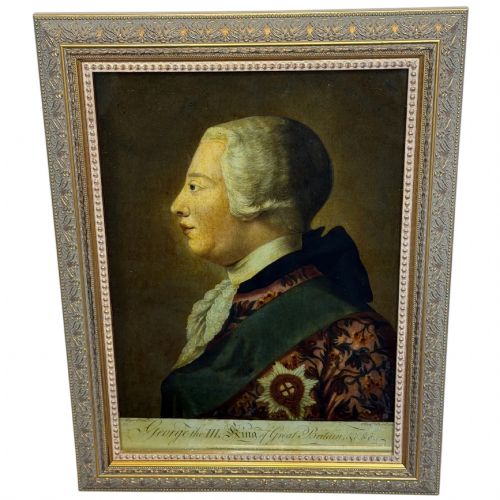
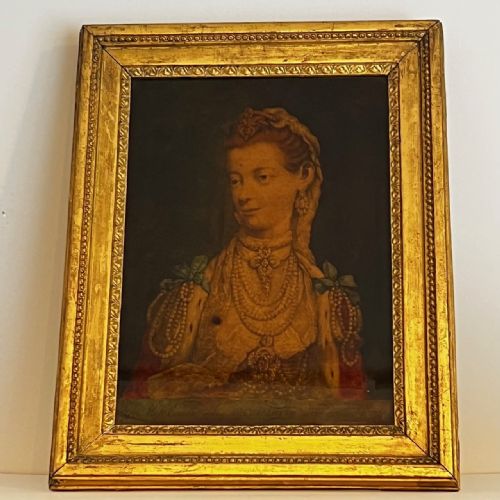
Portraits of named personalities such as King George III or Queen Charlotte sit alongside anonymous studies of ladies, children, and gentlemen. Subjects also include allegorical seasonal figures and domestic scenes rendered on glass.
Materials and construction
Makers applied oil paint, ink, and gold leaf directly to the reverse side of a glass sheet, building the image in reverse so it appeared correctly when viewed from the front. This delicate technique required steady hands and precise layering.
Many examples utilise reverse painted mezzotint engravings, where printed paper was transferred to glass before the paper backing was rubbed away, leaving only the ink adhered to the surface for subsequent hand colouring.
Framing typically involves rosewood, pear wood, or giltwood surrounds, occasionally accompanied by brass fixtures or convex dome-fronted glass to protect the fragile painted surface within.
Some portraits feature domestic animals and military hats sharing the glass with aristocratic sitters.
Assessing quality and execution
The preservation of the original pigments and the integrity of the silvering or gold leaf underneath the glass dictate the visual strength of the piece. Intact frames appropriate to the period further elevate the work.
Charles Spooner·Richard Purcell·Robert Sayer·Abraham Cooper·John Miers·John Barry·Edward Bird
The Georgian Glass Portrait Glossary
- Verre eglomise
- A cold decoration technique where design is applied to the reverse of glass using gold or metal leaf combined with painting.
- Mezzotint
- A printmaking process of the print family achieved by roughing the plate to produce dark tones, allowing subtle gradations of light.
- Silhouette
- A profile portrait filled in with a solid colour, frequently black, painted on paper, card, or directly onto glass.
- Glass paste
- A vitreous compound moulded into cameo reliefs, imitating carved stone or porcelain in miniature portrait formats.
Georgian Glass Portrait: Frequently Asked Questions
How do I hang a reverse glass portrait safely?
These pieces require secure picture wire attached to sturdy wall fixings, avoiding damp areas that could compromise the glass and paint behind it.
Keep them away from direct sunlight to prevent the fading of delicate oil pigments and applied gold leaf.
Are these portraits original to the Georgian era?
The selection includes authentic eighteenth and early nineteenth century pieces alongside later revivals and twentieth century reproductions.
Examining the framing materials, backing boards, and glass characteristics helps determine the exact period of manufacture.
What is verre eglomise?
Verre eglomise is a method of applying gold or silver leaf to glass before engraving details and adding paint from behind.
This technique creates a reflective, mirror-like background that highlights the central portrait.