

Georgian Mezzotint Portrait
A georgian mezzotint portrait brings rich tonal depth and historic personality to a room through velvety dark grounds and nuanced gradations.
Georgian Mezzotint Portrait
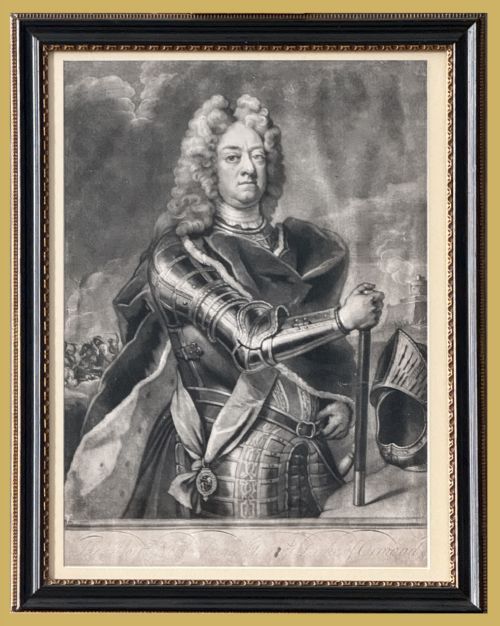
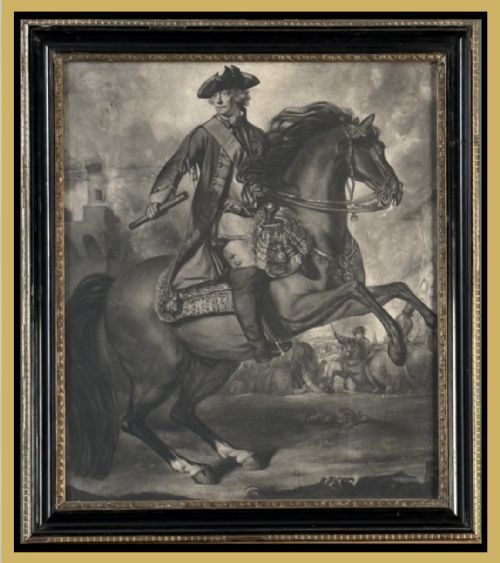
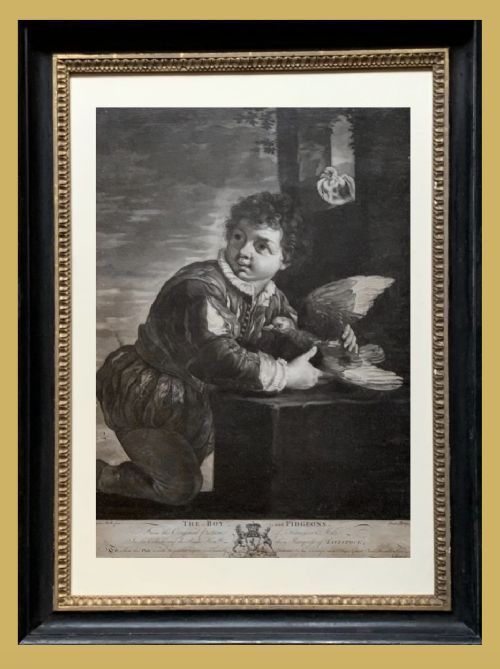
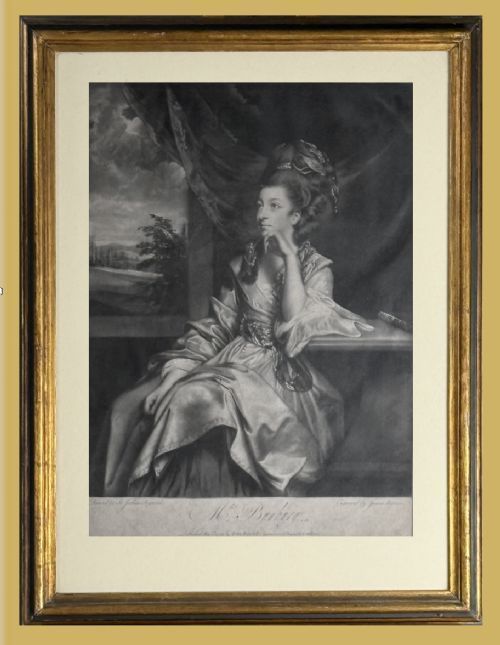
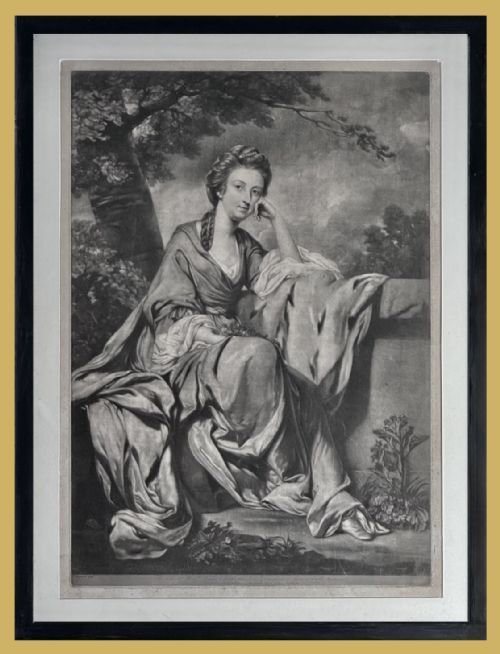
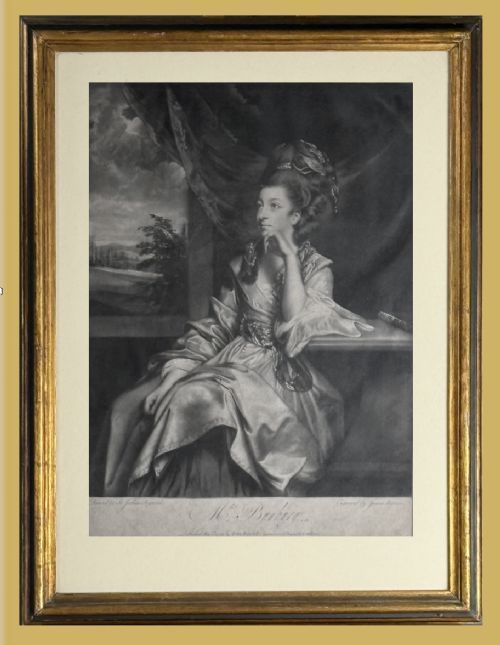
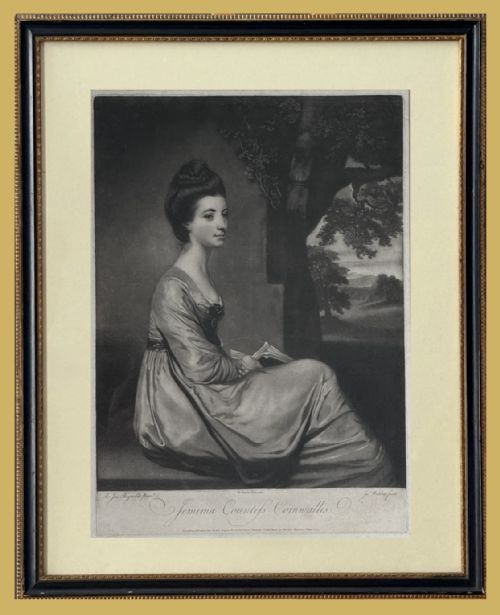
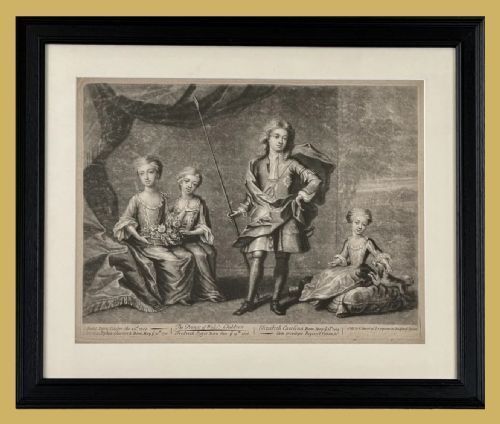
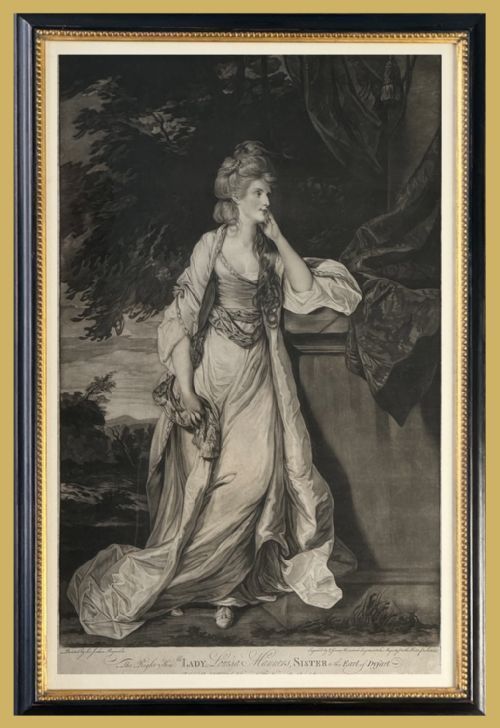
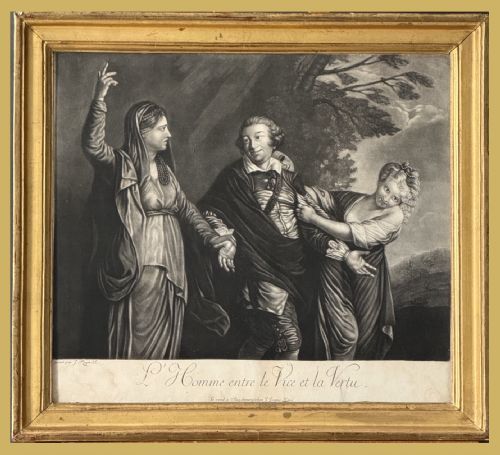
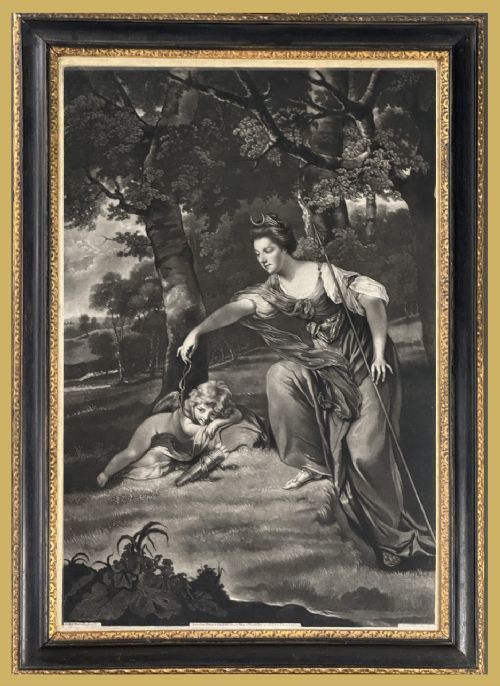
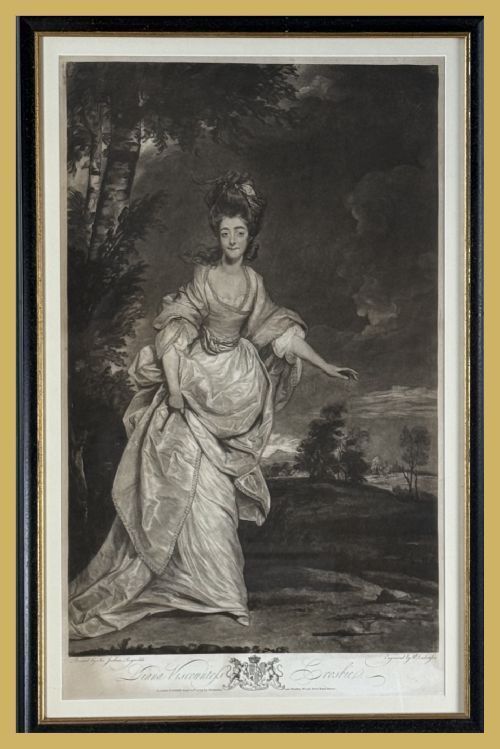
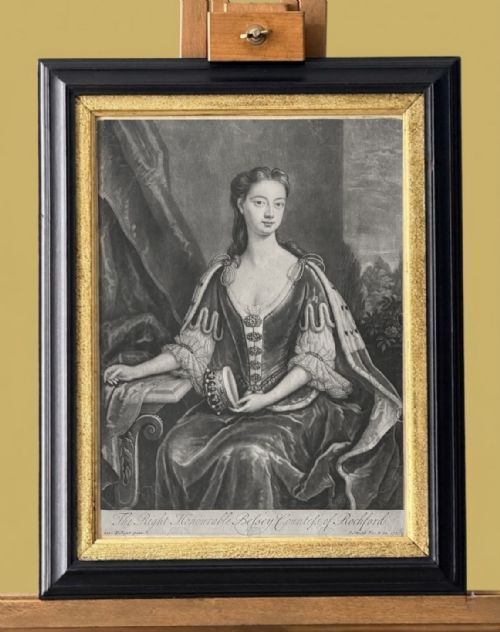
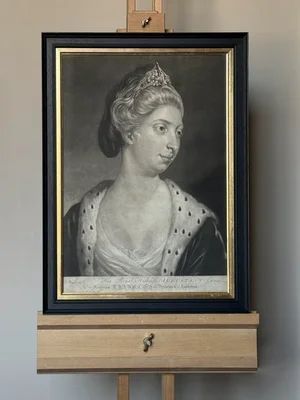
A georgian mezzotint portrait is a print produced by roughening a copper plate to hold ink, creating deep shadows and subtle highlights that render likenesses with painterly softness. Buyers seeking these works typically encounter eighteenth-century impressions published in London, often depicting nobility, artists, or military figures.
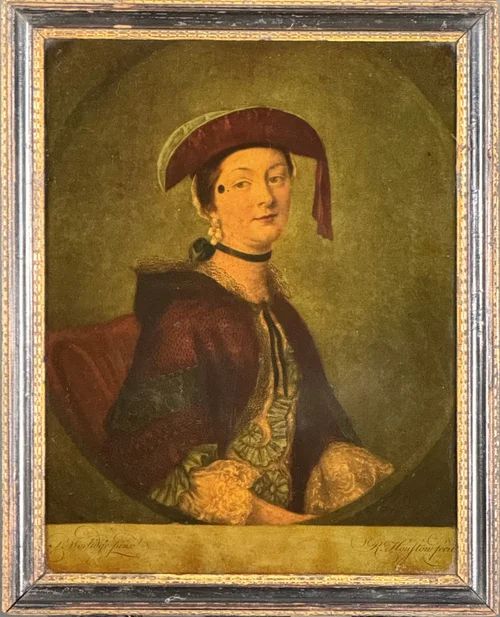
Many examples on this page originate from the eighteenth century, spanning the reigns of the Hanoverian monarchs and capturing sitters painted by prominent artists of the era. Alongside standard paper sheets, collectors also find reverse glass prints where the ink is applied directly beneath the glass panel.
The subjects range from royal personages and statesmen to literary figures and society ladies, frequently paired with contemporary frames in giltwood or dark timber. These wall art pieces reflect the portraiture conventions of the Georgian and Regency periods, preserving the likenesses recorded by painters like Sir Joshua Reynolds and Sir Godfrey Kneller.
How They Were Made
Makers prepared copper plates using a curved, serrated tool known as a rocker to cover the surface in a uniform burr that would print solid black. They then scraped and burnished away areas of this rough texture to produce lighter tones, allowing for a continuous graduation of shade rather than relying solely on line work.
Printers transferred the inked design onto dampened paper using a rolling press, producing impressions that were occasionally finished with hand colouring or mounted beneath protective glass. Reverse glass variants required the print to be glued face down onto the glass, rubbed thin, and delicately painted in oil or watercolour from behind.
The listings feature works spanning the eighteenth and nineteenth centuries, utilising paper, glass, gold leaf, and oil paint across various frame styles.
What Varies in Quality
The significance of the collaborating artists and the framing material also influence the piece, with works reproducing famous oil paintings by master portraitists commanding greater attention. Furthermore, the survival of the original period frame, whether in plain wood or gold leaf, contributes significantly to the historical integrity of the object.
John Simon·Edward Fisher·John Boydell·James Watson·John Smith·Charles Spooner·Valentine Green·Jiohan Elis Haid·W Dickinson·Purcell·James McArdell·Thomas Frye·Richard Purcell·Thomas Watson·John Faber Jr·James Ward·Richard Sayer·Sydney Wilson
The Georgian Mezzotint Portrait Glossary
- Mezzotint
- A printmaking process where the copper plate is roughened evenly and smoothed selectively to create tones and shades. This tonal method allows for smooth transitions between light and dark without the use of etched lines.
- Reverse Glass Print
- An image transferred and adhered face down onto a glass panel, then painted from behind with oils or watercolours. This technique protects the paper surface while adding a glossy, luminous sheen to the portrait.
- Burnisher
- A smooth steel tool used by the engraver to flatten areas of the roughened copper plate. By pressing down the burr, the maker lightened specific sections of the printed image.
- Rocker
- A curved blade with fine teeth across the edge, rocked back and forth to pit the copper plate. This foundational tool created the tiny pits that held ink for the deepest shadows.
- Artist Proof
- An impression printed before the main edition to allow the creator to check the state of the plate. These early proofs often display exceptional clarity and detail.
Georgian Mezzotint Portrait: Frequently Asked Questions
How do I identify a genuine georgian mezzotint portrait?
Examine the surface under magnification to look for the characteristic pattern of tiny dots and scraped areas rather than traditional engraved lines. The velvety depth of the dark background is a key indicator of the method.
Check the paper type, plate marks, and any inscriptions naming the painter and engraver in the lower margin. Genuine period examples often display age-appropriate toning and historical framing materials.
What is a reverse glass mezzotint?
A reverse glass mezzotint is an unusual variant where the printed image is transferred directly onto the back of a glass sheet. The paper is rubbed away and the details are hand-painted from behind.
This technique gives the portrait a reflective, luminous quality distinct from standard works on paper. They are typically found in period wood or gilt frames designed to protect the fragile glass.
How should I care for these framed prints?
Keep the artwork away from direct sunlight and areas of high humidity to protect the paper, ink, and any watercolours from fading or foxing. Stable environmental conditions prevent the wood and glass frames from warping.
Clean the glass gently with a soft cloth sprayed lightly with cleaner, taking care not to let moisture seep behind the frame. Avoid touching the exposed surface of any prints not protected by glass.
Who are the typical subjects of these portraits?
The sitters include prominent members of the British aristocracy, royals such as George III and Queen Charlotte, military commanders, and cultural figures like actors and writers. These individuals sat for leading painters whose works were then translated into print for a wider audience.
Many portraits celebrate civic leaders, society beauties, or theatrical stars of the eighteenth century. Identifying the sitter often reveals connections to historical events and fashionable society of the Georgian era.