
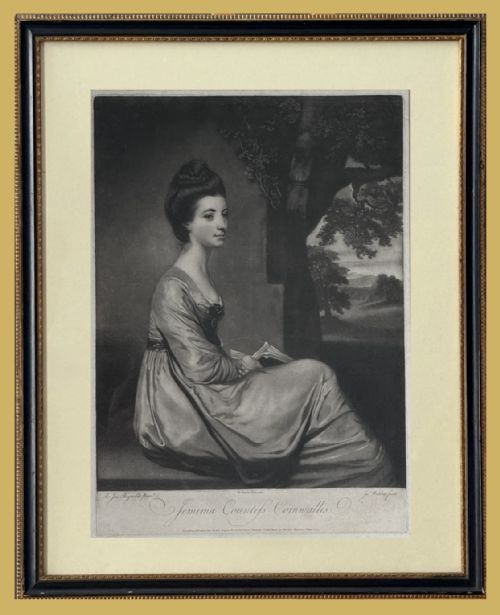
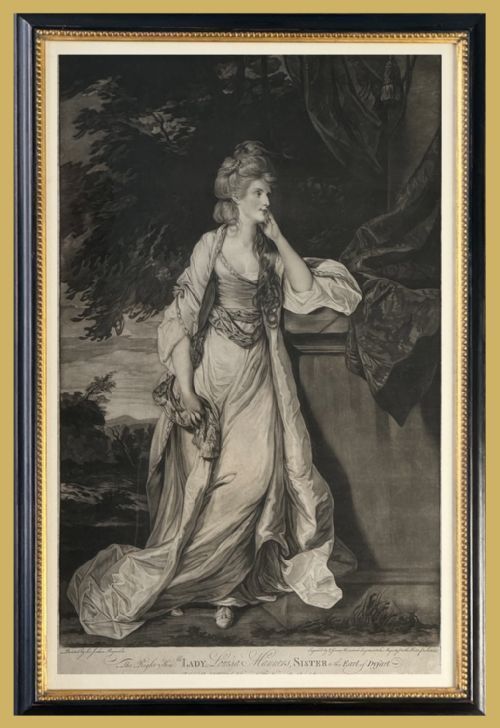
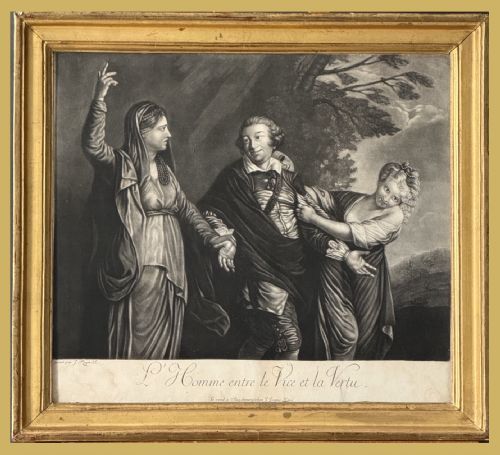
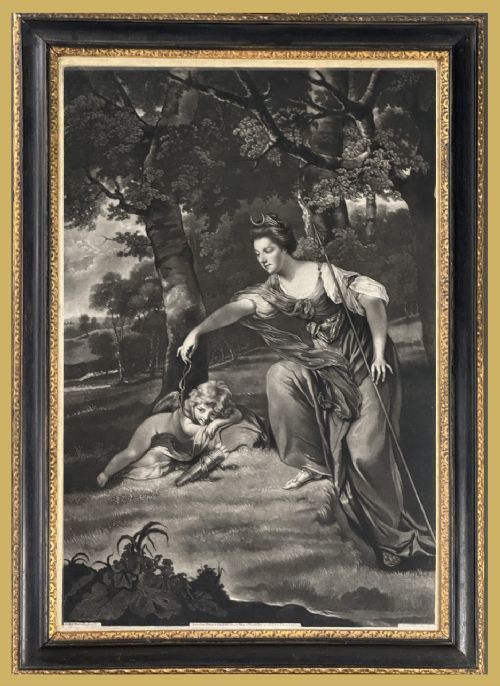


Joshua Reynolds Print
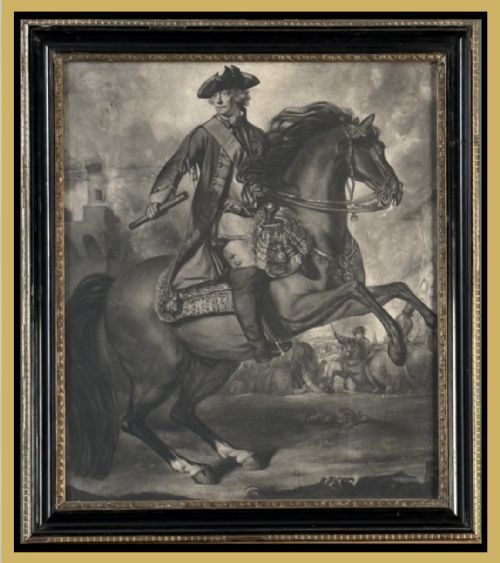
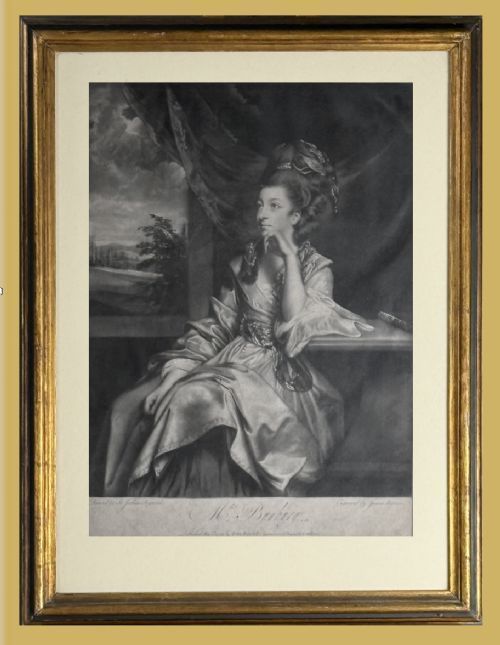
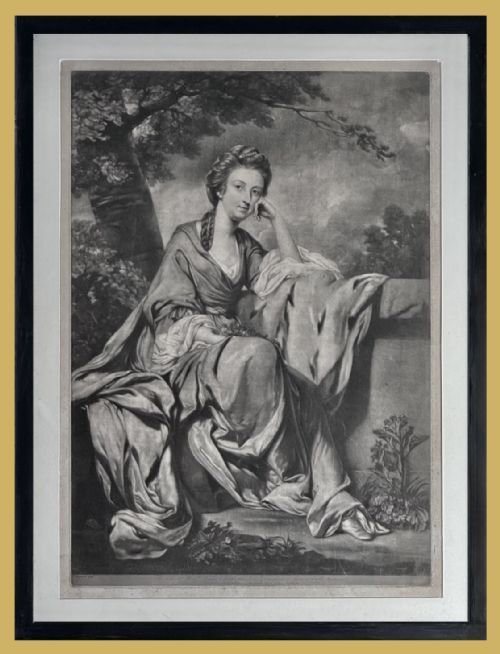
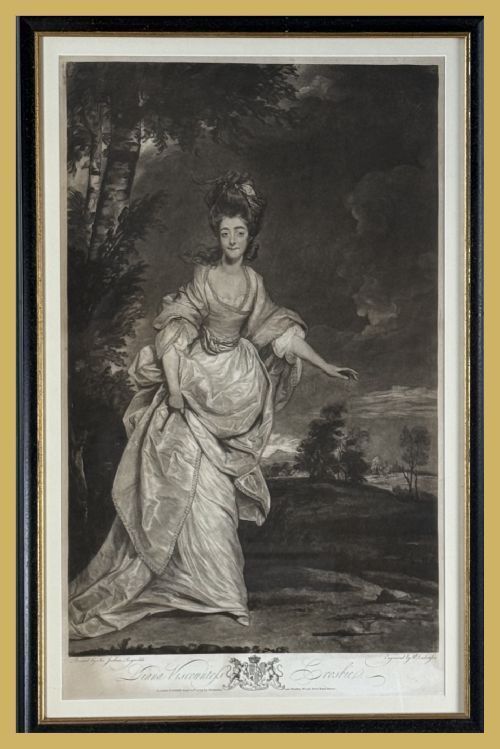
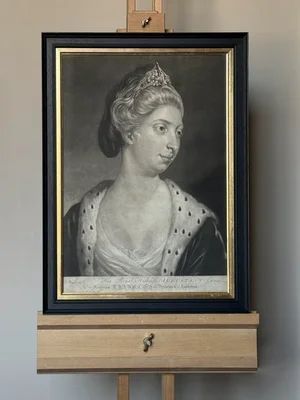
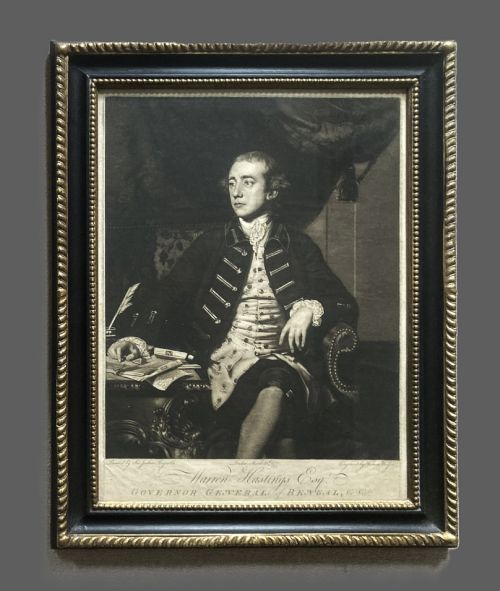
These joshua reynolds print examples capture eighteenth century portraiture through striking mezzotints and reverse glass works that transform any room.
What they are
A joshua reynolds print brings eighteenth century Georgian style into a modern home through historic portraiture. These pieces depict notable figures of the era, offering a direct window into the visual culture of the period.
The selection on this page centres on mezzotint portraits and reverse glass prints after Sir Joshua Reynolds. These works faithfully translate painted canvases into printed and glass-backed formats created by skilled contemporary engravers.
How they were made
Makers produced these works using paper, ink, glass, wood, and gold leaf during the eighteenth century. Mezzotints required copper plates roughened with a rocker to hold ink, yielding rich tonal gradations.
Reverse glass prints involved painting or transferring images directly onto the reverse side of a glass sheet, often framed in wood with gold leaf details. This technique created a luminous surface finish distinct from standard paper prints.
Listings feature paper, glass, wood, gold leaf, and ink within eighteenth century Georgian works.
What varies in quality
Quality rests in the crispness of the impression and the depth of the inked tones across the paper. Finer mezzotints preserve subtle nuances of expression and costume from the original painted portraits.
The preservation of the glass and the original wood framing with gold leaf contributes significantly to the visual merit of reverse glass examples. Stronger pieces maintain their original materials without intrusive modern restorations.
James Watson·Valentine Green·Purcell
The Joshua Reynolds Print Glossary
- Mezzotint
- A printmaking process where the copper plate is roughened to produce rich dark tones and subtle gradations of light. This method was widely used in the eighteenth century to reproduce oil paintings.
- Reverse glass print
- An image applied or transferred directly to the back of a glass panel for display. This technique creates a glossy, reflective surface that protects the pigments beneath.
- Georgian
- The architectural and artistic style spanning the reigns of the first four Georges from seventeen fourteen to eighteen thirty. It encompasses the period when these portrait prints were published.
- Gold leaf
- Extremely thin gold beaten into sheets and applied to wooden frames for decoration. It provides a warm metallic border common in Georgian framing.
Frequently Asked Questions
What is a mezzotint print?
A mezzotint is an intaglio printmaking process where the copper plate is roughened evenly to hold ink and create rich tonal areas.
This method allows printmakers to achieve smooth gradations of light and shadow, making it ideal for reproducing oil portraits.
How do you display reverse glass?
Reverse glass prints require careful placement away from direct sunlight to protect the fragile pigments applied behind the glass panel.
Because the image sits directly against the glass, hanging them on stable interior walls prevents moisture damage.
What period are these from?
These pieces date from the eighteenth century during the Georgian era.
This period produced some of the finest British printmaking and portrait reproduction techniques.
How are wood and gold leaf used?
Wood and gold leaf form the traditional framing components that enclose and protect these historic paper and glass artworks.
Guilders applied the thin gold leaf over wooden moulding to create a bright, reflective border suited to formal portraits.