
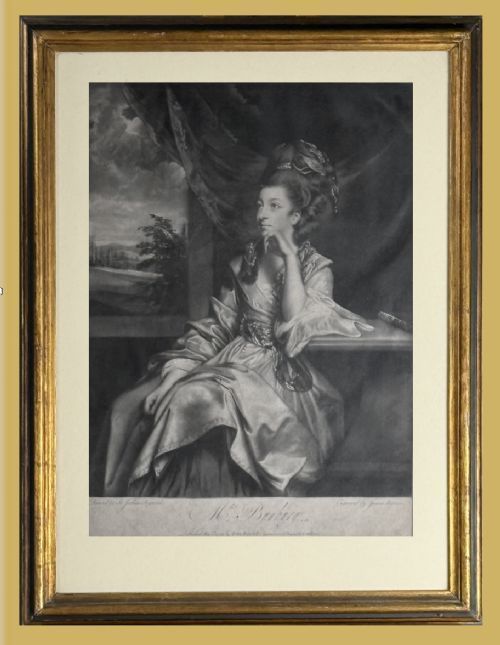


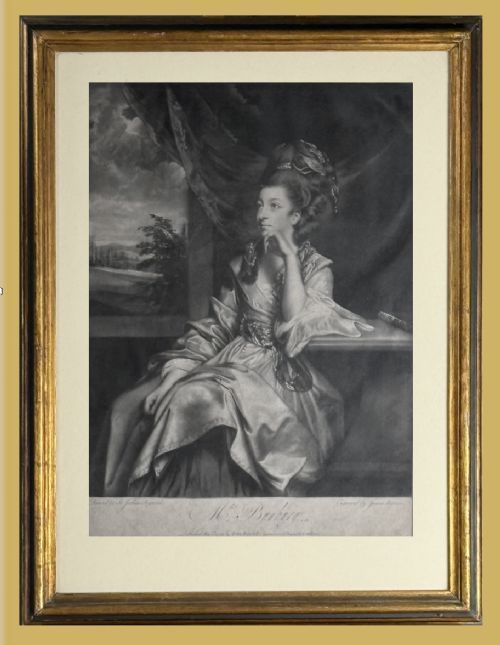
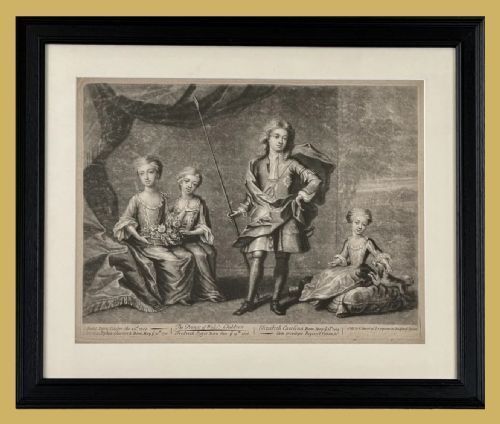
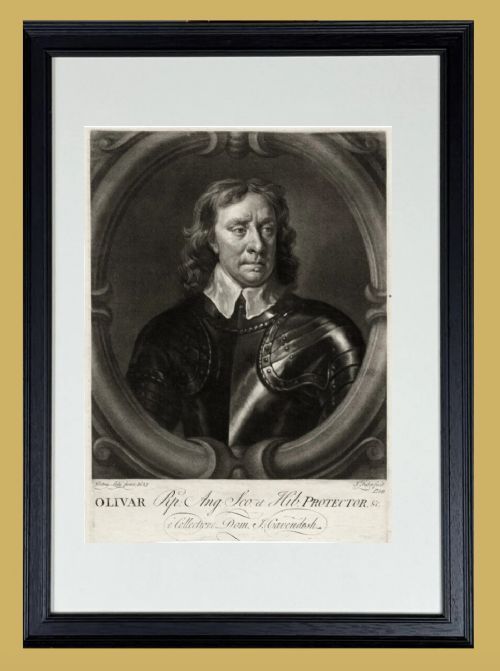
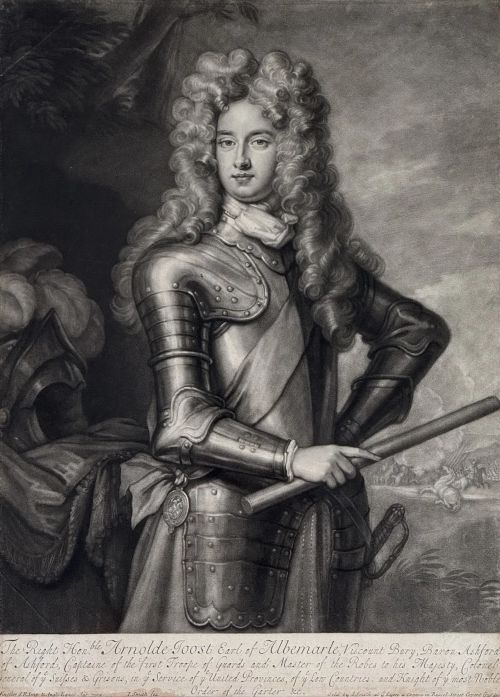
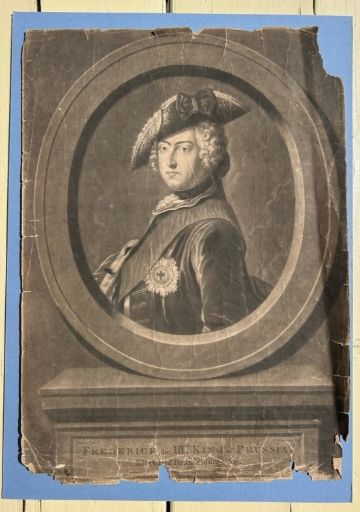

Black and White Mezzotint
These black and white mezzotint prints deliver rich tonal depth and striking portraiture straight from seventeenth and eighteenth century presses.
Black and White Mezzotint
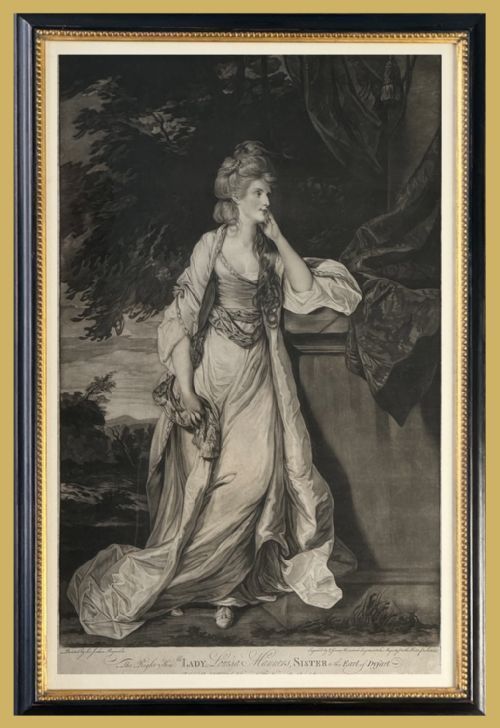
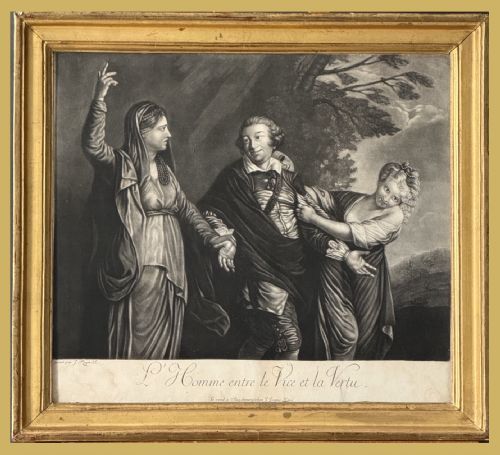
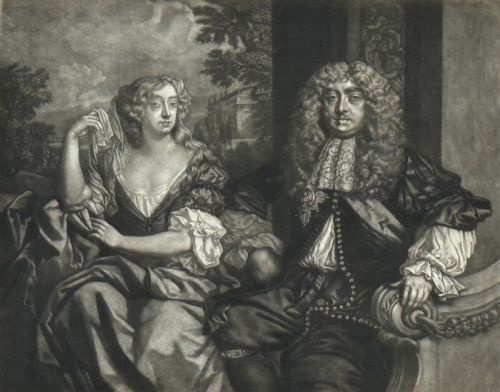
A black and white mezzotint is a tonal print created through an intaglio process that allows for subtle gradations of light and shadow rather than relying solely on line work. When you search for black and white mezzotint, you encounter framed portraits and historic sets dating from the seventeenth and eighteenth centuries.
The subjects on this page are predominantly prominent figures, nobility, and historical personages captured by notable printmakers after celebrated painters. Georgian and Baroque examples dominate the selections, framed behind glass with wood and gilt finishes.
Materials and technique
Makers prepared copper plates by roughening the entire surface uniformly with a rocker to hold ink and produce solid black areas when pressed. They then scraped and burnished the plate to lighter degrees to generate intermediate tones and highlights.
Printing involved applying black ink onto paper, often within wooden frames enhanced by gold leaf or gilt details. The resulting works rely purely on ink, paper, and glass preservation.
Listings feature paper prints executed in ink, housed within wood and gilt frames dating back to the seventeen-fifties and beyond.
Gradations in quality
Quality rests upon the crispness of the impression and the subtlety of the tonal range achieved between deep blacks and bright highlights. Early impressions from the plate show rich contrast and fine detail.
The execution of the scraping and burnishing dictates how lifelike the portrait appears, particularly in facial expressions and fabrics. Framing materials, including period wood and gold leaf, further distinguish the presentation.
James Watson·John Smith·Edward·Joseph Sympson·Valentine Green·Jiohan Elis Haid·Robert Williams·Richard Houston
The Black and White Mezzotint Glossary
- Mezzotint
- An intaglio printmaking process where the copper plate is roughened to achieve rich tones and dark backgrounds. It allows artists to build images through light rather than line.
- Intaglio
- A printing technique where the image is incised into a metal surface so that ink is held within the grooves. Plates are pressed firmly onto damp paper under high pressure.
- Baroque
- An ornate artistic style spanning the seventeenth century characterised by dynamic movement and dramatic contrast. Prints from this period reflect deep shadows and theatrical compositions.
- Georgian
- The architectural and decorative style spanning the eighteenth century marked by classical balance and refined elegance. Many portraits in this inventory originate from this refined era.
- Burnishing
- The act of smoothing portions of a roughened printing plate to reduce ink retention and create highlights. Skilled practitioners used this tool to shape the light within a portrait.
Black and White Mezzotint: Frequently Asked Questions
What is a black and white mezzotint?
A black and white mezzotint is an intaglio print made by roughening a metal plate to hold ink, then scraping areas smooth to create tonal depth.
These works are celebrated for their velvety dark backgrounds and smooth transitions of light.
How were these prints originally displayed?
Historical prints were typically framed behind glass within wooden mouldings, sometimes enhanced with gold leaf.
Owners hung them in parlours and libraries to showcase status and lineage through prominent portraiture.
How do I care for a framed mezzotint?
Keep the framed print away from direct sunlight to prevent the paper and ink from fading over time.
Maintain stable indoor humidity levels to protect both the historic paper and the wooden frame.
How can I tell seventeenth and eighteenth century prints apart?
Seventeenth century examples often lean into Baroque aesthetics with deep shadows and subjects like nobility or political figures.
Eighteenth century Georgian pieces frequently feature softer tonal shifts and refined portraits after painters like Sir Joshua Reynolds.