
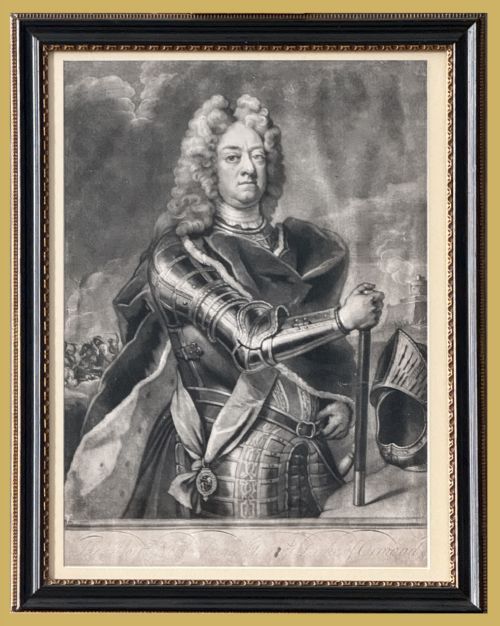
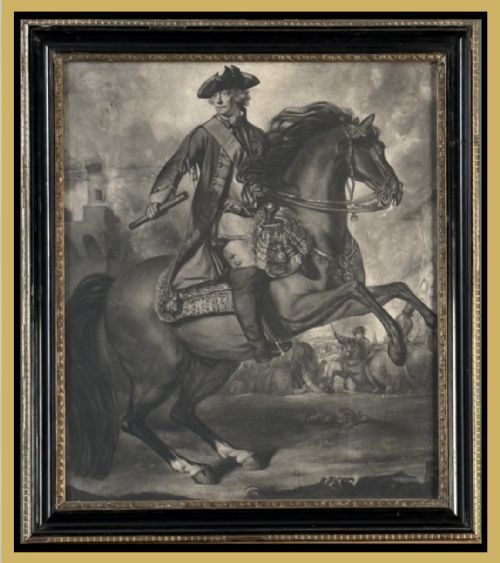
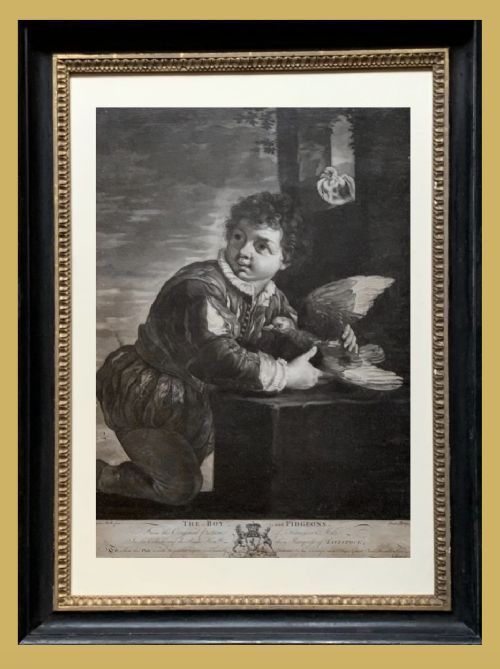
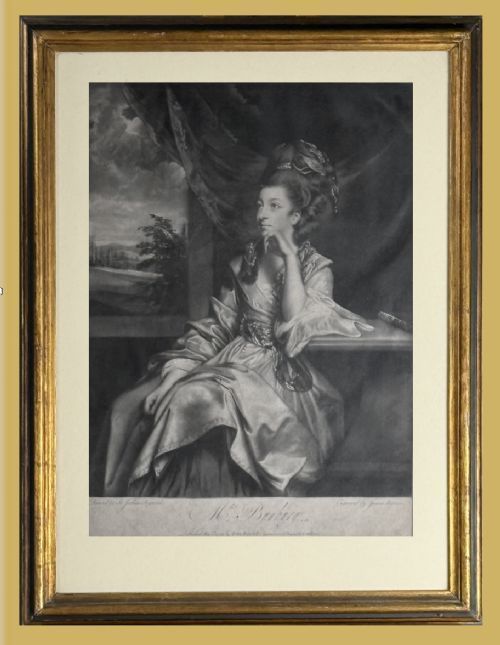


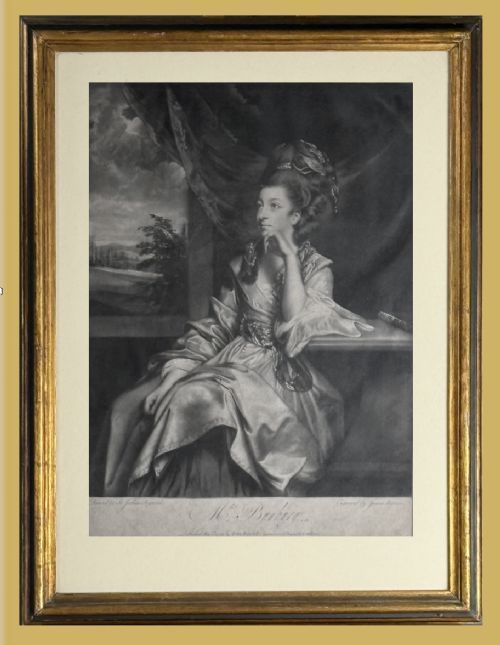
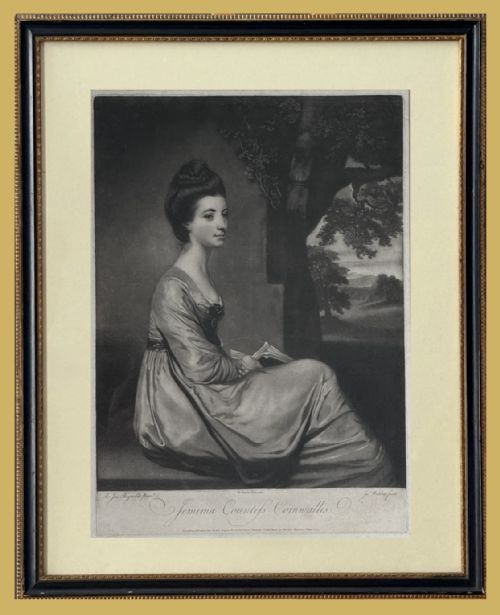
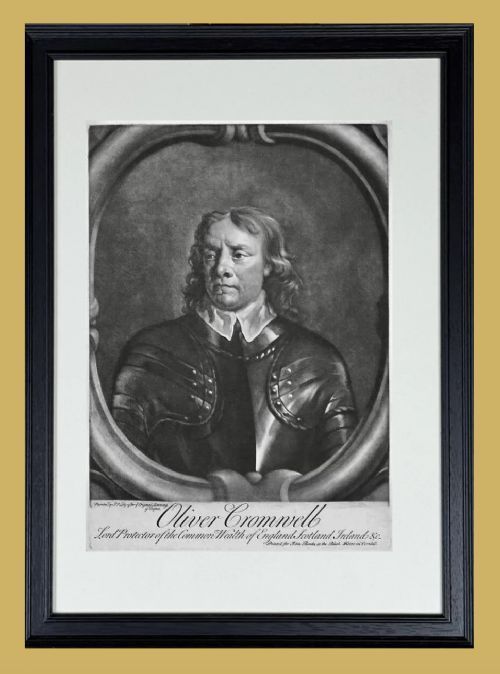
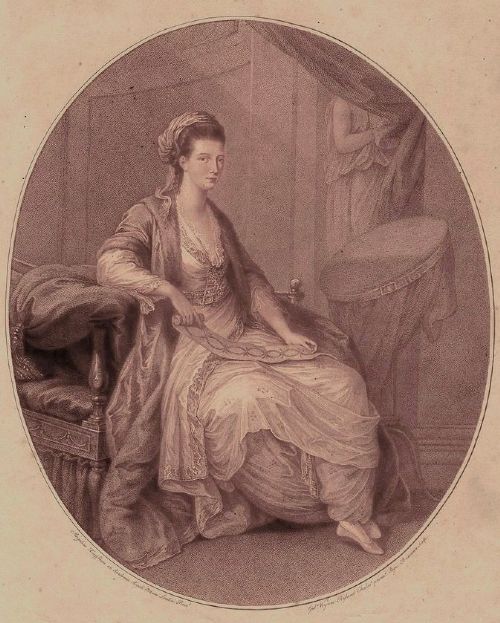
Framed Portrait Engraving
These framed portrait engraving pieces capture likenesses in ink on paper, preserved behind glass within timber frames to hang on a wall.
What framed portrait engraving pieces are
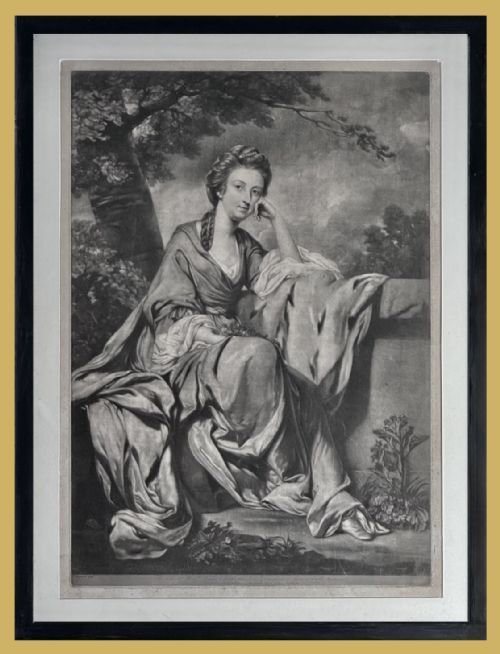
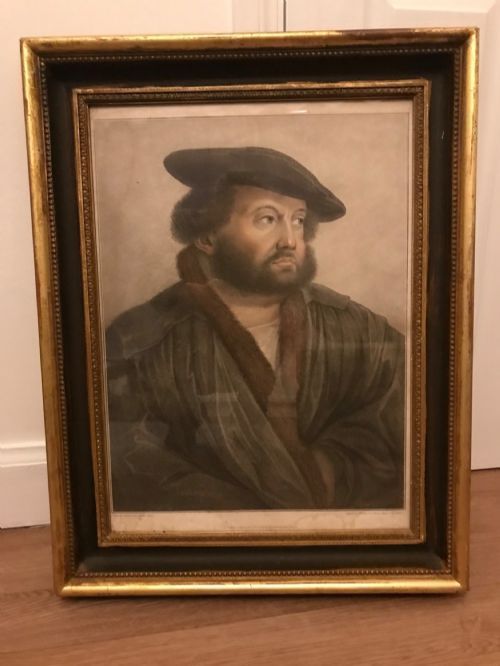
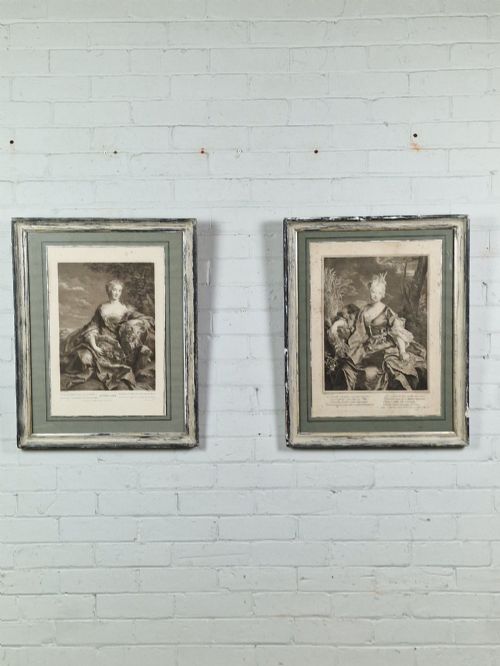
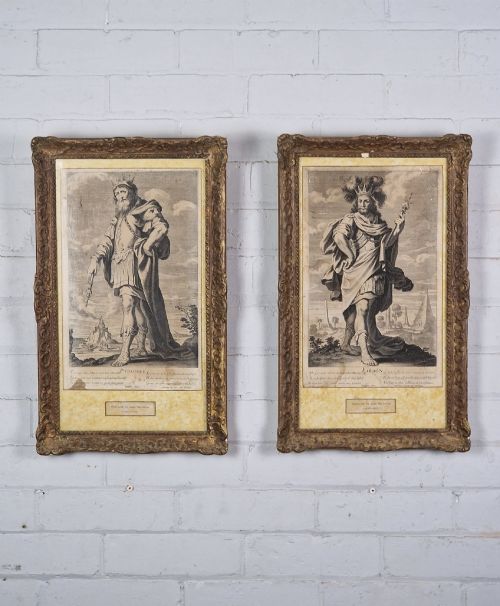
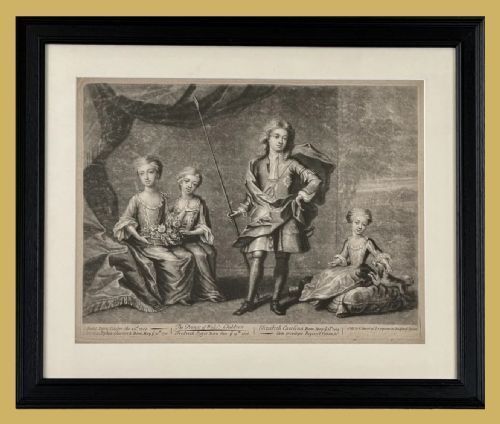
A framed portrait engraving presents a historical image rendered through printmaking techniques, primarily featuring eighteenth-century figures such as royalty and nobility. These works are typically housed in wooden surrounds, often finished with gold leaf or giltwood, protecting the paper beneath glass.
The objects span Georgian and Georgian Neoclassical styles, recording the faces of notable subjects like the children of King George II and Lady Louisa Manners. Buyers encounter mezzotint prints and stipple engravings derived from original portrait paintings by artists such as Sir Joshua Reynolds and Sir Godfrey Kneller.
How they were made
Maker plates utilise ink on paper to transfer intricate portrait designs, employing methods like mezzotint and stipple engraving to achieve tonal depth. Artisans then assemble these works within timber structures, securing the paper behind protective glass.
Finishing touches involve applied gold leaf or giltwood mouldings on the surrounding frames, providing both structural enclosure and decorative framing for the wall art.
Retail Price Guide 2026
Typical UK retail prices for framed portrait engraving, calculated from the Sellingantiques database of over a million retail prices indexed since 2003. This retail price guide relies exclusively on Sellingantiques data; no external sources or auction records are used, so the figures do not describe the wider market.
The site listings feature eighteenth-century pieces utilising paper, ink, wood, glass, and gold leaf in Georgian and Georgian Neoclassical styles.
What varies in quality
Distinctions in quality often rest on the provenance of the sitter and the skill of the printmaker or publisher involved in the production. Pieces associated with named historical subjects and renowned artists command greater attention.
The preservation of the paper and the integrity of the original frame, whether giltwood or plain wood, influence the overall character of the piece.
Edward·Valentine Green·Purcell·John Faber Jr·Petrus Johannes Arendzen
The Framed Portrait Engraving Glossary
- Mezzotint
- A printmaking process of the intaglio family where the plate is roughened to achieve rich tonal gradations in dark and light areas.
- Stipple engraving
- A technique using dots of varying density to create tonal effects and delicate contours in printed images.
- Giltwood
- Wood carved and covered with a thin layer of gold leaf, frequently utilised for decorative framing during the Georgian period.
- Intaglio
- A printmaking category where the ink sits below the surface of the plate, transferred under pressure to paper.
Frequently Asked Questions
What is a mezzotint portrait?
A mezzotint portrait is an engraved print produced by working a metal plate to hold ink, creating smooth transitions of tone rather than simple lines.
This method allows for subtle shadows and highlights, which explains why eighteenth-century publishers favoured it for reproducing oil paintings of notable sitters.
How should I hang these?
These pieces require placement on interior walls away from direct sunlight to protect the paper and ink from fading over time.
Using sturdy picture wire attached to the wooden frame ensures the weight of the glass and timber is supported safely.
Are the frames original?
Frames vary in age and material, with some utilising period giltwood or gold leaf while others reflect later replacements.
Examining the construction of the wood and the backing boards provides clues regarding the history of the enclosure.
Who are the typical subjects?
The subjects generally comprise eighteenth-century aristocracy, royalty, and historical personages recorded by contemporary painters.
Many of these printed likenesses derive from original canvas portraits by prominent artists of the Georgian era.