


John Smith Mezzotint
A John Smith mezzotint brings the striking depth of Baroque and Georgian portraiture straight to your wall.
Understanding John Smith Mezzotints
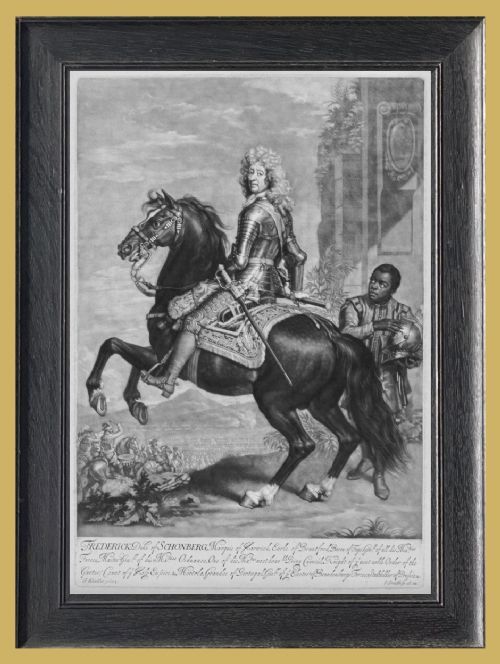
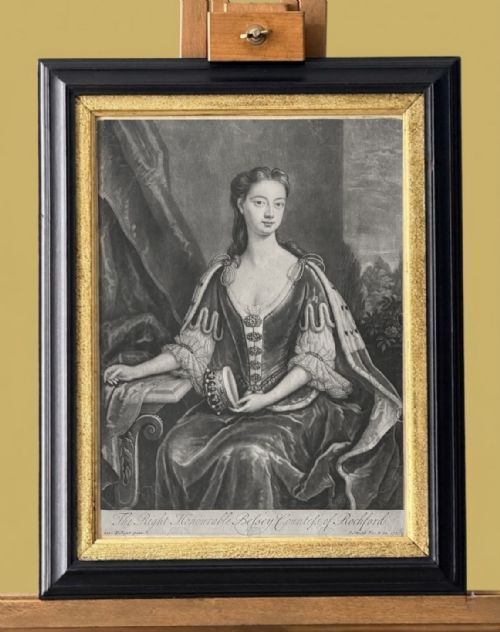
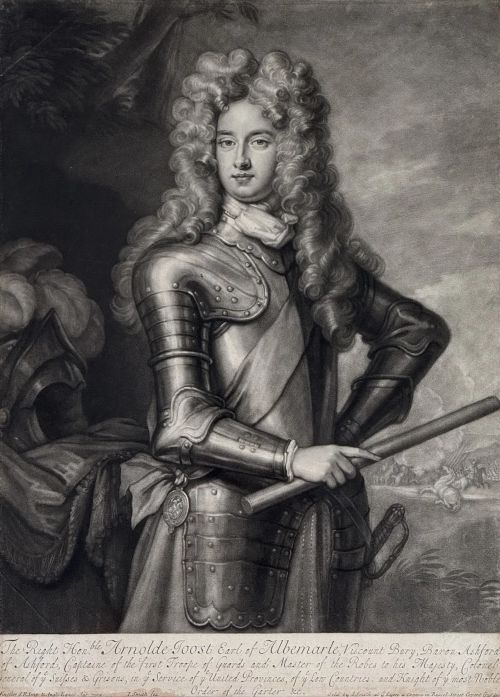
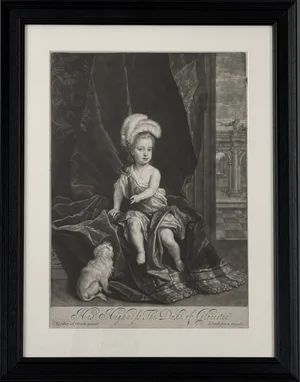
A John Smith mezzotint captures the likenesses of notable figures from the seventeenth and eighteenth centuries, often translating the work of renowned painters onto paper. When you search for this phrase, you are looking at early printed portraiture that records historic nobility and royalty.
The versions you are most likely to meet on this page include framed prints and framed art depicting subjects such as queens, baronets, and duchesses. These pieces preserve the rich visual culture of the Georgian and Baroque periods through fine ink work on paper.
Every piece listed in this category connects directly to the historical output of this master printmaker. They offer a direct window into the portraiture styles favoured by society centuries ago.
Materials and Techniques
These works rely on specialised ink applied to paper, capturing tonal gradations through the intricate mezzotint technique. The printing process allows for deep shadows and soft highlights that mirror oil paintings.
Period framing incorporates wood and glass to protect the delicate paper surfaces, occasionally accented with gold leaf. These traditional materials ensure the historic prints survive securely within their frames.
Duchesses and baronets stare across the centuries with the exact same haughty disapproval they gave their servants.
Judging Quality
The integrity of the framing materials, including wood, glass, and gold leaf, contributes significantly to the overall presence of the piece. Well-preserved original housings enhance the historical context of the portrait.
John Smith·G Kneller·Sir Godfrey Kneller·Charles D Agar
The John Smith Mezzotint Glossary
- Mezzotint
- A printmaking process where the copper plate is roughened to achieve rich dark tones and subtle gradations of light. This technique allows for remarkably smooth tonal transitions compared to line engraving.
- Baroque
- An artistic style characterised by drama, deep shadow, and grand scale during the seventeenth century. It heavily influences the theatrical lighting seen in these portraits.
- Georgian
- The period spanning the eighteenth century in Britain, noted for refined interior decoration and portraiture. Much of the output in this category dates from this era.
- Gold Leaf
- Hammered gold used to gild picture frames and decorative elements. It provides a warm metallic border to the framed works.
Frequently Asked Questions
What is a mezzotint portrait?
A mezzotint portrait is a print created from a roughened metal plate that produces rich tones. It differs from standard line engravings by offering smooth areas of light and shade.
This method was favoured for translating oil paintings into print form during the seventeenth and eighteenth centuries.
Who was John Smith?
John Smith was a prominent printmaker whose works capture figures from the Baroque and Georgian eras. His prints frequently reproduce paintings by contemporary artists of his time.
Collectors prize his output for the exceptional depth and fidelity brought to historic portraits.
How should I frame these prints?
These prints are typically housed behind glass within wooden frames, sometimes featuring gold leaf accents. Maintaining appropriate glazing protects the delicate paper from environmental damage.
Keeping the pieces away from direct sunlight preserves the ink and paper over time.
How do I identify the period?
Dating relies on the costume of the sitter, the style of the frame, and records of the original painter. Seventeenth-century and eighteenth-century works exhibit distinct shifts in clothing and portrait composition.
Comparing the subjects to known historical records helps confirm the era of production.