



Eighteenth Century Artwork
Eighteenth century artwork brings period character into a room through oil paintings, engravings, and watercolours.
Eighteenth Century Artwork
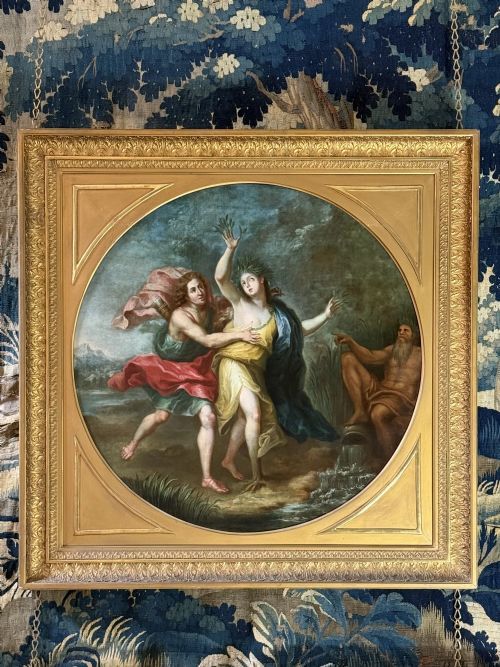
Eighteenth century artwork encompasses oil paintings, engravings, watercolours, and portrait miniatures created during the Georgian era and surrounding periods. Buyers encounter classical mythological scenes, botanical and architectural prints, and portraits of nobility and gentlemen.
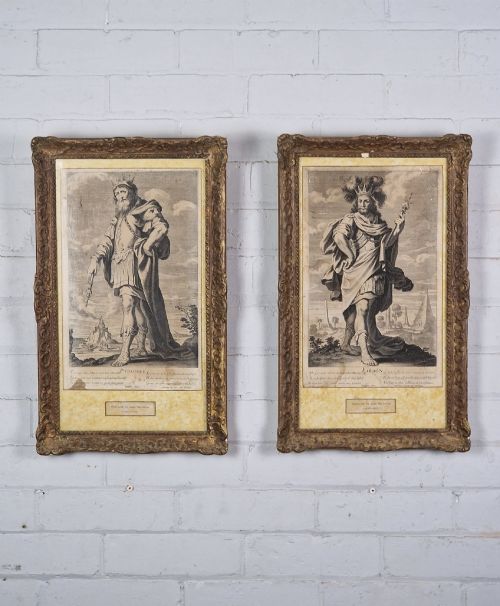
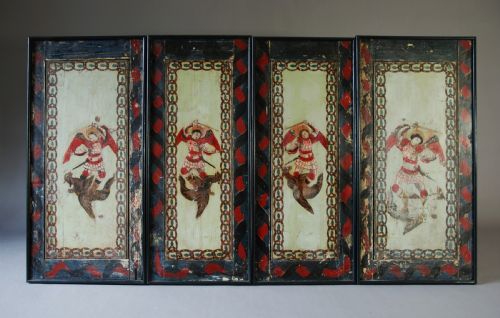
Oil paintings on canvas and panel sit alongside French engravings and German watercolours. The selections range from large country house still lifes to naive pine panels depicting saints.
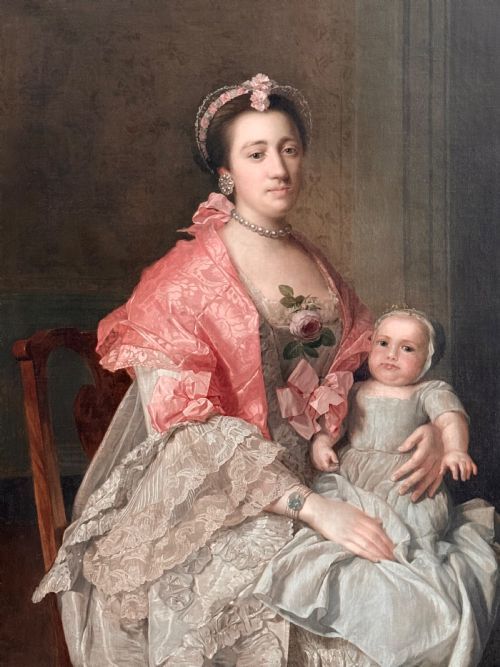
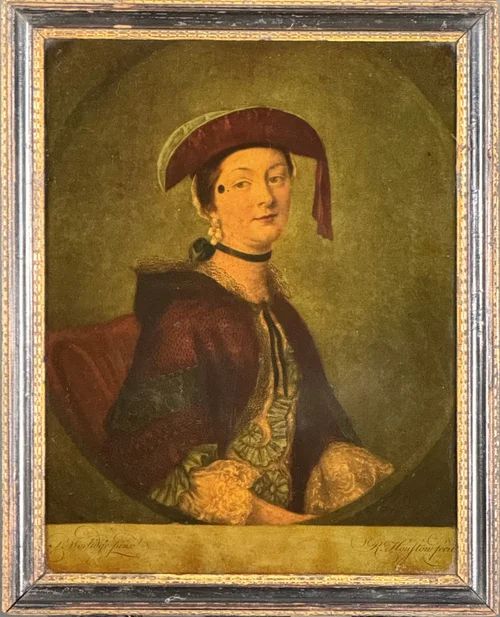
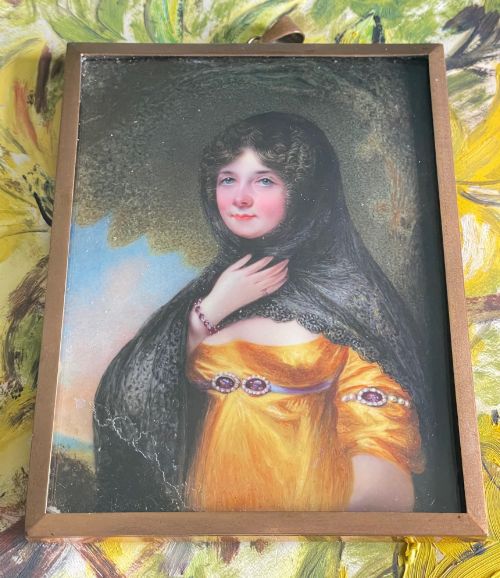
Portraits dominate the surviving output, capturing sitters in oils, enamel, and reverse painted mezzotint. These pieces reflect the prevailing tastes of Baroque, Rococo, and Neoclassical styles.
Materials and construction
Painters used oil paint on canvas and wood panels, sometimes incorporating gold leaf to highlight details. Engravers and printmakers utilised paper and ink, often applying hand-colouring or working in monochrome.
Miniaturists painted on enamel or ivory, while decorative panels employed pine as a base. Framing frequently matches the period of creation, utilising wood and gilded mouldings to protect the paper and canvas surfaces.
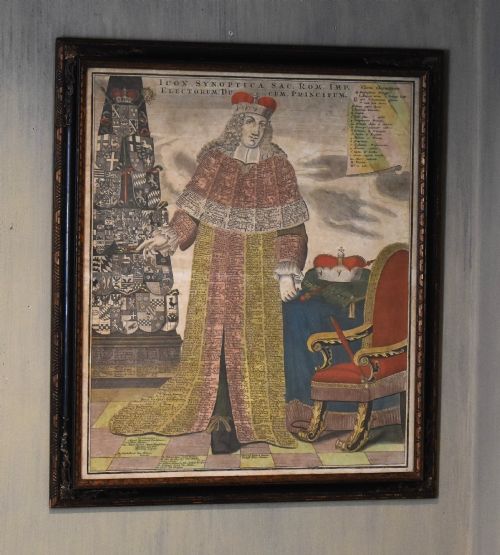
The selection includes architectural engravings from the Antiquities of Athens alongside country house still life compositions.
Quality and execution
The precision of brushwork and the clarity of the plate impression dictate the distinction between master works and simpler pieces. Fine portraiture captures realistic skin tones and fabric textures, whereas folk art and naive panels rely on charming, unpretentious proportions.
The integrity of the original surface, the depth of the pigment, and the survival of contemporary frames influence the standing of each piece. Condition varies according to past exposure to light and moisture on canvas and paper.
Charles-Antoine Coypel·Jean Mariette·G. Kneller·Charles Spooner·Horace Hone·Jean-baptiste Joseph Pater·Bartolomeo Schedoni·H. Singleton·Dean Wolstenholme·Nathaniel Hone·John Raphael Smith
The Eighteenth Century Artwork Glossary
- Grisaille
- A painting executed entirely in shades of grey or monochromatic neutral colours, often designed to imitate relief sculpture. Camaieu bleu applies the same principle using shades of blue.
- Mezzotint
- A printmaking process where the copper plate is roughened to achieve rich dark tones and subtle tonal graduations. Reverse painted mezzotints apply the image directly to glass.
- Enamel portrait
- A miniature painting fired onto a metal base, usually copper or gold, resulting in a durable glossy surface that resists fading.
- Engraving
- An intaglio printmaking technique where an artist cuts lines into a metal plate with a burin to hold ink. Impressions are then transferred onto paper under pressure.
Eighteenth Century Artwork: Frequently Asked Questions
How do I care for antique prints?
Keep paper works away from direct sunlight to prevent ink fading and paper yellowing. Maintain stable room humidity to protect the fragile fibres.
Use acid-free mounting materials when framing to ensure long-term preservation of engravings and watercolours.
What subjects are most common?
Portraits of identifiable sitters and nobility appear frequently, alongside classical mythological scenes. Still life compositions featuring fruit and flowers also recur.
Architectural engravings and historical prints relating to the classical world provide alternative subject matter from the period.
Are these paintings signed?
Many eighteenth century works remain unsigned, attributed instead through stylistic analysis or recorded provenance. Engravings often credit the original painter alongside the printmaker.
Portraits sometimes bear contemporary inscriptions identifying the sitter or the artist on the reverse or within the border.
How do I distinguish oil from watercolours?
Oil paintings feature textured brushstrokes and a heavy pigment layer on canvas or wood panels. Watercolours present a flat, translucent finish on paper surfaces.
Examining the piece under magnification reveals the weave of the canvas or the absorbent texture of antique paper.