


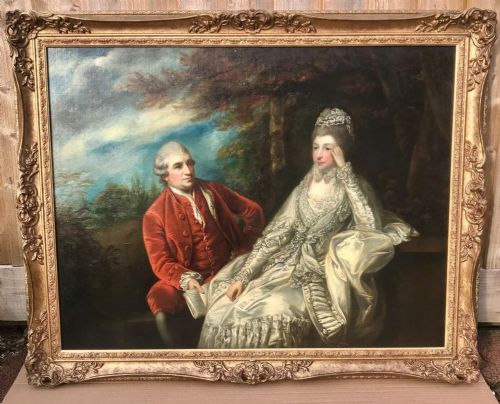
Antique Figure Painting
When searching for an antique figure painting, collectors seek canvases and panels capturing human presence across centuries of portraiture and pastoral life.
Antique Figure Painting
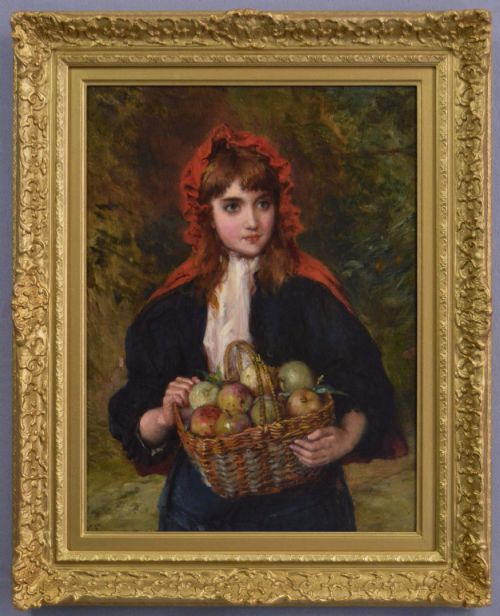
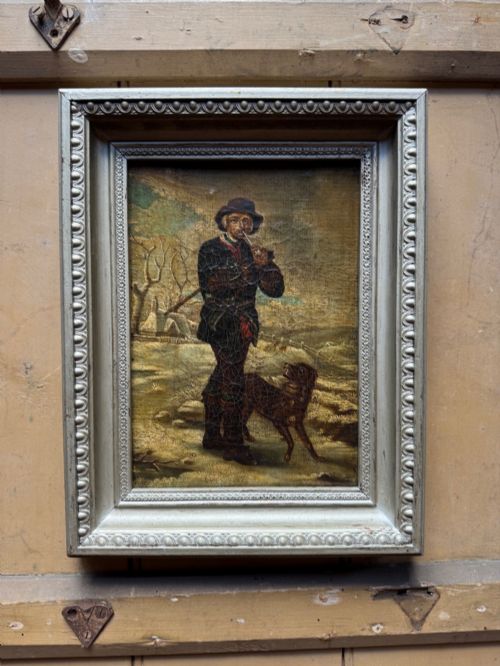
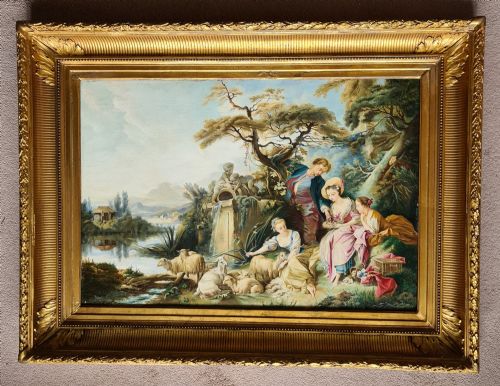
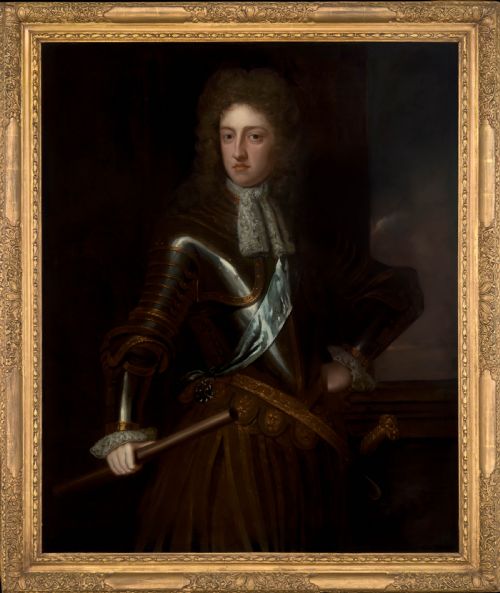
An antique figure painting encompasses oil on canvas, wood panels, and watercolours spanning from the seventeenth century through the nineteenth century and into the early twentieth century. Buyers encounter formal portraiture depicting historical subjects alongside intimate pastoral scenes populated by country folk, labourers, and travellers in natural landscapes.
The selections on this page bridge multiple eras, stretching from Baroque and Georgian compositions to Victorian and Pre-Raphaelite works, as well as continental European schools. Many pieces capture daily life, mythological narratives, or specific historical figures recorded by regional British schools and international artists alike.
How They Were Made
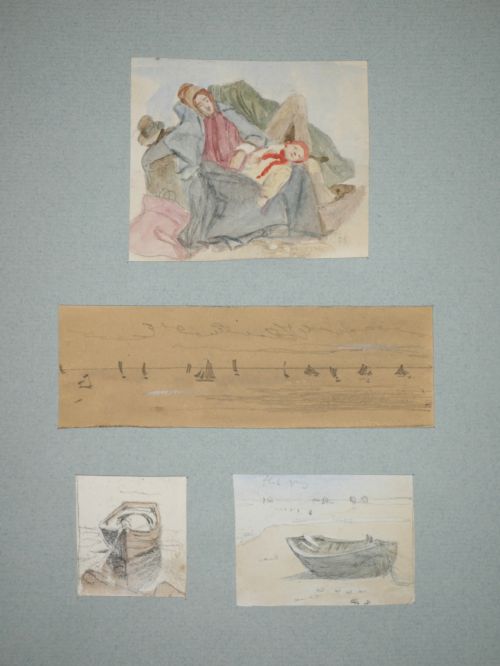
These works rely primarily on oil paint applied to stretched canvas or prepared wood panels, utilising traditional layering, glazing, and brushwork techniques established by earlier European traditions. Watercolour and ink wash on paper also appear frequently, often capturing rapid marine sketches or detailed interior studies.
Framing plays a distinct role in the physical construction of these pieces, with many surviving in period giltwood frames that reflect Baroque, Rococo, or Renaissance Revival decorative styles appropriate to their age.
Antique Figure Painting Retail Price Guide 2026
Typical asking prices for figure painting among the pieces listed under this phrase on Sellingantiques today, from the lower quarter to the upper quarter. They describe what is for sale here now, not the wider market.
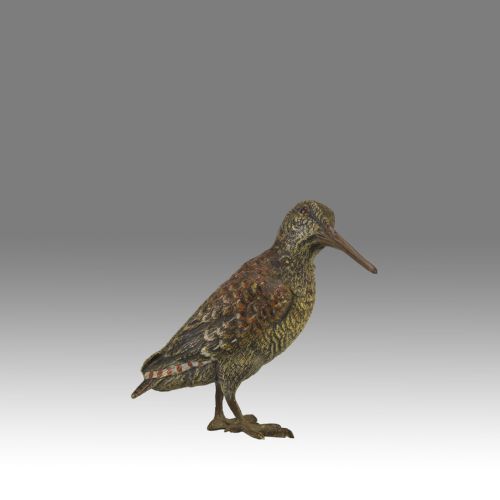
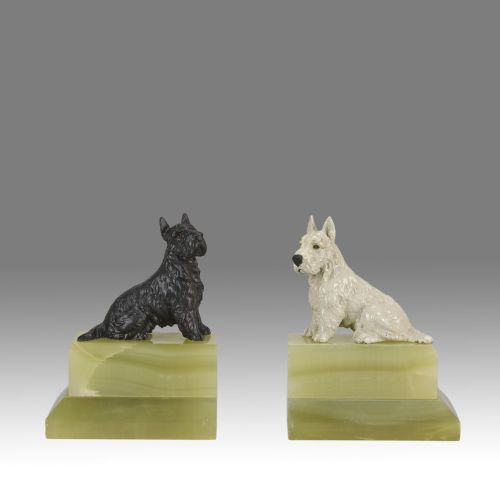
Materials recorded across current inventory include giltwood, bronze, enamel, and gold leaf.
What Varies in Quality
Provenance and attribution also influence standing within the market, distinguishing documented works by listed painters or recognised workshops from anonymous provincial school paintings.
William Oliver·Goldscheider·Sir Peter Lely·Royal Doulton·James Smetham·Francois Boucher·Franz Bergman·Sir Godfrey Kneller·Nymphenburg·Joshua Reynolds·Pierre le Faguays·Ferdinand Preiss·Meissen·Thomas Barker of Bath·Thomas W Lascelles·Benjamin Barker of Bath·Charles D’Agar·Eric Robertson·Nicolas Victor Fonville·Jan Both·Edward Robert Smythe
The Antique Figure Painting Glossary
- Oil on Canvas
- Pigment mixed with drying oil applied to a woven fabric support stretched across a wooden frame. This method became the dominant medium for easel painting from the Renaissance onward.
- Watercolour
- A painting method in which fine pigment is suspended in a water-soluble binder, traditionally executed on paper or card. It allows for translucent washes and delicate sketching.
- Wood Panel
- A rigid wooden support utilised for paintings before stretched canvas gained widespread favour. Panels were frequently prepared with gesso grounds before pigment application.
- Giltwood
- Timber carved and coated with a thin layer of gold leaf or metallic powder. It forms the decorative surface of ornate period frames.
- Provenance
- The documented history of ownership surrounding a work of art. A clear lineage helps verify authenticity and historical attribution.
Antique Figure Painting: Frequently Asked Questions
What periods do these paintings cover?
The inventory spans multiple centuries, incorporating seventeenth-century masterworks, eighteenth-century portraits, and nineteenth-century realist or romantic scenes.
Later pieces extend into the early twentieth century, capturing transitional styles up to the art deco era.
How should I care for an oil painting?
Keep canvases and panels away from direct sunlight and fluctuating humidity levels to prevent the paint surface from cracking or warping.
Dust the surface gently with a soft, dry brush without applying liquid cleaners directly to the pigment.
Are these paintings signed by the artist?
Some works bear clear signatures, monograms, or studio stamps from recognised makers and regional school painters.
Other historical pieces remain unattributed or represent the circle and follower traditions of prominent masters.
What is the difference between canvas and panel works?
Canvas supports offer flexibility and a textured woven ground that accommodates larger compositions and expressive brushwork.
Wood panels provide a rigid, smooth surface favoured in earlier centuries for capturing fine, intricate detail.