





Gilt Framed Art
Gilt framed art brings together centuries of painted oils, watercolours, and carved wall mirrors held within bright metallic borders.
What gilt framed art is
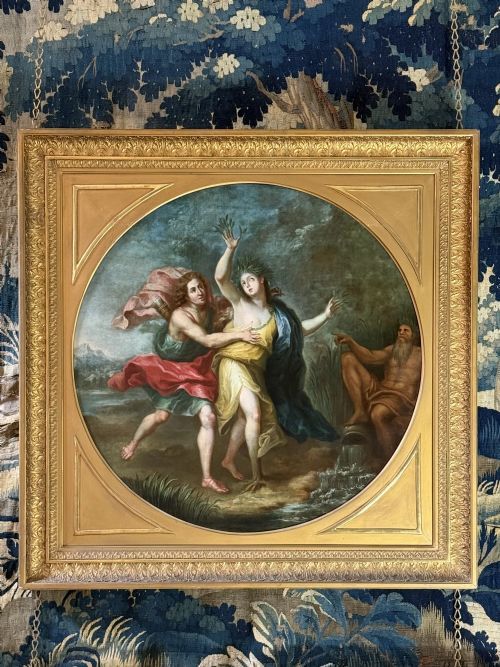
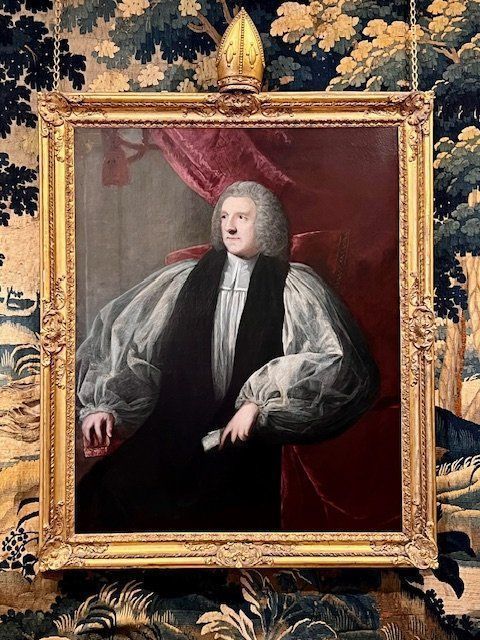
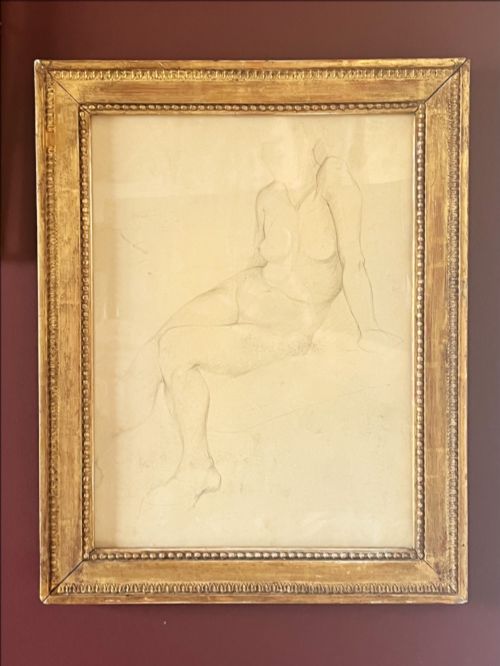
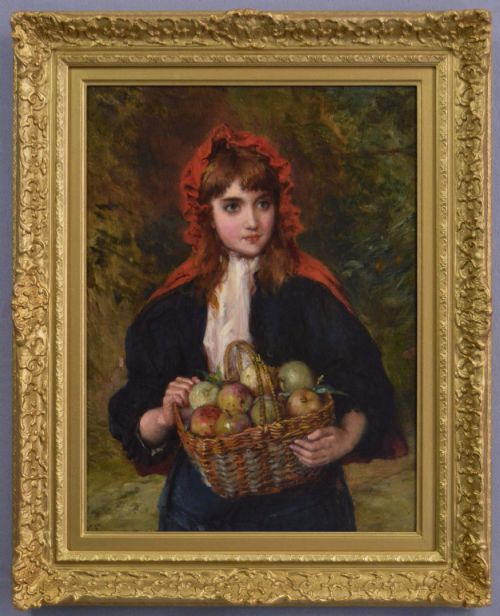
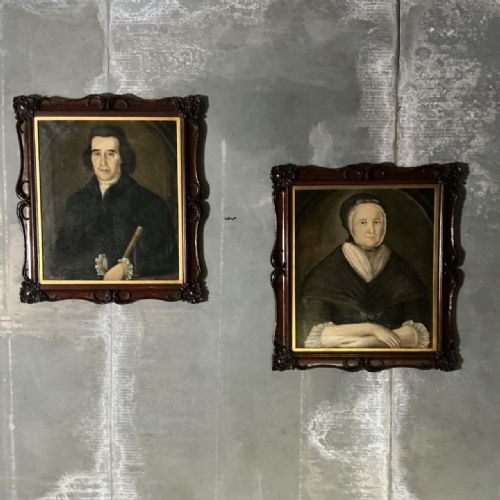
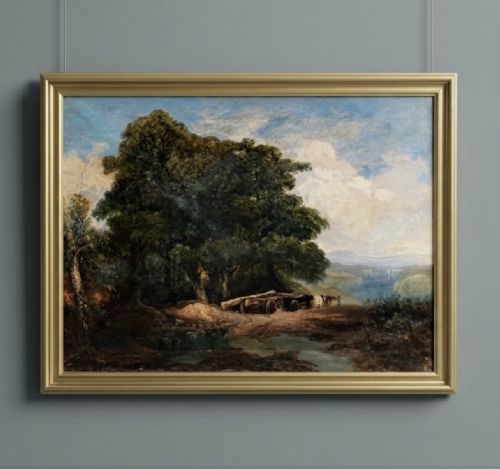
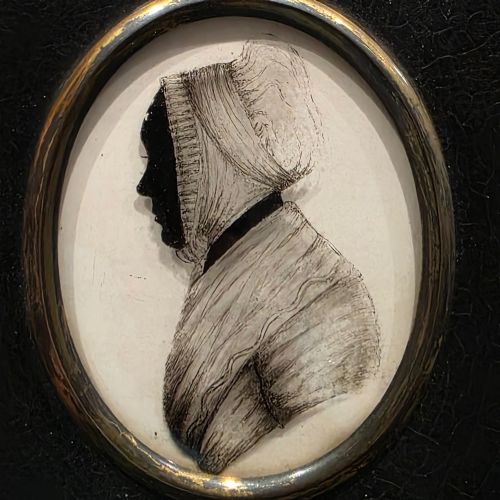
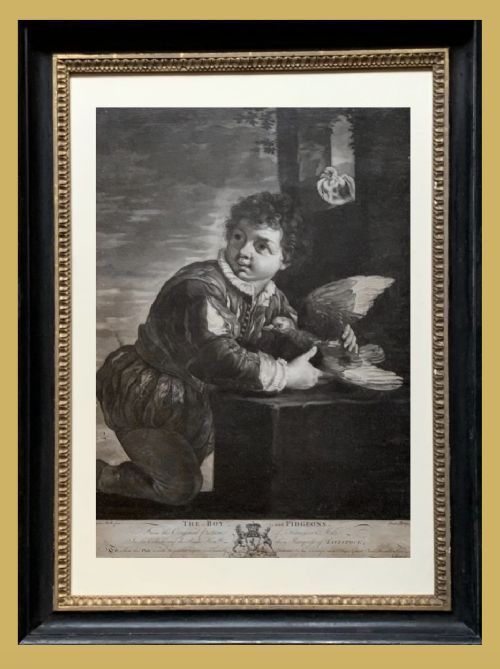
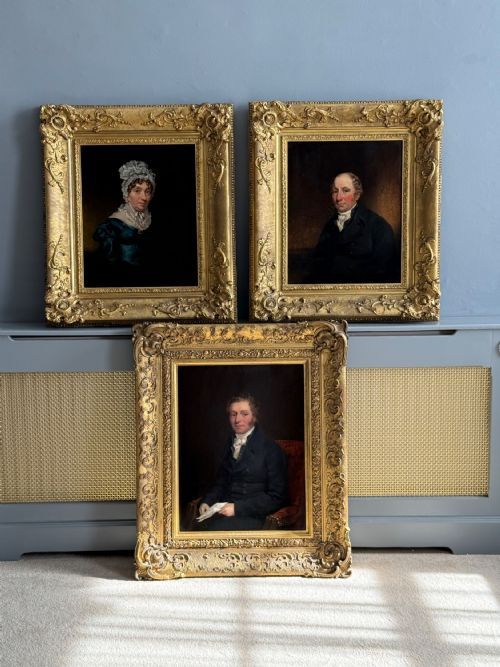
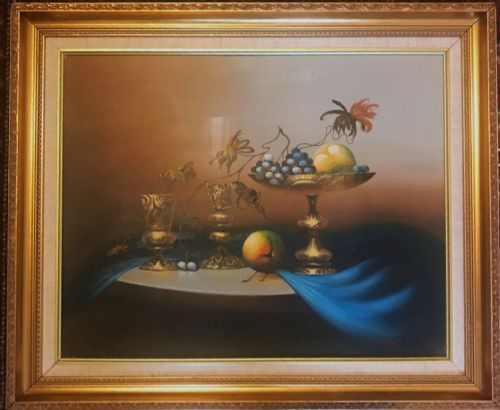
Gilt framed art encompasses wall pieces ranging from Victorian portraits and pastel equestrian studies to early twentieth century mirrors and watercolours. You encounter framed prints, crystoleum pictures, and oil paintings on panel enclosed by gilded wood or gesso frames.
The selection includes nineteenth century French watercolours, English school works, and decorative sets of coloured engravings alongside eighteenth century carved pine pieces. These objects serve primarily as wall art and decorative focal points for domestic interiors.
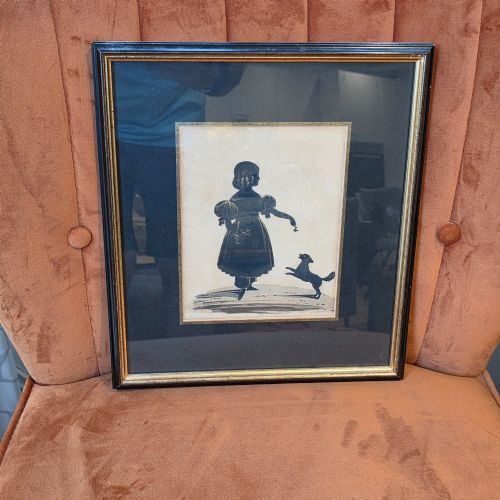
Victorian and Edwardian examples sit alongside pieces from the nineteen sixties and earlier periods, showing diverse subjects from marine scenes to children with dogs. Each item relies on its metallic frame to define its boundary and catch the ambient light.
How they were made
Makers utilised wood, glass, paper, and canvas, applying oil paint, watercolours, and pastels to create the central imagery. Frames were constructed from carved pine, mahogany, and giltwood, often finished with gesso to accept the metallic leaf.
Techniques range from hand-coloured engravings and mezzotint paintings to detailed tapestry work and traditional oil painting on panel. Gilding methods involved applying thin sheets of metal or gold leaf over prepared wooden mouldings.
Retail Price Guide 2026
Typical UK retail prices for gilt framed art, calculated from the Sellingantiques database of over a million retail prices indexed since 2003. This retail price guide relies exclusively on Sellingantiques data; no external sources or auction records are used, so the figures do not describe the wider market.
One recorded oil painting on panel preserves an old repair on the back, proving that children, adults, and two dogs caused trouble long ago.
What varies in quality
Quality rests in the depth of hand-carving on the wooden frame and the purity of the original gilding versus later repaint. Finer mouldings retain crisp gesso details and sharp corners rather than softened profiles from excessive wear or poor restoration.
The artistic execution of the painting, engraving, or pastel work dictates the overall value of the piece. Masterly brushwork in oils or delicate precision in watercolours elevates an item above standard decorative prints.
Oliver Goldsmith·Emily Eyres·Arturo Orselli·Leon Girardet·William Henry Williamson
The Gilt Framed Art Glossary
- Giltwood
- Wood that has been coated with gold leaf or a metallic substitute. This material forms the bright structural border typical of these works.
- Crystoleum
- A method of applying hand-coloured paint to the inside of concave glass. This Victorian technique produced translucent pictures with distinct depth.
- Gesso
- A plaster mix applied to wood frames to create a smooth surface for gilding. Carvers modelled intricate patterns directly into this layer.
- Mezzotint
- A printmaking process of the tonal engraving family. It allows deep shades and smooth gradients without using line hatching.
- Overmantle
- A large mirror designed to hang above a fireplace mantel. These pieces frequently feature substantial gilt frames to dominate the wall space.
Frequently Asked Questions
How do I clean a gilt frame?
Dust the gilded surface gently with a very soft, dry brush to prevent damage to the delicate metallic leaf.
Avoid using water, chemical sprays, or abrasive cloths, which can strip the thin gold layer away from the gesso underneath.
Are these frames original to the art?
Many pieces retain their period frames, particularly antique mirrors and specific nineteenth century paintings.
Some artworks have been reframed over the decades as styles shifted or earlier wooden mouldings required replacement.
How do I date a gilt frame?
Examine the construction methods of the wood corners, the composition of the gesso, and the ageing of the metal leaf.
Earlier eighteenth and nineteenth century frames typically show hand-carved details and deeper patination compared to later revival pieces.