

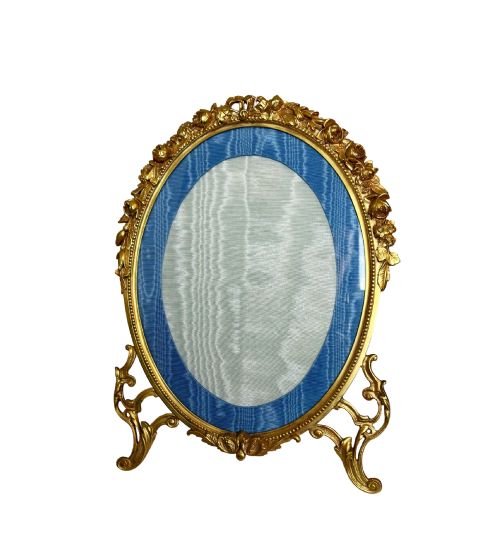
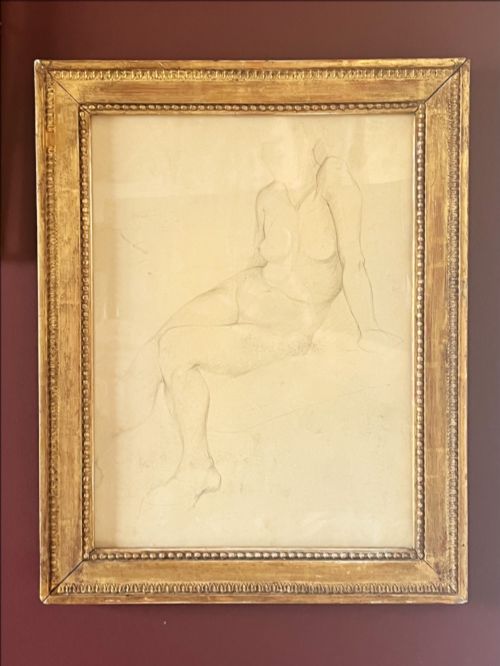
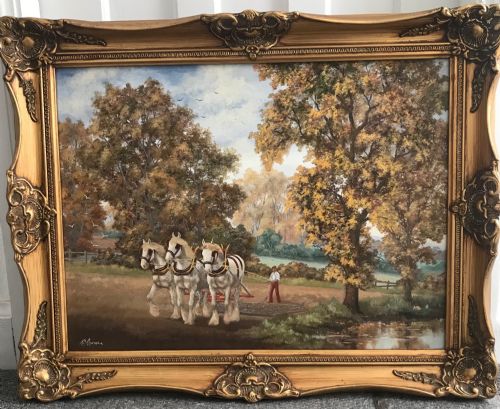

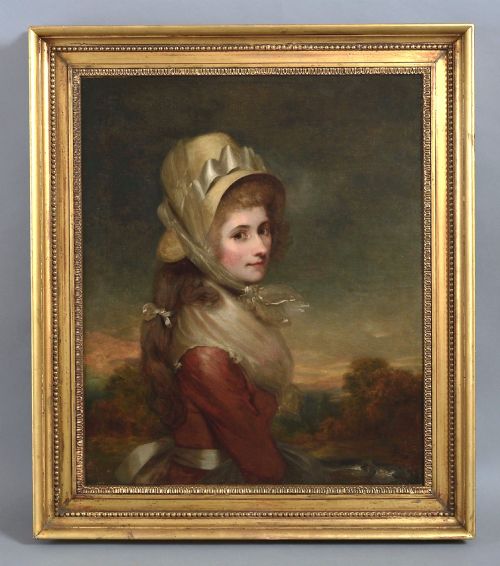







Gold Framed Picture
A gold framed picture brings together historic canvas, paper, or panel and a gilded surround to anchor a room.
Gold Framed Picture
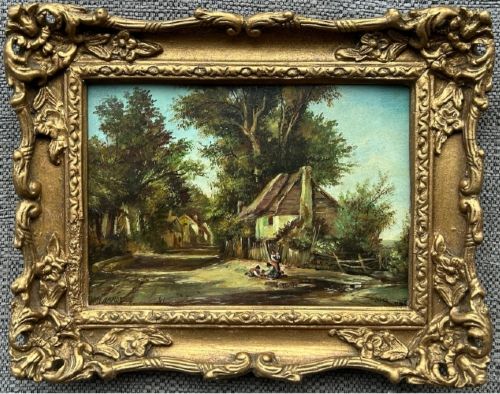
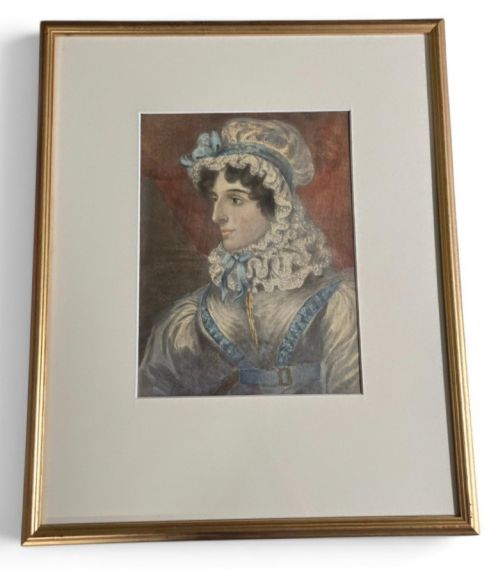
A gold framed picture encompasses oil paintings, watercolours, engravings, and portraits housed within gilded wood or gesso surrounds. These pieces range from seventeenth-century royal portraits and eighteenth-century pastoral scenes to nineteenth-century landscapes and twentieth-century watercolours.
Buyers will most frequently encounter nineteenth-century works and mid-century pieces alongside older portraits and maritime scenes. The selection spans periods from the seventeenth to the twentieth century, reflecting varied academic, traditional, and revivalist styles.
How they were made
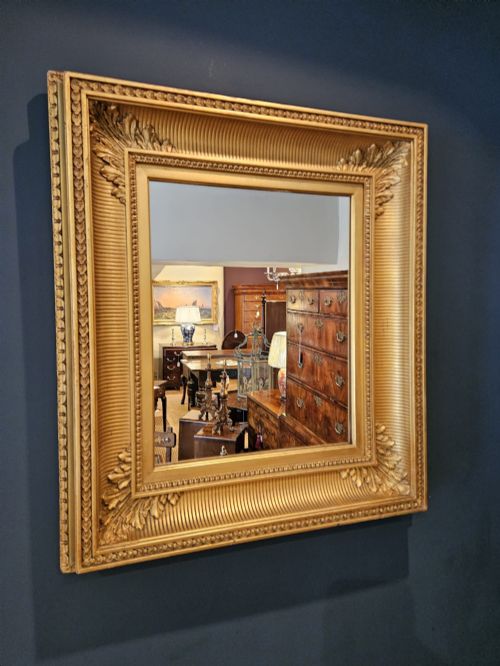
Makers built the surrounds using wood or gesso, applying gold leaf or bronze to achieve a reflective metallic finish. Canvases, panels, and paper supports received oil, watercolour, pastel, or print applications.
Carved ornament such as acanthus leaf decoration or swept profiles defined the frames, matching the aesthetic movements of Georgian, Victorian, Baroque, and Rococo revival periods.
Gold Framed Picture Retail Price Guide 2026
Typical asking prices for gold framed picture among the pieces listed under this phrase on Sellingantiques today, from the lower quarter to the upper quarter. They describe what is for sale here now, not the wider market.
The selection includes British, French, and Italian artistic traditions expressed through portraits, marine views, and pastoral landscapes.
What varies in quality
Quality rests upon the harmony between the artwork and its surround, where hand-carved gesso details and original gilding elevate the piece above plain or later replacements. Finer works display accomplished brushwork, distinct provenance, and period-appropriate mounting.
The depth of relief work on frames and the preservation of the underlying canvas or paper distinguish master compositions from standard decorative productions.
Sir Godfrey Kneller·Sir Anthony van Dyck·Sir Peter Lely·William Howard Hardy·Alfred Fontville de Breanski·Benjamin Barker of Bath
The Gold Framed Picture Glossary
- Giltwood
- Wood that has been coated with gold leaf. This material provides a durable and luminous finish frequently seen on antique surrounds.
- Gesso
- A plaster mix applied to wood frames before gilding. Artisans carved intricate patterns into this layer to create relief ornament.
- Oil on Canvas
- Pigment bound in oil applied to a woven fabric support. This technique allows for rich colour blending and longevity.
- Stipple Engraving
- A printmaking method using dots to form tonal gradations. It gained popularity for reproducing portraits and classical scenes.
Gold Framed Picture: Frequently Asked Questions
How do I date a gold framed picture?
Dating relies on examining the construction methods of the backing, the style of the canvas stretching, and the ageing patterns of the paint or paper. Frame profiles and preparation layers also offer firm clues to the decade of manufacture.
Secondary indicators include signatures, inscriptions, and artist records. Comparing these elements with established periods helps narrow down the origin.
How should I hang and light these pieces?
These works require stable interior environments away from direct sunlight and dampness to protect the gilded surfaces and organic canvas or paper supports. Secure wall fixings are essential due to the combined weight of wood and gesso.
Positioning them away from direct heat sources prevents warping of the wooden panels and cracking of the gesso. Gentle, indirect picture lights enhance the metallic sheen without causing heat damage.
What subjects are most common?
Portraits dominate the earlier centuries, featuring aristocrats, gentlemen, and ladies rendered in oil or pastel by notable schools and circles. Landscapes, marine views, and botanical still lifes become more prevalent in the nineteenth and twentieth centuries.
Genre scenes and classical watercolours also appear frequently across the collection. Each subject reflects the prevailing artistic tastes of its era.