

Turn of Century Painting
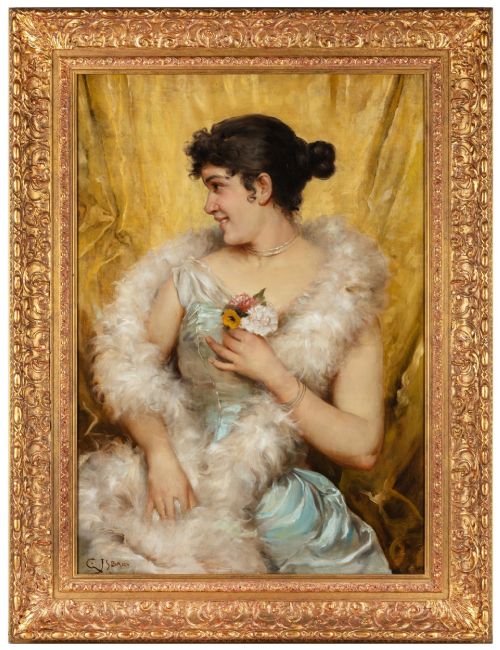
Turn of century painting captures the shifting aesthetic of a changing era, offering evocative oil and watercolour works from around nineteen hundred.
Turn of Century Painting
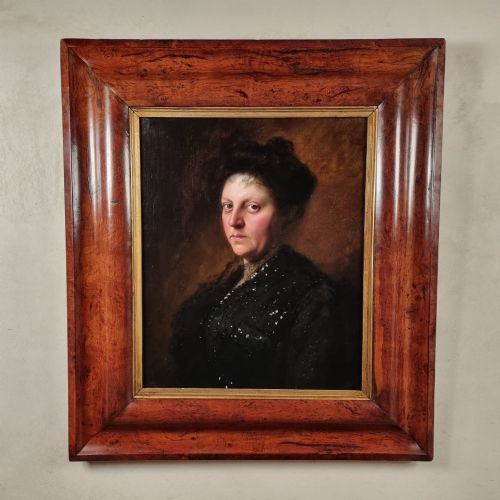
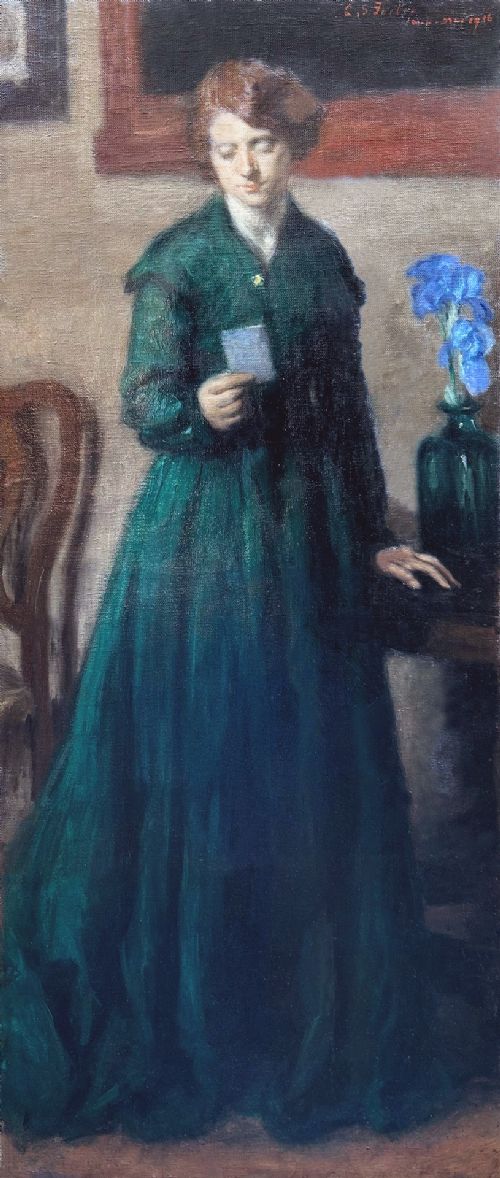
A turn of century painting encompasses works executed around nineteen hundred, capturing subjects from rural landscapes to formal portraits. These pieces often reflect late nineteenth century and Edwardian sensibilities through distinct tonalist or realist approaches.
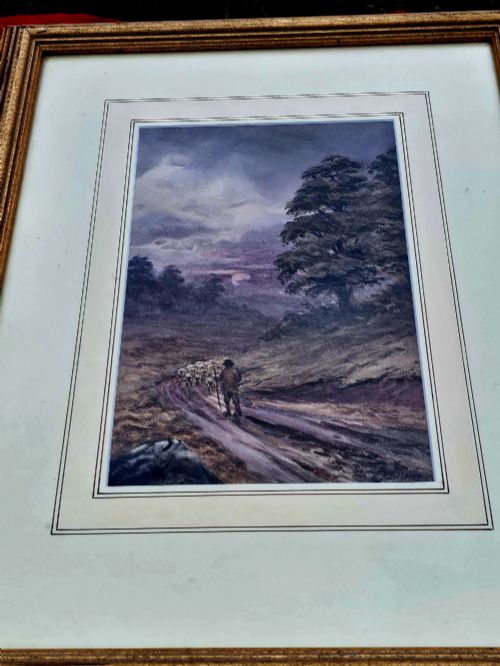
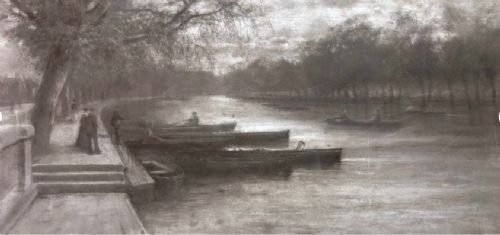
The selection on this page leans toward original oil on canvas and delicate watercolours created by named artists and skilled practitioners of the period. Buyers find works depicting harbours, riverscapes and figures that record the visual culture of the era.
Alongside traditional oil paintings, the category includes charcoal drawings and mixed media works influenced by contemporary artistic movements. Each piece provides a window into the artistic output of the transition between the Victorian age and the twentieth century.
Materials and methods
Artists of this period applied oil paint directly onto canvas or utilised watercolour and charcoal on prepared paper supports. These traditional mediums were framed securely to protect the delicate pigments from atmospheric degradation.
Supports ranged from stretched canvas to heavy archival paper, occasionally accompanied by artist signatures and period inscriptions detailing the specific location or subject matter.
Turn of Century Painting Retail Price Guide 2026
Typical asking prices for turn of century painting among the pieces listed under this phrase on Sellingantiques today, from the lower quarter to the upper quarter. They describe what is for sale here now, not the wider market.
Several watercolours meticulously record bustling nineteenth century dockyards, complete with microscopic sailing vessels.
Distinctions in quality
Quality in these works rests upon the surety of the brushwork, the depth of the composition and the preservation of the original surface. Stronger examples display confident handling of light and atmosphere, particularly in landscape and marine subjects.
Condition plays a vital role, with works retaining their original pigment vibrancy and unblemished paper or canvas achieving greater distinction. The presence of clear artist signatures or documented provenance further elevates the standing of an individual piece.
G. J. S. Bary·EJ Letheren·Charles Stuart Forbes·Emily Eyres·Alfred George Morgan·Edward Matthew Elliott·Charles James Lauder·Edward Henry Eugene Fletcher·Herbert St John Jones·JMW Turner
The Turn of Century Painting Glossary
- Oil on Canvas
- Pigments bound in a drying oil applied to a woven fabric stretched across a wooden frame. This method allowed artists to build rich textures and deep colour gradations.
- Watercolour
- A painting method where fine pigment is suspended in a water-soluble vehicle, typically applied to paper. It yields translucent washes of colour that capture luminous effects.
- Charcoal Drawing
- An artwork created using compressed organic carbon sticks to produce stark tonal contrasts and expressive lines. It functions both as a preliminary study and a finished piece.
- Edwardian Tonalism
- An artistic approach emphasising atmospheric effects and muted colour palettes over sharp detail. Works in this style evoke quiet moods through subtle shifts in tone.
Turn of Century Painting: Frequently Asked Questions
What subjects appear in these paintings?
The works feature a variety of subjects including pastoral landscapes, coastal harbours, townscapes and formal human portraits.
Artists frequently recorded specific British and European locations, capturing rivers, docks and architectural landmarks of the period.
How are watercolours preserved?
Watercolour paintings require protection from direct sunlight and excessive humidity to prevent the fading of delicate pigments.
Framing behind glass with acid-free mounts ensures the paper and pigments remain stable over time.
Are these paintings signed?
Many examples feature original artist signatures, monograms or period inscriptions inscribed directly onto the surface or the backing.
Unsigned works are attributed based on stylistic comparisons, brushwork analysis and contemporary framing evidence.
Where should I hang an oil painting?
Oil paintings on canvas suit interior spaces with stable ambient temperatures away from direct heat sources.
Allowing adequate wall space lets the composition and heavy original framing command the proper visual focus in a room.