

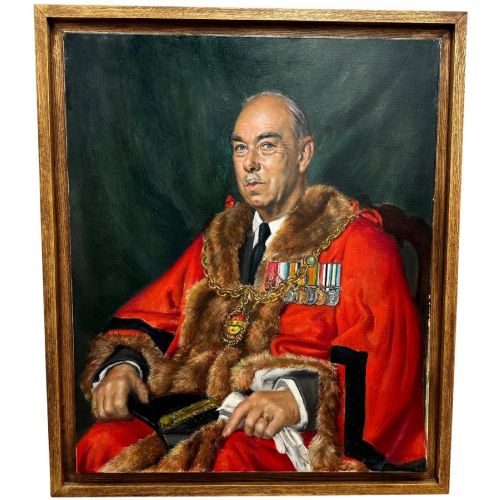
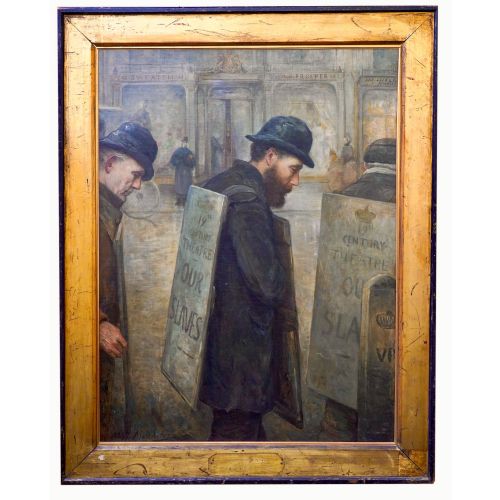
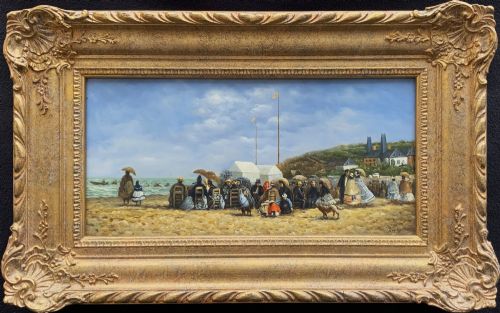
Antique Framed Canvas
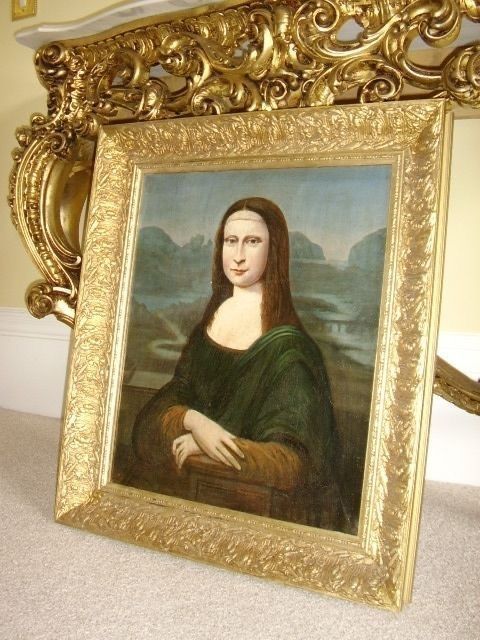
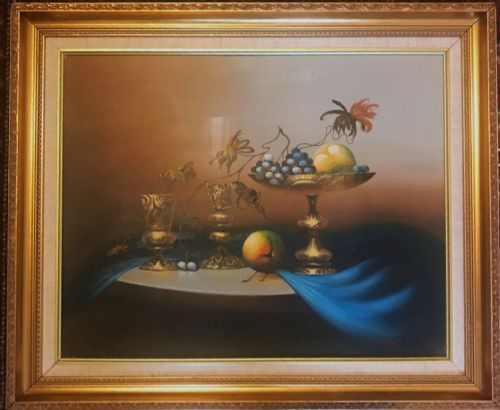
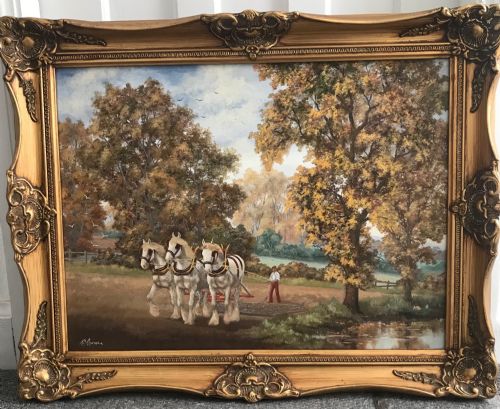
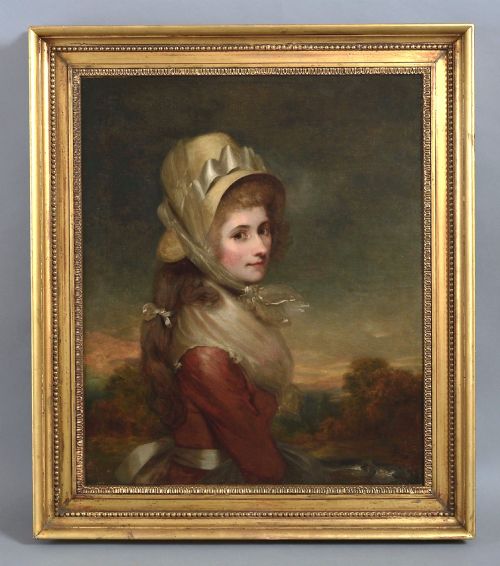
When you search antique framed canvas, you are looking for original oil paintings housed in period wooden frames that bring historic character directly to your wall.
What antique framed canvas pieces are
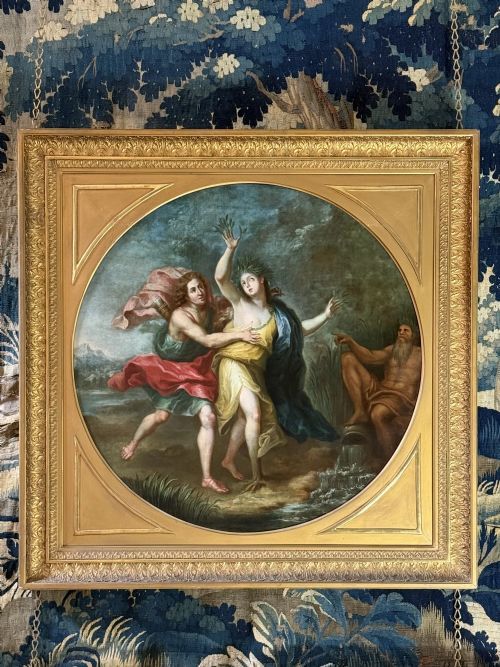
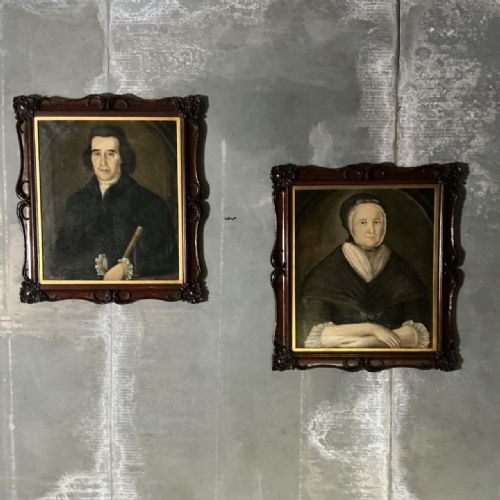
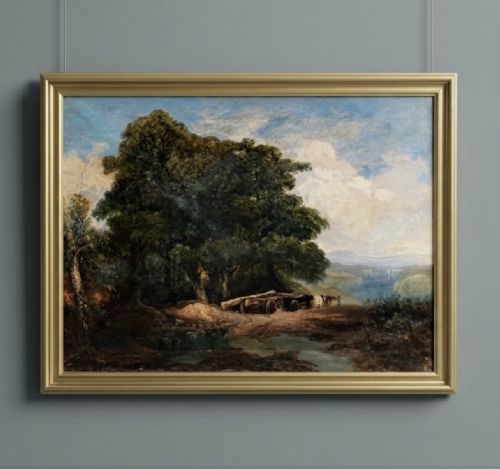
An antique framed canvas brings centuries of oil painting traditions into domestic spaces, ranging from intimate portraits to sweeping rural and coastal landscapes. These works capture specific historic moments, spanning from the seventeenth century through the Victorian era and into the early twentieth century.
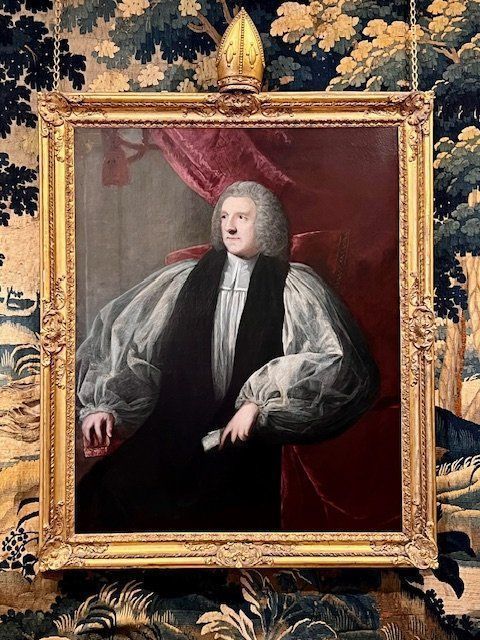
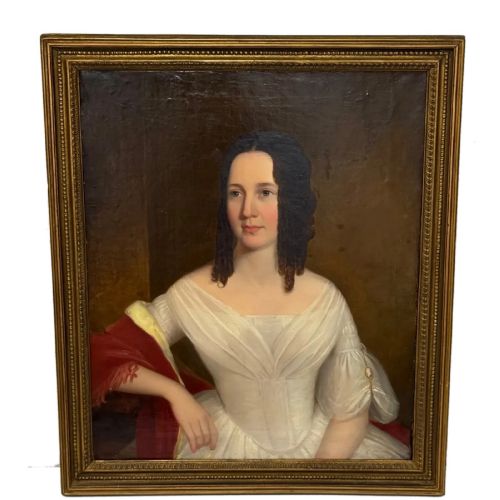
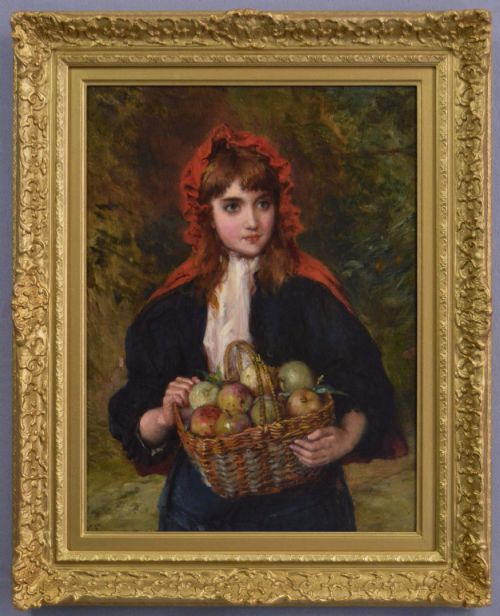
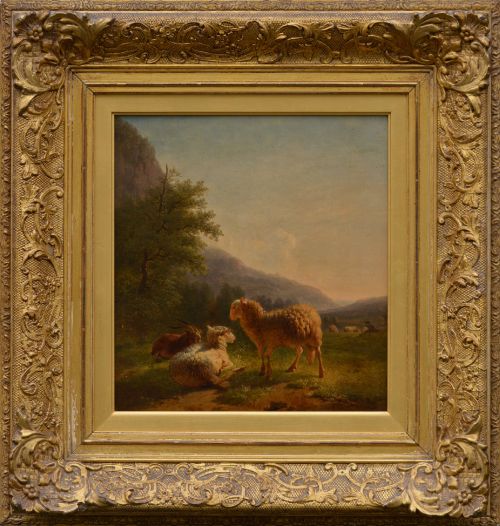
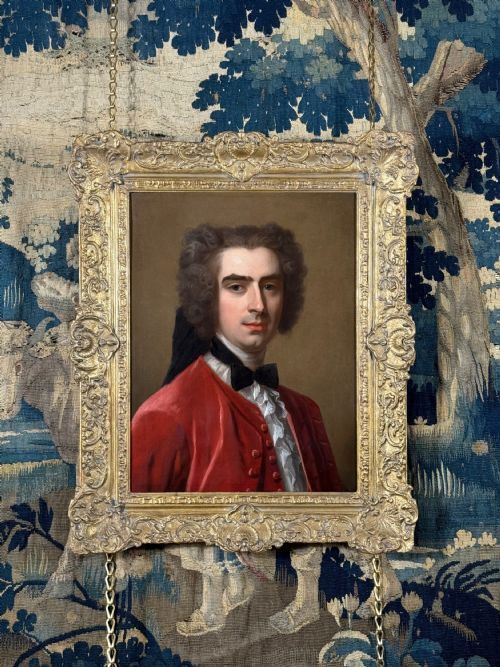
Buyers seeking an antique framed canvas typically encounter oil paintings rendered on canvas supports, often enclosed in elaborate wooden or gilt surrounds. The subjects vary widely, encompassing domestic livestock, maritime scenes, coaching inns, and detailed character portraits.
The historical scope visible across these works includes distinct stylistic movements such as the Hague School, Victorian narrative scenes, and Regency portraiture. Each piece offers a direct window into the artistic output and visual culture of its specific period.
Distinctions in quality
Quality reveals itself in the handling of oil paint, where confident brushwork and nuanced colour mixing create depth and realism in portraits and landscapes. The fidelity of anatomical proportion and the atmospheric rendering of light elevate superior works above simpler, more naive compositions.
The integration between the canvas and its housing plays a significant role in the overall integrity of the piece. Original gilt wood and gesso frames that retain their crisp moulding and authentic gilding enhance the historical and visual coherence of the artwork.
Retail Price Guide 2026
Typical UK retail prices for framed canvas, calculated from the Sellingantiques database of over a million retail prices indexed since 2003. This retail price guide relies exclusively on Sellingantiques data; no external sources or auction records are used, so the figures do not describe the wider market.
Current listings feature works spanning from the seventeenth century to the 1920s, utilising oil paint, canvas, gesso, and gold leaf.
Bernard De Hoog·Thomas Spinks·John Charles Maggs·Thomas Gist·Michael Dahl
The Antique Framed Canvas Glossary
- Oil on Canvas
- A painting technique utilising pigments suspended in a drying oil medium applied directly to a woven fabric support. This method allowed artists to achieve rich colour depths and subtle blending.
- Giltwood
- Timber carved and surfaced with a thin layer of gold leaf, often over a prepared gesso ground. This material defined the ornate framing styles of the eighteenth and nineteenth centuries.
- Gesso
- A plaster-like mixture applied to wooden frames as a smooth base before gilding or painting. It provides the crisp surface necessary for detailed decorative moulding.
- Hague School
- A nineteenth-century group of artists based in the Netherlands known for their realistic depictions of everyday rural and marine life. Their palette often embraced sombre tones and atmospheric light.
Frequently Asked Questions
What subjects appear on these canvases?
The subjects range widely from detailed human portraits and historic narrative scenes to rural landscapes, coastal views, and maritime harbours. Artists frequently recorded contemporary life, agricultural scenes, and wildlife.
Domestic animals, coaching inns, and pastoral settings also feature prominently across the surviving works from the eighteenth and nineteenth centuries.
How do I identify the period of a frame?
Period frames often display distinct moulding profiles, casting techniques, and corner construction methods that align with the date of the canvas they house. Giltwood surrounds from the Regency and Victorian eras utilise specific decorative motifs and gesso applications characteristic of those decades.
Examining the underlying timber and the type of gold leaf applied helps confirm whether the frame is contemporaneous with the painting.
Are these paintings signed by the artists?
Many works bear legible signatures or initials from the original painters, while others remain unsigned or indistinctly attributed to broader regional schools. Unsigned pieces are often categorised by their style and technique, linking them to English or continental traditions.
Archival details and subject matter frequently provide the clues needed to attribute works to specific circles or makers.
How should I hang an oil painting?
Oil paintings on canvas require stable interior environments away from direct sunlight, excessive humidity, and rapid temperature fluctuations. Proper wall fixings matched to the weight of the heavy wooden and gilt frames ensure secure installation.
Allowing adequate circulation behind the canvas prevents moisture accumulation and preserves the structural integrity of both the painting and its frame.