


Victorian History Painting
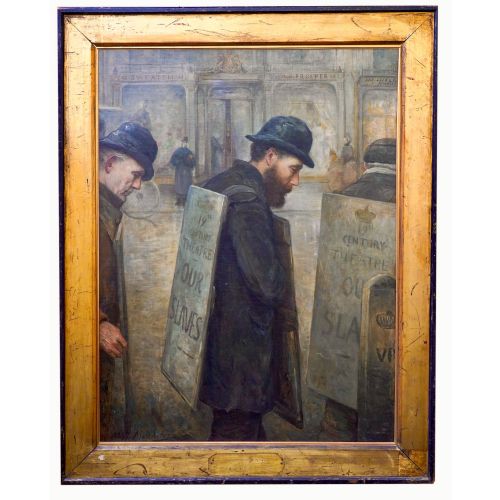
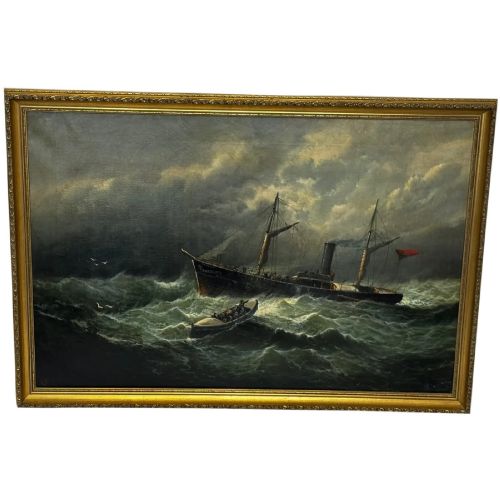
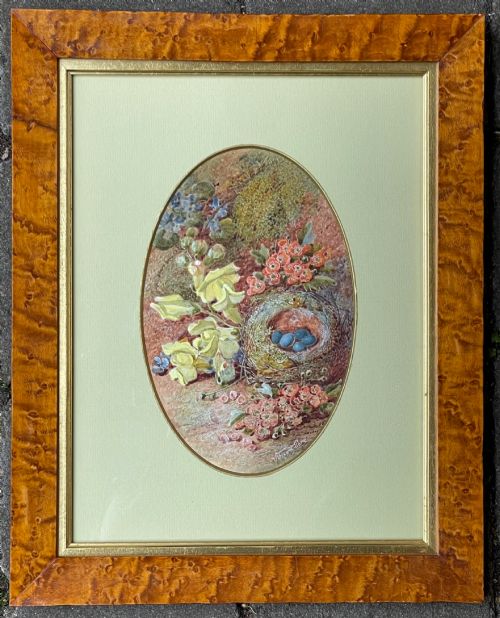
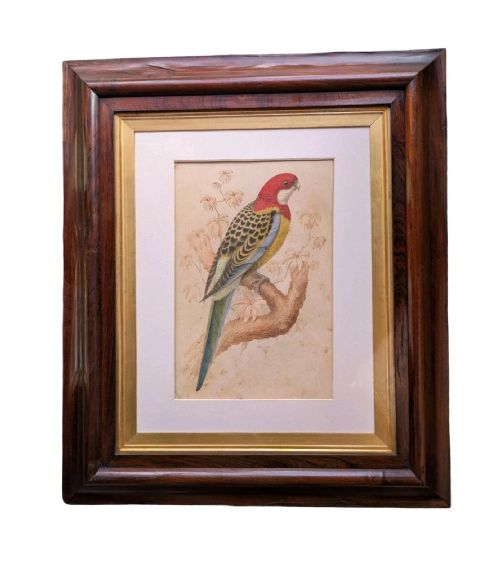
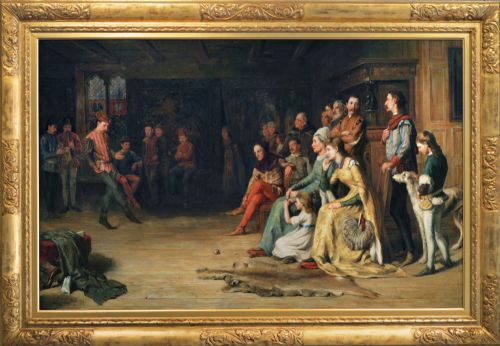
These pieces for victorian history painting capture dramatic historical narratives and domestic scenes rendered in oil and watercolour during the nineteenth century.
Materials and technique
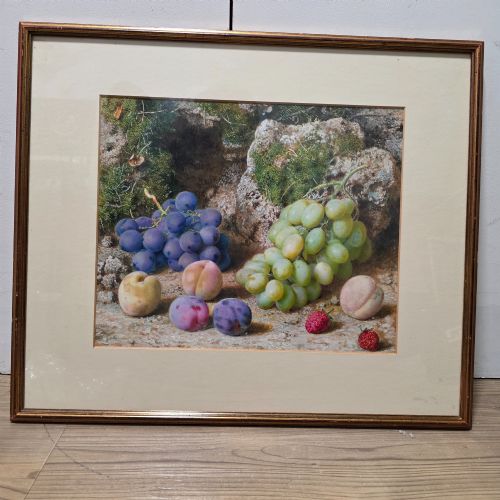
The works rely primarily on oil paint applied to canvas or watercolour on paper, framed in wood and giltwood mounts. Painters built up compositions using layered brushwork to achieve depth in figures and drapery.
Support materials include heavy woven canvas stretched over wooden frames and fine-grain paper suited to delicate watercolour washes. Ebonised frames with deep giltwood liners often accompany works on paper.
Assessing the range
Quality rests upon the artist's ability to render anatomical precision, facial expression, and convincing spatial depth within complex multi-figure compositions. Stronger examples demonstrate confident draughtsmanship and careful management of light across period costumes and interiors.
Lesser works often display rigid postures and flat backgrounds that lack atmospheric perspective. The handling of narrative tension distinguishes standard decorative pictures from accomplished artistic interpretations of historical subjects.
Felix Stone Moscheles·William Broome·Vincent Clare·James Hamilton·John Sherrin·Harry Bright·Christoffel Bisschop
The Victorian History Painting Glossary
- Genre painting
- Depiction of aspects of everyday life by depicting ordinary people engaged in common activities. These works often provide social context alongside narrative detail.
- Watercolour
- A paint consisting of a pigment suspended in a water-soluble vehicle, typically applied to paper. Artists utilised this medium for both finished exhibition pieces and preliminary studies.
- Giltwood
- Wood that has been treated with gold leaf or a gold-coloured metallic finish. This material frequently appears in period framing.
- Canvas
- A closely woven heavy fabric used as a support surface for oil painting. It provides the necessary texture and durability for large-scale historical compositions.
Victorian History Painting: Frequently Asked Questions
What subjects do these paintings show?
The works depict historical events, literary narratives, and domestic scenes from various eras. Artists focused on dramatic moments involving recognizable historical figures and military encounters.
Compositions often feature elaborate period costumes, domestic interiors, and outdoor landscapes designed to tell a specific story. Viewers find both monumental social history works and smaller genre watercolours.
How should I display these frames?
These framed works require wall space away from direct sunlight to protect pigments and paper supports. Maintaining stable room humidity prevents warping in the wood and giltwood frames.
Grouping pieces with similar nineteenth-century framing styles creates a cohesive wall display. Ensure hanging hardware is securely fixed to support the weight of heavier oil canvases.
How do I identify a nineteenth-century painting?
Examination of the canvas weave, paper type, and framing materials often reveals the age of the piece. Pigment analysis and artist signatures provide further verification of the period.
Many works feature handwritten annotations, artist biographies, or exhibition labels on the reverse. Stylistic markers such as Victorian naturalism and detailed realism point directly to nineteenth-century production.
What is the difference between oil and watercolour?
Oil paintings utilise pigment suspended in drying oils applied to canvas or wood panels, allowing for rich colour depth and layered textures. Watercolours employ water-soluble pigments on paper, offering a lighter and more translucent finish.
Oils were typically chosen for large, monumental exhibition pieces intended for prominent display. Watercolours served well for detailed studies, botanical subjects, and intimate domestic portraits.