



Antique Framed Landscape
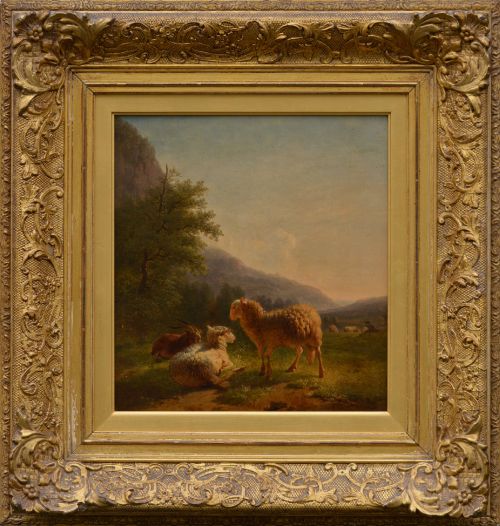
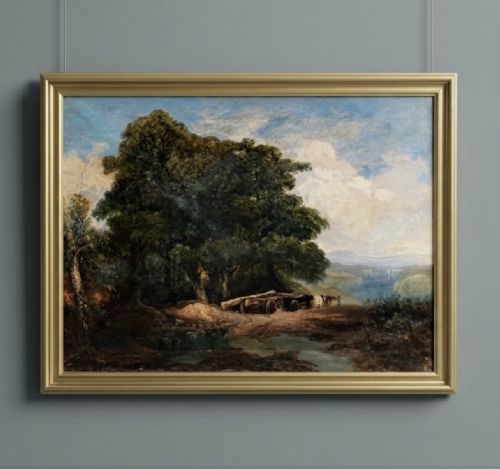
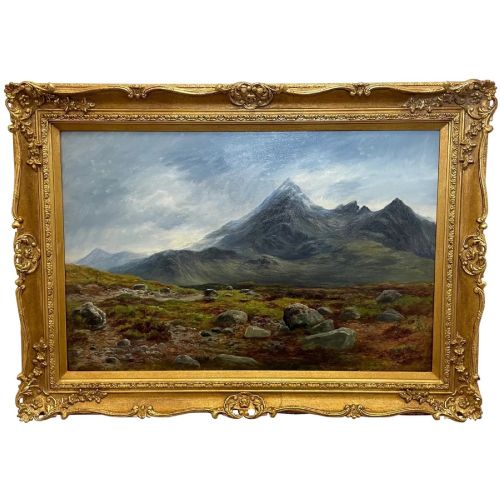
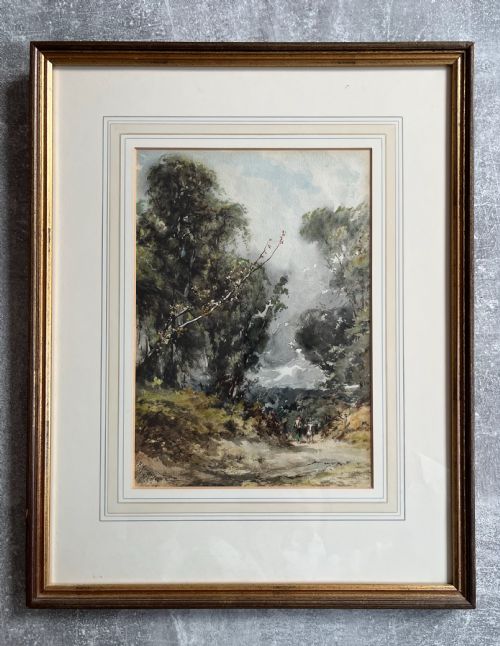
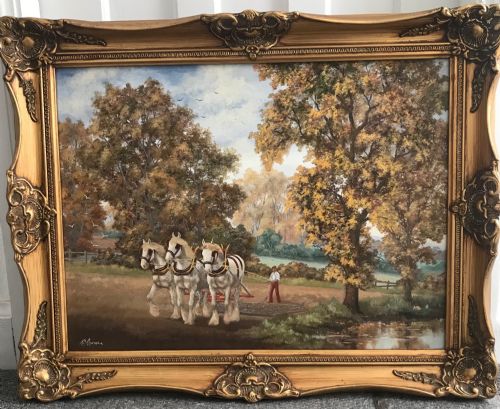
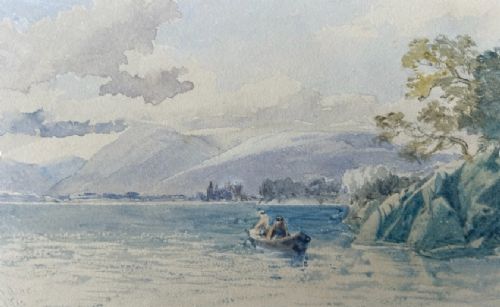
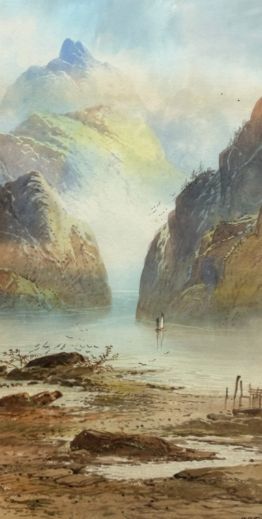
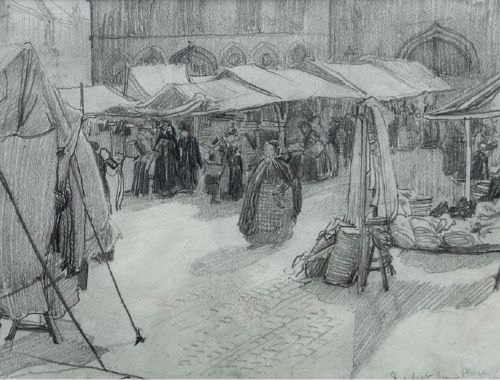
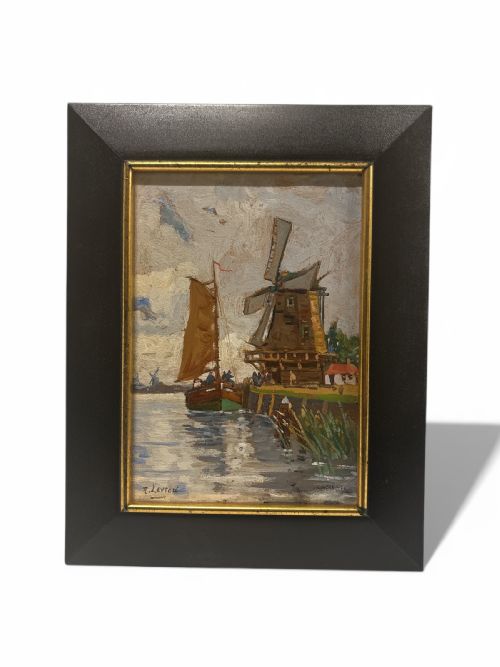
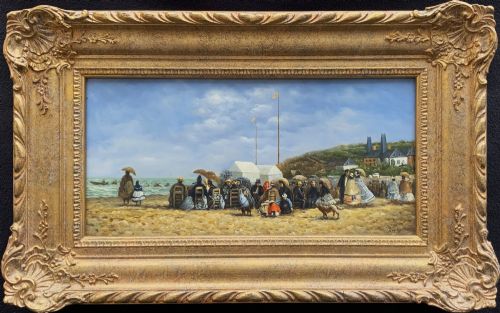
These antique framed landscape works capture rural views, rivers, and coastal scenes set within period surrounds.
The Nature of Antique Framed Landscape
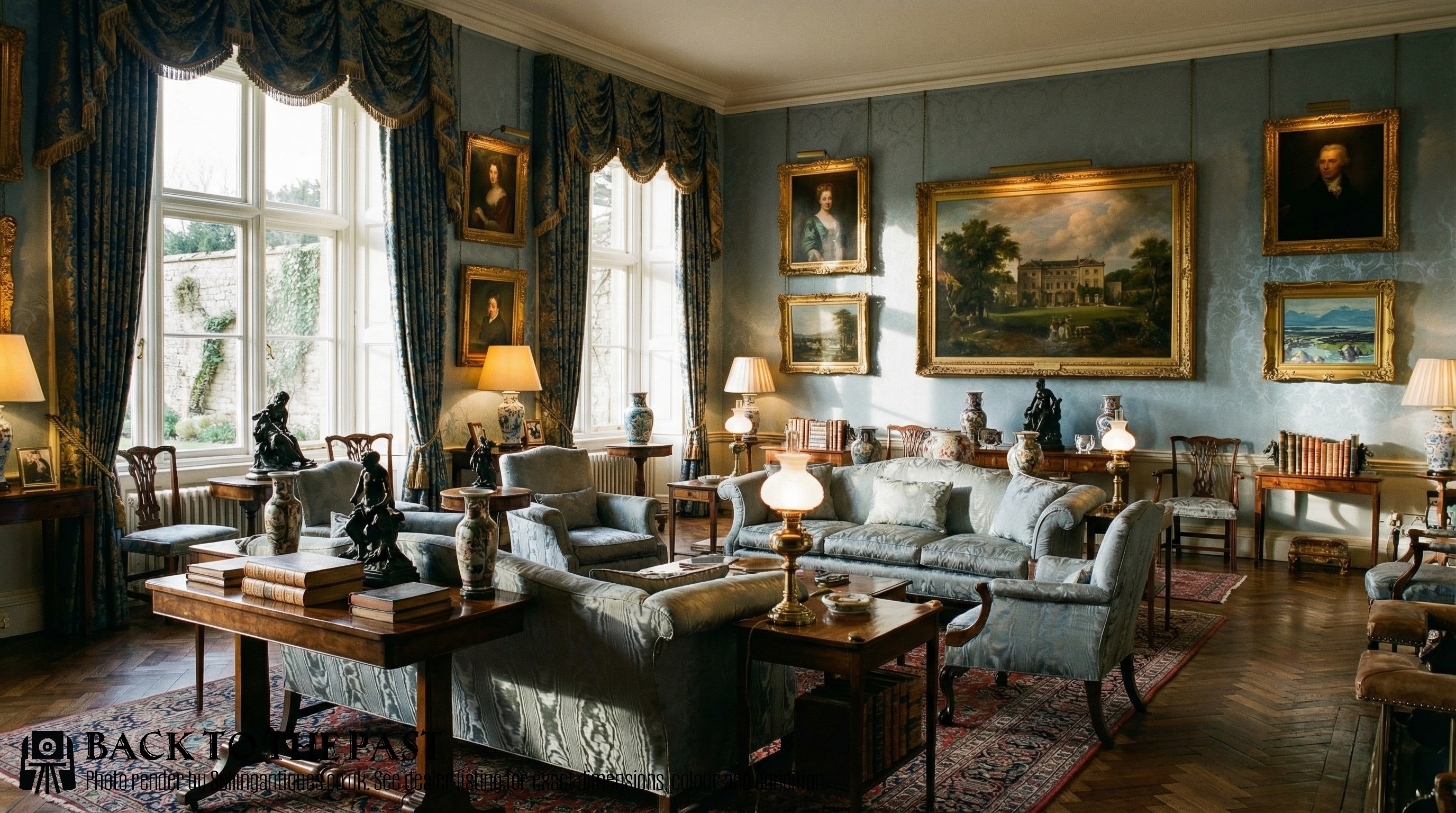
An antique framed landscape brings views of hills, rivers, and rural scenes into domestic spaces through works executed in oil and watercolour. The examples recorded here span the Victorian era, the Edwardian period, and the mid-twentieth century.
Most entries take the form of oil paintings on canvas, board, or card, alongside watercolours on paper. These paintings often depict English country scenes, Welsh moors, Irish bays, and classical Italian vistas.
Buyers meet works ranging from intimate rural watercolours to larger oil paintings complete with their original gilt wood or composite moulding frames. These pieces reflect diverse regional traditions across the nineteenth and twentieth centuries.
Materials and Construction
Artists painted these landscapes using oil or watercolour on supports including canvas, card, wood panels, and paper. The application of pigment relies on traditional brushwork, ranging from fine watercolour washes to heavier impasto in oil.
Framing materials include gilt wood, carved wood, and composite moulding, frequently protected by glass in the case of works on paper. These surrounds provide structural support while framing the visual composition.
Retail Price Guide 2026
Typical UK retail prices for framed landscape, calculated from the Sellingantiques database of over a million retail prices indexed since 2003. This retail price guide relies exclusively on Sellingantiques data; no external sources or auction records are used, so the figures do not describe the wider market.
Listings feature oil on canvas, watercolour on paper, and wood panel supports housed within gilt wood, carved wood, and composite moulding frames.
Distinctions in Execution
Quality rests upon the skill of the brushwork and the sensitivity with which light and atmosphere are rendered across the canvas or paper. Finer examples display confident handling of natural topography, figures, and architectural elements.
The relationship between the painting and its frame contributes significantly to the integrity of the piece. Retaining an original gilt wood or carved wood frame enhances the historical completeness of the artwork.
Charles Gregory·Daniel Sherrin·John Bates Noel·Peter Ghent
The Antique Framed Landscape Glossary
- Impressionism
- A style of painting that focuses on capturing the visual impression of a moment, paying attention to shifting light and unblended brushstrokes. This approach appears among later twentieth-century works in the archive.
- Giltwood
- Wood carved and coated with a thin layer of gold leaf or gilt finish. This material is common in the protective surrounds of nineteenth-century paintings.
- Watercolour
- A painting method where fine pigment is suspended in a water-based solution and applied to paper. These delicate works require glass protection within their frames.
- Composite Moulding
- A framing material shaped from a mixture of materials such as plaster and glue over a wooden core. It offers ornate decorative relief for picture surrounds.
- Provenance
- The documented history of ownership surrounding an artwork. Certain pieces retain connections to notable collections or specific geographic regions.
Frequently Asked Questions
How should I hang an antique landscape?
Position the picture at eye level on a structurally sound wall away from direct sunlight and excessive moisture. This protects both the canvas or paper and the delicate gilt wood frame from environmental degradation.
Ensure the hanging wire and fixings match the weight of the frame. Traditional frames can be heavy, requiring secure wall anchors to support them safely.
How do I identify the period of a landscape?
Examine the materials of the support, such as canvas, card, or wood panel, alongside the style of the brushwork and the construction of the frame. Victorian and Edwardian works often display distinct framing profiles and pigment handling.
Signatures, dates, and inscriptions on the reverse of the canvas or frame frequently provide direct evidence of the creation date and the artist.
Are these paintings original works?
The records comprise original hand-painted works in oil and watercolour rather than modern reproductions. Each piece represents a unique artistic creation by a named or unrecorded hand.
Signatures, monograms, and brush texture confirm the individual execution of these landscape scenes.