
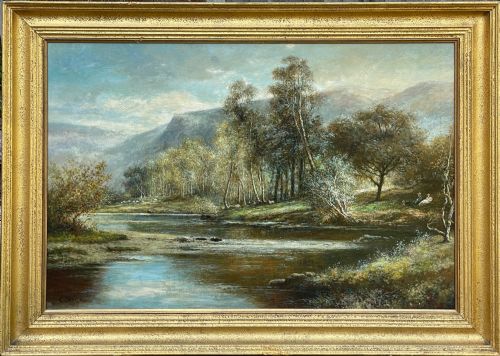
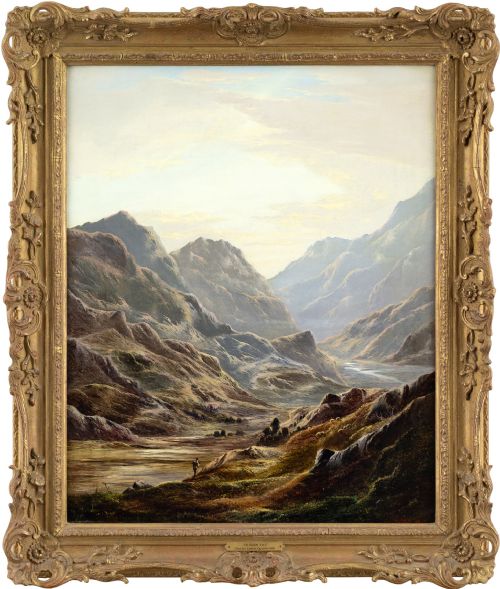
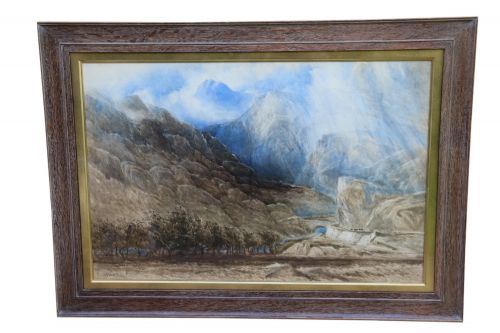
Framed Mountain Landscape Painting
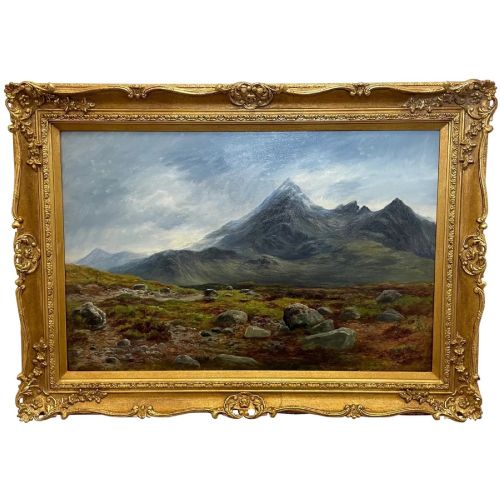
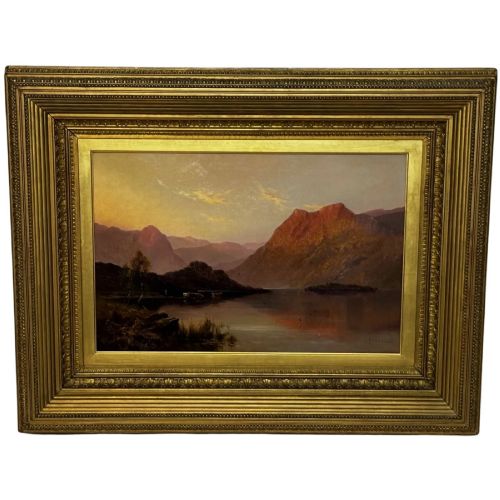
A framed mountain landscape painting captures high peaks, remote valleys and open water, bringing the scale and light of wild terrain directly onto an interior wall.
Framed Mountain Landscape Painting
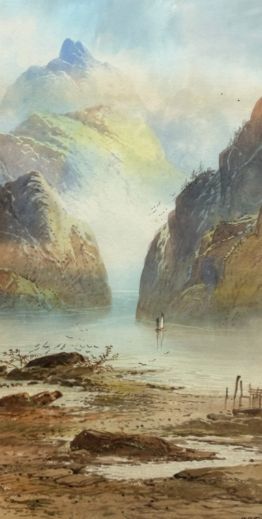
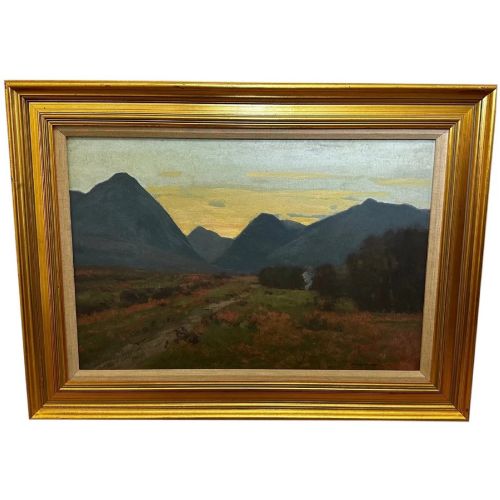
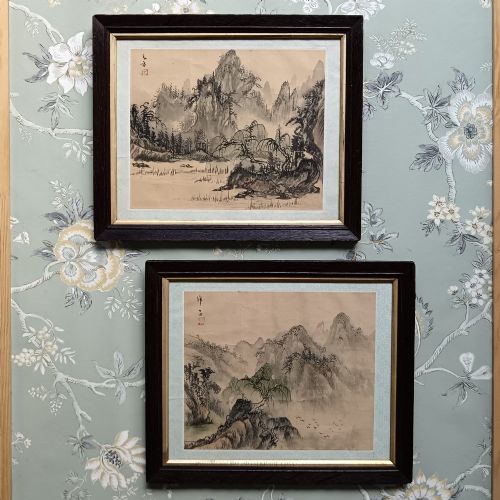
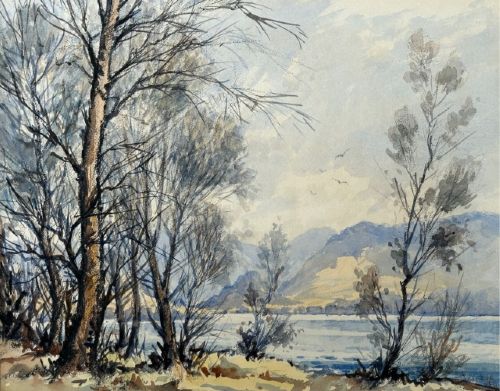
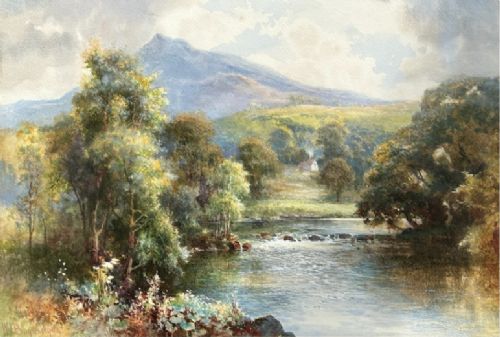
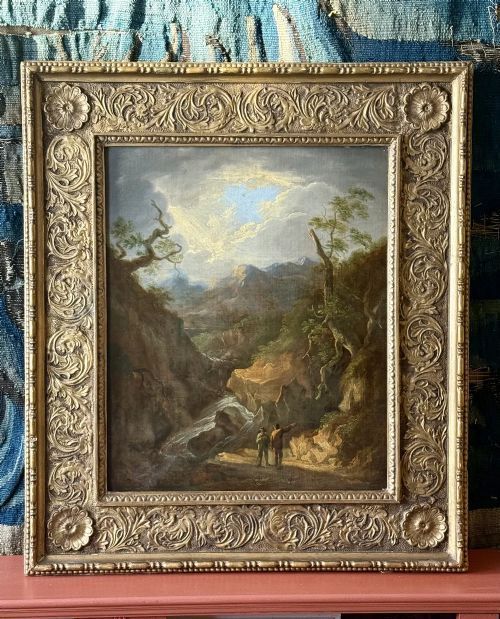
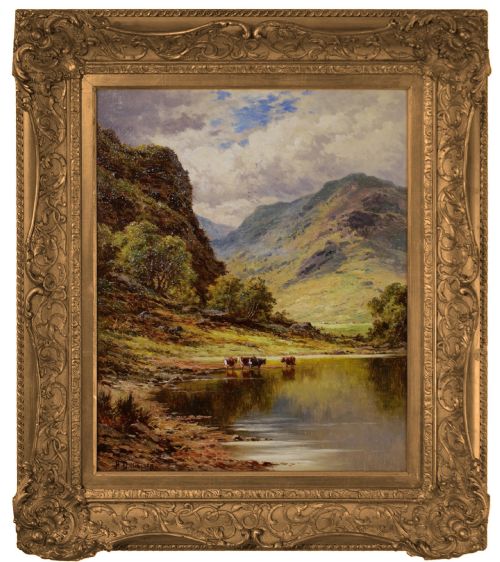
A framed mountain landscape painting focuses the eye on elevated terrain, craggy ridges and highland waters captured across various regions including Scotland, Wales, the English Lake District, the Alps and beyond. These works span the nineteenth century into the mid-twentieth century, recording topography through distinct regional traditions and individual artist viewpoints.
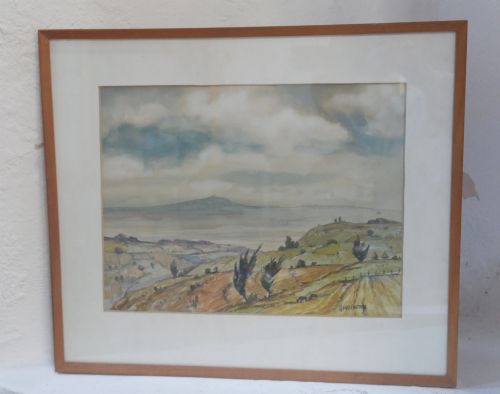
The most common examples encountered here are nineteenth-century and Victorian oil paintings on canvas or panel, alongside watercolours on paper. Many retain their original timber and giltwood frames, which complete the presentation of the artwork.
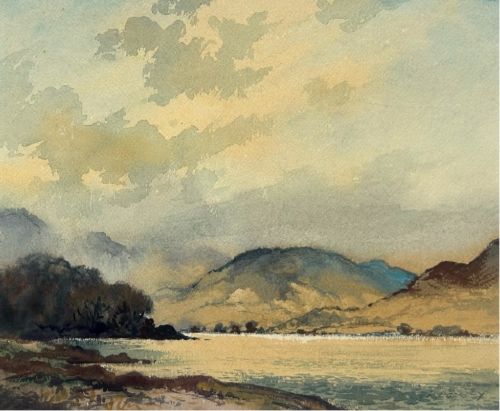
The subjects range from tranquil Scottish lochs and Welsh river valleys to dramatic Alpine summits and distant colonial peaks. Each piece reflects how painters of the period observed atmospheric weather, changing light and remote terrain.
How they were made
Painters relied primarily on oil on canvas or watercolour on paper, applying pigments to build up depth in skies, crags and water. Canvas works often employ heavy gesso preparation beneath the paint layer to hold the texture of the brushwork.
Frames form an integral part of the construction, utilising carved wood, gesso mouldings and gilt finishes designed to complement the palette of the scene within. These housings range from simple timber mouldings to ornate Victorian giltwood frames.
Framed Mountain Landscape Painting Retail Price Guide 2026
Typical asking prices for framed mountain landscape painting among the pieces listed under this phrase on Sellingantiques today, from the lower quarter to the upper quarter. They describe what is for sale here now, not the wider market.
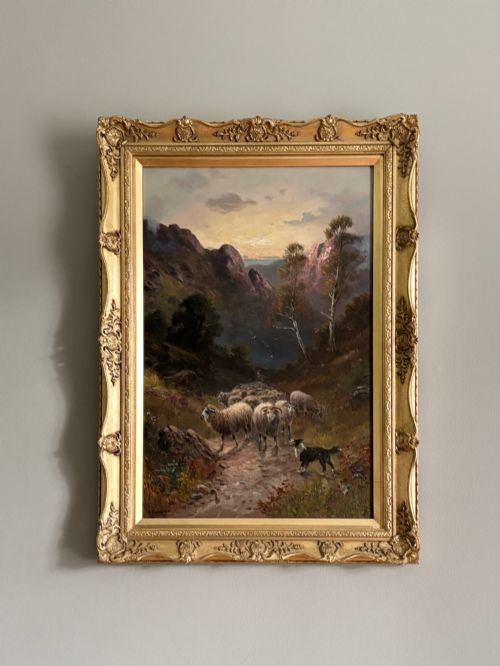
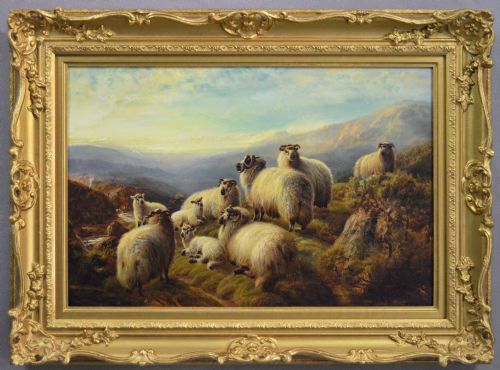
Several sheep manage to wander into multiple high-altitude scenes, quietly upstaging the grand peaks behind them.
What varies in quality
Quality rests upon the handling of light, atmosphere and spatial depth, where a skilled hand renders the subtle transitions of weather over high peaks rather than relying on formulaic composition. The surety of the brushwork and the accuracy of tone separate standard topographical records from accomplished artistic interpretations.
The relationship between the painting and its housing influences overall integrity, particularly when an artwork retains its original period frame. Contemporary or mismatched replacements alter the historical balance of the piece.
William Beattie-Brown·William Henry Earp·Alfred Fontville de Breanski·Robert Leslie Howey·George Houston·William Joseph Boyes·Benjamin Barker of Bath·Henry H. Parker·Douglas Cameron·Charles Leslie·Henry Martin Pope·William George Tennick·John Grenville Fennell·William Henry Mander·William Hoggatt·Sidney Richard Percy·Thomas Spinks·Frank Hider·Giulio Cecchini·Walter J Watson·William Grant Murray·John Douglas Perrett
The Framed Mountain Landscape Painting Glossary
- Gesso
- A plaster-like mixture applied to canvas or wood panels to create a smooth, stable surface for painting. It is also moulded on frames to form decorative relief patterns.
- Watercolour
- A paint consisting of pigment suspended in a water-based solution, applied to paper. It allows for translucent washes that suit atmospheric mountain mists.
- Oil on Canvas
- Pigment bound in a drying oil applied to woven fabric stretched over a wooden frame. This medium permits rich colour blending and textured impasto.
- Provenance
- The documented history of ownership or origin of an artwork. It helps establish attribution and authenticity.
Framed Mountain Landscape Painting: Frequently Asked Questions
What periods do these paintings cover?
The selection spans from the seventeenth century through the Victorian era and into the mid-twentieth century. Most examples date from the nineteenth and early twentieth centuries.
Victorian and Edwardian works dominate the selection, alongside mid-century interpretations and occasional seventeenth-century or eighteenth-century pieces.
How should I hang a heavy oil painting?
Large oil paintings on canvas require secure fixings into wall studs or appropriate masonry anchors to support the weight of the timber stretcher and giltwood frame. Position the work away from direct sunlight and fluctuating heat sources.
Ensure the hanging wire and D-rings on the reverse are robust enough for the scale of the frame. Professional framing hardware prevents strain on the original structure.
How do I identify a watercolour from an oil painting?
Watercolours are executed on paper, usually displayed behind glass to protect the delicate medium from moisture and dust. They offer translucent washes and matte surfaces.
Oil paintings use canvas or wooden panels and present a heavier, textured surface that does not require glass. The visible brushstrokes and rich pigment build-up distinguish oils from works on paper.