
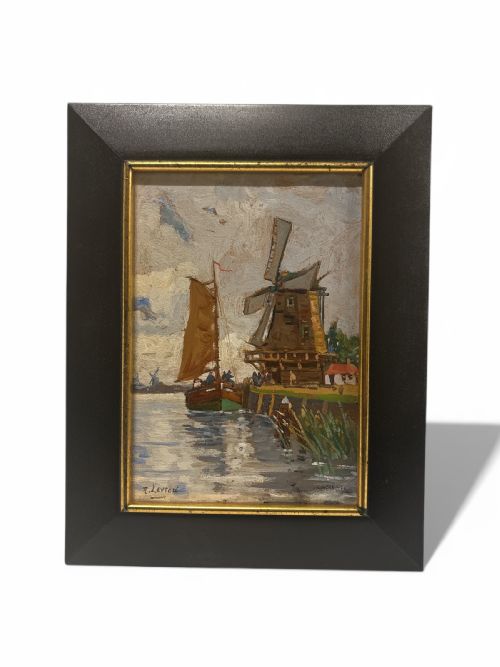
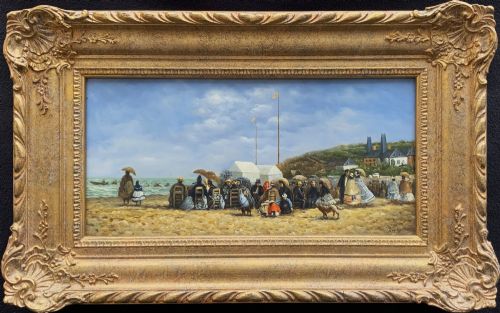


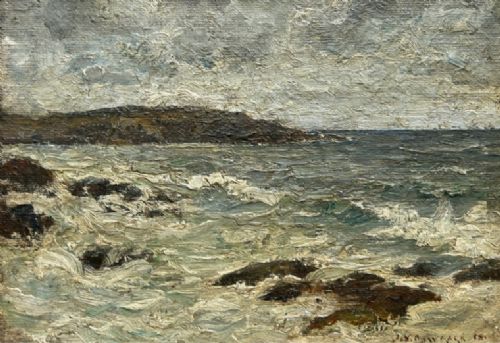
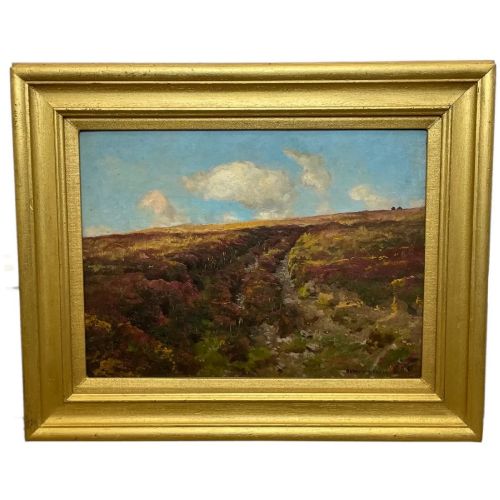
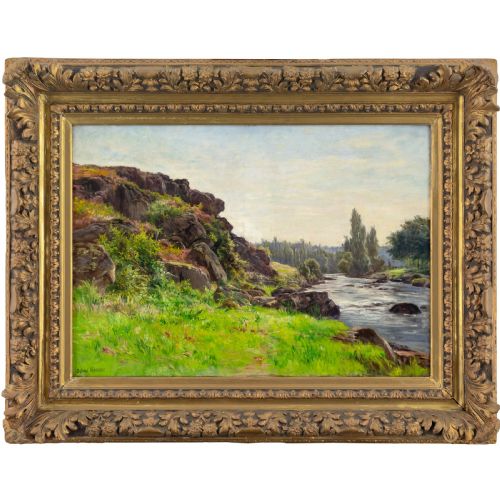
Impressionist Landscape Oil Painting
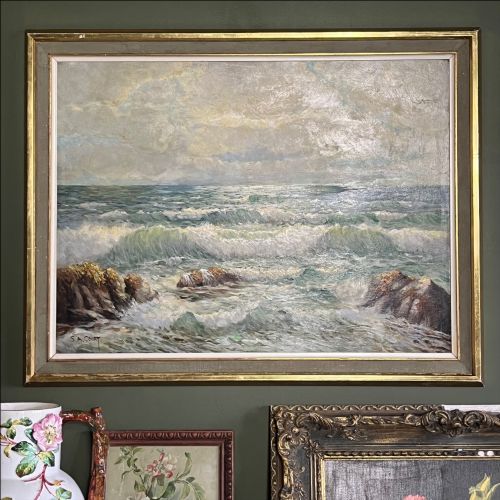
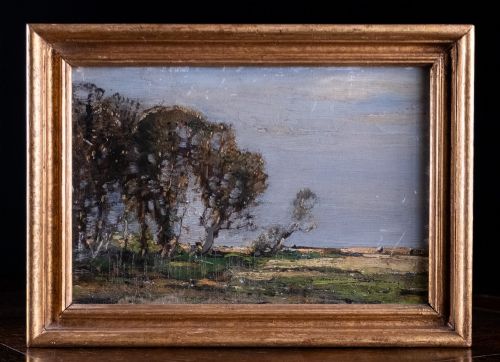
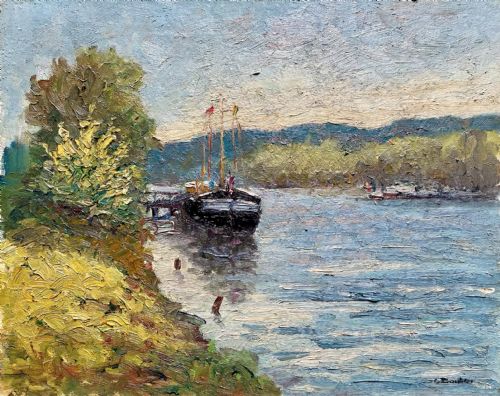
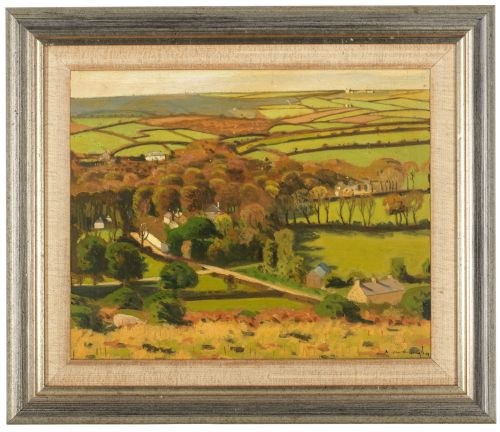
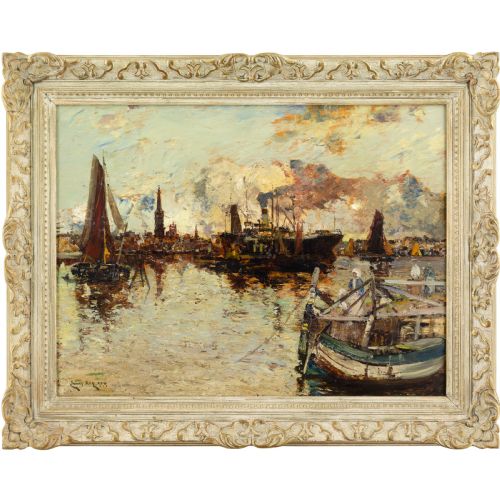
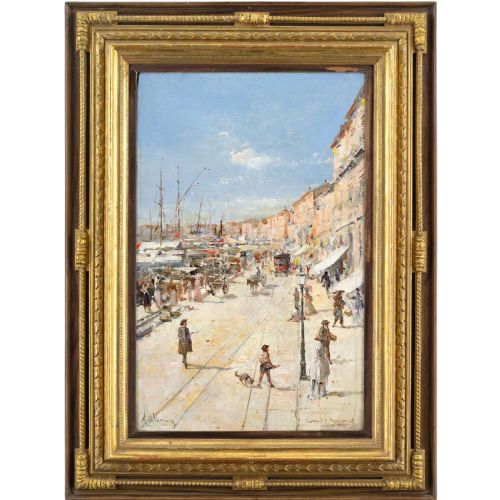
Impressionist landscape oil painting captures light and weather through visible brushwork, offering buyers a window into historic rural vistas.
Forms and Origins
An impressionist landscape oil painting focuses on outdoor scenery, capturing light, weather, and atmosphere through loose brushwork rather than rigid detail. These works emerge from various European and American schools, spanning Victorian origins into the mid-century modern era.
The pieces on this page include British regional views, such as Yorkshire and Huddersfield scenes, alongside continental European landscapes from France, Germany, Belgium, and the Netherlands. Buyers encounter works created across several decades, reflecting both local topography and broader artistic movements.
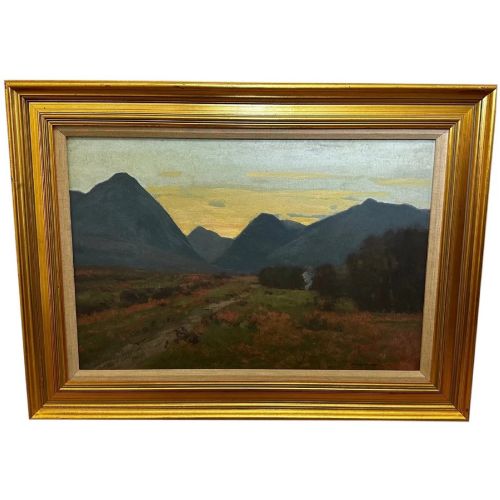
Subjects range from quiet pastoral fields and sheep-grazed meadows to snow-capped mountains, rural farmyards, and Dutch canals. Canvases appear alongside wood panels and board supports, offering diverse formats for wall art.
Qualities of Execution
The distinction between standard works and superior examples lies in the confidence of the brushwork and the handling of natural light across the scene. Stronger paintings demonstrate a deliberate command of tone and atmosphere that unifies the landscape.
Condition of the surface, stability of the paint layer, and the preservation of original framing elements also differentiate pieces within the collection.
Retail Price Guide 2026
Typical UK retail prices for impressionist landscape oil painting, calculated from the Sellingantiques database of over a million retail prices indexed since 2003. This retail price guide relies exclusively on Sellingantiques data; no external sources or auction records are used, so the figures do not describe the wider market.
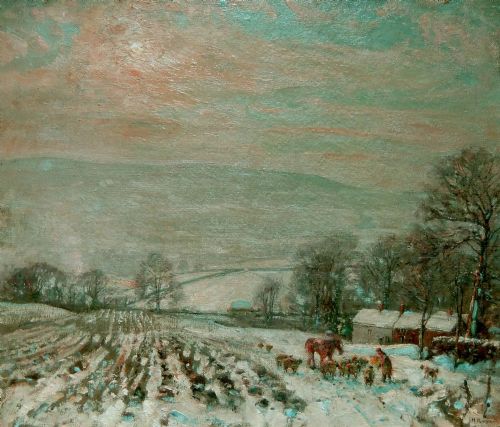
Several sheep and at least one peasant woman with cows populate these historic pastures.
James L. Brooke·Franz Reder-Broili·William Greaves·A. Michaelis·Joseph Vickers de Ville·Kershaw Schofield·Amédée Degreef·Andreas Moe·Eugene Boudin·Wilhelm Fritzel·Charles Menneret·Marcelle Delorme·Sylvie Plessy
The Impressionist Landscape Oil Painting Glossary
- Impasto
- Paint applied thickly to a canvas or panel, standing out in relief so that the marks of the brush or palette knife remain visible. This technique adds tactile dimension to foliage, water, or clouds.
- Panel
- A rigid support for painting, typically made of wood rather than stretched fabric. Artists frequently utilised panels for smaller outdoor oil sketches.
- Gilt plaster
- A decorative surface finish applied to frames, combining moulded plaster with a gold-coloured leaf or metallic coating. This material provides ornate borders for antique artworks.
- Provenance
- The documented history or known origin of an artwork, tracing its ownership from the creator to the present collection. Evidence of provenance helps confirm attribution and date.
Frequently Asked Questions
What defines an impressionist landscape oil painting?
These works capture momentary atmospheric effects and natural light through loose, visible brushstrokes rather than academic precision. Artists prioritise the overall visual impression of a scene over minute botanical or architectural accuracy.
Subjects typically focus on open-air scenery, including rivers, hills, forests, and rural fields, executed in oil paint on canvas, wood, or board.
How do I hang and display these paintings?
Display oil paintings away from direct sunlight and fluctuating heat sources, which can destabilise wood panels and canvas supports over time. Ensure walls can bear the weight, particularly for pieces housed in heavy gilt plaster frames.
Adequate ambient lighting enhances the visible texture of the brushwork and the depth of the oil pigments.
How are different periods identified?
Dating relies on stylistic evidence, framing materials, inscriptions, and artist signatures recorded on the reverse or front of the work. Victorian and Edwardian pieces often display tighter realism alongside early impressionistic tendencies, while mid-century works embrace bolder abstraction and impasto.
Supports also offer clues, as board and specific canvas preparations shifted across manufacturing eras.
Where were these landscape scenes painted?
The works originate from diverse regional and international locations, documented through titles and stylistic markers. British examples frequently depict Yorkshire, Huddersfield, and Lake District views.
Continental pieces record Dutch canals, French coastal and rural settings, German pastoral lakes, and Belgian farmyards.