




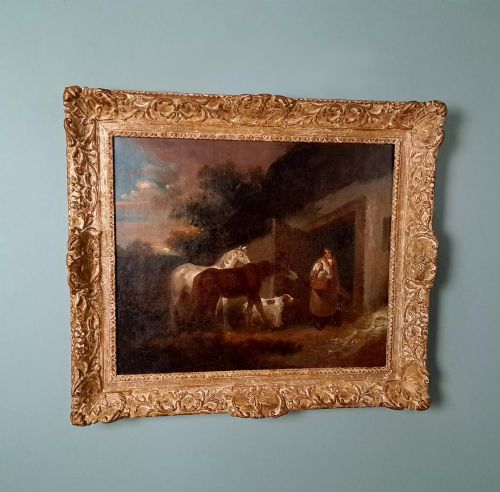
Original Landscape Oil Painting
An original landscape oil painting captures the changing moods of the countryside through pigment and touch, offering a tangible piece of history for collectors.
What original landscape oil paintings represent
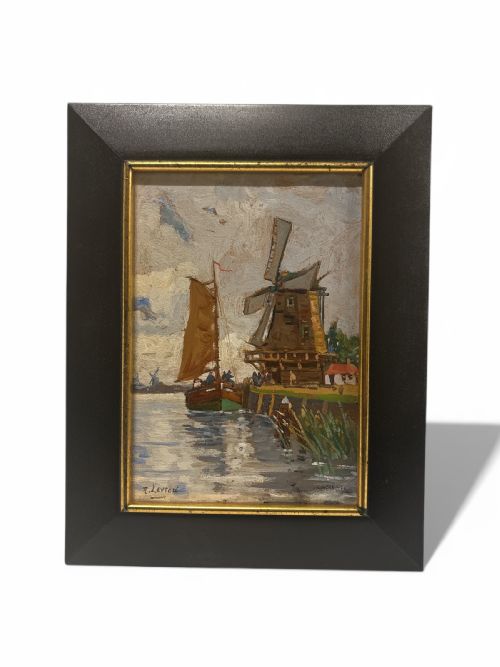
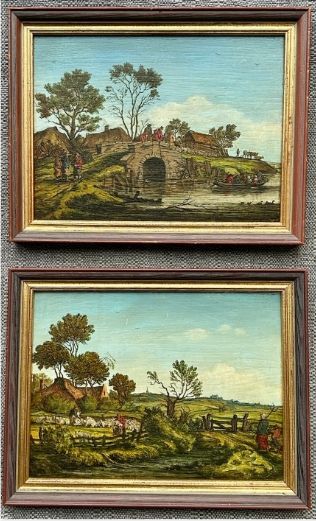
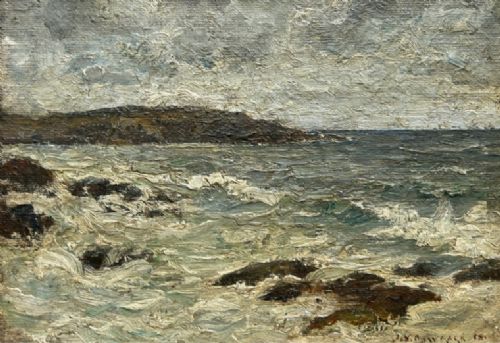
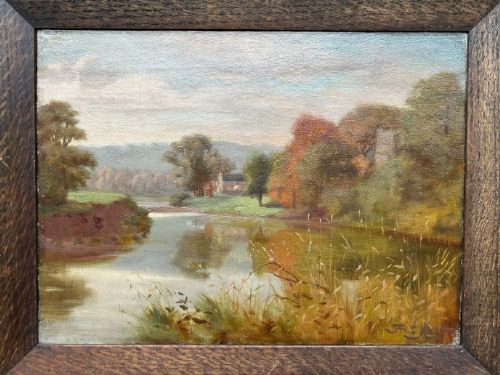
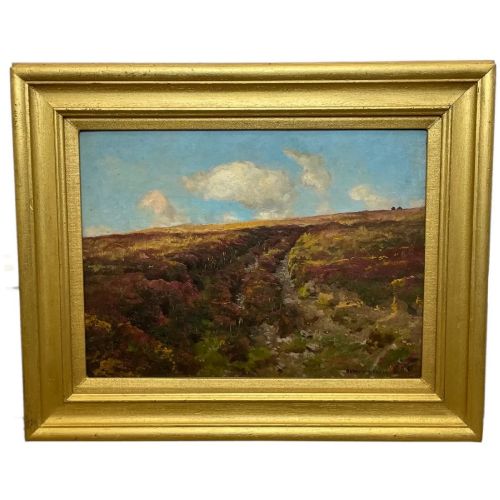
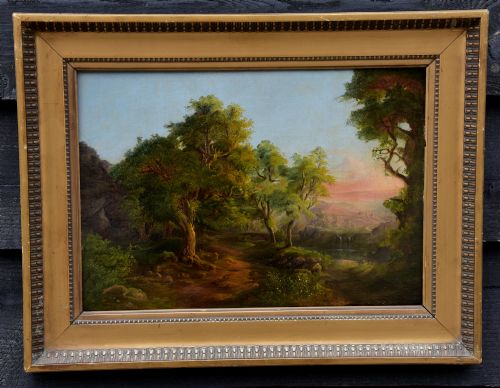
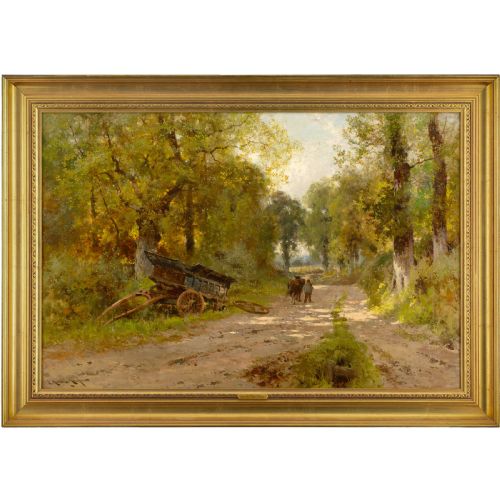
An original landscape oil painting records rural scenes, rivers, mills, and coastal views from the nineteenth and twentieth centuries. These works document specific locations across Britain and Europe, ranging from quiet Yorkshire farmyards to Scottish highlanders and Norfolk windmills.
The most common examples on this page date from the Edwardian era through the mid twentieth century, encompassing British Impressionism and the 20th Century British School. Painters of this period worked outdoors or in studios to interpret topography with direct, expressive brushwork.
Collectors encounter works on canvas, artist card, wood panel, and board, reflecting the diverse supports favoured by regional artists and academy painters alike. Each original landscape oil painting stands as a singular creation rather than a reproduction.
Materials and methods of construction
Artists applied oil paint to stretched canvas, wooden panels, canvas laid onto board, or artist card using bristle brushes and palette knives. This medium allowed for slow drying times, enabling painters to blend tones and build rich textures across the surface.
Support materials varied according to the scale and intention of the work, with sturdy wood panels and canvas boards offering rigid foundations for plein air excursions. Frames of carved wood or gilt finishes frequently accompanied these pieces to protect the edges and complement the composition.
Retail Price Guide 2026
Typical UK retail prices for original landscape oil painting, calculated from the Sellingantiques database of over a million retail prices indexed since 2003. This retail price guide relies exclusively on Sellingantiques data; no external sources or auction records are used, so the figures do not describe the wider market.
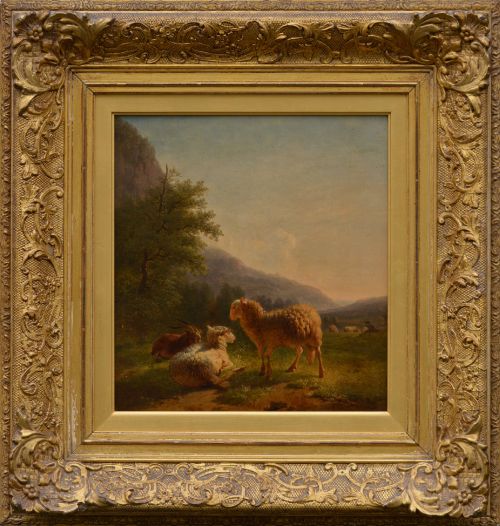
Several sheep and ducks persistently inhabit the foregrounds of early twentieth-century pastures.
Distinctions in execution and depth
Quality rests in the confidence of the brushwork, the management of light, and the structural integrity of the composition rather than the mere age of the piece. Superior paintings demonstrate a keen observation of atmospheric perspective and tonal harmony.
Lesser examples rely on formulaic repetition without engaging the specific qualities of the terrain. The finest works reveal an artist's deliberate choice of pigment to convey weather, texture, and distance within the landscape.
Eric Brown·William JB Jenkins·James L Brooke·Herbert Royle·Arthur W Newsholme·Ferdinand E Gröne·Oscar Perlasca·T H McKay·William Burns·Anthony Graham·James Fenton·Fernando Del Basso·Singleton Jowett·Percy Hipkiss·Majorie Hoare·A Wallace·Walter C Horsnell·David Cox Senior·J Bell·H Thomas·John Gilbey Bowles
The Original Landscape Oil Painting Glossary
- Canvas
- A heavy woven fabric stretched across a wooden frame to serve as a painting surface. This material provides natural give and a textured weave that interacts with layers of oil paint.
- Plein air
- The practice of painting outdoors directly from the subject to capture natural light and shifting weather. Artists during the nineteenth and twentieth centuries adopted this method to increase immediacy in rural views.
- Board
- A rigid flat support made from wood pulp or compressed material used instead of canvas. Many landscape painters favoured boards for smaller field studies due to their portability and durability.
- Impressionism
- A style focused on accurate depiction of light in its changing qualities and ordinary subject matter. British practitioners adapted these tenets to domestic pastoral and coastal scenes.
- Provenance
- The documented history of ownership surrounding a work of art. Records of past sales and studio origins help establish the authenticity and background of regional paintings.
Frequently Asked Questions
What periods do these paintings cover?
The available selection spans from the mid nineteenth century through the mid twentieth century, with a strong concentration of Edwardian and interwar pieces.
Artistic movements visible in the archive range from nineteenth-century realism to British Impressionism and twentieth-century regional schools.
Which supports were commonly used?
Artists utilised oil paint on traditional woven canvas, wooden panels, artist card, and rigid boards. Canvas laid onto board also appears among works designed for durability during transport.
Support choices often indicate whether a piece was painted outdoors on location or finished within a permanent studio setting.
How should these works be framed?
Many paintings retain their original wooden, carved, or gilded frames, which complement the period and style of the artwork. Preserving these historic housings maintains the historical integrity of the piece.
When framing unhoused boards or canvases, select mouldings that respect the depth and tonal range of the oil paint without overwhelming the composition.