

Antique Gilt Framed Picture
When you search for an antique gilt framed picture, you are looking at centuries of portraits, landscapes and mirrors held within gilded surrounds.
Antique Gilt Framed Picture
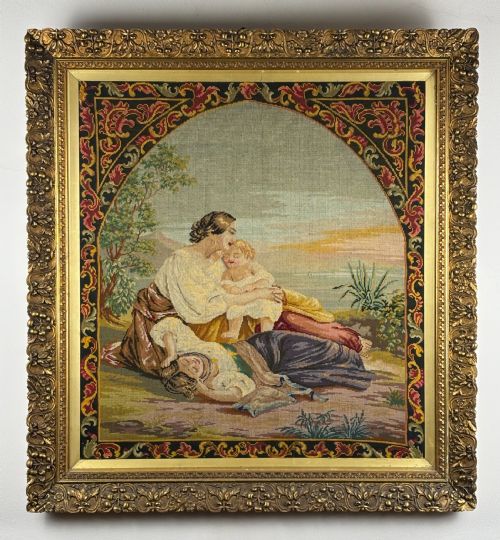
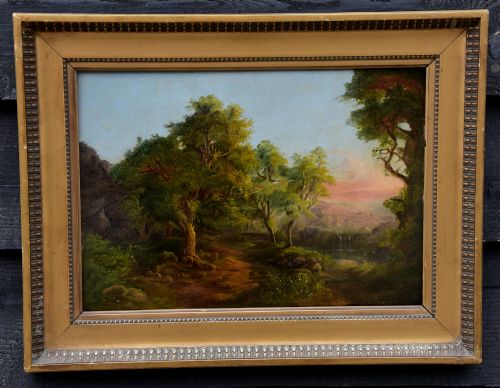
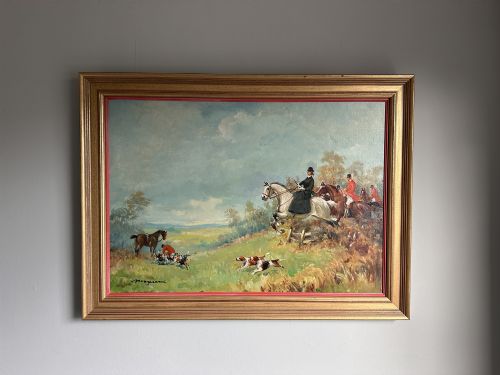
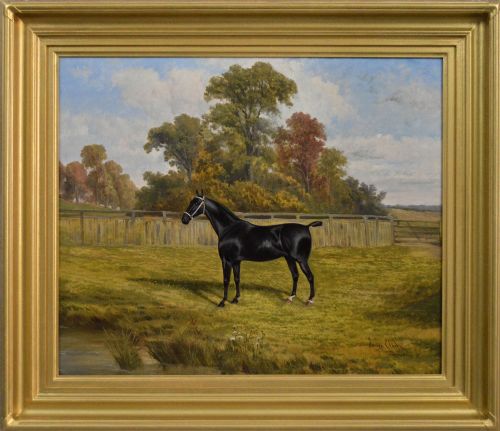
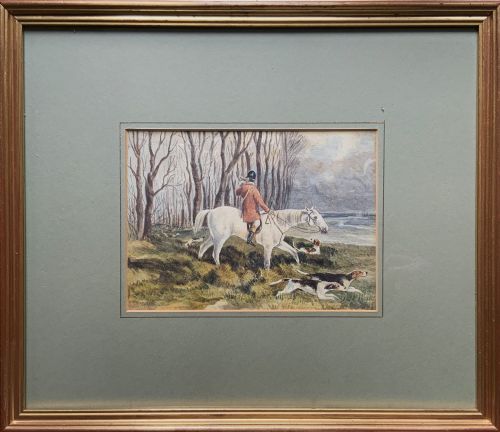
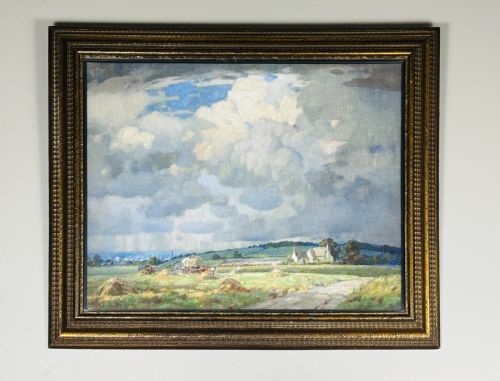
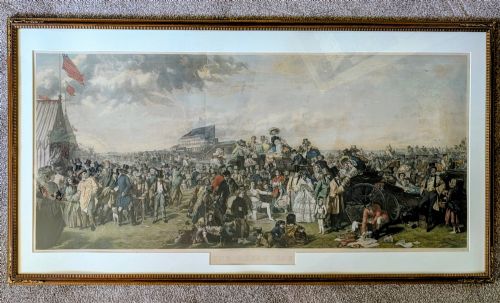
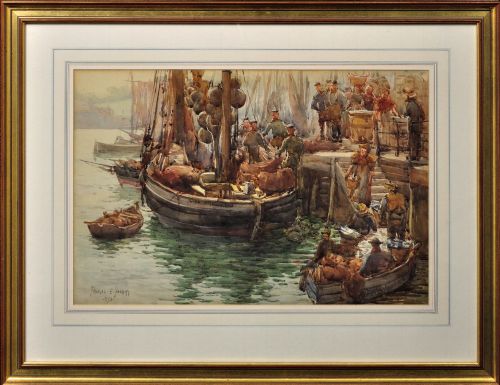
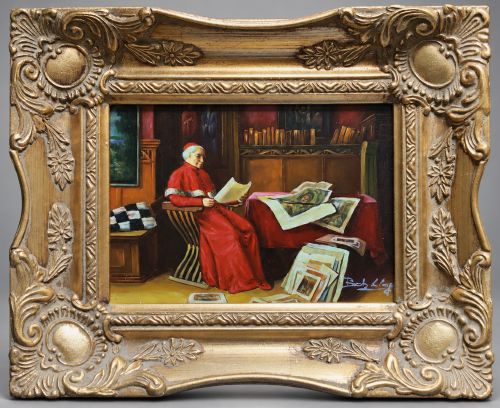
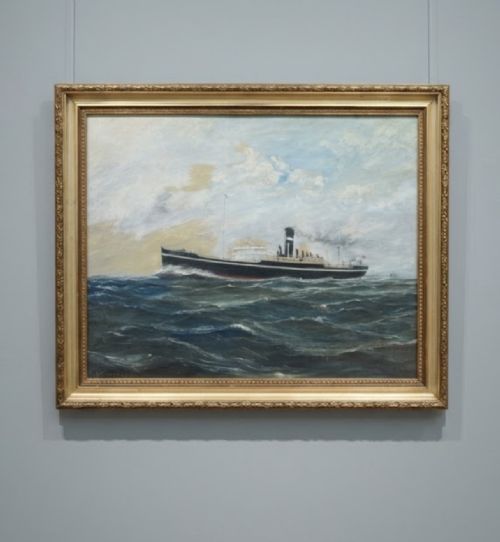
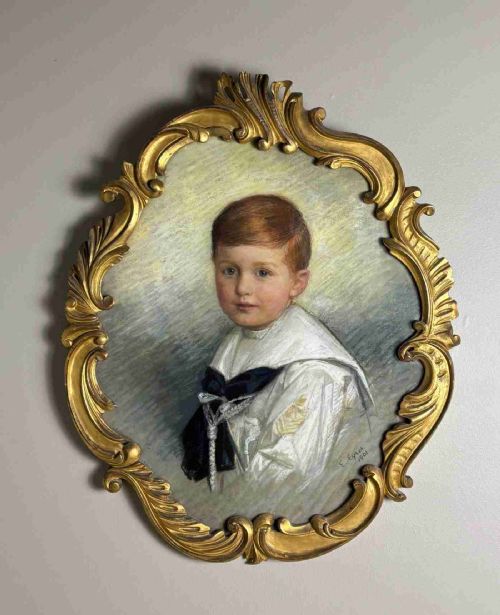
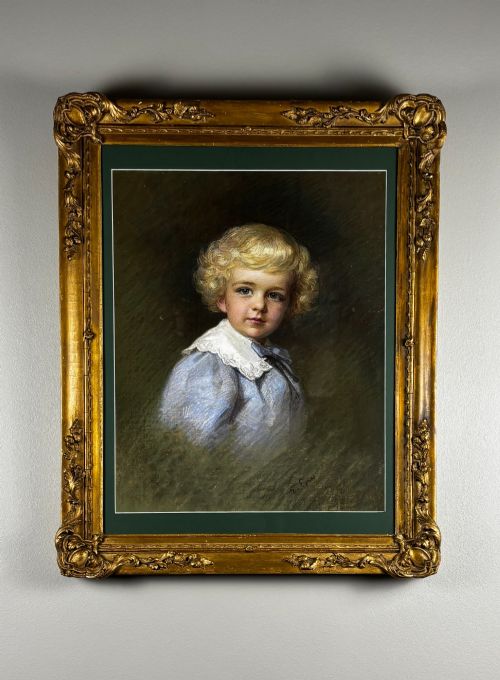
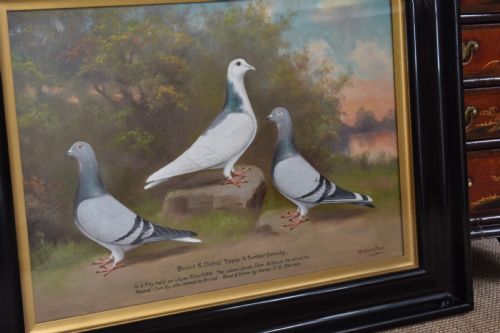
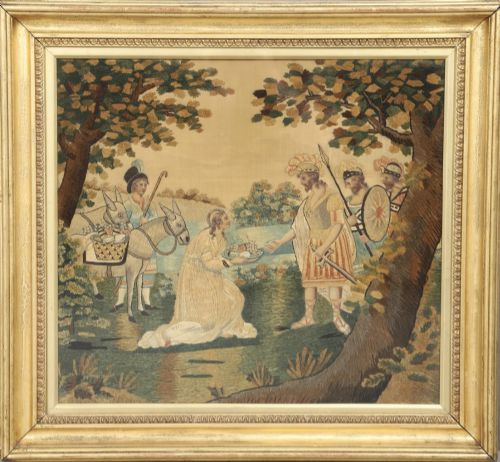
An antique gilt framed picture encompasses oil paintings, watercolours, engravings, mirrors and silhouettes enclosed in timber frames treated with gold leaf or metallic paint.
You will encounter pieces spanning from the seventeenth century through the Victorian era to the mid-twentieth century, with portraits and landscapes predominating.
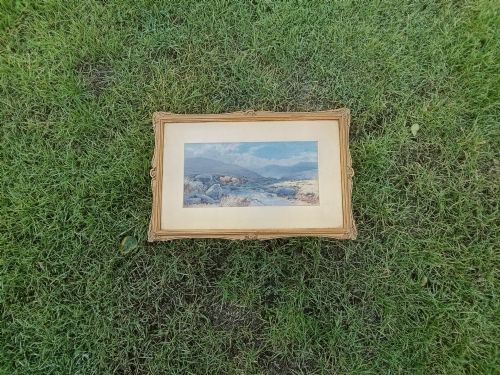
The artwork within these gilt surrounds ranges from eighteenth-century oil portraits of nobility to nineteenth-century watercolours and botanical studies.
How they were made
Makers constructed the primary supports from wood, canvas and paper, applying oil paints, watercolours, pastels and ink by hand.
Surrounds utilise timber bases coated in gold leaf, giltwood or gesso, often embellished with moulded leaf patterns or carved details.
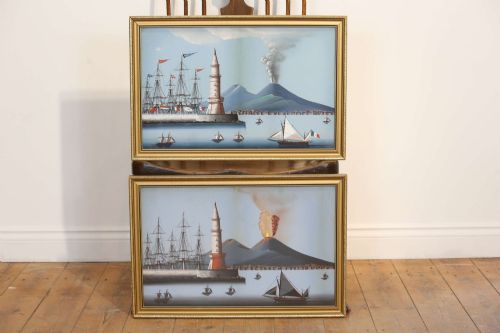
Artists created the imagery using traditional techniques such as oil on canvas, reverse painted mezzotint and hand-coloured engraving.
Antique Gilt Framed Picture Retail Price Guide 2026
Typical asking prices for gilt framed picture among the pieces listed under this phrase on Sellingantiques today, from the lower quarter to the upper quarter. They describe what is for sale here now, not the wider market.
Listings feature works created across four centuries, encompassing oils, watercolours, engravings and silhouettes.
What varies in quality
The finesse of the gilding and the depth of the carved or moulded ornamentation on the timber surround distinguish standard frames from exceptional examples.
The skill of the artist, evident in the handling of proportion, expression and brushwork within the painting or drawing, dictates the standing of the work.
The integrity of the pairing between artwork and surround, particularly when both retain their original period characteristics, elevates the piece.
Sir Godfrey Kneller·William James Hubard·George Fotherly Hargitt·Sir Anthony van Dyck·Sir Peter Lely·Charles Spooner·Sir Joshua Reynolds
The Antique Gilt Framed Picture Glossary
- Giltwood
- Wood that has been prepared and coated with thin sheets of gold leaf. This finish creates a warm, reflective surface characteristic of formal antique frames.
- Gesso
- A plaster-like mixture applied to wood frames as a base for gilding. Artisans carved intricate decorative motifs directly into this layer.
- Engraving
- A printmaking technique where an image is incised into a metal plate. Impressions are then transferred onto paper and frequently hand-coloured afterwards.
- Trumeau
- A decorative wall mirror combined with an oil painting set into the upper section. This French style gained popularity during the eighteenth and nineteenth centuries.
Antique Gilt Framed Picture: Frequently Asked Questions
How do I date a gilt frame?
Examine the construction joints, the profile of the timber moulding, and the composition of the gesso layer beneath the gold leaf. Earlier frames often feature hand-carved wooden details, while later nineteenth-century examples rely more heavily on moulded compo ornaments.
Inspect the backboards and fixings as well, since original screws, handmade nails and old paper labels offer reliable clues to the decade of manufacture.
Can I hang oil paintings near windows?
Direct sunlight causes significant fading to paper, watercolours and oil pigments over time. Position your gilt framed picture away from intense south-facing light to protect the delicate colours.
Stable room temperatures also prevent the wood and gesso from expanding and contracting, which helps stop the gilt surface from cracking or flaking.
What is a reverse painted mezzotint?
This technique involves applying pigments directly to the reverse side of glass or a prepared translucent sheet, often incorporating a printed mezzotint base. The resulting image displays a distinctive luminosity when viewed from the front.
These pieces required immense precision because the artist had to paint the foreground details first before working on the background layers.