





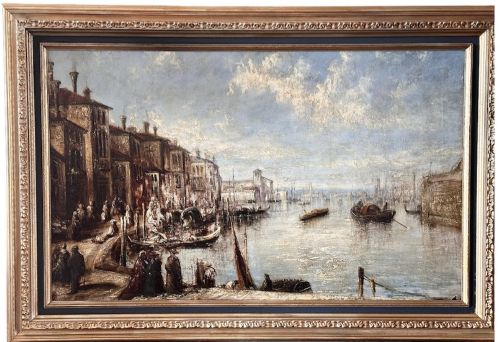

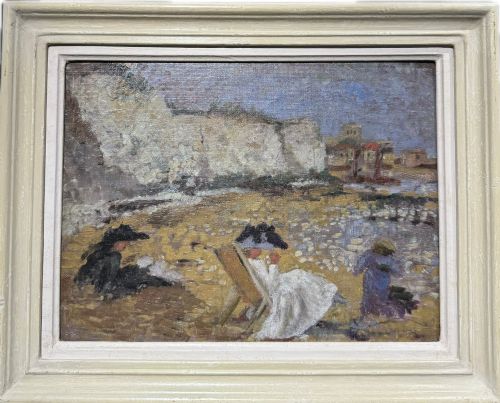
Gold Frame Seascape Painting
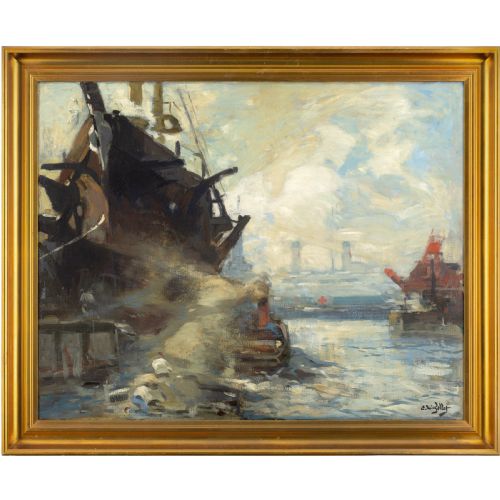
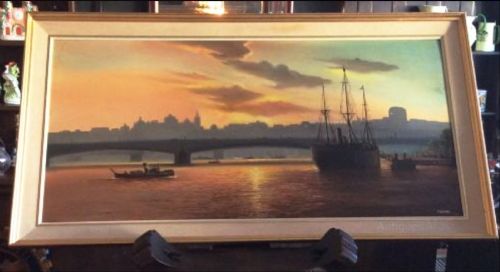
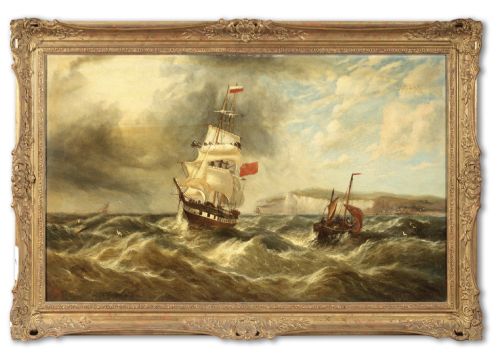
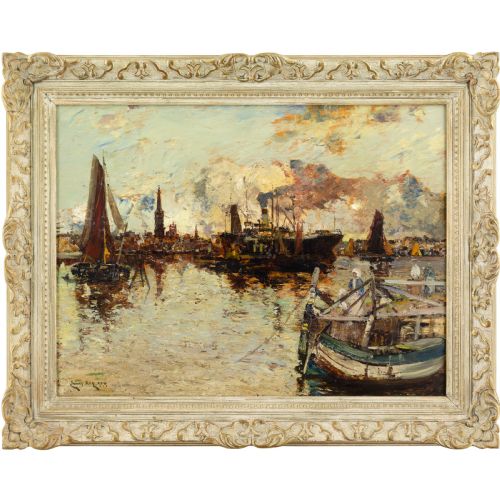
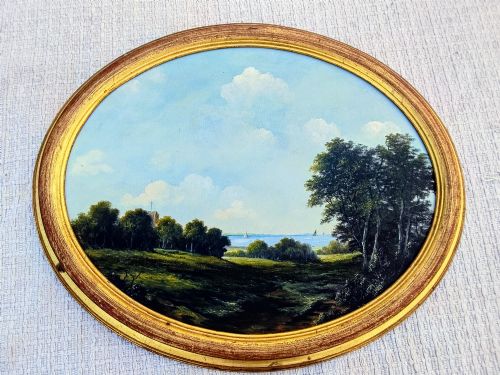
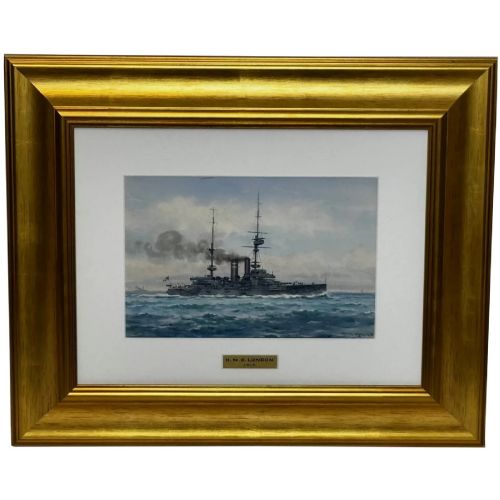
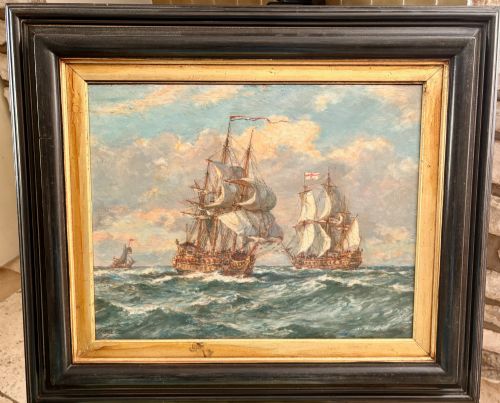
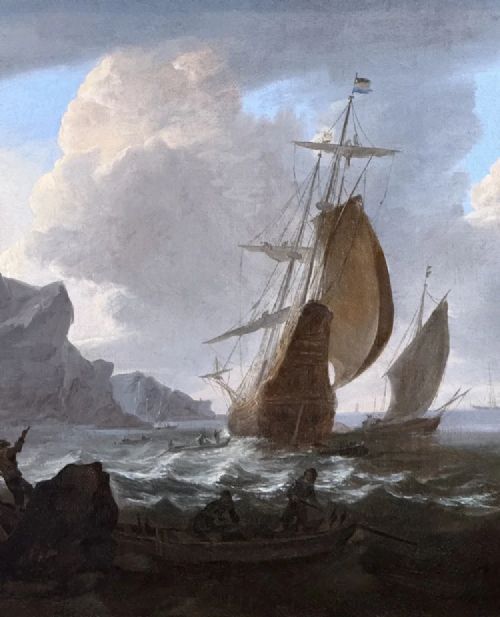
A gold frame seascape painting brings the motion of nineteenth century coastal waters indoors within a heavy gilt surround.
What these pieces are
A gold frame seascape painting captures maritime life, coastal views, and harbour scenes across the nineteenth century and into nineteen ten. These works record fishing boats, lighthouses, and ships under oil paint upon canvas and board.
The domestic scale ranges from quiet Venetian canals to busy British harbours populated by flither pickers and fishermen. Each canvas relies on traditional marine art traditions spanning Victorian realism and continental scenes.
Buyers encounter oil paintings enclosed in ornate gesso and gilded wood surrounds that define the period aesthetic. The compositions vary from intimate depictions of Penzance and St Michael's Mount to wider maritime vistas.
How they were made
Artists built these works using oil paint applied to stretched canvas or rigid board supports. Pigments were worked with brushes to capture the shifting light on water and the textures of wooden vessels.
Frames were constructed from timber, then finished with layers of gesso to build up decorative moulding details before receiving a coat of gold leaf or gilding. This labour intensive process created heavy surrounds designed to protect and enhance the artwork.
Retail Price Guide 2026
Typical UK retail prices for gold frame seascape painting, calculated from the Sellingantiques database of over a million retail prices indexed since 2003. This retail price guide relies exclusively on Sellingantiques data; no external sources or auction records are used, so the figures do not describe the wider market.
The current selection spans the nineteenth century up to nineteen ten, executed in oil on canvas and board within gesso frames.
What varies in quality
The distinction between standard works and superior pieces rests on the handling of light, atmosphere, and the fidelity of maritime detail by named artists. Skilled brushwork brings movement to the sea and authenticity to the rigging of ships.
The construction and depth of the gilt wood and gesso frames also dictate the overall character of the piece. Deeply moulded surrounds with intact gilding elevate the presentation of the canvas significantly.
William Henry Williamson·John Callow·Robert Farren·William Edward Webb
The Gold Frame Seascape Painting Glossary
- Gesso
- A plaster mixture applied to wooden frames as a base for gilding. This material allows intricate relief patterns to be carved or moulded before the gold leaf is laid.
- Gilt wood
- Timber frames covered with a thin layer of gold leaf or metallic gilt. This finish provides the characteristic metallic gleam associated with period picture framing.
- Oil on canvas
- Pigments bound in drying oils applied to a woven fabric stretched across a wooden frame. This medium permits subtle blending and rich colour depth.
- Marine art
- Paintings that focus on ships, the sea, and coastal topography. This genre demands precise knowledge of nautical architecture and maritime weather.
- Flither pickers
- Coastal gatherers who collected limpets and other shellfish for bait along the shore. This subject appears in regional nineteenth century genre and marine painting.
Frequently Asked Questions
How do I clean the gold frame?
Dust the gesso and gilded surfaces gently with a soft, dry brush to prevent accumulation. Avoid all liquid cleaners and moisture, which can damage the fragile historic finish.
Keep the frame away from direct sunlight and heat sources to preserve the integrity of the wood and the underlying preparation layers.
Where should I hang a seascape?
Select a wall with stable ambient temperature and humidity away from direct radiators or damp patches. This protects both the canvas support and the wooden frame from warping.
Position the painting at eye level where natural daylight can illuminate the brushwork and the texture of the oil paint without causing heavy glare.
Are these frames original?
Many nineteenth century works retain their contemporary gilt wood or gesso surrounds, which were chosen to complement the domestic display of the period. Subtle wear and minor losses to the gilding often confirm the age of the piece.
Inspect the mitres and the backing of the frame to understand its relationship to the canvas over time.
What subjects are depicted?
The compositions focus on British and continental harbours, shipping lanes, and coastal workers such as fishermen and bait gatherers. Scenes range from specific locations like Portsmouth and Penzance to broader maritime vistas.
Each painting documents the working life of the sea during the Victorian era and the early twentieth century.