





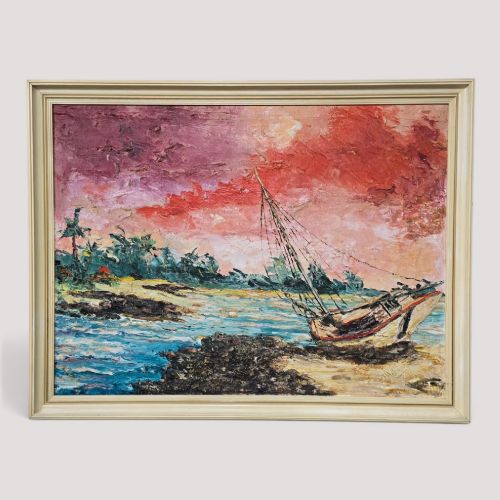
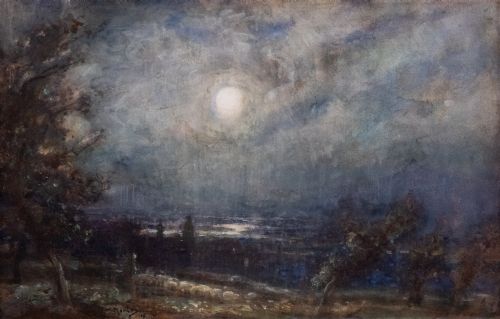
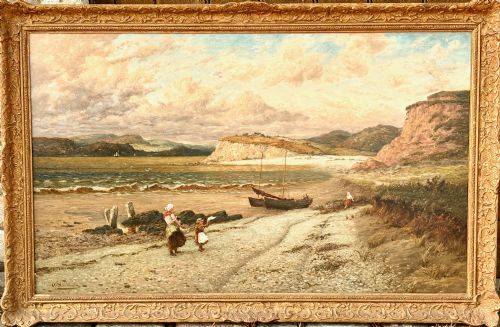
Coastal Seascape Painting
A coastal seascape painting captures the light, motion and enduring character of the shore, making it a focal point of maritime history in any room.
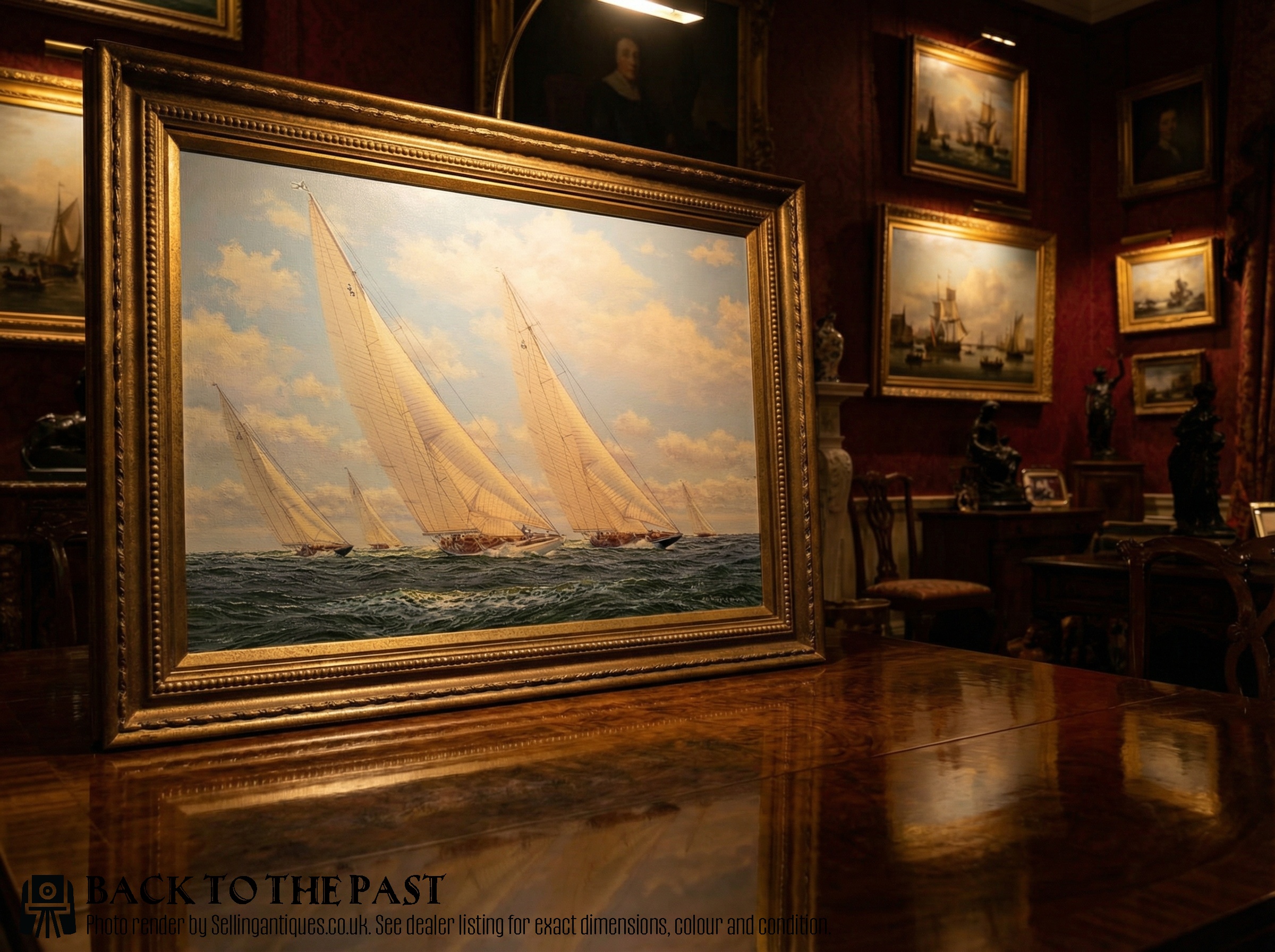
Coastal Seascape Painting
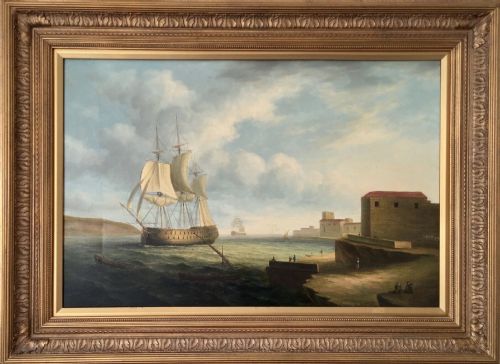
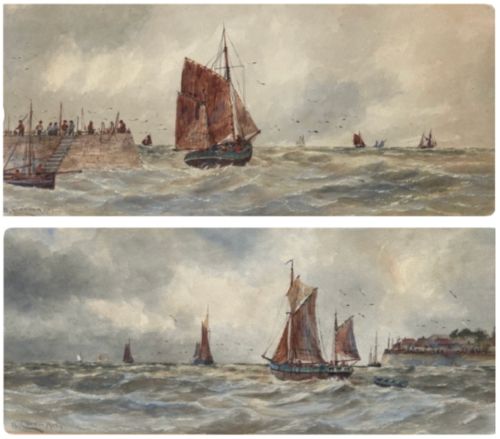
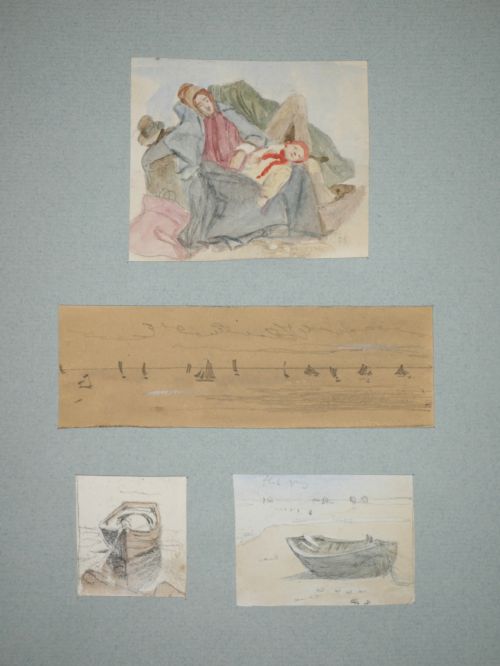
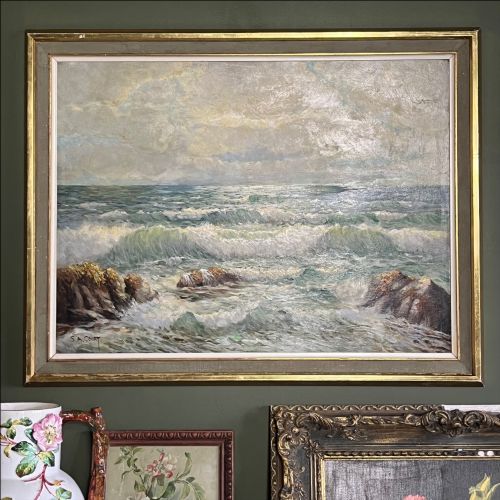
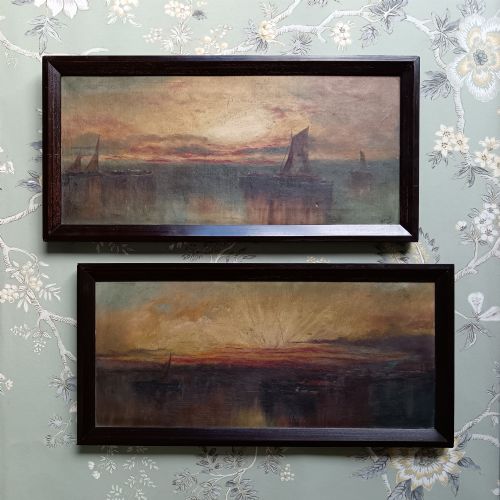
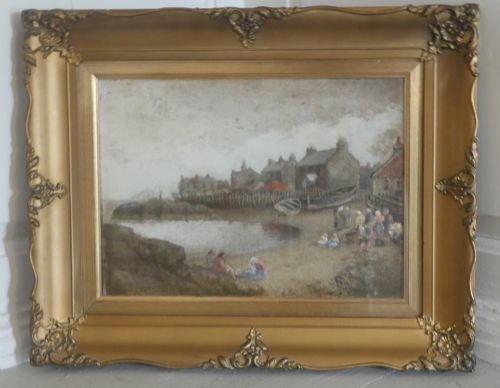
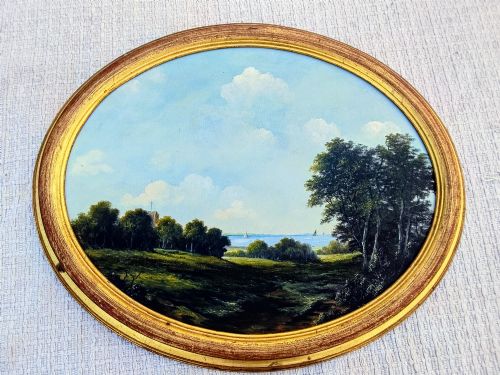
A coastal seascape painting records harbours, fishing vessels, rocky cliffs and open waters across the nineteenth and twentieth centuries. These works range from tightly detailed Victorian marine art to looser, textured British Impressionism and mid-century views painted on board or canvas.
The subjects span Cornish fishing villages, Scottish shores and continental ports, reflecting a long fascination with maritime life. Buyers encounter works produced in oil or watercolour, framed in period gilt wood or simple original surrounds.
Materials and Technique
Painters used oil paint on canvas or wooden panel to build rich, layered surfaces that capture the heavy atmosphere of the sea. Watercolour on paper was favoured for lighter, transparent effects depicting coastal mists and bright estuaries.
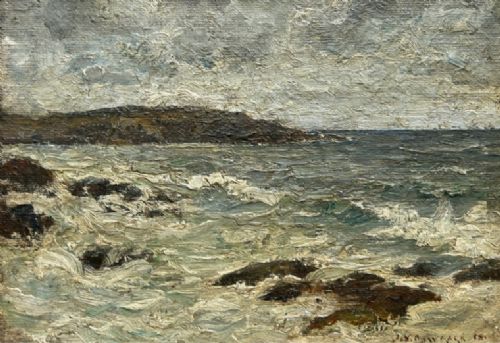
Artists often worked en plein air directly on the shore, applying impasto brushstrokes or thin washes to record shifting light conditions and changing tides.
Coastal Seascape Painting Retail Price Guide 2026
Typical asking prices for coastal seascape painting among the pieces listed under this phrase on Sellingantiques today, from the lower quarter to the upper quarter. They describe what is for sale here now, not the wider market.
Several canvases record stubborn seagulls perched atop old pilings, apparently unimpressed by the artistic effort unfolding on the shore.
Evaluating Quality
Quality rests in the artist's handling of light, atmosphere and spatial depth rather than the mere subject matter. Stronger works demonstrate confident brushwork and precise observation of water movement, weather and coastal topography.
Condition plays a part, with well-preserved surfaces, original stretchers and appropriate period framing contributing to the integrity of the piece.
James Hardy·Kenneth Cozens·James Orrock·William Cannon·Clifford Hanney·Sidney A Court·B Nash·Edward Mills·William Banks Fortescue·Thomas William Morley·Bonaventura Peeters·Clive Browne·Peter Brannan·Hector Caffieri·Bernard Benedict Hemy·Thomas Creswick·Lucy Pratt·James Fry·Ethel Sands·TB Hardy·Cecil Allan Mould RI·Charles Euphraisie Kuasseg·John Wilson Carmichael·Joseph Farquharson·Erich Mercker
The Coastal Seascape Painting Glossary
- Impasto
- Paint applied thickly to a canvas or board, leaving visible brush or palette knife marks that add physical texture and catch the light. This technique is frequently seen in maritime works to render crashing waves and rough seas.
- En plein air
- The practice of painting outdoors to capture direct observations of natural light and atmosphere. It became widespread among nineteenth-century landscape and marine artists.
- Gilt wood
- Wood carved and covered with a thin layer of gold leaf or metal gilt, commonly used for nineteenth-century picture frames. These frames often complement the tonal warmth of oil paintings.
- Watercolour
- A paint consisting of pigment suspended in a water-based solution, typically applied to heavy paper. It allows for translucent washes suited to depicting hazy skies and calm coastal inlets.
- Marine art
- Artistic representation of the sea, ships, beaches and coastal settlements. This broad category encompasses calm harbour scenes and dramatic shipwrecks alike.
Coastal Seascape Painting: Frequently Asked Questions
How do I date an antique seascape?
Dating relies on stylistic clues, framing techniques, and the materials used by the artist. Canvas types, paper watermarks, and handwritten inscriptions on the reverse often provide reliable chronological markers.
Comparison with documented works by the same painter helps narrow down the decade of creation. Costume in figures and the rigging of depicted vessels offer further historical context.
What is the difference between oil and watercolour?
Oil paint offers a rich, opaque surface that can be built up in heavy layers to show dramatic texture. Watercolour uses transparent washes on paper, resulting in lighter and more luminous compositions.
Oils are typically stretched on canvas or mounted on board and framed behind glass less frequently than works on paper. Watercolours require protective glazing to prevent moisture and light damage over time.
Where were most British coastal scenes painted?
Painters favoured active fishing ports, rugged cliffs, and sheltered estuaries around the British coastline. Popular locations included the shores of Cornwall, Yorkshire, Devon, and the Thames Estuary.
Artists gathered in colonies at places like St Ives and Whitby, drawn by the distinctive coastal light and local maritime industries.
How should I care for a framed painting?
Keep paintings away from direct sunlight, high humidity, and rapid temperature fluctuations to prevent the canvas or paper from warping. Dust gently with a soft, dry brush without applying pressure to the paint surface.
Avoid using liquid cleaners on oil surfaces or paper. If re-framing is necessary, consult a professional conservator to ensure archival materials are used.