


Antique Tall Ship Painting
An antique tall ship painting captures the scale and movement of historical sailing vessels under canvas, appealing directly to maritime history enthusiasts.
Antique Tall Ship Painting
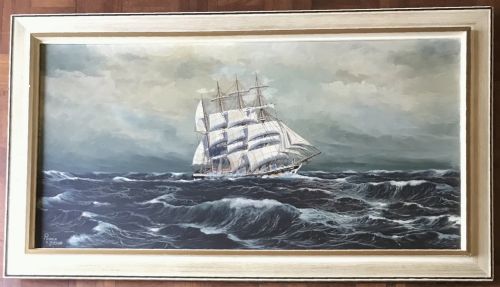
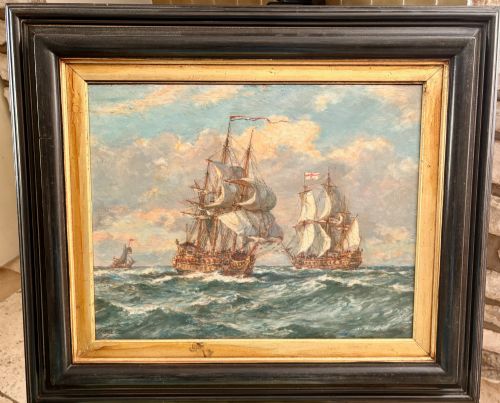
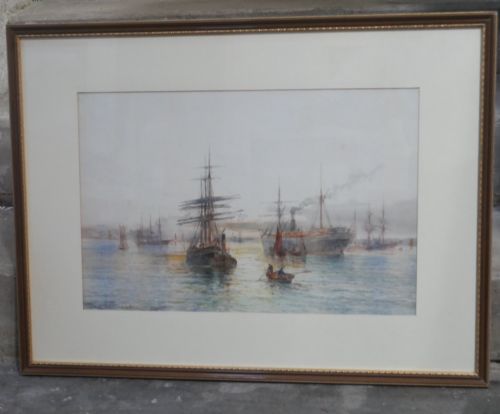
When you search for an antique tall ship painting, you encounter works depicting majestic sailing vessels, clippers, and barques upon the water. These pieces frequently document specific maritime locations such as Dublin Bay, Portsmouth Harbour, or the River Humber.
The selections available span periods from the Georgian era through the Victorian period and into the early twentieth century. You will find coastal scenes, ship portraits, and dramatic depictions of vessels in choppy waters.
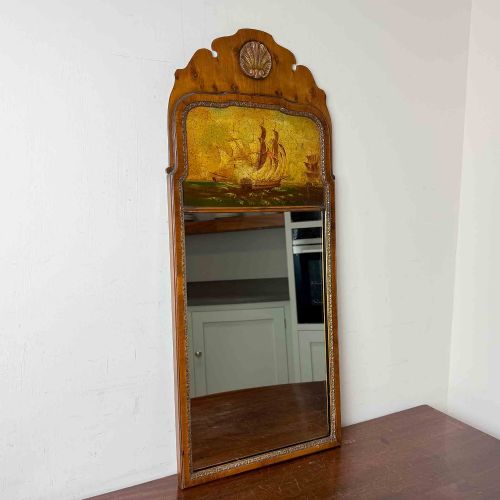
Beyond traditional canvases, the records show maritime subjects integrated into diverse objects, including mirrors and longcase clock dials. The core focus remains firmly on the depiction of sail power and naval architecture.
What varies in quality
The competence in rendering naval architecture and rigging accurately sets the finer works apart from simpler decorative pieces. An artist who understands how wind interacts with canvas creates a more convincing sense of motion.
Depth of colour and the handling of atmospheric light transform a basic record of a boat into a compelling visual piece. The preservation of the original paint layer and the quality of the supporting wood or canvas dictate the longevity of the physical object.
Antique Tall Ship Painting Retail Price Guide 2026
Typical asking prices for tall ship painting among the pieces listed under this phrase on Sellingantiques today, from the lower quarter to the upper quarter. They describe what is for sale here now, not the wider market.
Some maritime scenes hide inside longcase clocks, where automated wooden ships rock back and forth as the clock ticks.
Bernard Gribble·William Frederick Settle·John Callow·Frank Wood·Joseph Heard·John Sly of Weymouth·Rowland H Hill·Henry Scott Tuke·Stephen Brownlow
The Antique Tall Ship Painting Glossary
- Barque
- A sailing vessel with three or more masts, having the fore and mainmasts square-rigged and the mizzenmast fore-and-aft rigged. This configuration was common for long-distance cargo transport.
- Clippers
- Fast sailing ships with three masts and a large sail area, designed for high speed. They frequently appear in nineteenth-century maritime art.
- Giltwood
- Wood carved and covered with a thin layer of gold leaf, commonly used for traditional picture frames. It adds a warm metallic border to the artwork.
- Seascape
- A work of art that depicts the sea, ships, and coastal views. These pieces focus on the interplay between water, weather, and vessels.
- Watercolour
- A paint consisting of pigment suspended in a water-based solution, typically applied to paper. This medium allows for transparent washes that suit bright marine skies.
Antique Tall Ship Painting: Frequently Asked Questions
What is an antique tall ship painting?
It is a visual representation of historical sailing vessels, created primarily during the nineteenth and early twentieth centuries.
These artworks record specific ships, naval engagements, and busy trading ports using oil or watercolour.
How do I identify the age of the painting?
Age is typically identified through the materials used, the style of the frame, and the type of canvas or panel.
Signatures, artist records, and the specific riggings of the depicted vessels also help narrow down the period.
Where were these maritime scenes painted?
Artists often painted directly from British and European coastal locations, harbours, and naval stations.
Many works document specific historical ports like Portsmouth, Falmouth, and Dublin Bay.
How should I display a marine painting?
Display the artwork away from direct sunlight and excessive moisture to protect the oil paint or watercolour pigments.
Ensure the wall mounting securely supports the weight of the heavy wooden or gilt frames.