



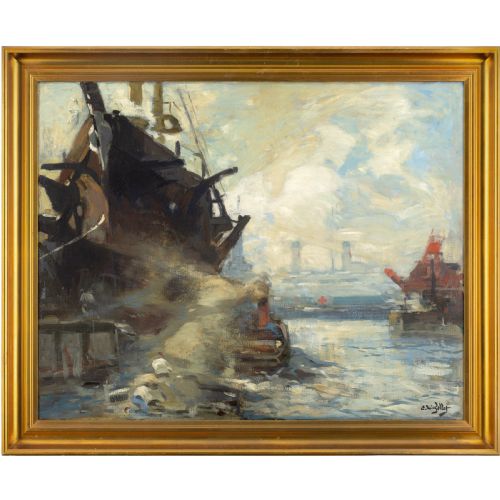
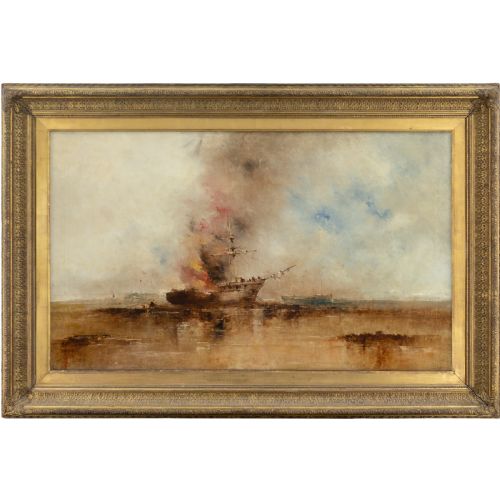
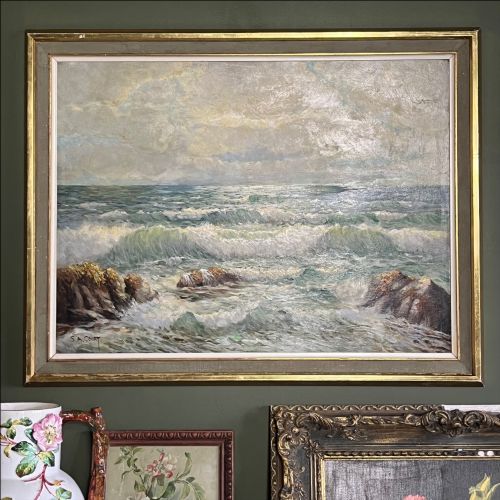
Antique Seascape Art
Antique seascape art captures the restless motion of coastal tides, working vessels and dramatic naval engagements through historic brushwork.
Antique Seascape Art
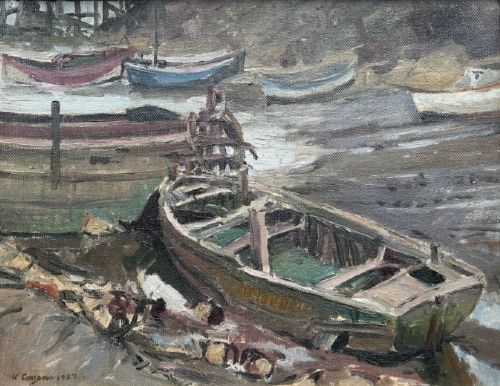
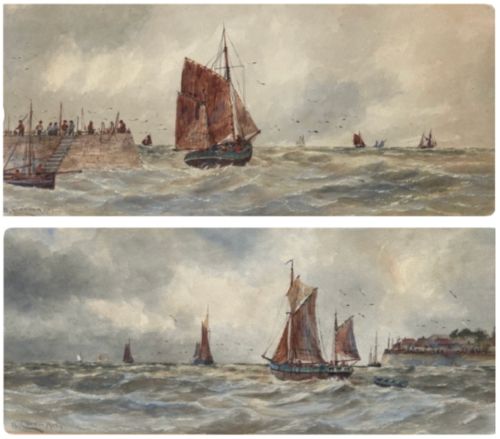
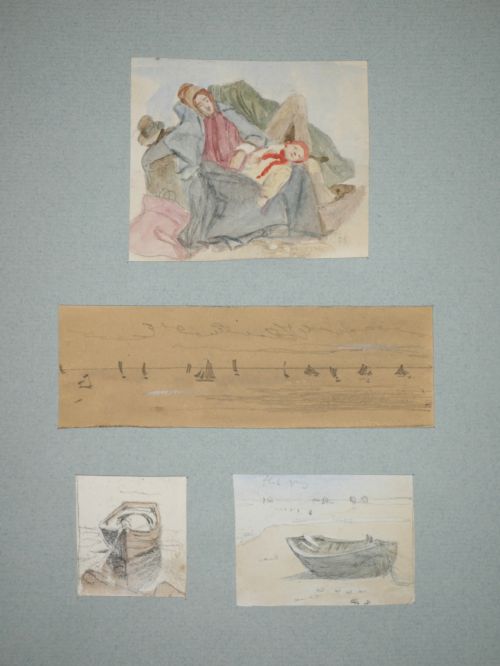
Antique seascape art encompasses paintings, watercolours and works on paper centred on marine views, coastal harbours and maritime vessels.
Buyers most frequently encounter nineteenth-century and early twentieth-century pieces depicting British shores, fishing fleets and merchant shipping.
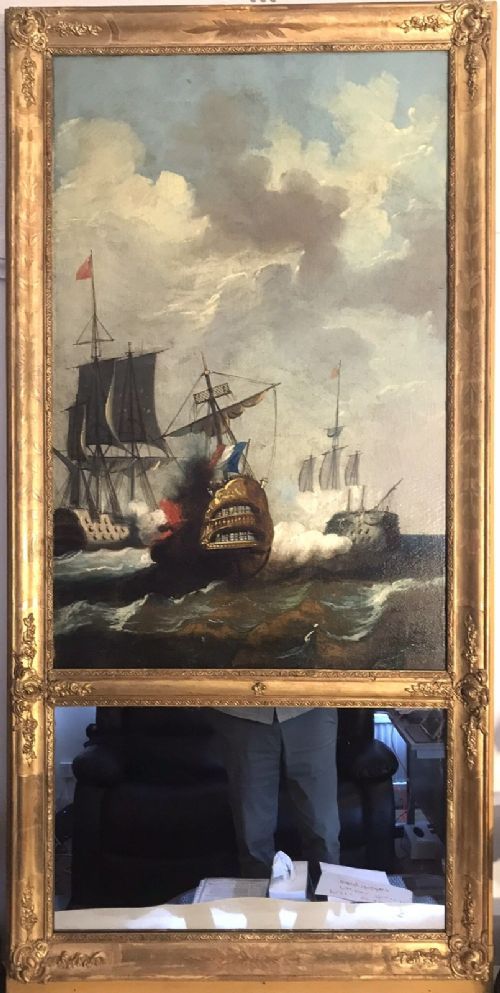
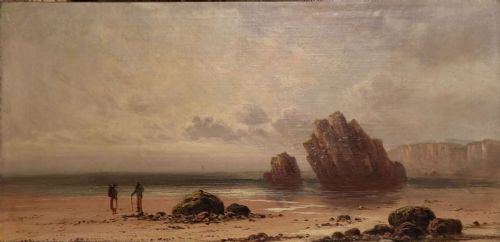
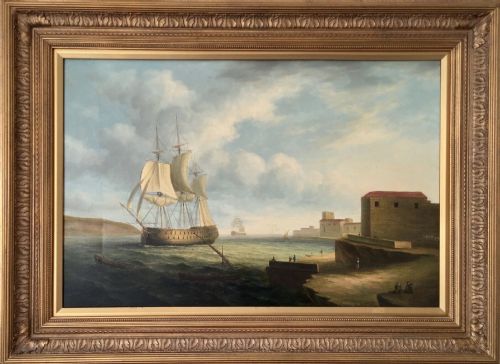
Subjects range from calm coastal inlets and Venetian canals to tumultuous storms and naval warships under full sail.
Materials and technique
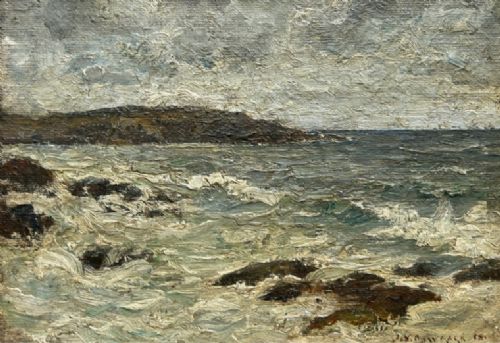
Artists deployed oil paint upon canvas, wood panels and board, building rich textures alongside fluid watercolours applied to paper.
Gilt wood framing remains a common historic presentation for these maritime works, complementing the palette of sea and sky.
Listings feature works spanning from the nineteenth century through the Edwardian period, executed in oil and watercolour.
Judging the standard
Quality rests upon the artist's command of shifting light, atmospheric conditions and the convincing movement of water against hulls.
Stronger pieces display confident brushwork and precise technical knowledge of rigging and vessel construction, avoiding static composition.
Eugène-Louis Gillot·William McAlpine·Thomas William Morley·Frank William Scarbrough·John Wilson Carmichael
The Antique Seascape Art Glossary
- Impasto
- Paint applied thickly to a canvas or board, creating a palpable texture that catches light and suggests churning waves.
- Panel
- A flat piece of wood used as a rigid painting surface rather than stretched fabric.
- Gouache
- An opaque water-based paint that allows for dense highlights and solid blocks of colour in maritime watercolours.
- Provenance
- The documented history of a piece, tracing its past ownership and exhibition record.
- Maritime
- Pertaining to ships, shipping and the sea, encompassing both commercial and naval subjects.
Antique Seascape Art: Frequently Asked Questions
What subjects appear in these seascapes?
The works depict a wide array of maritime subjects, including bustling harbour scenes, fishing boats returning to port and merchant ships navigating coastal waters.
Stormy weather, shipwrecks and naval warships also feature prominently alongside tranquil river views and Venetian canals.
How do I care for antique watercolours?
Watercolours on paper require protection from direct sunlight to prevent the pigments and washes from fading over time.
Displaying them away from moisture and using acid-free mounting materials helps preserve the integrity of the paper.
How should I display these paintings?
These pieces suit spaces with stable temperature and humidity levels, avoiding walls that receive direct heat from radiators.
Matching the period frame to the interior helps anchor the work within a room while protecting the edges of the canvas or board.
Can I identify the ship types depicted?
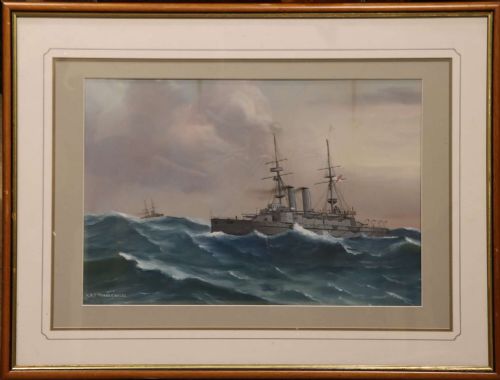
Many nineteenth-century maritime works record specific vessel types, such as three-masted schooners, wooden barques and steamships.
Artists with naval interests paid close attention to rigging, flags and hull design to ensure contemporary accuracy.