

Maritime Oil Painting
A maritime oil painting antique brings the movement of water and the detail of historic vessels onto canvas.
Maritime Oil Painting
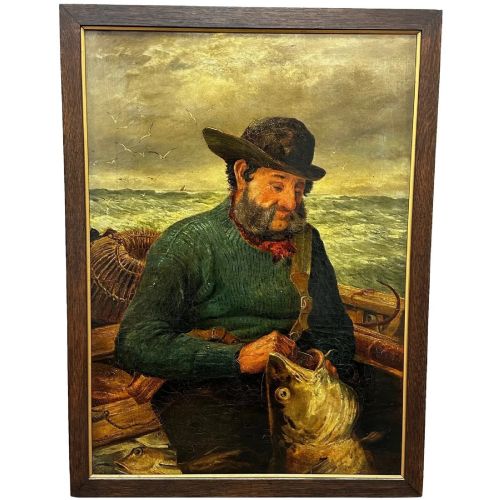
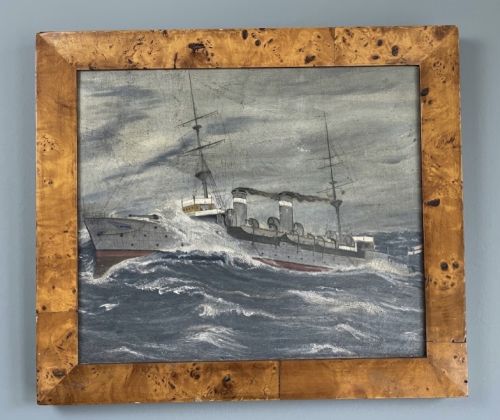
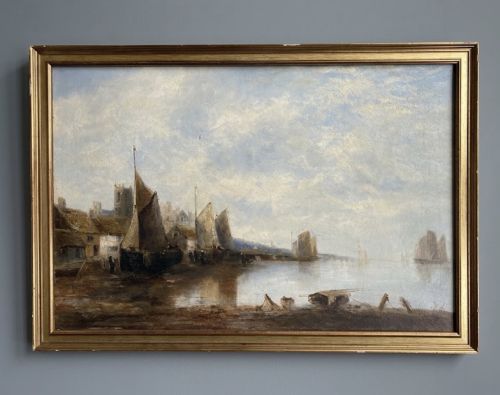
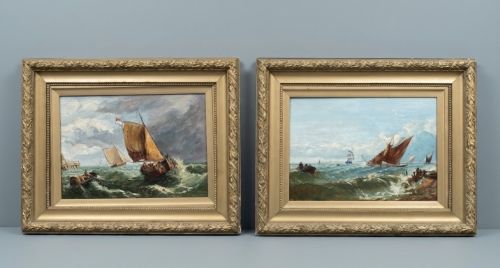
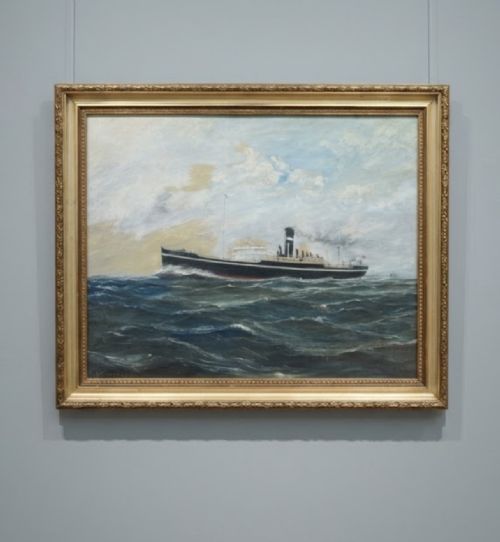
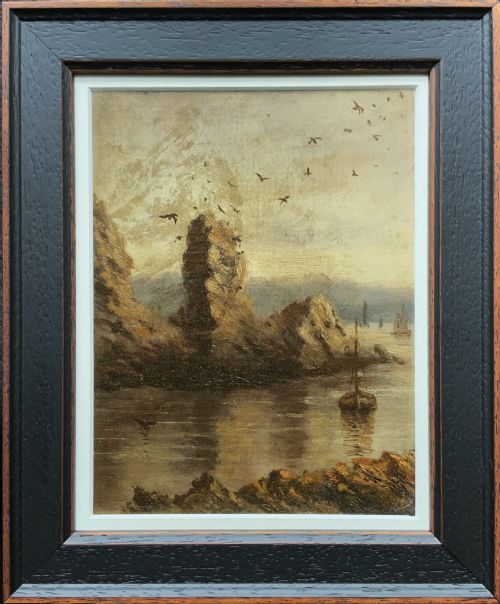
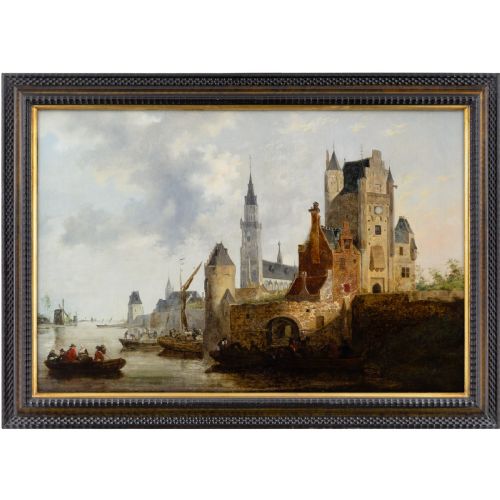
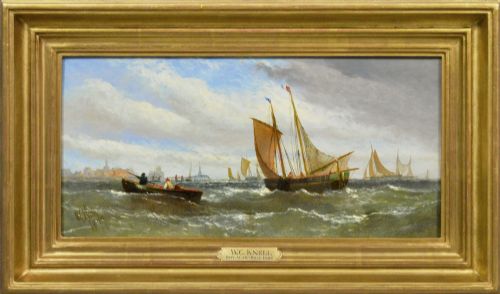
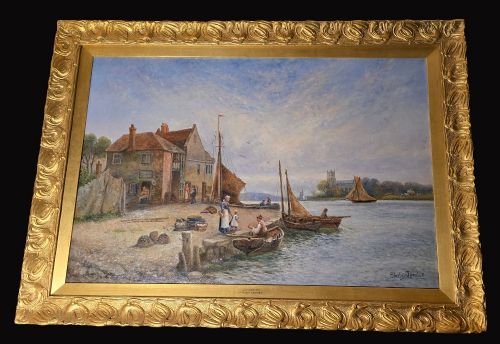
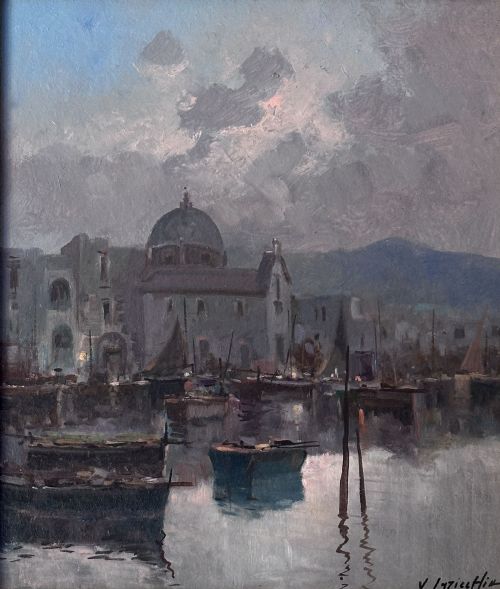
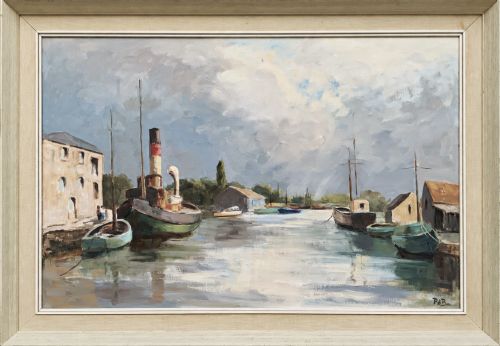
A maritime oil painting antique captures scenes of harbours, coastal views, and naval encounters from past centuries. These works range from small board studies to large canvases depicting named vessels and dramatic coastal storms.
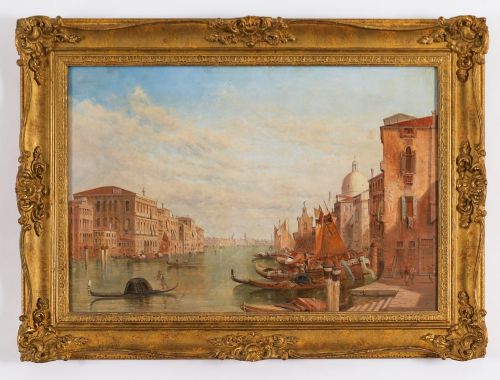
The most common examples encountered on this page date from the nineteenth century, reflecting a period of intense maritime interest in Britain and Europe. Works span subjects from quiet Venetian canals to merchant shipping and naval engagements.
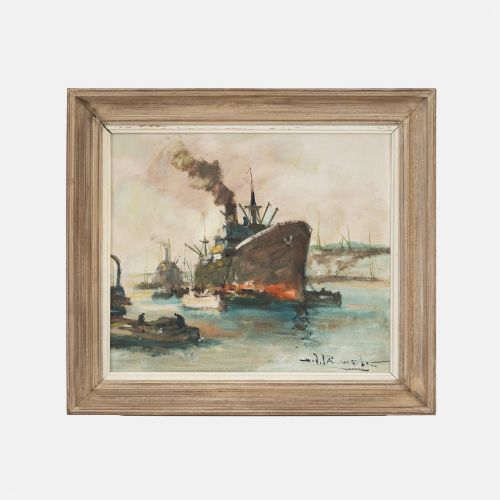
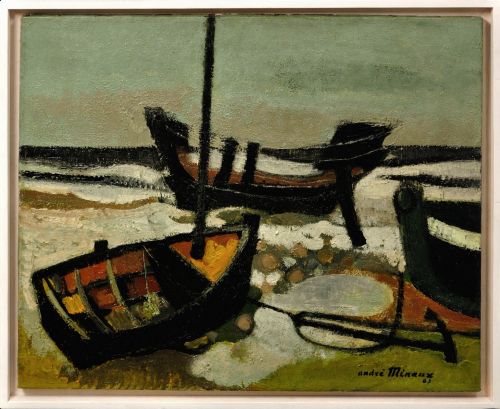
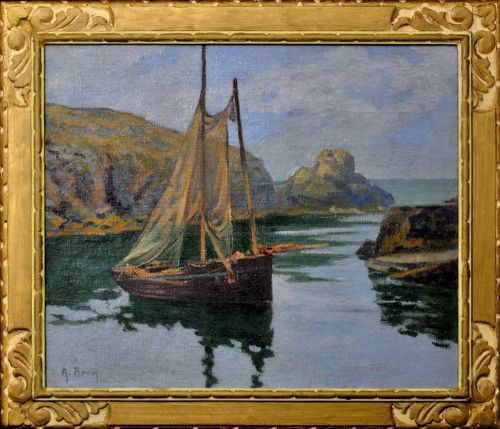
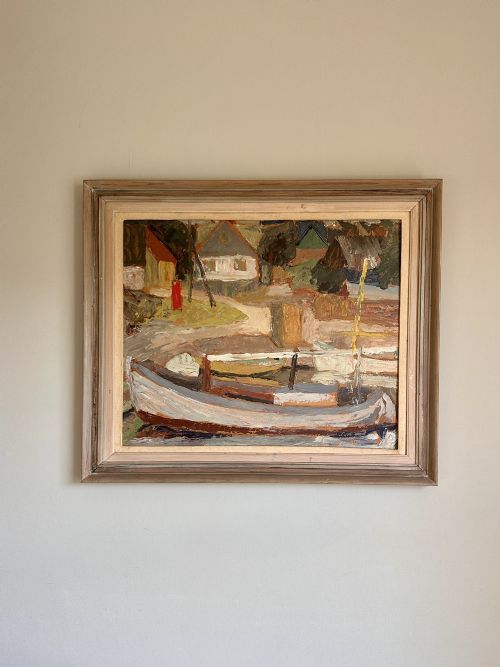
Represented styles vary from academic realism to post-impressionist interpretations of light on water. Painters recorded specific locations such as Malta, Torquay, and the River Thames alongside imagined or historic actions.
How they were made
Artists applied oil paint using brushes and sometimes palette knives onto stretched canvas or wooden boards. Pigments were built up in layers to create depth in the water and luminous effects in the sky.
Many of these works remain set within their original frames constructed from wood, gesso, and gold leaf. These frames often carry ornamentation that complements the era of the painting.
Maritime Oil Painting Retail Price Guide 2026
Typical asking prices for maritime oil painting among the pieces listed under this phrase on Sellingantiques today, from the lower quarter to the upper quarter. They describe what is for sale here now, not the wider market.
Listings feature works from the eighteenth, nineteenth, and twentieth centuries, executed in oil on canvas or board.
What varies in quality
Quality rests in the artist's command of perspective, rigging detail, and the shifting quality of light over water. Stronger works convey the weight of a vessel and the motion of a rolling sea with economy and precision.
Condition plays a part in the standing of a piece, specifically the stability of the paint surface and the absence of heavy overpaint. Original frames that match the period of the canvas add to the integrity of the object.
Alfred Pollentine·Richard Harry Carter·Henri Joseph Pauwels·Achille Bron·William Calcott Knell·Stanley Leader·William Ayerst Ingram·Sir David Murray·Samuel Harry Hancock·Nicolaas Martinus Wijdoogen·James Hardy·Hans Harlander·Eugène-Louis Gillot·William McAlpine·Reginald Arthur Borstel·Lemuel Francis Abbott·James Kay·Bernard Gribble
The Maritime Oil Painting Glossary
- Canvas
- A heavy woven fabric stretched across a wooden frame to serve as a support for oil paint. It provides a flexible surface that reacts to changes in atmospheric humidity.
- Gesso
- A plaster mixture applied to wood frames or panels to create a smooth surface for gilding. It takes fine detail during the moulding process.
- Gilt Wood
- Timber coated with a thin layer of gold leaf or metallic paint. It frames and protects the perimeter of the canvas.
- Post-Impressionism
- An art movement following impressionism where artists explored emotion and structure through broader brushwork and heightened colour. Painters in this style moved beyond strict optical realism.
- Trumeau Mirror
- An antique wall mirror paired with an oil painting panel set above the glass. These decorative architectural fittings originated in France.
Maritime Oil Painting: Frequently Asked Questions
How do I identify the ship in a painting?
Look for painted inscriptions on the reverse of the canvas, the stretcher bars, or directly on the frame. Captions often record the name of the vessel and the port or location.
Researching the flag flown by the ship or the uniform of any figures on deck provides further clues to its nationality and era.
Are these paintings signed by the artist?
Many examples feature a signature or monogram placed in one of the lower corners of the canvas. Signatures can sometimes be faint or partially obscured by later cleaning.
Unsigned works often receive attribution to a specific school or circle of painters based on technique and subject matter.
How should I clean an old oil painting?
Surface dust should be removed gently with a soft, dry artist's brush without pressing onto the paint layer. Avoid using water, household cleaners, or oils on the canvas.
Professional conservators should handle any removal of discoloured varnish or deeper grime to prevent damage to the original pigment.
What does a gesso frame indicate?
A gesso frame indicates traditional framing methods where plaster and gold leaf were applied over a wooden base. These frames often date from the same period as the painting itself.
Original frames may show minor losses to the moulded plaster, which collectors often accept as evidence of age.