
Landscape Canvas Art
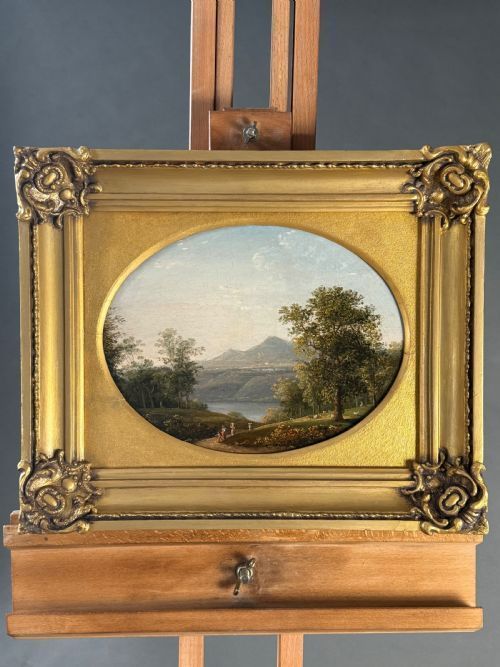
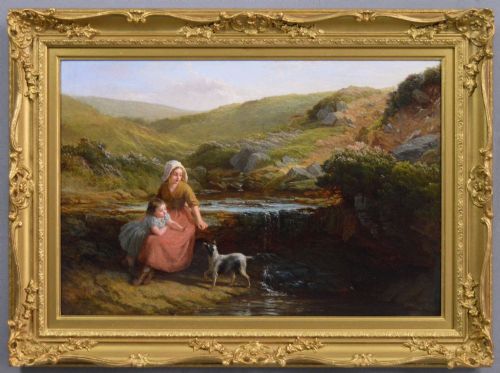
Landscape canvas art brings rural scenes, rivers, and coastal views onto oil-painted surfaces framed in giltwood.
Landscape Canvas Art
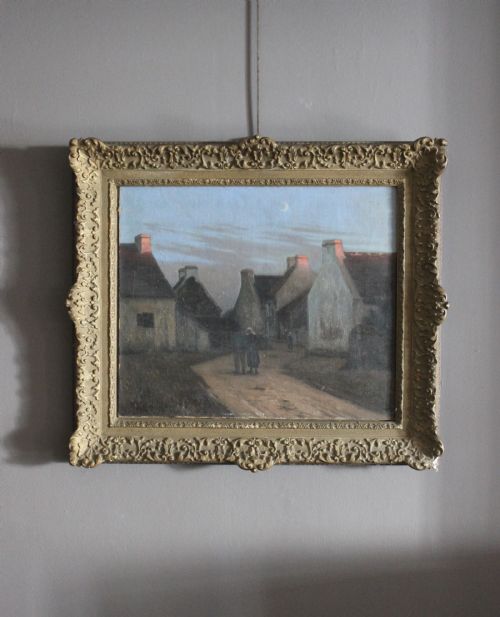
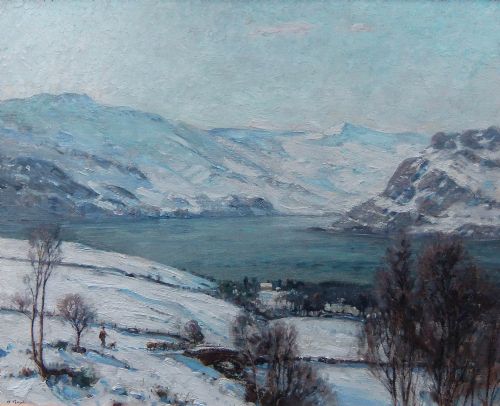
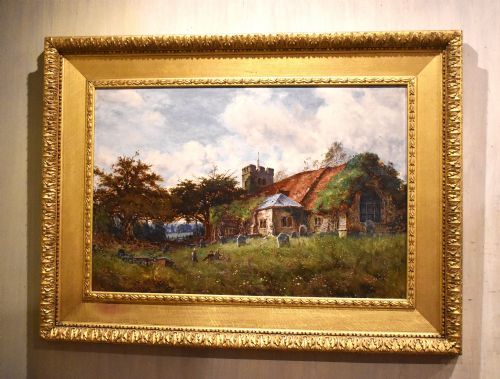
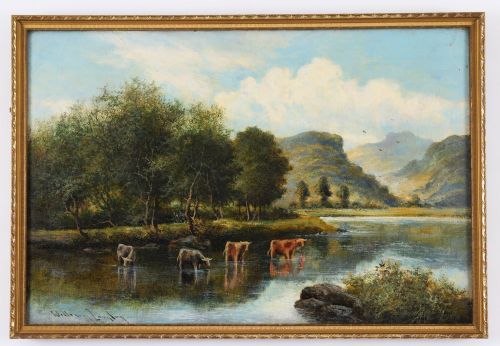
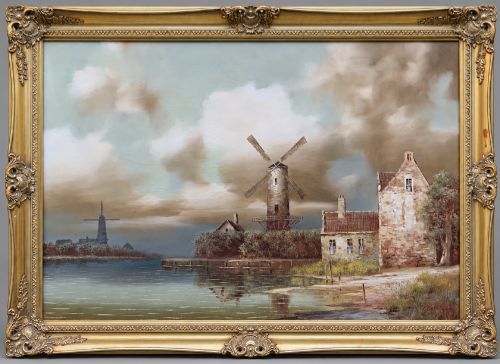
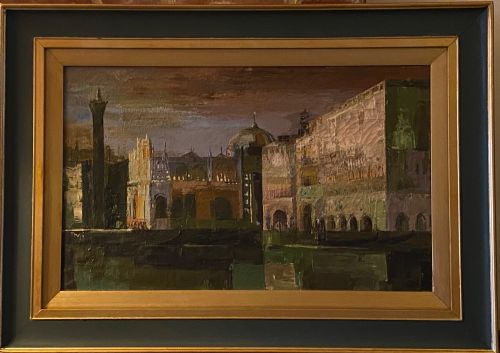
Landscape canvas art encompasses oil paintings on canvas depicting rural scenes, rivers, farmyards, winter ice skaters, and coastal views. These works range from seventeenth-century Dutch shipping scenes and eighteenth-century grand tour vistas to nineteenth-century Victorian pastoral landscapes and twentieth-century winter compositions.
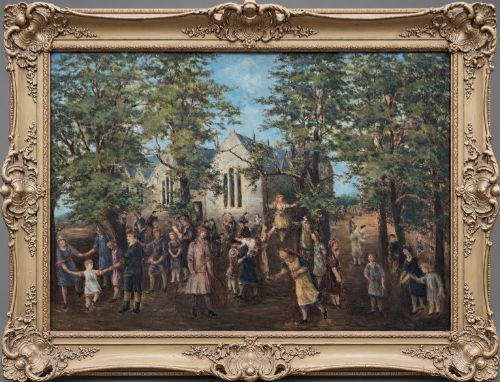
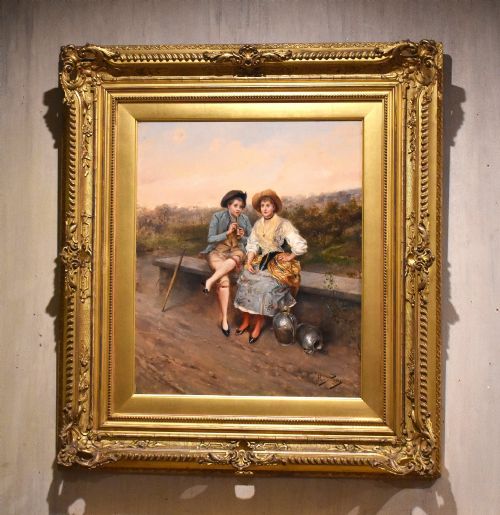
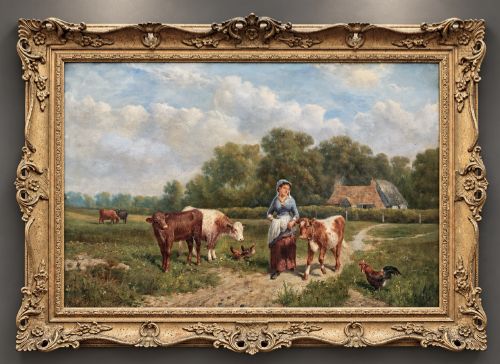
The buyer meets various formats on this page, including large framed canvases, village fêtes, mountain lochs, and pastoral views with cattle. Makers span distinct historical periods such as the Victorian era, the Edwardian period, and mid-twentieth-century interpretations in the Dutch manner.
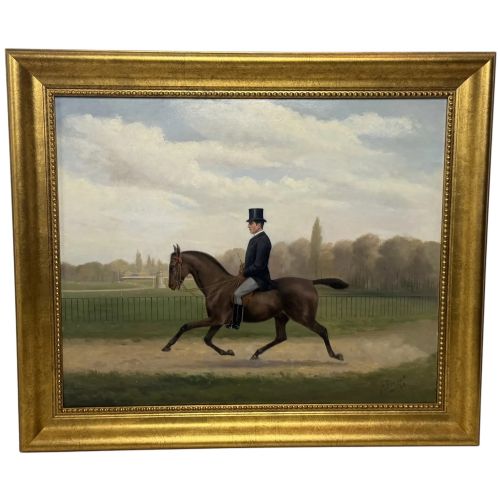
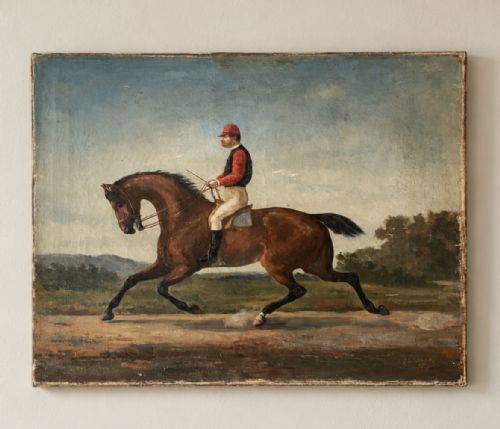
Subjects frequently extend beyond pure scenery to incorporate figures, hunt gatherings, horse carriages, and architectural ruins. The framing often utilises period gesso and giltwood constructions that complement the oil paint surfaces.
How they were made
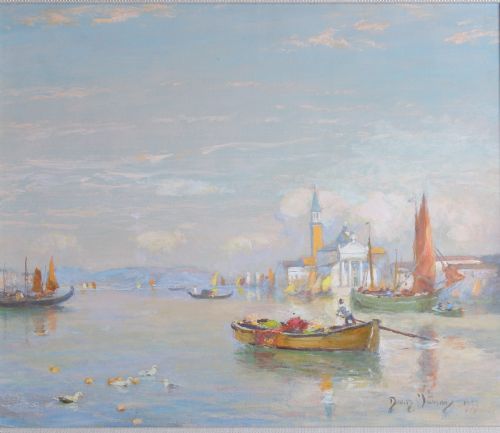
These works are executed in oil paint applied to stretched canvas supports. Artists built up texture and depth through successive brushstrokes of oil, utilising a palette ranging from muted earth tones to brighter hues for marine and sunset scenes.
Canvases are typically housed within wooden frames embellished with gesso and gilt or giltwood finishes. These frames provide structural support and historical context, often matching the specific period of the painting.
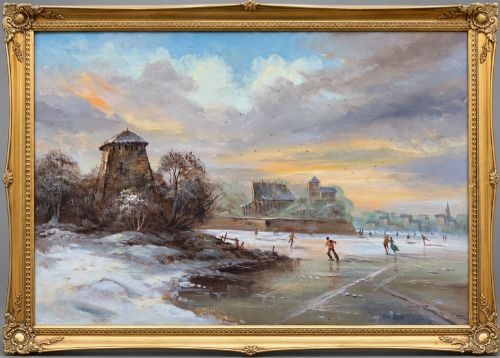
Several winter scenes capture Dutch children and ice skaters gliding merrily across frozen waterways.
What varies in quality
Quality rests in the handling of light, brushwork fluidity, and anatomical precision in figures and animals. Superior examples demonstrate confident spatial depth and atmospheric perspective, whereas lesser works display stiff proportions and flat tonal gradations.
The integrity of the original oil surface and the preservation of the canvas tension dictate the physical standard of the piece. Additionally, the craftsmanship of the accompanying giltwood frame contributes to the overall standing of the artwork.
George F Bird·Sir David Murray·James Elliot·Alonso Perez·William Langley·Jacob Philipp Hackert·Sushila Singh·Samuel Joseph Clark·Edward Holmes·Walter Robin Jennings·William Mellor·Willem J Palman·Hugh Barry Scott·William Manners·Barent Gael·E Steele·F Staple·Philip H Rideout·Edmund Bristow·Benjamin Barker of Bath·Nicolaas Martinus Wijdoogen·Thomas Thomas·Alfred Walter Bayes·Johann Moritz Rugendas·Edward Charles Williams
The Landscape Canvas Art Glossary
- Giltwood
- Wood carved and coated with gold leaf or gold paint to form decorative picture frames. This material appears frequently on nineteenth-century and Edwardian landscape paintings.
- Gesso
- A plaster-like mixture applied to wooden frames as a base for gilding. It provides a smooth surface for intricate mouldings.
- Dutch School
- A term denoting painters working in the Netherlands during the seventeenth century or subsequent artists adopting their stylistic traditions. These works often feature maritime scenes or winter landscapes with skaters.
- Capriccio
- An architectural painting combining buildings, ruins, and other elements in a fictional fantastical arrangement. Such compositions frequently place Italianate structures into Mediterranean landscape settings.
Landscape Canvas Art: Frequently Asked Questions
What is landscape canvas art?
Landscape canvas art consists of oil paintings on canvas that portray natural scenery, rivers, mountains, and rural life.
These works reflect the artistic conventions of periods ranging from the seventeenth century through the mid-twentieth century.
How were these oil paintings framed?
Many paintings are housed in wooden frames finished with gesso and gilt or giltwood.
These decorative surrounds help protect the canvas edge and often date to the same period as the artwork.
How do I identify the period of a landscape painting?
Period identification relies on stylistic cues, clothing styles of figures, framing techniques, and recorded dates for signed works.
Victorian and Edwardian examples often exhibit distinct tonal palettes and subject matter compared to earlier Dutch or grand tour pieces.
Where should I hang a large landscape oil painting?
Large landscape oil paintings suit principal reception rooms or hallways with sufficient wall space and controlled lighting.
Direct sunlight should be avoided to protect the oil pigments and giltwood frames from degradation.