







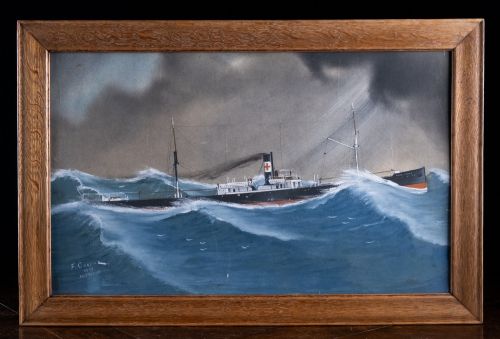
Nautical Oil Painting Framed
A nautical oil painting framed in its period wood or gilt surround brings the raw power of the sea directly into the room.
What these pieces are
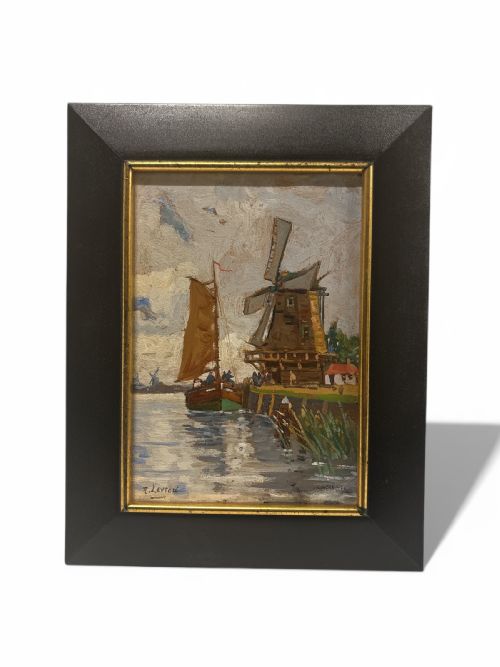
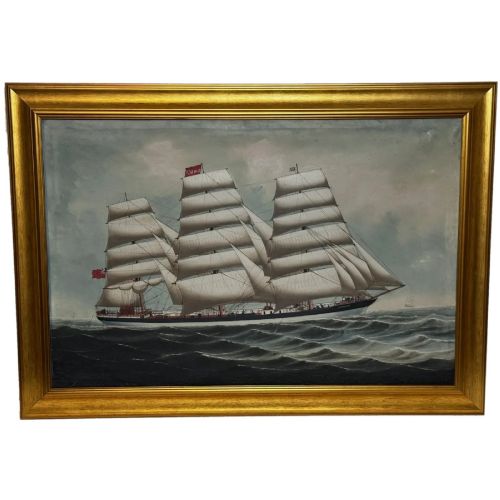
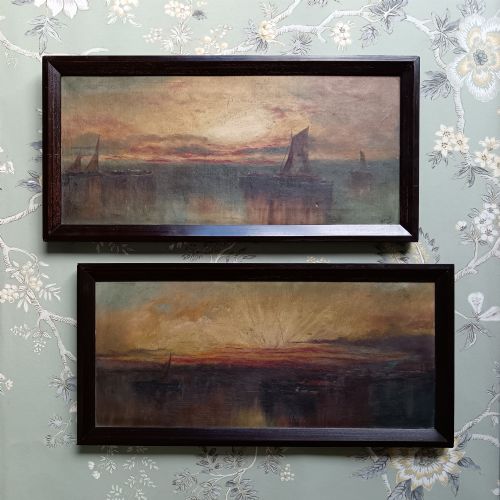
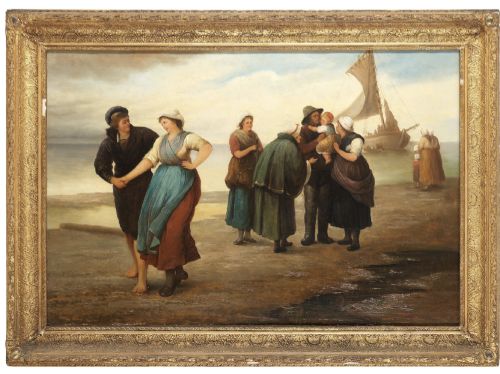
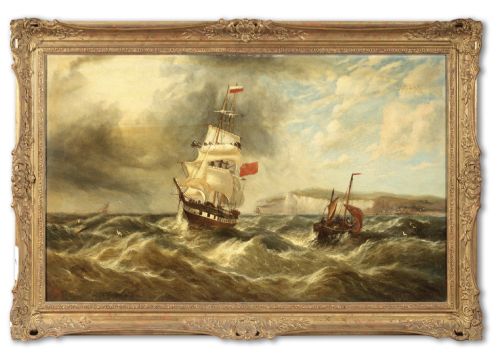
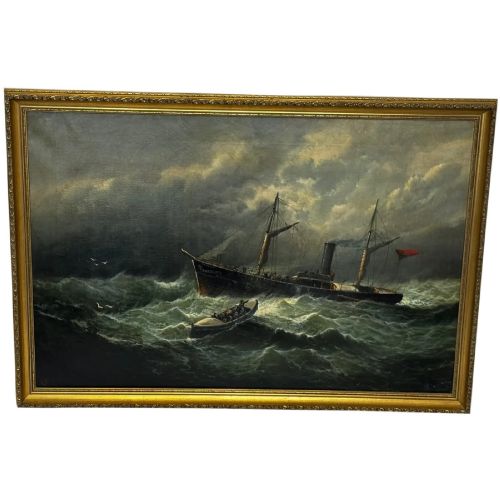
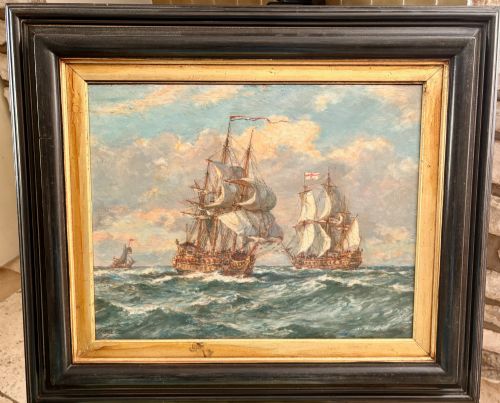
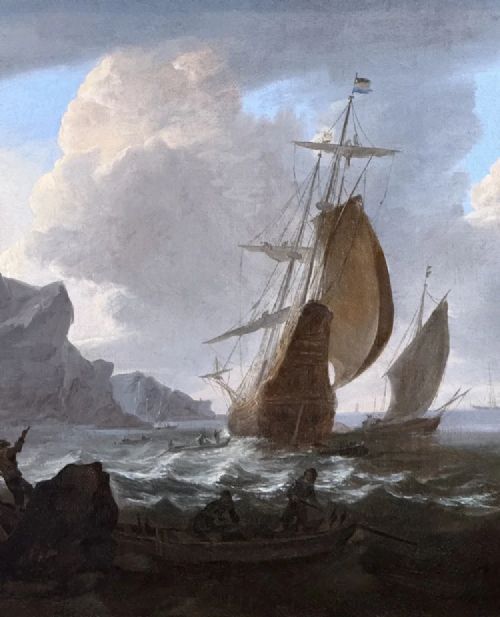
A nautical oil painting framed in wood or giltwood captures maritime scenes from the nineteenth century up to nineteen twenty. The selection ranges from dramatic shipwrecks and three-masted schooners to coastal fishing boats at work.
Most examples hail from the nineteenth century, reflecting the era's profound engagement with maritime trade and naval power. Works like the painting of fishing boats of the south coast or depictions of Whitby Abbey show familiar coastal vistas.
Buyers frequently encounter both large canvas works and smaller oil on board pieces. These maritime artworks function as historical windows into historic shipping and coastal life.
How they were made
These works utilise traditional oil paints applied to canvas or board supports. Artists built up textures and tones using oil mediums to capture the movement of water and the play of light on sails.
The paintings are housed in frames constructed from wood, often finished with giltwood or gesso ornamentation. These heavy period surrounds complement the maritime subject matter and protect the edges of the canvas or board.
Retail Price Guide 2026
Typical UK retail prices for nautical oil painting framed, calculated from the Sellingantiques database of over a million retail prices indexed since 2003. This retail price guide relies exclusively on Sellingantiques data; no external sources or auction records are used, so the figures do not describe the wider market.
Listings span the nineteenth century and nineteen twenty, featuring oil on canvas and oil on board supported by wood and giltwood frames.
What varies in quality
Quality rests upon the artist's ability to render the dynamic forms of water and the precise rigging of vessels. Finer works demonstrate a confident handling of light and atmospheric conditions rather than stiff technical drawing.
The craftsmanship of the frame forms another key distinction, with moulded giltwood and gesso surrounds offering greater visual weight than plain wooden borders. Original frames that match the period of the painting elevate the overall integrity of the piece.
George Henry Knight·William Henry Williamson
The Nautical Oil Painting Framed Glossary
- Giltwood
- Wood carved and coated with a thin layer of gold leaf or gilt powder. This finish catches the ambient light and frames the dark tones of the canvas.
- Gesso
- A plaster-like mixture applied to wooden frames as a base for moulding and gilding. It allows for intricate decorative relief work along the borders.
- Oil on board
- A painting technique where rigid panel or board serves as the painting support instead of stretched fabric. This method was common for smaller studies and works executed outdoors.
- Maritime Art
- Artwork depicting ships, seascapes, and coastal scenes. This genre encompasses historical naval engagements as well as everyday fishing vessels.
- Impressionist
- A style focusing on the visual impression of the moment, particularly shifting light and colour. Works in this manner prioritise loose brushwork over sharp detail.
Frequently Asked Questions
How do I clean the frame?
Giltwood and gesso frames require gentle dusting with a soft, dry brush to remove settled particles without disturbing the delicate surface finish. Avoid liquid cleaners entirely, as moisture can lift the gilding from the wood beneath.
Period frames often show age-related craquelure or minor losses that form part of their history. Treat these areas with care and consult a specialist conservator if structural repairs become necessary.
Where should I hang these?
Select a wall away from direct sunlight and strong heat sources to protect both the oil pigments and the wooden frame from fading and warping. Stable room temperatures ensure the canvas or board remains secure within its housing.
Consider eye-level placement in rooms with good indirect light to appreciate the fine details of the rigging and waves. Adequate clearance from moisture-prone areas like kitchens protects the organic materials.
Are board paintings less durable?
Paintings executed on board offer a rigid support that resists the sagging sometimes seen in old canvases. However, wood can react to humidity changes by expanding or contracting.
Keeping the piece in a stable environment prevents the paint layer from cracking or separating from the board substrate. Proper framing helps seal the edges against atmospheric shifts.
How do I date these works?
Dating relies on stylistic clues, the construction methods of the wooden frame, and the type of canvas or board used. Nineteenth-century pieces often feature specific rigging details or clothing styles that anchor them in time.
Signatures, inscriptions on the reverse, and artist records provide further confirmation. Comparing the handling of the paint with known works helps narrow down the period.