





Impressionist Boat Painting
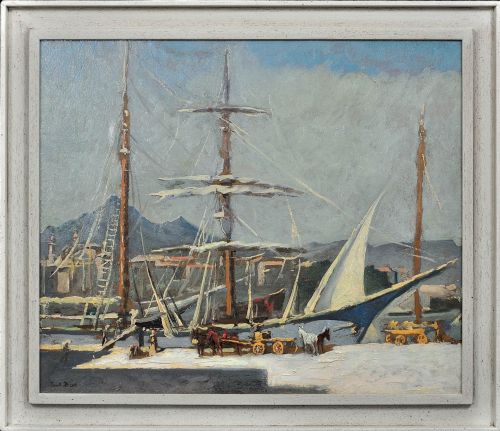
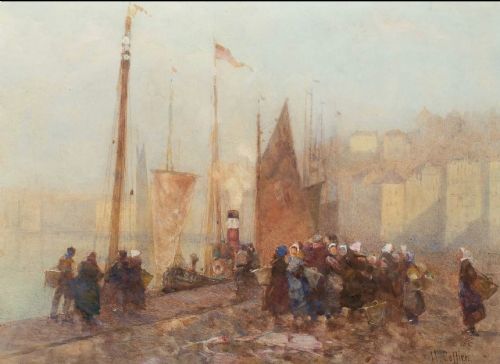
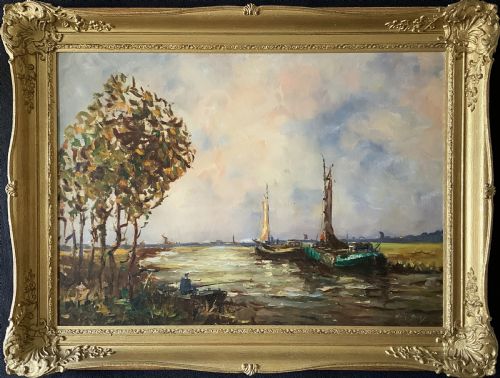
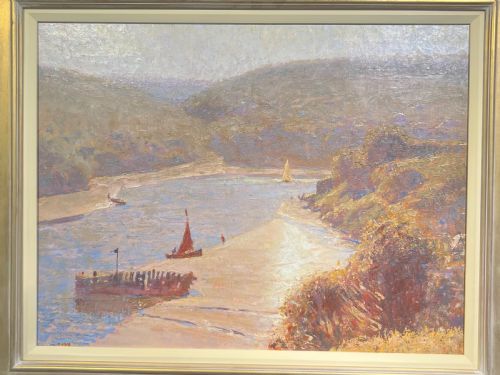
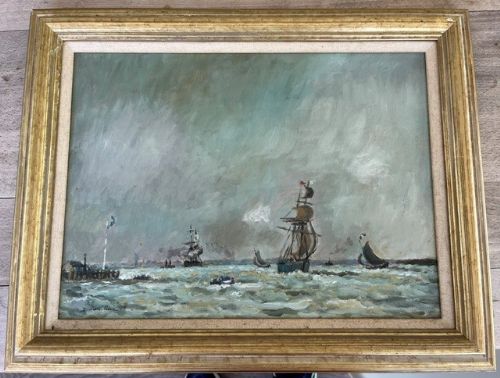
Impressionist boat painting captures the fleeting effects of light and water through loose brushwork.
What Impressionist Boat Paintings Are
When you search for impressionist boat painting, you are looking at works that record maritime scenes, rivers, and coastal harbours through the lens of impressionism and modern British styles. These pieces capture transient atmospheric conditions and water reflections using spirited brushwork.
The versions you are most likely to meet on this page span the nineteenth century up to nineteen forty. They include French belle epoque views, art deco water landscapes, and plein air marine studies.
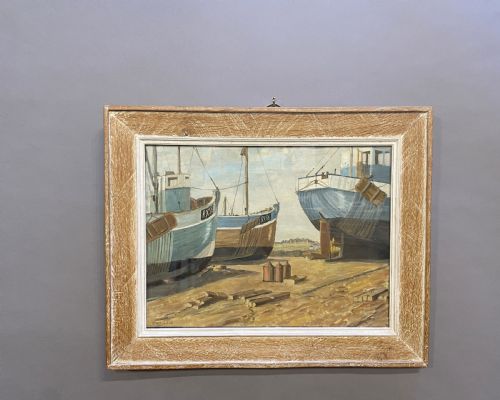
Makers and subjects range from Parisian river scenes on canvas to boat yards rendered in oil on board. Each piece offers a window into how artists of these periods perceived movement upon the water.
How They Were Made
Artists built these works using oil paint applied to canvas, board, or wood panels. Some pieces utilise gesso and gilded wood frames to finish the presentation.
Techniques relied on direct observation, capturing light outdoors through rapid application of pigment. The physical support often dictated the texture, with oil on board yielding a robust surface for energetic marks.
Retail Price Guide 2026
Typical UK retail prices for impressionist boat painting, calculated from the Sellingantiques database of over a million retail prices indexed since 2003. This retail price guide relies exclusively on Sellingantiques data; no external sources or auction records are used, so the figures do not describe the wider market.
Armand Guillaumin once lived in a railway carriage to paint the Creuse valley.
What Varies in Quality
The distinction between standard works and exceptional examples lies in the confidence of the brushwork and the management of light. Superior pieces evoke the true atmosphere of the water and sky with economy and precision.
Material preparation also plays a role, from the stability of the wood or canvas support to the harmony of the surrounding frame. Works by recorded artists or those with specific historical context carry greater distinction.
Armand Guillaumin
The Impressionist Boat Painting Glossary
- Plein air
- The act of painting outdoors. This method allows artists to directly observe landscape and marine subjects under natural light.
- Oil on board
- A painting technique where oil paint is applied to a rigid wooden board rather than stretched canvas. This medium offers a firm surface for expressive strokes.
- Gesso
- A plaster-like mixture applied to wood or canvas as a base for painting. It prepares the surface to receive oil pigment.
Frequently Asked Questions
What periods do these paintings cover?
The works span from the nineteenth century through the early decades of the twentieth century. Dates within the listings include nineteen ten, nineteen twenty, nineteen thirty, and nineteen forty.
This timeline captures both belle epoque sensibilities and later art deco water landscapes.
What materials were used?
Artists used oil paint applied to canvas, wood, board, or panel supports. Some pieces retain gilded wood frames finished with gesso.
These materials provided the necessary durability for outdoor painting sessions.
Where were these scenes painted?
Locations range from Parisian river views and the Danube to English channel seascapes and local boat yards. Artists travelled to capture harbours, rivers, and coastal waters.
French and British influences dominate the geographic spread of the subjects.
How do I identify the style?
Look for loose brushwork, an emphasis on natural light, and subjects focused on water and boats. The styles encompass impressionism, modern British, and French belle epoque.
These characteristics separate them from formal academic portraiture or static landscapes.